
Maintaining the pristine condition of your car’s interior requires understanding the chemical properties of the detailing products you use. A high-quality leather wipe is often the first line of defense against daily grime, but its chemical formulation determines whether it preserves or slowly degrades your seats. A pH-neutral leather wipe is specifically formulated to match the safe operating threshold of modern automotive leather coatings, ensuring that dirt and body oils are lifted without stripping away the vital protective sealants applied during manufacturing. Using products with improper pH levels can lead to premature wear, cracking, and discoloration, turning a simple cleaning routine into an expensive maintenance mistake.
To keep your vehicle’s cabin looking and feeling premium, you must look beyond basic cleaning power. Understanding the science behind pH-neutral formulations allows you to make informed decisions that protect your investment over the long term. This guide breaks down what pH-neutral means in the context of automotive care, how chemical balance affects cleaning performance, and how to safely integrate these products into your routine.
What "pH-Neutral" Actually Means in Leather Care
The pH scale is a scientific measurement running from 0 to 14 that determines how acidic or alkaline a water-based solution is. A value of 7.0 is considered chemically neutral, representing a perfect balance where the concentration of hydrogen ions and hydroxide ions is equal. Anything below 7.0 falls into the acidic range, while anything above 7.0 is classified as alkaline. In the realm of chemistry, even minor deviations from neutral can represent significant changes in chemical activity, as the scale is logarithmic; a pH of 6.0 is ten times more acidic than a pH of 7.0.
Products mentioned in this guide
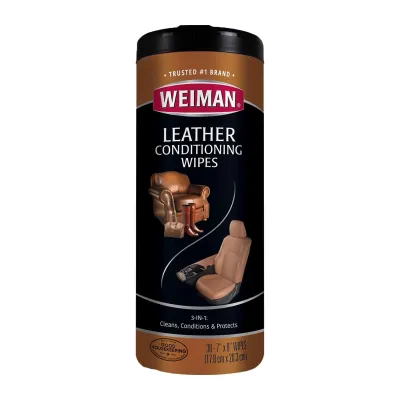
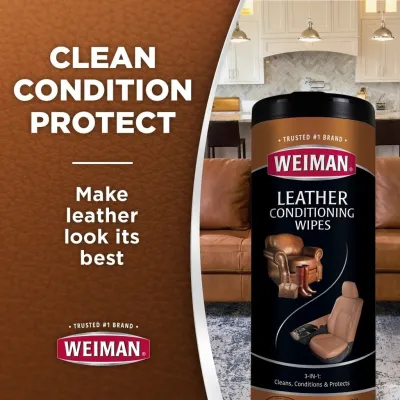
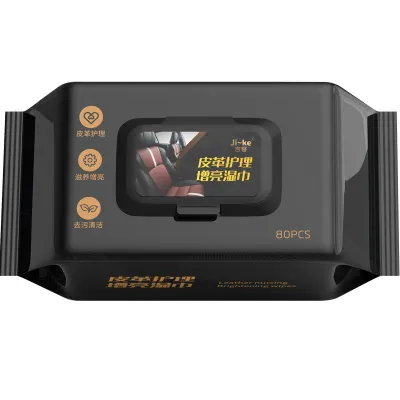
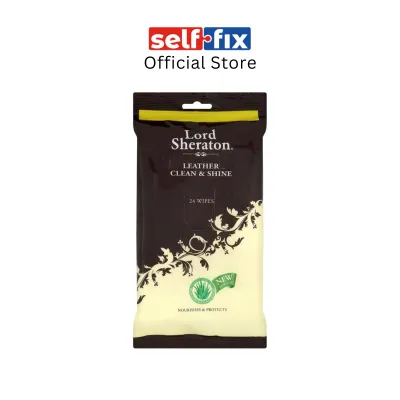
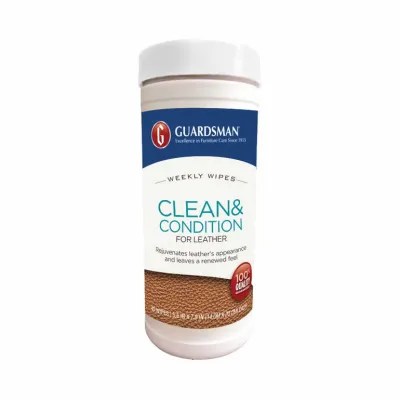
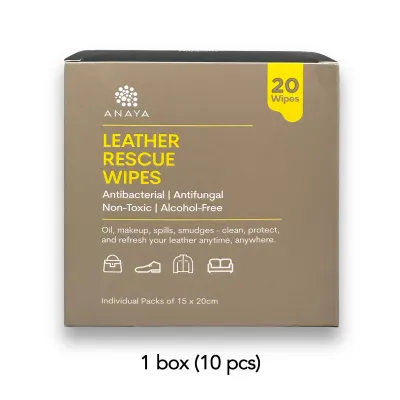
Prices are valid at publication and may change. Please refer to the product page for the latest price.
When discussing leather care, it is vital to distinguish between raw, untreated hide and the finished leather found in modern vehicle cabins. Raw, vegetable-tanned or chrome-tanned leather is naturally slightly acidic, typically resting at a pH of approximately 4.5 to 5.5. This acidity is a byproduct of the tanning process, which stabilizes the collagen fibers within the hide. However, modern automotive leather is rarely left raw. Instead, it is finished with a sophisticated, multi-layered protective topcoat designed to withstand friction, UV exposure, and moisture.
When a leather wipe is labeled as “pH-neutral” or “pH-balanced,” it indicates that the liquid formulation saturating the wipe is chemically engineered to sit within a safe, non-reactive range—usually between 6.5 and 7.5. This neutral profile ensures that the cleaner does not alter the surface chemistry of the leather or its protective topcoat. It prevents the chemical reactions that occur when highly acidic or highly alkaline substances come into contact with the delicate polymers of the seat’s finish.
Some manufacturers use “pH-neutral” and “pH-balanced” interchangeably, which can cause confusion. Strictly speaking, a pH-neutral product sits exactly around 7.0, while a pH-balanced product might be slightly buffered to match the natural 4.5 to 5.5 pH of the leather substrate itself. For coated automotive interiors, both designations aim for the same practical goal: providing a mild, non-reactive cleaning profile that lifts contaminants without leaving behind aggressive chemical residues that could compromise the material’s structural integrity.
How pH Levels Affect Cleaning Effectiveness
Cleaning products rely on chemical reactions, physical agitation, or a combination of both to remove dirt. Alkaline cleaners, which feature a high pH, are exceptionally efficient at breaking down organic matter, heavy grease, proteins, and accumulated body oils. This high efficiency is why many heavy-duty household degreasers and multi-purpose cleaners are highly alkaline. However, this aggressive chemical action does not discriminate between unwanted grease and the essential protective binders within your car’s interior surfaces, making alkaline products too harsh for routine leather maintenance.

On the opposite end of the scale, acidic cleaners feature a low pH. These formulations are highly effective at dissolving inorganic mineral deposits, such as water spots, salt crusts, or calcium buildup. Despite their usefulness in other detailing scenarios, acidic solutions are rarely used for general leather cleaning. If misused, an acidic solution can easily etch the surface of the leather, strip away color dyes, and cause severe, irreversible discoloration of the hide.
Instead of relying on harsh chemical reactions to dissolve dirt, a pH-neutral leather wipe utilizes mild, carefully selected surfactants. Surfactants are surface-active agents that lower the surface tension of water, allowing the cleaning solution to wet the surface more effectively and penetrate microscopic crevices. The hydrophobic tails of the surfactant molecules attach to oils and dirt, while their hydrophilic heads bind to water. This action encapsulates daily dirt, dust, and light body oils, lifting them off the surface so they can be mechanically trapped in the fibers of the wipe.
There is a common misconception among car owners that a stronger, more chemically aggressive cleaner always yields a better result. While a harsh chemical might remove dirt faster, it does so by attacking the surface it is cleaning. Automotive leather requires a gentle, progressive approach to maintenance. Using a pH-neutral formulation ensures that you clean via safe emulsification rather than chemical erosion, preserving the delicate balance of the interior finish.
The Impact of pH on Leather Longevity and Factory Coatings
Almost all modern automotive leather seats are finished with a thin, clear protective barrier, typically made of polyurethane (PU) or acrylic micro-membranes. This factory coating acts as a shield, preventing liquid spills, dye transfer from clothing, and physical abrasion from damaging the underlying dyed leather hide. Because this protective layer is incredibly thin, maintaining its chemical stability is the single most important factor in ensuring the long-term durability of your seats.
When you use cleaning wipes that contain high-pH agents, strong alcohols, or aggressive solvents, you initiate a process of chemical degradation. These harsh chemicals slowly break down the polymer chains within the polyurethane topcoat. Over time, repeated exposure causes the protective layer to dry out, lose its elasticity, and eventually crack. In severe cases, the degraded coating can liquefy slightly, resulting in a sticky, tacky texture that attracts even more dirt and is highly susceptible to peeling.
Using a pH-neutral leather wipe prevents this degradation by cleaning the surface without stripping the factory topcoat. By maintaining a neutral chemical environment, the polyurethane layer remains supple, intact, and fully bonded to the leather underneath. This preservation prevents micro-scratching, as a healthy topcoat allows dust particles to glide off easily during wiping rather than becoming embedded in a softened, compromised surface.
In hot and humid climates, such as Singapore’s tropical environment, preserving this factory coating is even more critical. High cabin temperatures, which can easily exceed 60°C when a car is parked in the sun, accelerate chemical reactions. If a harsh, non-neutral residue is left on the leather, the combination of intense heat and ambient humidity can trigger hydrolysis—a chemical reaction where water breaks down the chemical bonds of the protective coating. Furthermore, a compromised coating allows moisture to penetrate deep into the leather fibers, promoting the growth of mold and mildew. Using a gentle, pH-balanced, and quick-drying wipe helps mitigate these environmental risks.
When to Use pH-Neutral Wipes vs. Dedicated Leather Cleaners
While a pH-neutral leather wipe is an incredibly convenient tool, it is important to understand its role in a complete vehicle care regimen. Wipes are designed primarily for maintenance and quick touch-ups. They are highly effective at addressing minor, daily contaminants before they have a chance to bond with the surface or penetrate the leather’s pores.
Ideal Scenarios for pH-Neutral Wipes
- Daily or Weekly Maintenance: Removing light surface dust and airborne pollen that settles on the seats.
- Quick Spill Cleanup: Wiping away fresh liquid spills, coffee splashes, or water droplets before they dry.
- Body Oil and Sweat Removal: Cleaning the steering wheel, gear shifter, and armrests after a drive to prevent the buildup of natural skin oils.
- Sunscreen and Cosmetic Residue: Safely lifting oily sunscreen transfers or makeup smudges from the leather bolsters.
Despite their convenience, wipes have distinct physical and chemical limitations. Because they are pre-saturated sheets, they lack the volume of liquid required to float heavy dirt out of deep leather grain, and they do not offer the mechanical agitation needed to break up stubborn, dried-on stains. For example, heavy dye transfer from dark denim jeans or neglected, deeply embedded dirt cannot be safely removed with a wipe alone. Attempting to scrub harder with a wipe to remove these stains will only cause localized friction damage to the topcoat.
When dealing with heavily soiled or neglected leather, you must transition to a dedicated, spray-on leather cleaner and a soft-bristled detailing brush. The liquid spray provides the necessary volume to lubricate the surface, while the brush agitates the grain safely, lifting deep-set dirt into a rich lather that can be wiped away with a clean microfiber towel. Following a deep clean, applying a dedicated leather conditioner helps restore suppleness to the material.
| Feature | pH-Neutral Leather Wipes | Dedicated Leather Cleaners & Brushes |
|---|---|---|
| Primary Purpose | Quick maintenance and surface dusting | Deep cleaning and stain restoration |
| Cleaning Mechanism | Light surfactant transfer and wiping | Deep liquid penetration and mechanical agitation |
| Best For | Light dust, fresh spills, steering wheel oils | Ground-in dirt, heavy denim dye transfer, neglected seats |
| Risk of Overuse | Low, if stored and applied gently | Moderate, requires careful rinsing and conditioning |
| Convenience | High; ready to use out of the package | Moderate; requires multiple steps and drying time |
How to Choose and Use Leather Wipes Safely
Selecting the right product requires careful inspection of the packaging. When shopping, prioritize products that explicitly state they are “pH-neutral” or “pH-balanced” on the label. Avoid generic household cleaning wipes, multi-surface wipes, or products that contain harsh solvents, isopropyl alcohol, ammonia, bleach, or heavy silicone oils. Silicones can create a temporary, artificial shine, but they often trap heat, attract dust, and make the leather surface dangerously slick.
Before applying any detailing product to your vehicle’s interior, always check the applied product’s label and your vehicle manufacturer’s care instructions. If the instructions conflict, if the leather material is unidentified, or if the specific use is not covered on the product label, stop immediately and consult the vehicle manufacturer or a qualified professional detailing specialist.
To apply a leather wipe safely, pull a fresh sheet from the container and reseal the package immediately to prevent the remaining wipes from drying out. Wipe the leather surface gently in a single direction, using light, even pressure. Avoid aggressive circular scrubbing, which can ground dirt particles back into the leather grain. Do not oversaturate the leather; the wipe should leave a thin, even film of moisture that evaporates naturally within seconds. Excess liquid can seep into the stitching holes and seams, where it can rot the threads or lead to mold growth beneath the surface.
[Step 1: Read Label & Instructions]
       │
       ▼
[Step 2: Perform Spot Test on Hidden Area]
       │
       ▼
[Step 3: Wipe Gently in One Direction (No Excess Moisture)]
       │
       ▼
[Step 4: Allow to Air Dry & Reseal Product Container]
Performing a spot test is a critical safety step that should never be skipped. Choose an inconspicuous area of the seat, such as the lower rear bolster or the underside of a headrest, and wipe it gently. Allow the area to dry completely and inspect it under good lighting. Check for any color transfer onto the wipe, changes in the texture of the leather, or localized fading. This step is especially vital for older vehicles, aftermarket leather dye repairs, or rare, uncoated leather types like aniline, which are highly sensitive to moisture and chemicals.
Proper storage of your leather wipes is essential for maintaining their chemical efficacy. In warm climates, storing a canister of wipes in a hot glove box or trunk will quickly evaporate the active liquid ingredients, leaving behind dry, abrasive sheets that can scratch your leather. Always store the container in a cool, shaded area of your home, or ensure it is kept in an airtight, UV-resistant bag if you must keep it in the vehicle.
Frequently Asked Questions (FAQ)
Can I use baby wipes or household wet wipes on car leather?
No, you should not use baby wipes or household wet wipes on automotive leather. Although baby wipes are designed to be gentle on human skin, they often contain skin conditioners, oils, fragrances, and moisturizers that leave a greasy residue on car seats. This residue can attract dirt and clog the pores of the leather. Furthermore, household cleaning wipes often contain harsh alcohols, solvents, or alkaline disinfectants designed to sanitize hard surfaces. These chemical agents will rapidly strip the polyurethane factory topcoat from your car seats, leading to premature cracking, peeling, and discoloration.
Do pH-neutral leather wipes condition the leather?
Generally, pH-neutral leather wipes are designed for cleaning and surface maintenance rather than deep conditioning. While some specialized wipes may leave behind a very light layer of UV protectants or mild conditioning agents that impart a temporary matte finish, they cannot replace a dedicated leather conditioner. Because modern automotive leather has a protective polyurethane topcoat, heavy conditioning oils cannot easily penetrate the surface anyway. Wipes should be viewed as a tool to keep the surface clean and free of abrasive dust, while deep conditioning should be performed periodically using specialized creams designed to permeate the topcoat safely.
How often should I use leather wipes on my car seats?
For a daily-driven vehicle, using a pH-neutral leather wipe once every one to two weeks is an excellent cadence to prevent the buildup of body oils, sweat, and environmental dust. If you frequently drive after exercising, use heavy sunscreens, or have pets in the vehicle, you may want to wipe down high-contact areas like the steering wheel and driver’s seat bolsters weekly. However, avoid over-wiping with excessive moisture. Repeatedly soaking the leather seams can weaken the stitching over time. Always ensure the cleaning agent evaporates quickly and the surface remains dry after maintenance.
Community discussion
Share your experience or ask a question. Comments are reviewed before publication.