
For safe routine cleaning of both car paint and interior surfaces, car wet wipes should have a pH-neutral level of approximately 7, typically ranging between 6 and 8. This neutral balance ensures that the cleaning agents can lift light dust, fingerprints, and surface grime without chemically reacting with or stripping away protective clear coats, wax layers, delicate leather finishes, or interior plastics. Using wipes with highly acidic (below 6) or highly alkaline (above 8) formulations can lead to gradual degradation, discoloration, or etching of these sensitive automotive materials.
While specialized detailing chemicals are formulated for specific heavy-duty tasks, daily maintenance wipes must be gentle enough to use across multiple surfaces without causing harm. Understanding how pH levels interact with different materials is the key to preserving your vehicle’s aesthetic appeal and resale value. By selecting the right products and verifying their chemical properties, you can safely maintain your car’s cleanliness between deep washes.
Understanding pH Levels in Car Wet Wipes
The pH scale ranges from 0 to 14 and measures how acidic or alkaline a water-based solution is. A value of 7 is completely neutral, representing a perfect balance similar to pure water. Solutions with a pH below 7 are acidic, while those above 7 are alkaline. Because the pH scale is logarithmic, each whole number change represents a tenfold increase in acidity or alkalinity, making even minor deviations highly significant for sensitive automotive finishes.
Products mentioned in this guide
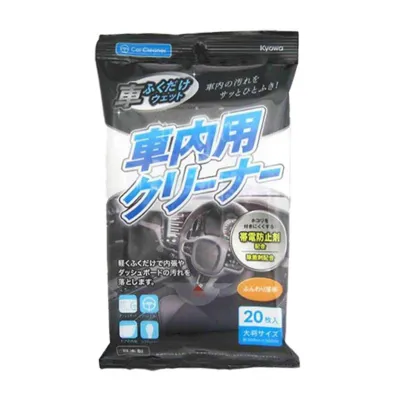
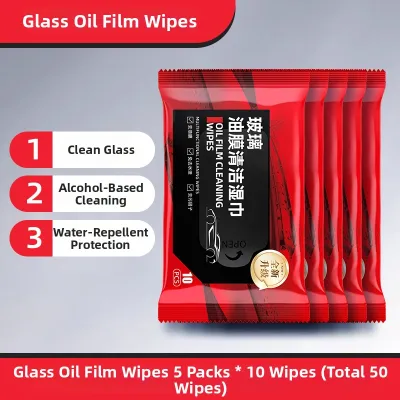
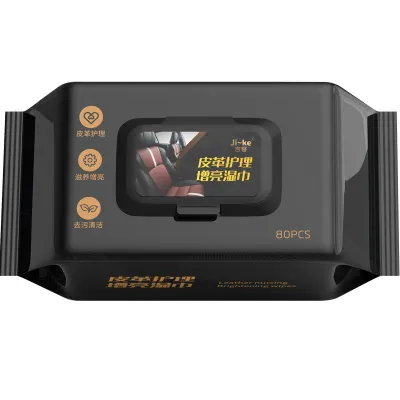
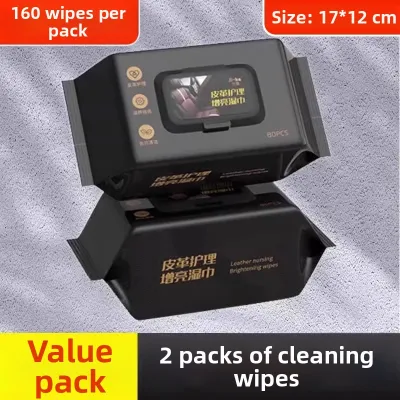
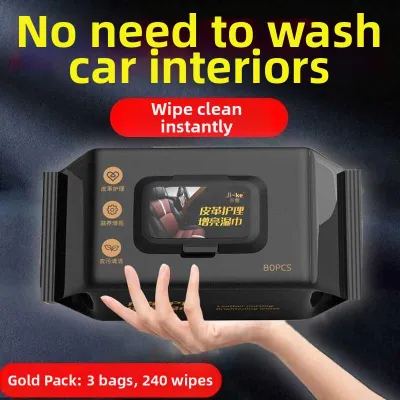
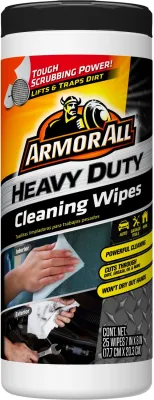
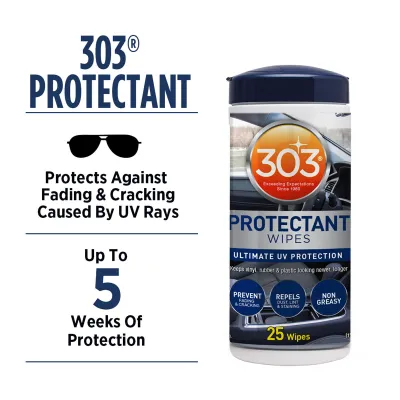
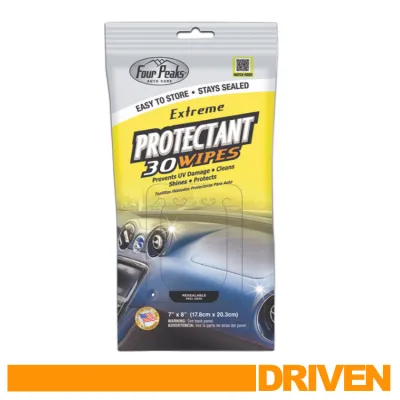
Prices are valid at publication and may change. Please refer to the product page for the latest price.
In the context of automotive detailing, routine maintenance products like car wet wipes are designed to remove light contamination without altering the surface chemistry of the vehicle. This is why manufacturers formulate high-quality wipes to be pH-neutral or pH-balanced. A neutral formulation lowers surface tension to lift loose dirt particles without initiating a chemical reaction with the underlying material.
Acidic solutions break down inorganic mineral deposits like water spots, but can etch clear coats and corrode bare metals. Conversely, highly alkaline solutions excel at emulsifying organic grease, oils, and heavy road grime, but they can strip away protective waxes, dry out leather, and cause plastics to become brittle over time.
To identify the chemical nature of a product, look for explicit “pH-neutral” or “pH-balanced” statements on the front label. In the absence of a clear pH rating, examine the ingredient list on the back of the package. Avoid products listing strong acids, heavy alkalis, or harsh industrial solvents, as these indicate a formulation that is too aggressive for routine wiping.
Matching pH Levels to Different Car Surfaces
Exterior automotive paint relies on a thin, protective clear coat to shield the pigment from environmental damage. Many car owners also apply protective layers of carnauba wax, synthetic sealants, or ceramic coatings to enhance shine and repel water. Using a wet wipe that is not pH-neutral can compromise these protective barriers. An alkaline wipe, for example, can chemically degrade a wax layer in a single application, leaving the paint vulnerable to UV rays and oxidation.

Interior surfaces present an even more complex challenge because a single cabin contains a diverse mix of materials. Modern car interiors feature treated leather, synthetic vinyl, polyurethane plastics, and sensitive electronic display screens, each with specific chemical tolerances that must be respected to prevent premature wear.
Leather surfaces are particularly sensitive to pH imbalances. Natural leather is processed and tanned to maintain a slightly acidic to neutral state, typically between 4.5 and 5.5. Highly alkaline wipes strip away essential natural oils and protective topcoats, leading to drying, cracking, and premature aging of leather seats and steering wheel wraps.
For hard plastics and vinyl trim, harsh chemicals can cause gradual fading and structural degradation. Alkaline agents can leach plasticizers from vinyl dashboard covers, leading to a sticky residue or brittle texture. Electronic screens often feature anti-reflective coatings that are easily stripped by non-neutral solvents, resulting in permanent cloudiness.
Before applying any wet wipe, consult your vehicle owner’s manual for specific guidelines regarding approved cleaning agents and material restrictions for your exact model. If the manual warns against certain chemical families or recommends only mild, damp cloth cleaning, defer to those instructions rather than relying on generic product claims.
How to Verify and Select Safe Car Wet Wipes
When shopping for car wet wipes on an online marketplace, look for precise labeling. Phrases like “pH-neutral” or “pH-balanced” are far more reliable than vague marketing slogans such as “safe for all surfaces” or “all-natural formula.” A truly safe product will explicitly state its compatibility with automotive clear coats and delicate interior materials.
Inspect the ingredient list for potential red flags. Avoid wipes containing high concentrations of isopropyl alcohol, ammonia, or petroleum distillates, which dry out vinyl, strip leather conditioners, and haze clear plastics. Look for formulations utilizing mild, plant-derived surfactants and purified water as their primary ingredients.
Consider the physical properties of the wipe itself. The substrate material should be soft, high-quality microfiber or non-woven synthetic fabric. Cheap, coarse paper-based wipes can scratch delicate clear coats and piano black plastics even if the liquid formulation is perfectly neutral. The physical texture of the wipe is just as important as its chemical safety.
Before cleaning highly visible areas with a new brand of wipes, perform a localized spot test on an inconspicuous area, such as the lower portion of a door panel or a hidden corner of the trunk lid. Wipe a small patch and allow the liquid to dry completely under normal conditions.
Observe the test area closely. If you notice discoloration, color transfer onto the wipe, hazing of the clear coat, or a change in material texture, stop using the product immediately. A safe, compatible wipe should leave the surface clean, matte or naturally satin, and free of sticky residues.
Safe Usage Practices and Stopping Conditions
Environmental conditions play a significant role in how cleaning chemicals interact with your car’s surfaces. Never use car wet wipes on surfaces that are hot to the touch or under direct sunlight. High temperatures cause the liquid formulation to evaporate rapidly, leaving behind concentrated chemical residues that can bake into the clear coat or plastic trim, causing permanent water-spotting or chemical etching.
Work in a shaded, cool environment like a carport. This allows the cleaning agents to remain wet long enough to safely lift and encapsulate dust particles before you wipe them away, reducing the risk of micro-scratching or leaving streaks on interior plastics.
Watch for visual and tactile warning signs while cleaning. If you feel the wipe dragging or sticking rather than gliding smoothly, stop immediately. This resistance indicates that the surface is too hot, the wipe has dried out, or the chemical formulation is reacting negatively with the surface coating.
If you observe hazing, white residue, or a sudden loss of gloss on painted surfaces, cease wiping at once. For interior leather or vinyl, watch for dye transfer onto the wipe. If the wipe shows the color of your seats, the cleaning agent is stripping the protective topcoat, requiring you to stop and flush the area with a damp microfiber cloth.
Recognize the physical limits of a wet wipe. Wipes are designed for light maintenance, such as removing fresh dust or fingerprints. They are not suitable substitutes for a full car wash when the vehicle is covered in heavy road grime, mud, or abrasive grit. Attempting to wipe away heavy dirt will grind abrasive particles into the paint, creating severe swirl marks. For heavy contamination, transition to a proper pre-rinse and two-bucket wash.
Frequently Asked Questions (FAQ)
Can I use standard household or baby wet wipes on my car?
Avoid using standard household or baby wet wipes on your vehicle. Household wipes often contain harsh disinfectants, bleach, or strong alkaline degreasers that strip automotive wax, haze clear coats, and degrade interior plastics. Baby wipes, while gentle, contain moisturizing oils, aloe vera, and fragrances that leave a greasy residue on automotive surfaces, attracting dust, streaking glass, and gradually breaking down protective topcoats on leather and vinyl.
Will pH-neutral car wet wipes remove heavy bird droppings or tree sap?
pH-neutral car wet wipes are not strong enough to safely remove heavy, hardened bird droppings or sticky tree sap. Bird droppings are highly acidic and can etch clear coats, while tree sap is an organic resin that hardens into a tough bond. Because pH-neutral wipes lack the aggressive chemical properties needed to dissolve these substances, scrubbing them off requires excessive physical pressure, which grinds abrasive elements into the paint and causes deep scratches. Instead, use a dedicated bug-and-tar remover or quick detailer spray, allowing the product to soften the contaminant before gently lifting it off with a clean microfiber towel.
Community discussion
Share your experience or ask a question. Comments are reviewed before publication.