
When driving into a workshop for a fresh set of tires, your primary focus is likely on selecting the right tread pattern, wet-weather grip, and overall performance. However, there is a small, highly sensitive electronic component hidden inside your wheels that requires equal attention: the Tire Pressure Monitoring System (TPMS) sensor. If you have ever wondered what happens to these sensors during a tire swap, the short answer is that they are highly vulnerable to physical damage and environmental wear during the process.
A properly functioning TPMS is a critical safety system that helps maintain optimal fuel efficiency, prevents uneven tire wear, and warns of sudden punctures on busy roads. Understanding how tire technicians handle these devices, when they need replacement, and how to budget for their maintenance ensures your safety-critical warning systems continue to function flawlessly after you drive off the mounting bay.
Understanding TPMS and Why It Matters During a Tire Change
Direct TPMS uses dedicated physical sensors mounted inside each wheel assembly to measure actual air pressure and temperature. These sensors transmit real-time data via radio frequency—typically 315 MHz or 433 MHz—to the vehicle’s engine control unit (ECU). This direct measurement provides instantaneous feedback, allowing the vehicle to alert you to precise pressure drops in specific tires before a dangerous blowout occurs.
Products mentioned in this guide
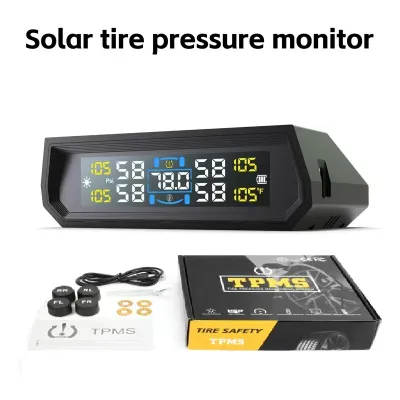
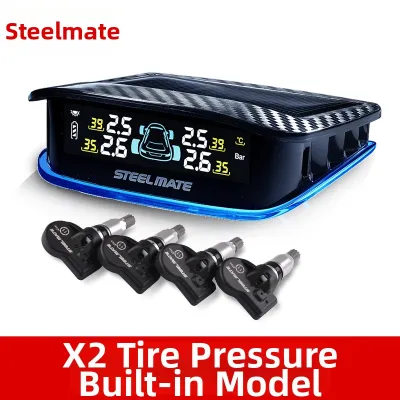
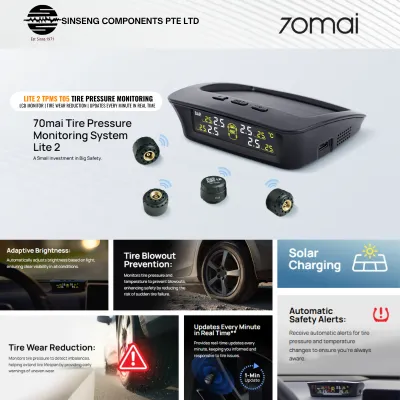
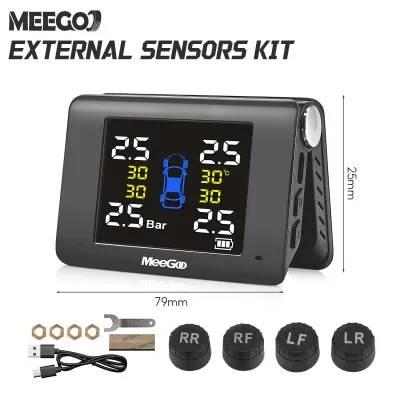
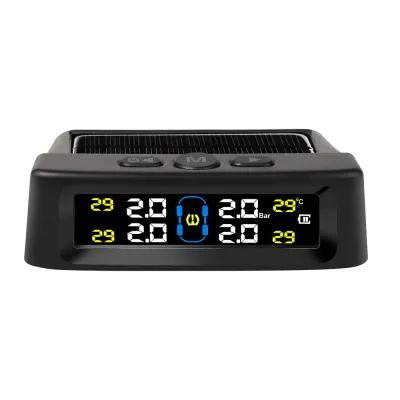

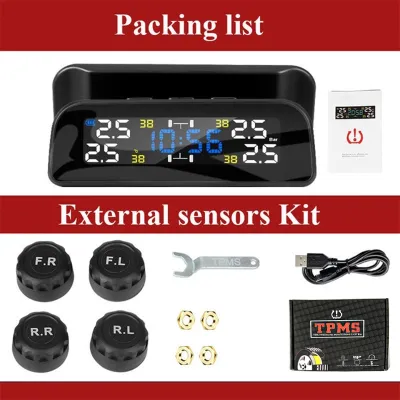
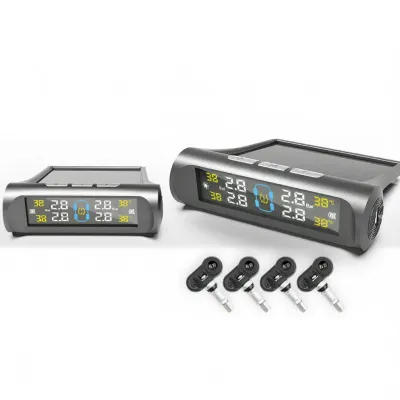
Prices are valid at publication and may change. Please refer to the product page for the latest price.
Indirect TPMS, on the other hand, does not use physical sensors inside the tires. Instead, it relies on the vehicle’s Anti-lock Braking System (ABS) wheel speed sensors to detect differences in rotational speed. An under-inflated tire has a slightly smaller diameter and rolls faster than a properly inflated one, triggering the dashboard warning. Because indirect systems rely entirely on external software calculations, they do not require physical hardware maintenance inside the wheel during a tire swap.
In vehicles equipped with direct TPMS, the sensor body is a small plastic housing containing a battery, pressure sensor, and transmitter. This housing is physically attached to the inner end of the valve stem, resting flat against the drop center of the wheel rim inside the tire cavity. Because it sits directly in the path of the tire bead, it is highly vulnerable during mounting and demounting.
During a tire swap, the technician must break the tire’s bead—the tight rubber-and-wire edge that seals the tire to the metal rim. This is done using a hydraulic bead-breaker shovel on a tire changer machine. If the shovel is positioned incorrectly, or if the tire is rotated on the machine without accounting for the sensor’s position, the heavy metal bead-breaker or the mounting head can strike the sensor body. This physical impact can easily snap the valve stem, crush the plastic casing, or destroy the delicate internal electronics.
Helping you protect these sensors, understand the service process, and budget accurately for your next tire swap is the core objective of this guide. By understanding the mechanics of the tire change and the vulnerabilities of your TPMS, you can make informed decisions at the workshop and avoid unexpected expenses.
What Happens to the Sensors During the Tire Swap Process?
A skilled technician begins the demounting process by deflating the tire completely and removing the valve core. When placing the wheel on the tire changer, the technician must position the valve stem (and thus the sensor) at a specific clock position—usually 12 o’clock or 6 o’clock relative to the bead-breaker shovel. This prevents the tire bead from pressing down on the sensor body as it is pushed off the rim.

During the demounting process, the mounting tool’s hook must be positioned carefully to avoid catching the sensor as the tire bead is lifted over the rim flange. If the technician is rushed or uses improper technique, the mounting tool can snag the sensor, snapping the stem or tearing the sensor body from its mount. This requires the technician to exercise precise control and visual verification at every stage of the process.
Every time a tire is replaced, the physical seals holding the sensor to the wheel must be refreshed. A standard TPMS service kit contains a new rubber grommet, a securing nut, a valve core, and a plastic or metal cap. Reusing old rubber components is a major risk, as these seals compress and lose their elasticity over time, leading to slow, hard-to-detect air leaks.
In Singapore’s tropical climate, characterized by high temperatures and high humidity, rubber degradation is significantly accelerated. The constant thermal cycling—shifting from hot asphalt roads during mid-day sun to sudden downpours—causes rubber grommets and seals to dry-rot, crack, and fail much faster than they would in temperate zones. Replacing these seals during every tire change is a critical safety measure to prevent slow air leaks.
When the new tire is slipped onto the rim, the technician must again pay close attention to the sensor’s position. As the tire bead is forced over the rim edge by the rotating arm of the tire changer, the high tension in the bead can catch the sensor if it is positioned in the “pinch zone.” Proper alignment ensures the bead slides smoothly past the sensor without applying lateral pressure.
If your vehicle utilizes an indirect TPMS, there are no physical sensors inside the wheels. The valve stems are standard rubber or metal stems without attached electronics. For these vehicles, a tire swap requires no physical sensor maintenance, only a manual calibration or reset of the system via the vehicle’s infotainment system or dashboard settings menu once the new tires are inflated to the manufacturer’s recommended pressures.
Do You Need to Replace or Reprogram Your TPMS Sensors?
Direct TPMS sensors are powered by small, specialized lithium-ion batteries sealed inside the molded plastic housing. Because these batteries are completely encapsulated to protect them from moisture and centrifugal forces, they cannot be replaced individually. The typical lifespan of a TPMS battery is between 5 and 10 years, or roughly 100,000 to 160,000 kilometers, depending on driving habits and climate.
If your vehicle is approaching this age and you are installing new tires, it is highly practical to replace the sensors at the same time. Doing so saves you from paying the labor fees for demounting and balancing the tires again when a sensor battery inevitably dies a few months later. Many modern diagnostic tools used by tire shops can read the remaining battery life of your sensors, allowing you to make an informed decision before the new tires are mounted.
Your vehicle’s ECU must know exactly which sensor is at which wheel position to display accurate warnings. When tires are swapped or rotated, the physical positions of the sensors change. A “relearn” procedure is required to update the ECU. Some vehicles feature automatic relearn systems that detect the new sensor positions after driving at a consistent speed for 10 to 20 minutes, while others require a manual stationary relearn.
A manual stationary relearn involves using a handheld TPMS diagnostic tool to trigger each sensor in sequence, or connecting an OBD-II scan tool to write the new sensor IDs directly to the ECU. Always verify your vehicle’s specific model, year, and interface requirements in your owner’s manual. Never assume compatibility based on generic category terms, as different model years of the same vehicle can use entirely different TPMS protocols and frequencies.
You should authorize a full sensor replacement if there are visible signs of physical damage or degradation. This includes heavy corrosion or oxidation on aluminum valve stems, cracked or chipped plastic sensor bodies, or if a diagnostic tool indicates that the internal battery voltage is low. Metal valve stems are particularly prone to galvanic corrosion when paired with brass valve cores or incorrect caps, which can cause the stem to become brittle and snap.
If replacement is necessary, you have three primary paths: OEM sensors, aftermarket direct-fit sensors, or programmable aftermarket sensors. OEM sensors offer guaranteed compatibility but often at a higher price point. Aftermarket direct-fit sensors are pre-programmed for specific vehicle models and offer a more cost-effective alternative. Programmable or “cloned” aftermarket sensors can be programmed by the technician to copy the exact identification codes of your old sensors, which often bypasses the need for a complex ECU relearn process.
How to Budget for TPMS Service When Buying New Tires
When planning your tire replacement budget in Singapore, it is important to factor in TPMS-related costs to avoid surprises.
- TPMS Service Kits: Replacing the rubber seals, grommets, and nuts typically costs between S$10 and S$30 per wheel.
- Labor and Reprogramming: A standard workshop may charge a labor fee of S$20 to S$50 for performing the electronic relearn or programming procedure, though some premium tire shops bundle this into the mounting fee.
- Full Sensor Replacement: If a sensor must be replaced, aftermarket programmable sensors generally range from S$80 to S$150 per wheel, including installation. OEM replacement sensors from authorized distributors can range from S$150 to upwards of S$300 per sensor, depending on the vehicle brand and model.
Before committing to a tire purchase, ask the workshop for a transparent, itemized quote. Specifically ask: “Does your tire replacement quote include the cost of new TPMS service kits for each wheel?” and “Is there an additional charge for reprogramming or resetting the TPMS after installation?” Clarifying these details beforehand prevents unexpected line items on your final invoice.
Metal valve stems are highly susceptible to road salt, moisture, and chemical cleaners, which can cause the securing collar or valve cap to seize onto the stem. During removal, the technician may find that the nut is completely fused to the stem. Attempting to loosen a seized metal stem often results in the stem snapping, which immediately ruins the sensor.
Because workshops cannot diagnose a seized stem until they physically attempt to disassemble it, this is a common “hidden” charge that forces an immediate sensor replacement. If your vehicle is more than five years old, or if you have noticed intermittent TPMS warning lights on your dashboard, it is highly recommended to set aside a contingency buffer of approximately S$150 to S$300 in your tire-buying budget. This ensures that if a sensor battery is found to be failing or a stem snaps during service, you can complete the repair immediately without compromising your vehicle’s safety systems.
Step-by-Step: What to Expect and Verify at the Tire Shop
Before you hand your car keys to the tire technician, turn on the ignition and check your dashboard. Note whether the TPMS warning light is illuminated, flashing, or completely off. If your vehicle displays individual tire pressures, take a quick photo of the screen. Sharing this information with the service advisor establishes a clear baseline, ensuring that any pre-existing sensor faults are documented and that no new issues are mistakenly attributed to the technician’s work.
When you collect your vehicle after the tire swap, do not be alarmed if the TPMS warning light remains illuminated or displays blank pressure readings initially. Many direct TPMS sensors enter a sleep mode when stationary to conserve battery life. They typically require a short drive—usually 5 to 10 kilometers at speeds above 30 km/h—to wake up, transmit new data, and allow the ECU to register the updated pressures.
Once you have driven the vehicle and the dashboard display has updated, perform a manual verification. Use a high-quality physical tire pressure gauge to measure the cold inflation pressure of each tire. Compare these manual readings with the values displayed on your dashboard. They should match within 1 to 2 PSI. If there is a significant discrepancy, it may indicate that the sensors were not mapped to the correct wheel positions during the relearn process.
Pay close attention to how the TPMS warning light behaves. If the light flashes continuously for 60 to 90 seconds upon starting the vehicle and then remains solid, this indicates a system malfunction—such as a damaged sensor, a dead battery, or an incomplete programming sequence. In this scenario, or if a solid warning light remains on after you have driven for more than 20 kilometers at recommended pressures, you should immediately return to the workshop. Always consult your vehicle’s owner’s manual for specific system limitations, and ensure that any diagnostic or repair work is performed by a qualified automotive professional.
Frequently Asked Questions (FAQ)
Can I reuse my old TPMS sensors with new tires?
Yes, you can absolutely reuse your existing TPMS sensors when changing tires, provided that the internal batteries are still functional and the sensor bodies show no signs of physical damage or severe corrosion. However, while the electronic sensor itself is reused, you must never reuse the old rubber seals, grommets, or securing nuts. Always insist that the workshop installs a fresh TPMS service kit for each wheel to prevent slow air leaks and protect the sensor from moisture ingress.
Why is my TPMS light on after changing tires?
A TPMS light that stays on after a tire change usually indicates one of three things. First, the tires may simply be under-inflated or over-inflated relative to the manufacturer’s specifications. Second, the vehicle’s ECU may not have completed the relearn process to recognize the new sensor positions, which typically requires a short drive. Third, if the light is flashing, it indicates a hardware or programming fault, meaning a sensor may have been damaged during installation or has a dead battery.
Do I need to replace all four sensors if only one is broken?
No, you do not need to replace all four sensors if only one is broken; a single damaged sensor can be replaced individually and programmed to match your vehicle’s specific communication protocol. However, if the failure is due to a dead internal battery and your sensors are over five years old, it is highly recommended to replace all four at once. Since the other three batteries are likely near the end of their lifespan, replacing them as a set saves you from multiple trips to the workshop and repetitive labor costs.
Community discussion
Share your experience or ask a question. Comments are reviewed before publication.