
When shopping for a new motorcycle battery, you will likely encounter the term battery cycle life prominently displayed on product specifications. This metric is one of the most critical indicators of a battery’s long-term value, yet it is frequently misunderstood. Many riders assume a cycle refers simply to starting the engine once, leading to confusion when comparing different battery technologies.
In reality, a battery cycle represents a complete round of discharging and recharging. Understanding how this specification translates to real-world riding is essential for making an informed purchase, especially when deciding between traditional lead-acid and modern lithium-ion options. Selecting the right chemistry depends heavily on your daily commute, how often your bike sits idle, and local environmental conditions.
What a Battery Cycle Actually Means
To evaluate motorcycle batteries effectively, you must first understand how manufacturers define a single battery cycle. A full cycle occurs when you discharge 100% of the battery’s usable capacity and then recharge it back to full. This does not have to happen in a single ride; rather, it is a cumulative measure of energy usage.
Products mentioned in this guide
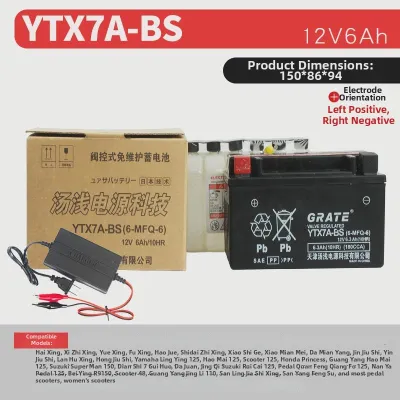
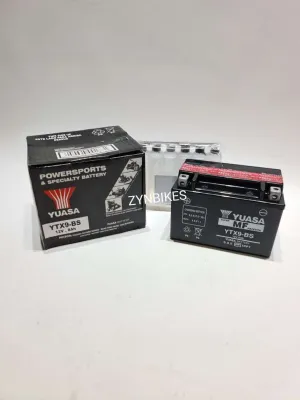
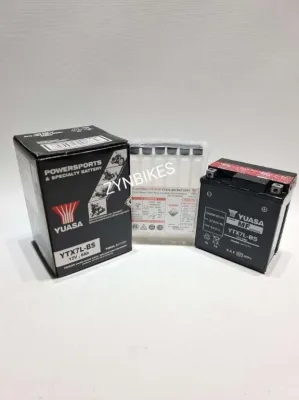
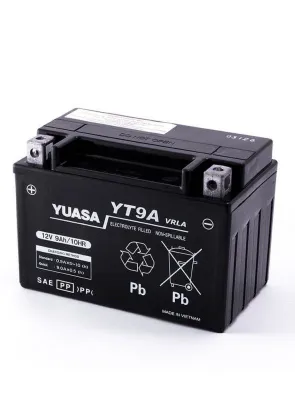
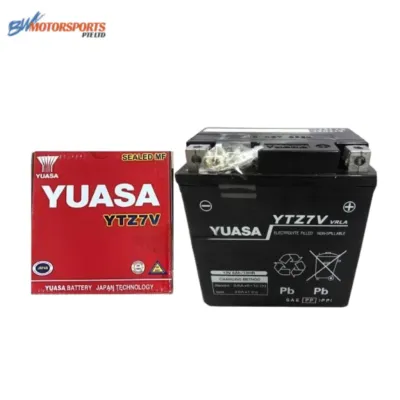
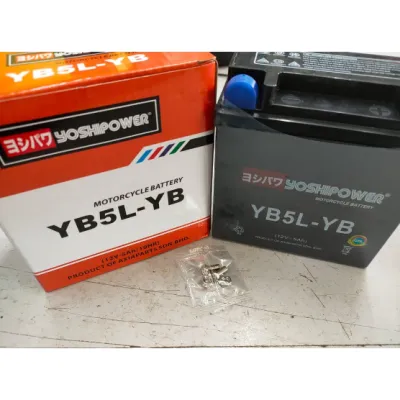
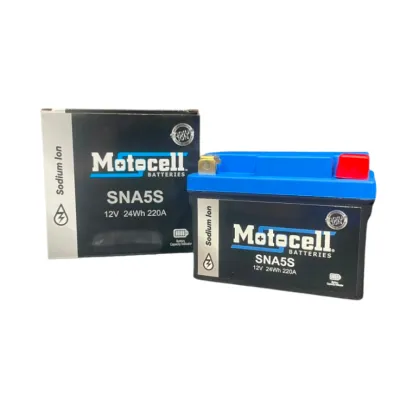

Prices are valid at publication and may change. Please refer to the product page for the latest price.
This concept is closely tied to Depth of Discharge (DoD), which refers to the percentage of the battery’s capacity that has been used. For example, if you use 50% of your battery’s capacity on a Monday, park your bike, and then use another 50% on Tuesday before the charging system fully replenishes it, those two partial discharges combine to equal exactly one full cycle.
A common misconception is that pressing the starter button and riding for a few minutes consumes a full cycle. While starting the engine requires a high-current burst from the battery, a healthy motorcycle charging system (the stator and regulator-rectifier) typically replenishes this lost energy within a few minutes of riding. Therefore, short, normal trips do not exhaust a full cycle unless the charging system is failing or the ride is too short to allow replenishment.
Lead-Acid vs. Lithium: Comparing Cycle Life Expectations
When comparing lead-acid and lithium-ion motorcycle batteries, their chemical compositions dictate vastly different cycle life expectations. Traditional lead-acid batteries, which include Absorbed Glass Mat (AGM) and Gel variants, generally offer a lower overall cycle count. Under moderate Depth of Discharge conditions, a standard lead-acid battery typically delivers between 200 and 500 cycles before its capacity degrades significantly.

Lead-acid chemistry is highly sensitive to deep discharges. If you regularly discharge a lead-acid battery past 50% of its capacity, its lifespan drops dramatically because the plates suffer from accelerated sulfation. These batteries perform best when they are kept as close to a 100% state of charge as possible, making them less forgiving of deep discharge events.
In contrast, lithium-ion motorcycle batteries—specifically Lithium Iron Phosphate (LiFePO4)—are engineered to tolerate much deeper discharges and offer significantly higher cycle counts. Under similar testing conditions, a quality lithium battery can deliver anywhere from 1,500 to over 3,000 cycles. They can routinely handle an 80% Depth of Discharge without suffering the rapid degradation that would ruin a lead-acid equivalent.
However, you must look closely at how manufacturers report these figures. Laboratory cycle ratings are highly dependent on specific testing conditions, including ambient temperature, discharge rates, and the designated Depth of Discharge. A battery rated for 2,000 cycles at a shallow 20% DoD will last a fraction of that time if subjected to a deep 80% DoD. Always check the product label or technical datasheet to verify the specific DoD percentage tied to the advertised cycle rating.
How Your Riding Habits in Singapore Affect Battery Lifespan
While laboratory specifications provide a baseline, real-world conditions in Singapore significantly alter how a battery cycle plays out. The unique combination of urban traffic patterns and a tropical climate means your actual battery lifespan may differ from the manufacturer’s ideal ratings.
For riders facing short, frequent commutes in dense stop-and-go traffic—such as navigating major expressways during peak hours—the motorcycle’s stator may not run fast enough or long enough to fully recharge the battery. Over time, this results in a state of constant undercharging. For lead-acid batteries, this chronic undercharging leads to sulfation, where lead sulfate crystals harden on the battery plates, permanently reducing its capacity and cycle life.
Infrequent riding presents a different set of challenges. When a motorcycle is parked for weeks at a time, parasitic drain from onboard electronics (like alarms, immobilisers, or dashcams) continuously draws power. If a battery is left in a deeply discharged state for an extended period, it suffers irreversible chemical damage. While a lithium battery’s low self-discharge rate helps it survive idle periods better, leaving any battery completely depleted will prematurely end its useful life.
Furthermore, Singapore’s consistent tropical heat accelerates internal chemical degradation. Battery cycle life ratings are typically calculated at a controlled laboratory temperature of 25°C. Operating a motorcycle in ambient temperatures exceeding 30°C, combined with intense engine bay heat, speeds up the chemical reactions inside the battery. This acceleration hastens corrosion and water loss in lead-acid units, and speeds up capacity loss in lithium batteries, meaning real-world lifespans are often shorter than laboratory estimates.
Beyond Cycle Count: Other Specs That Determine Durability
While cycle life is an excellent indicator of longevity, it should not be the sole metric you consider when purchasing a new motorcycle battery. Several complementary specifications directly impact how reliably the battery will perform over its lifespan.
The self-discharge rate is highly critical for riders who do not use their bikes daily. Lead-acid batteries can lose up to 15% of their charge per month at room temperature, and this rate increases in Singapore’s heat. Lithium batteries, on the other hand, typically lose only 1% to 3% of their charge per month, making them far more resilient during extended parking periods.
For lithium batteries, the presence of a high-quality Battery Management System (BMS) is non-negotiable. The BMS is an internal electronic circuit that monitors individual cell voltages, prevents over-charging and over-discharging, and protects against extreme temperatures. A robust BMS is what ensures the battery actually achieves its high advertised cycle life safely.
Finally, you must consider Cranking Amps (CA) or Cold Cranking Amps (CCA). This metric measures the battery’s ability to deliver the high-current burst required to start your engine. As a battery consumes its cycle life, its internal resistance increases, causing the available cranking amps to degrade. A battery with a high initial CCA rating will retain sufficient starting power longer into its lifecycle than a marginally rated alternative.
Frequently Asked Questions (FAQ)
Does leaving my motorcycle parked drain a full battery cycle?
Leaving your motorcycle parked does not immediately consume a full battery cycle, but the resulting passive drain can cause long-term damage. Onboard electronics and natural self-discharge slowly deplete the battery. The primary risk to cycle life occurs if the battery remains in a deeply discharged state for weeks, which causes permanent capacity loss. If you plan to park your motorcycle for more than a few weeks, connecting it to a smart battery maintainer or charger compatible with your specific battery chemistry is highly recommended to preserve its health.
Can I upgrade to a lithium battery without changing the charging system?
Upgrading to a lithium battery is often possible, but you must first verify your motorcycle’s electrical specifications. Before purchasing, check your vehicle’s manual or consult a qualified professional to ensure your stator output and regulator-rectifier are compatible. Older charging systems designed strictly for lead-acid batteries can produce voltage spikes or fail to maintain the stable voltage required by lithium cells. If the battery’s internal Battery Management System (BMS) cannot handle these fluctuations, you risk damaging the battery, compromising safety, and voiding the warranty.
Community discussion
Share your experience or ask a question. Comments are reviewed before publication.