
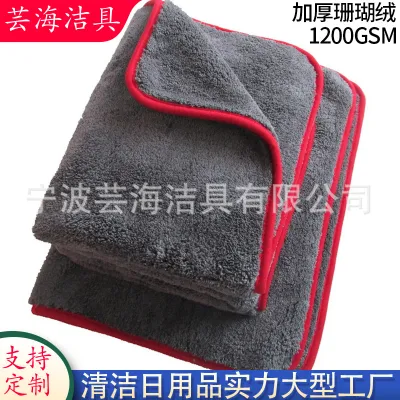
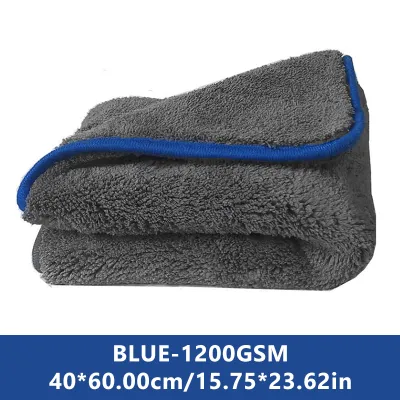
A 1200GSM microfiber cloth is an exceptionally thick, plush, and heavy-duty detailing towel designed primarily for maximum water absorption and paintwork protection. In the automotive detailing world, the “GSM” rating serves as the primary indicator of a fabric’s density and weight. While standard utility cloths typically range from 200 to 400 GSM, a 1200GSM cloth sits at the absolute premium end of the spectrum. This specification is highly valued by car enthusiasts and professional detailers who require a soft, cushioned barrier to prevent paint marring during drying and final buffing stages.
What Does the 1200GSM Specification Actually Mean?
GSM stands for Grams per Square Meter. It is a scientific unit of measurement that determines the weight of a fabric if you were to cut out a perfect one-meter by one-meter square of it. In the context of microfiber, this metric directly correlates to the density, thickness, and length of the individual synthetic loops or “piles” woven into the backing material.
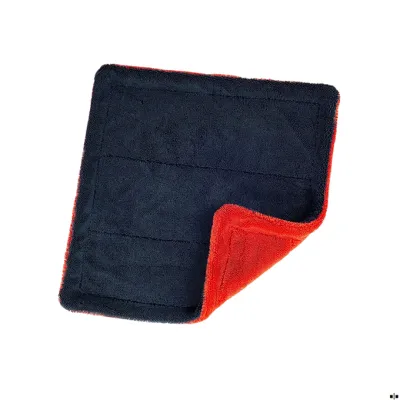
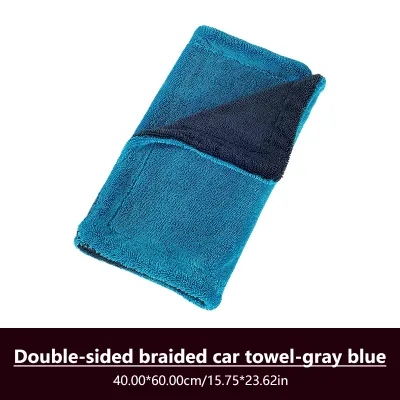
A 1200GSM microfiber towel is constructed with extremely long, dense, and tightly packed fibers, usually made from a blend of polyester and polyamide. Because there is more physical material packed into every square centimeter, the towel feels remarkably heavy and thick in your hand. While a standard 300GSM towel feels like a thin kitchen cloth, a 1200GSM towel resembles a luxurious, double-sided fleece blanket. This ultra-high density means the cloth can hold significantly more liquid and debris than its lighter counterparts, making it a specialized tool rather than a general-purpose wipe.
Products mentioned in this guide
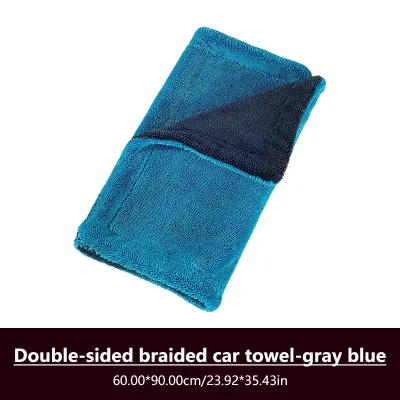
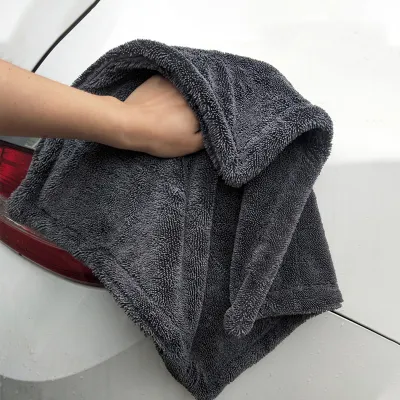
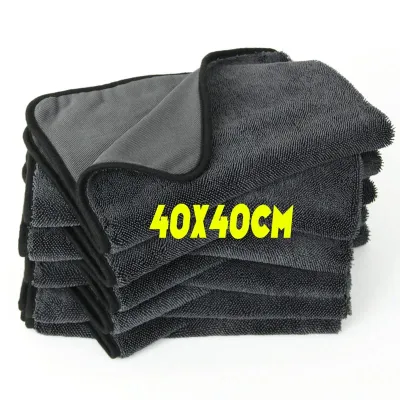
Prices are valid at publication and may change. Please refer to the product page for the latest price.
How 1200GSM Impacts Absorbency and Paint Safety
The primary advantage of a 1200GSM microfiber towel lies in its structural design, which directly enhances both water retention and paint safety. The deep, plush pile structure creates an immense surface area. Because microfiber is split during manufacturing to create microscopic channels, a denser weave containing more fibers can trap and hold several times its own weight in water. This high absorption capacity allows you to clear standing water from a vehicle’s surface with fewer passes, reducing the physical contact required to dry the paint.

When it comes to paint safety, the long, dense fibers of a 1200GSM cloth act as a safety net for your vehicle’s clear coat. When wiping a car, any microscopic dirt particles, dust, or residual polishing abrasives left on the surface can act like sandpaper under pressure. A thin, low-GSM cloth presses these contaminants directly against the paint, causing micro-scratches and unsightly swirl marks. In contrast, the deep pile of a 1200GSM towel allows these particles to sink deep into the plush fibers, lifting them completely away from the clear coat. Furthermore, the sheer thickness of the fabric provides a physical cushioning effect, distributing the pressure of your hand evenly and preventing accidental marring.
Best Car Care Applications for 1200GSM Towels
While a 1200GSM towel is a highly capable tool, its bulk and weight mean it is best reserved for specific detailing tasks where paint safety and high-volume absorption are paramount.
Drying the Vehicle Exterior
Drying is one of the most critical stages of car maintenance, particularly in tropical climates like Singapore, where high humidity and intense sun can dry tap water quickly, leaving stubborn mineral deposits or water spots behind. A 1200GSM towel is ideal for this task because its extreme absorbency allows you to dry an entire mid-sized vehicle without needing to wring the towel out a single time.
To maximize paint safety during this process, avoid scrubbing or rubbing the paint vigorously. Instead, use the “patting” or “dragging” method. Lay the large, plush towel flat across a wet panel and gently pat it to let the fibers draw up the water, or hold the towel by two corners and slowly drag it across horizontal surfaces like the bonnet and roof. This technique relies on the natural weight of the damp towel to pull water away, minimizing friction and virtually eliminating the risk of scratching.
Buffing Waxes, Sealants, and Polishes
After applying a protective wax, sealant, or polish, removing the hazy residue requires a cloth that can lift the excess product without stripping away the thin layer of protection left behind. The plush, open weave of a 1200GSM microfiber towel is perfectly suited for this delicate task.
As you glide the towel over the panel, the soft fibers gently collect the dried residue and lock it deep within the pile. Because the cloth is so thick, it does not saturate quickly, allowing you to achieve a streak-free, high-gloss finish across the entire vehicle. Always ensure you follow the chemical manufacturer’s instructions regarding curing times before buffing, and use a light touch to let the plush fibers do the work. If you are working on delicate surfaces like aftermarket vinyl wraps or matte paint finishes, verify compatibility with the vehicle manufacturer’s care instructions before proceeding.
When to Choose a Lower GSM Instead
Despite its premium feel, a 1200GSM towel is not a universal solution for every car care task. In many scenarios, its thickness and weight become distinct disadvantages.
For instance, cleaning glass and windows with a 1200GSM towel is highly inefficient. The long, plush fibers tend to shed microscopic lint on glass surfaces, and the bulky fabric makes it difficult to apply the firm, even pressure required to cut through road film and achieve a streak-free finish. For windows, a low-pile glass towel or a waffle-weave microfiber (typically around 300 to 400 GSM) is much more effective.
Similarly, 1200GSM towels are poorly suited for interior detailing. The bulky fabric cannot easily fit into tight crevices, air vents, or dashboard seams, and the long fibers are prone to snagging on sharp plastic trim, clips, or steering wheel buttons.
Finally, you should never use a high-GSM towel on wheels, tires, or engine bays. These areas accumulate heavy brake dust, grease, and road grime. This heavy contamination will instantly clog and ruin the expensive, plush fibers of a 1200GSM towel, making it incredibly difficult to wash clean. For these dirty utility tasks, inexpensive, low-GSM (300 to 400) utility towels are the practical choice.
Washing and Maintaining High-GSM Microfiber
To preserve the softness, absorbency, and structural integrity of a premium 1200GSM towel, proper maintenance is essential. Improper washing can permanently damage the delicate synthetic fibers, turning a plush paint-safe cloth into a rough rag. While premium 1200GSM towels often represent a higher upfront investment—typically ranging from S$15 to S$30 per towel in Singapore—proper care ensures they maintain their performance over hundreds of wash cycles.
First, always wash your high-GSM microfiber towels separately from cotton garments, bath towels, or standard laundry. Cotton sheds lint, which will become permanently trapped in the dense microfiber pile, ruining its paint-safe properties. You should also separate your detailing towels by task, washing dirty wheel towels separately from your premium drying and buffing cloths.
Second, never use fabric softeners or bleach. Fabric softeners work by coating fibers with a thin layer of chemical lubricants, which will clog the microscopic channels in the microfiber and completely destroy its water absorbency. Bleach, on the other hand, is too harsh and will break down the synthetic polyester and polyamide fibers over time.
Instead, use a mild, liquid detergent—ideally a dedicated microfiber wash solution—free of perfumes, dyes, or optical brighteners. Wash the towels on a warm or cold cycle. When drying, either air-dry them in a clean, dust-free environment or tumble-dry on a low-heat setting. Avoid high heat at all costs, as synthetic microfiber is essentially plastic and can easily melt or scorch, causing the fiber tips to harden and scratch your car’s paint during the next use.
Frequently Asked Questions (FAQ)
Is a higher GSM always better for car washing?
No, a higher GSM is not a universal indicator of quality, but rather a measure of task suitability. While a 1200GSM towel is exceptional for drying and buffing, lower GSM towels (typically 300 to 500 GSM) are far better suited for general cleaning, interior wiping, and applying quick detailers, where agility, precise pressure, and a thinner profile are required.
Can I use a 1200GSM towel on car windows?
It is not recommended to use a 1200GSM towel on car windows. The exceptionally long and plush fibers are highly prone to leaving lint behind on glass, and the thick, cushioned fabric makes it difficult to apply the firm, even pressure needed to remove stubborn glass haze. For streak-free windows, opt for a dedicated low-pile glass towel or a waffle-weave microfiber.
Community discussion
Share your experience or ask a question. Comments are reviewed before publication.