
When selecting engine oil, the sequence of numbers and letters on the bottle can seem like a complex code. Among the most common grades found on workshop shelves is 10w40. Understanding what this rating means is essential for maintaining your engine’s health, ensuring efficient lubrication, and preventing premature component wear. This multi-grade oil is engineered to perform across a wide temperature spectrum, balancing the need for quick flow during startup with the necessity of a thick, protective barrier under high operating heat.
Decoding the 10w40 Viscosity Rating
The classification system for motor oil viscosity is established by the Society of Automotive Engineers (SAE). Viscosity refers to a fluid’s resistance to flow; a low-viscosity oil is thin and flows quickly, whereas a high-viscosity oil is thick and flows slowly. The SAE J300 standard assigns numerical grades to these flow characteristics, allowing drivers and mechanics to identify the correct oil for specific operating conditions.
The “10W” portion of the grade designates the oil’s low-temperature viscosity. The “W” stands for Winter, indicating how easily the oil can be pumped and how well it resists thickening at cold temperatures. A lower number before the “W” means the oil remains fluid at lower temperatures, reducing the drag on the starter motor and ensuring rapid oil circulation when the engine is first turned on.
Products mentioned in this guide
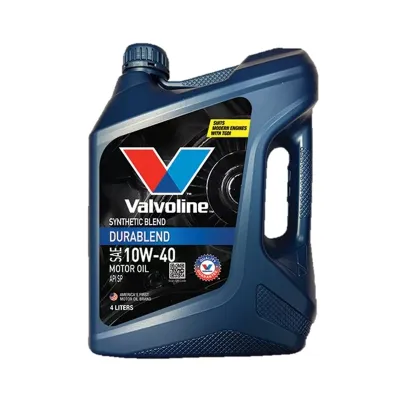
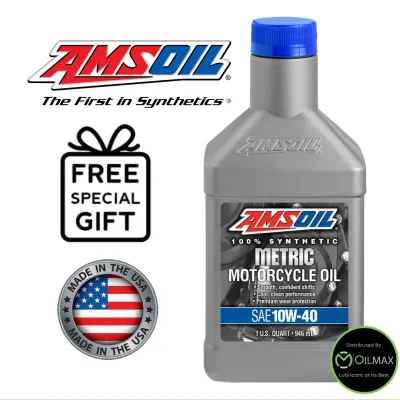
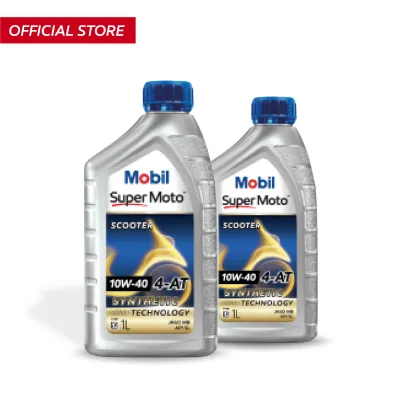
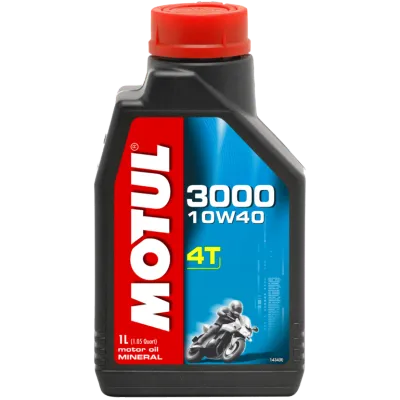
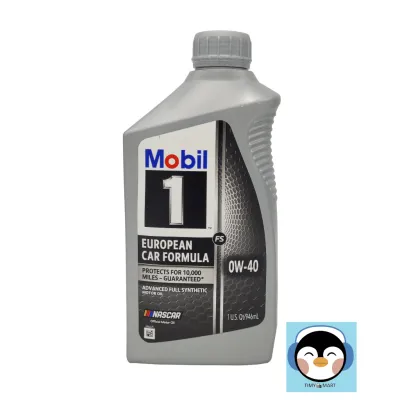
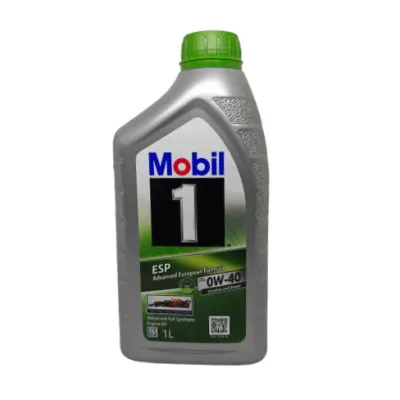
Prices are valid at publication and may change. Please refer to the product page for the latest price.
The “40” portion represents the oil’s kinematic viscosity measured at a standardized engine operating temperature of 100°C. This number indicates the oil’s thickness and film strength when the engine is fully warmed up. A higher number signifies a thicker oil film that is more resilient under high thermal loads, preventing direct metal-on-metal contact when the engine is running hot.
Because 10W-40 is a multi-grade oil, it is formulated using viscosity index improvers. These are specialized polymer additives that expand as the oil heats up, slowing down the rate at which the oil thins out. This unique behavior allows a single oil to flow like a 10-weight oil in cold conditions while protecting like a 40-weight oil once the engine reaches its normal operating temperature.
How 10W-40 Affects Engine Protection and Performance
The viscosity of your motor oil directly influences how well your engine is protected against wear and how efficiently it operates. During a cold start, the engine is highly vulnerable because gravity has pulled most of the oil back down into the oil pan. The 10W rating ensures that the oil pump can quickly draw the fluid and distribute it through the oil galleries to critical upper-engine components, such as the camshaft, valve train, and lifters. Rapid lubrication at startup prevents dry friction, which is responsible for a significant portion of lifetime engine wear.

Once your vehicle reaches its normal operating temperature, the 40-grade component of the oil becomes the primary line of defense. The intense heat and pressure inside the combustion chambers, cylinder walls, and crankshaft bearings require a robust lubricating film. A 40-grade oil maintains a stable barrier that resists shearing under heavy loads and high RPMs. This prevents the oil film from tearing, which would otherwise allow metal components to rub directly against one another, causing severe internal damage.
However, using a 40-grade oil involves distinct performance and efficiency trade-offs. Because a 40-weight oil is thicker at operating temperature than modern 20-weight or 30-weight oils, it creates more fluid friction within the engine. The oil pump must work harder to circulate the thicker fluid, resulting in minor parasitic energy loss. For engines specifically designed to run on thinner oils, this added resistance can lead to a slight decrease in fuel economy and a minor reduction in overall engine responsiveness.
Is 10W-40 Right for Your Car in Singapore's Climate?
Evaluating motor oil suitability requires looking at your local driving environment. In Singapore, the tropical climate presents unique operating conditions characterized by consistent ambient temperatures ranging from 25°C to 34°C year-round, high humidity, and dense, stop-and-go traffic.
Because Singapore does not experience freezing winter temperatures, the cold-start flow properties indicated by the “10W” prefix are more than sufficient. The oil will never encounter sub-zero conditions where a 10W rating would restrict flow. Consequently, the winter rating is less critical for local drivers than it is for those in temperate regions, making the cold-start performance of a 10W oil highly reliable under local ambient conditions.
The “40” rating, however, is highly relevant in a tropical climate. High ambient temperatures, combined with prolonged idling on congested expressways, can cause under-hood temperatures to rise significantly. A 40-grade oil provides an extra margin of safety by retaining its viscosity under these high-heat conditions. This makes it particularly beneficial for older vehicles or high-mileage engines where internal clearances have widened due to years of wear. The thicker oil film helps seal the gaps between worn piston rings and cylinder walls, maintaining compression and oil pressure.
In contrast, modern vehicles popular on Singapore’s roads are increasingly engineered with incredibly tight manufacturing tolerances. Many newer engines are designed specifically for low-viscosity oils, such as 0W-20 or 5W-30, to optimize fuel efficiency and reduce carbon emissions. Using a thicker 10W-40 oil in an engine designed for a thinner grade can lead to poor oil circulation through narrow passages. This can starve critical components of lubrication, impair the operation of hydraulic actuators in Variable Valve Timing (VVT) systems, and increase operating temperatures due to poor heat dissipation.
How to Verify the Correct Oil for Your Vehicle
Selecting the wrong motor oil viscosity can lead to accelerated engine wear, reduced performance, or even voided manufacturer warranties. Before purchasing any lubricant, follow this verification process to ensure compatibility with your vehicle.
First, consult your vehicle owner’s manual. This document is the absolute authority on your engine’s requirements, detailing the precise viscosity grades recommended for different ambient temperature ranges, along with the necessary performance specifications.
Second, inspect the oil filler cap located under the hood of your car. Manufacturers often print the factory-recommended viscosity grade directly onto the cap for quick reference during routine maintenance.
Third, verify the oil’s performance specifications and Original Equipment Manufacturer (OEM) approval codes on the back of the bottle. Viscosity is only one part of the equation; the oil must also meet specific industry standards (such as API SP or ACEA A3/B4) or proprietary manufacturer approvals (such as Mercedes-Benz MB 229.5 or BMW Longlife-01) to ensure the additive package is compatible with your engine’s seals and emissions systems.
Never deviate from the manufacturer’s recommended viscosity grade based on informal forum advice or anecdotal recommendations. If your engine is experiencing issues such as oil consumption, visible smoke from the exhaust, leaks, or low oil pressure, do not attempt to mask these mechanical problems by switching to a thicker oil like 10W-40. Instead, schedule a professional diagnosis with a qualified mechanic at a reputable workshop to address the root cause of the issue safely.
Frequently Asked Questions (FAQ)
Can I mix 10W-40 with 5W-30 motor oil?
In an absolute emergency—such as when your oil level is dangerously low and you risk running the engine dry—mixing 10W-40 with 5W-30 is acceptable, provided they share the same base oil type (for example, both are synthetic or both are conventional). However, doing so will alter the viscosity and additive balance of the oil in your engine in an unpredictable manner. The resulting mixture will not perform exactly like either grade, potentially reducing protection at extreme temperatures. You should avoid making this a habit and schedule a professional oil and filter change to the manufacturer’s specified grade as soon as possible.
Will switching to 10W-40 stop my engine from burning oil?
Switching to a thicker oil like 10W-40 may temporarily reduce oil consumption in a heavily worn, high-mileage engine because the thicker fluid is less likely to slip past worn valve guides or piston rings. However, this is not a permanent fix and does not repair the underlying mechanical wear. Relying on a thicker oil to mask mechanical degradation can lead to excessive carbon deposits, clogged oil passages, and increased wear on other engine components due to restricted flow. If your vehicle is burning oil, consult a qualified mechanic for a proper diagnosis and repair plan rather than trying to solve the issue with a different viscosity grade.
Community discussion
Share your experience or ask a question. Comments are reviewed before publication.