
When you look at a bottle of motor oil, the alphanumeric codes on the label can seem like a foreign language. Among these, the 10w40 viscosity grade is one of the most recognizable, historically serving as a staple for a wide range of passenger vehicles. At its core, this rating tells you how the oil flows at both freezing and running temperatures, directly impacting how well your engine is protected from friction and wear. Understanding these numbers is crucial because using the wrong oil can lead to sluggish performance, increased fuel consumption, or even severe engine damage.
To determine if this specific oil is correct for your vehicle, you must look beyond general assumptions about climate or age. While local driving conditions play a role, your vehicle manufacturer’s engineering specifications are the ultimate authority. This guide breaks down exactly what the numbers mean, how multi-grade oils behave under heat, and how to verify if this grade suits your car’s engine.
Decoding the 10W-40 Viscosity Rating
The alphanumeric code on a motor oil bottle represents its viscosity grade, established by the Society of Automotive Engineers (SAE). Viscosity refers to a fluid’s resistance to flow; a low-viscosity oil flows quickly like water, while a high-viscosity oil is thick and slow-moving like honey. Because car engines experience extreme temperature shifts from cold starts to high-speed highway driving, they require multi-grade oils that can adapt to these changes.
Products mentioned in this guide
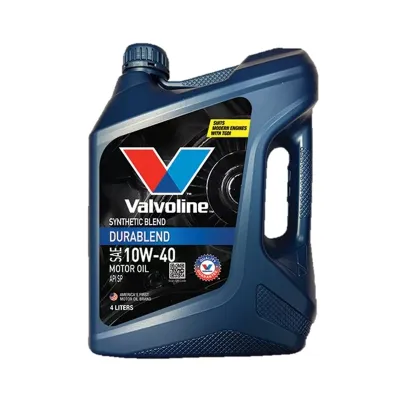
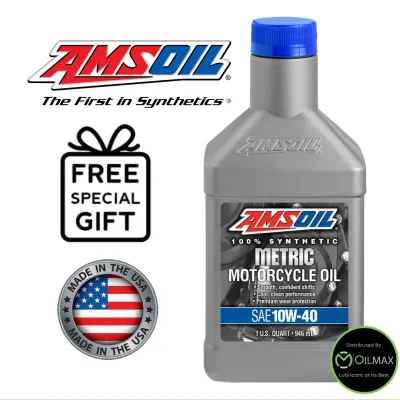
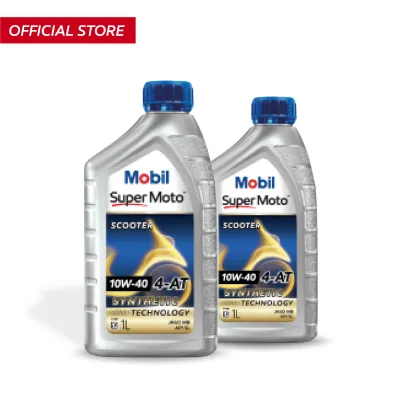
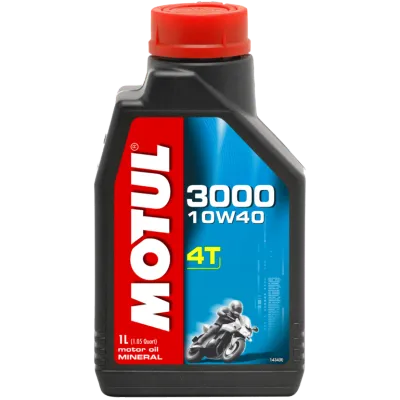
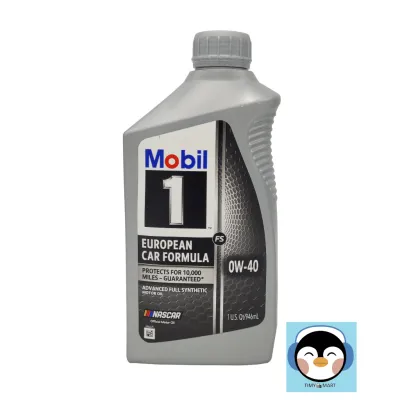
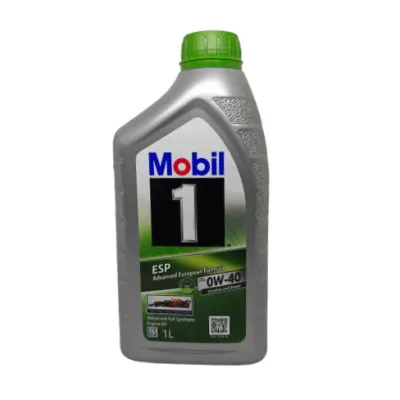
Prices are valid at publication and may change. Please refer to the product page for the latest price.
The first part of the rating, “10W”, designates the oil’s cold-temperature performance. The “W” stands for “Winter,” not weight, as is commonly mistaken. The number preceding the W indicates the oil’s flowability and pumpability at low temperatures. A lower number before the W means the oil remains more fluid in cold weather, allowing the oil pump to distribute it rapidly to vital engine parts during a cold start, which is when the majority of engine wear occurs.
The second part of the rating, “40”, represents the oil’s high-temperature operating viscosity. This number is measured at 100°C, which is the typical operating temperature of a fully warmed-up internal combustion engine. A rating of 40 indicates a thicker, more robust oil film at high temperatures compared to a 30 or 20 grade oil. This thicker film provides a strong protective barrier between moving metal parts under high thermal stress.
Multi-grade oils achieve this dual-temperature performance through the addition of viscosity index (VI) improvers. These are polymer additives that expand as the oil heats up, preventing the fluid from thinning out too rapidly. Conversely, as the temperature drops, these polymers contract, allowing the base oil to flow freely. This chemical engineering ensures the oil remains thin enough to protect during startup but thick enough to prevent metal-on-metal contact at operating speeds.
Is 10W-40 the Right Choice for Your Vehicle?
Selecting the correct motor oil is not a matter of personal preference or general climate trends. The primary and most authoritative sources for this information are your vehicle’s Owner’s Manual and the oil filler cap located under the hood. Car manufacturers spend years testing engines to determine the exact viscosity that balances protection, fuel efficiency, and hydraulic pressure.

In tropical regions like Singapore, a common automotive misconception persists that the consistently hot, humid ambient climate demands a thicker oil like 10W-40. Many drivers assume that thin oils will break down under local road heat. However, modern engines are engineered with extremely tight internal clearances between moving parts. These modern powerplants are designed to run on low-viscosity oils, such as 0W-20 or 5W-30, which circulate rapidly and maintain the precise hydraulic pressure required for advanced engine components. Using a thicker oil simply because the weather is hot can actually starve these tight clearances of necessary lubrication.
Departing from your manufacturer’s recommended viscosity carries distinct mechanical risks. If the oil you use is too thick for your engine’s design, you may experience:
- Increased engine drag: Thicker oil requires more energy to pump, which directly translates to reduced fuel economy and sluggish acceleration.
- Poor cold-start lubrication: Even in warm climates, an oil that is too viscous takes longer to reach the top of the engine during startup, leaving components temporarily unprotected.
- Elevated operating temperatures: Slow-circulating oil cannot carry heat away from engine components efficiently, potentially leading to localized overheating.
Conversely, using an oil that is too thin for an engine designed for 10W-40 can result in:
- Accelerated wear: The oil film may shear under high loads, leading to direct metal-to-metal contact.
- Low oil pressure: Thin oil may flow too freely through wider clearances, failing to build the pressure needed to trigger hydraulic tensioners or actuators.
- Oil consumption and leaks: Thinner oil can easily slip past worn piston rings or valve seals, burning off in the combustion chamber.
When 10w40 is Typically Recommended
While many modern passenger cars have shifted toward thinner synthetic oils, 10W-40 remains highly relevant for specific engine categories and operating scenarios. It is not an obsolete grade, but rather a specialized one suited for distinct mechanical designs.
Older vehicles and classic cars manufactured before the era of ultra-tight tolerances frequently specify 10W-40. These older engines feature wider clearances between the bearings, pistons, and cylinder walls. A thicker oil film is physically necessary to fill these gaps, cushion the moving components, and maintain adequate oil pressure across the system.
High-mileage engines that have accumulated significant wear over years of operation also benefit from this viscosity. As internal components wear down, clearances naturally widen. This can lead to symptoms like minor oil leaks, increased oil consumption (burning oil), or a drop in compression. Switching to a slightly thicker oil like 10W-40, if permitted by the manufacturer’s alternative viscosity chart, can help seal these larger clearances, reduce oil consumption, and quieten noisy engine components.
Additionally, 10W-40 is often recommended for heavy-duty applications, commercial utility vehicles, or older motorcycles with integrated wet clutches. Under heavy loads or prolonged high-temperature operations, the robust film strength of a 40-weight oil ensures the lubricant does not shear or break down. However, even in these scenarios, you must verify that 10W-40 is listed as an approved alternative in the vehicle’s documentation before making a change.
How to Verify and Switch Your Motor Oil Safely
Before purchasing any motor oil, you must perform a systematic check to confirm compatibility with your vehicle. This ensures you maintain your engine’s health and preserve any active manufacturer warranties.
To verify your required oil specification, follow these steps:
- Inspect the oil filler cap: Locate the cap on top of the engine block; many manufacturers print the recommended viscosity grade directly onto it.
- Consult the Owner's Manual: Look up the "Engine Oil" or "Specifications" section in your physical or digital manual. This section will detail the required viscosity, API (American Petroleum Institute) or ACEA service classifications, and any manufacturer-specific approvals.
- Review previous service records: Check the invoice or windshield sticker from your last professional oil change to see what grade was previously installed.
When transitioning your vehicle to a different viscosity grade, avoid mixing different oils during a routine top-up. Adding a quart of 10W-40 to an engine currently filled with 5W-30 alters the overall viscosity and can disrupt the carefully balanced additive packages of both oils. Instead, perform a complete oil and filter change. This involves draining the old oil fully, replacing the oil filter with a fresh unit, and refilling the crankcase with the new, approved viscosity grade.
Always observe safety and mechanical boundaries. If you cannot find your vehicle’s manual, if the engine has aftermarket modifications, or if you notice severe symptoms like persistent engine knocking, excessive oil consumption, or thick sludge under the filler cap, do not attempt to change oil grades on your own. Stop and consult a qualified professional mechanic to diagnose the underlying issues before proceeding.
Frequently Asked Questions (FAQ)
Can I mix 10W-40 with 5W-30 motor oil?
In an emergency where your engine’s oil level is dangerously low, topping up with any clean motor oil is better than running the engine dry, which would cause immediate, catastrophic damage. However, mixing 10W-40 with 5W-30 alters the overall viscosity and dilutes the specific additive packages of each oil. This compromise reduces the oil’s performance and protective capabilities. You should schedule a complete oil drain, flush, and filter replacement as soon as possible to restore the engine to its correct single-viscosity specification.
Will using 10W-40 instead of 5W-30 damage my modern engine?
Yes, using 10W-40 in an engine designed specifically for 5W-30 can cause long-term damage and operational issues. The thicker oil will not flow quickly enough through the tight clearances of a modern engine, especially during cold starts. This delayed flow starves critical components of lubrication. Furthermore, modern engines equipped with variable valve timing (VVT) systems rely on precise oil pressure to actuate internal components; using an incorrect, thicker viscosity can trigger check engine lights, reduce fuel economy, and cause premature wear on sensitive valvetrain parts.
Community discussion
Share your experience or ask a question. Comments are reviewed before publication.