
Choosing the right motor oil is one of the most critical decisions you can make to ensure the longevity and performance of your vehicle’s engine. Among the various options on the shelf, 10W-30 is a widely recognized multi-grade oil designed to protect internal components across a range of temperatures. Understanding what these numbers mean allows you to make an informed decision rather than relying on guesswork. Whether 10W-30 is suitable for your specific car depends on several factors, including your manufacturer’s design specifications, local driving conditions, and the age of your engine.
Decoding the 10W-30 Viscosity Rating
The alphanumeric code on a motor oil bottle represents its viscosity grade, which is established by the Society of Automotive Engineers (SAE). In the designation 10W-30, the letter “W” stands for “Winter.” The number preceding it, “10,” indicates the oil’s flow characteristics and resistance to thickening at low temperatures. A lower number before the “W” means the oil remains more fluid in freezing conditions, allowing it to circulate quickly and protect the engine during cold starts.
The second number, “30,” represents the oil’s kinematic viscosity at 100 degrees Celsius, which is the standard operating temperature of a fully warmed-up engine. This number indicates how thick the oil remains under intense heat, ensuring a protective film covers moving parts.
Products mentioned in this guide
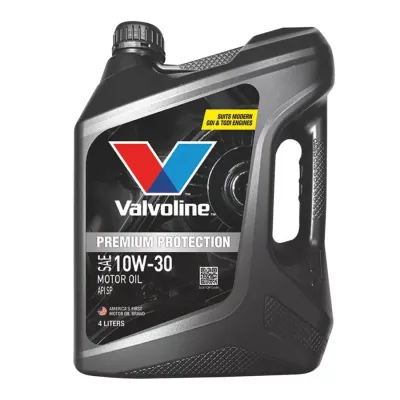
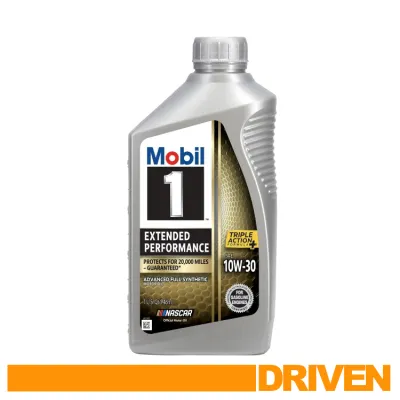
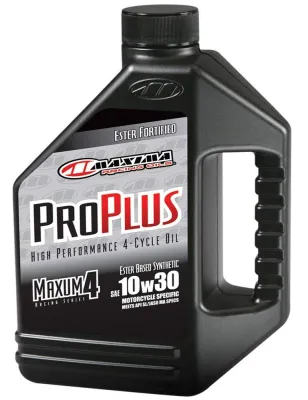
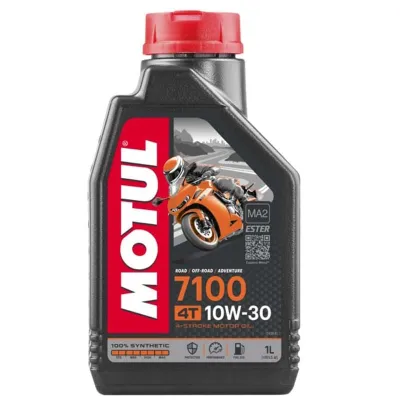
Prices are valid at publication and may change. Please refer to the product page for the latest price.
Viscosity is not a matter of “thicker is better” or “thinner is better.” Instead, it is about matching the precise internal clearances of your engine. Modern engines are built with incredibly tight tolerances, meaning the spaces between moving metal parts are microscopic. An oil that is too thick cannot flow into these tight spaces, leading to increased friction and wear. Conversely, an oil that is too thin may fail to maintain a strong enough protective barrier under high loads, leading to metal-on-metal contact.
How to Determine If 10W-30 Is Suitable for Your Vehicle
The primary rule for selecting motor oil is to consult your vehicle’s owner’s manual or check the oil filler cap. Manufacturers spend years engineering and testing engines to determine the exact viscosity grade required to maintain optimal oil pressure, fuel efficiency, and component protection. Deviating from these recommendations can void your vehicle’s warranty and lead to premature engine wear.

Climate plays a significant role in how motor oil behaves inside your engine. In a tropical climate like Singapore, ambient temperatures remain consistently warm throughout the year. Because you do not experience freezing winter starts, the cold-flow rating of “10W” is perfectly functional for daily driving. However, many modern engines operating in warm climates still specify lower cold-start viscosities, such as 0W-20 or 5W-30, to reduce internal drag and improve fuel economy during the initial startup phase. Always verify if your manufacturer permits alternative grades for tropical regions before making a switch.
Engine mileage is another factor that drivers often consider when choosing oil. As an engine accumulates high mileage, internal components can experience gradual wear, which may slightly widen the clearances between moving parts. Some vehicle owners assume they should automatically switch to a heavier oil like 10W-30 to compensate for this wear or to quieten noisy valves. However, blindly increasing viscosity can restrict oil flow to critical areas, especially during startup. Any decision to alter viscosity based on engine wear should be guided by manufacturer documentation or a qualified automotive professional.
Comparing 10W-30 with Other Common Viscosity Grades
Understanding how 10W-30 compares to other common viscosity grades helps prevent improper mixing and ensures you choose the correct level of protection.
When comparing 10W-30 to 5W-30, both oils share the same high-temperature viscosity rating of “30.” This means they provide identical protection and film strength once the engine reaches its normal operating temperature. The difference lies in their cold-start performance, where 5W-30 flows more easily in freezing temperatures than 10W-30. In tropical climates, this difference is negligible, though 5W-30 may still offer minor fuel efficiency advantages during the first few minutes of driving.
Comparing 10W-30 to 10W-40 reveals a difference in high-temperature thickness. While both oils perform similarly during a cold start, 10W-40 remains thicker and more resistant to thinning under extreme heat. A manufacturer might specify 10W-40 for heavy-duty applications, towing, or specific older engine designs. Using 10W-40 in an engine designed for 10W-30 can increase internal resistance, which raises operating temperatures and reduces fuel economy.
Mixing different viscosity grades or base oil types should generally be avoided. While modern motor oils are formulated to be compatible in emergency situations, mixing them can alter the intended viscosity profile and dilute the specialized additive packages. This can compromise the oil’s ability to protect your engine over a full service interval. If you must top up your engine with a different viscosity grade in an emergency, it is advisable to perform a complete oil and filter change as soon as possible.
Key Specifications Beyond Viscosity to Check on the Label
Viscosity is only one aspect of choosing the correct motor oil for your vehicle. You must also verify that the oil meets the necessary industry certifications and performance standards.
Look for the American Petroleum Institute (API) service symbol, often called the “donut,” or the International Lubricant Standardization and Approval Committee (ILSAC) certification mark on the label. These symbols indicate that the oil has passed rigorous testing to meet current standards for wear protection, sludge prevention, and emission system compatibility.
In addition to industry-wide standards, many modern vehicles require oils that meet specific Original Equipment Manufacturer (OEM) approvals. Brands often have proprietary oil specifications that address the unique engineering demands of their engines. A generic 10W-30 oil might not carry these specific approvals, even if the viscosity matches. Always check the back label of the oil bottle to ensure it lists the exact OEM specification required by your owner’s manual.
Finally, consider the base oil type, which can be conventional, synthetic blend, or full synthetic. Full synthetic oils offer enhanced thermal stability, better resistance to oxidation, and longer service life, making them highly suitable for modern engines and demanding driving conditions. Synthetic blends offer a balance of performance and cost, while conventional oils are typically reserved for older, less demanding engines. Refer to your manual to see if synthetic oil is mandatory for your vehicle.
Frequently Asked Questions (FAQ)
Can I use 10W-30 instead of 5W-30 in a tropical climate?
In a tropical climate where ambient temperatures do not drop to freezing, a 10W-30 oil will flow adequately during startup. However, modern engines are engineered with precise tolerances that rely on the specific flow characteristics of 5W-30 to optimize fuel efficiency and minimize wear from the moment the engine turns over. Unless your owner’s manual explicitly lists 10W-30 as an acceptable alternative for warm climates, you should stick to the recommended 5W-30.
Is 10W-30 good for high-mileage engines?
A 10W-30 oil can be suitable for high-mileage engines if that viscosity is recommended by the vehicle manufacturer. However, simply having high mileage does not mean you should automatically switch to 10W-30. If your engine is experiencing oil consumption or minor leaks, a dedicated high-mileage oil formulation in your vehicle’s recommended viscosity is usually a better choice. These oils contain seal conditioners to help stop leaks and extra anti-wear additives, without altering the engine’s required flow characteristics.
Community discussion
Share your experience or ask a question. Comments are reviewed before publication.