
Maintaining a vehicle’s exterior in pristine condition requires understanding the distinct roles of different paint care treatments. Car owners often find themselves choosing between waxing, ceramic coating, and polishing, yet these procedures serve entirely different purposes. While some processes restore damaged paint, others shield healthy paint from environmental degradation. Selecting the wrong treatment can lead to wasted effort, unnecessary expenses, or even permanent damage to your vehicle’s clear coat.
To make an informed decision, you must first determine whether your car’s paint needs correction or protection. Polishing is a corrective treatment designed to smooth out imperfections, whereas waxing and ceramic coatings are protective barriers applied over the paint. In tropical environments characterized by intense UV radiation, high humidity, and sudden heavy downpours, choosing the right combination of these methods is essential for preventing oxidation, paint fading, and water spotting.
The ideal paint care strategy depends on your budget, your willingness to perform regular maintenance, and the current condition of your vehicle’s paintwork. A neglected vehicle with visible swirl marks and scratches will require a different approach than a brand-new car straight from the showroom. By understanding how these methods interact, you can establish a maintenance routine that preserves your car’s aesthetic appeal and resale value over the long term.
Products mentioned in this guide
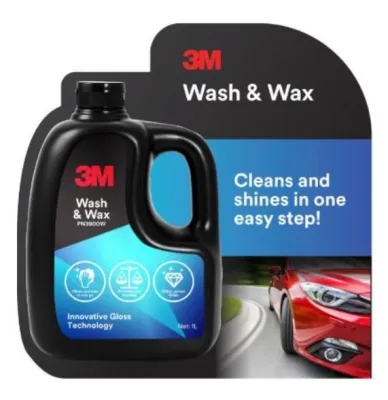
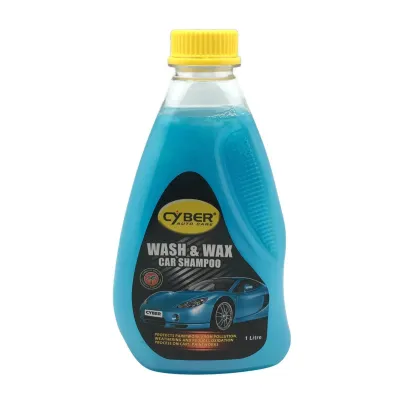
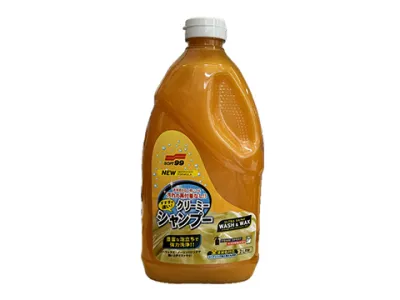
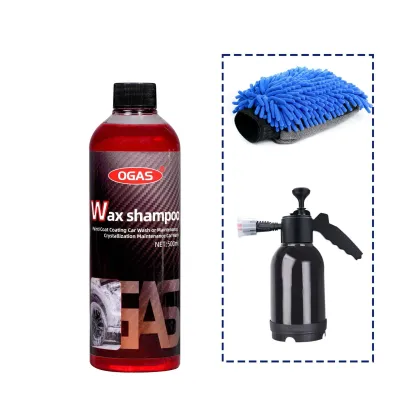
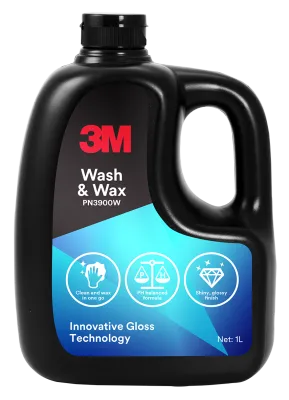
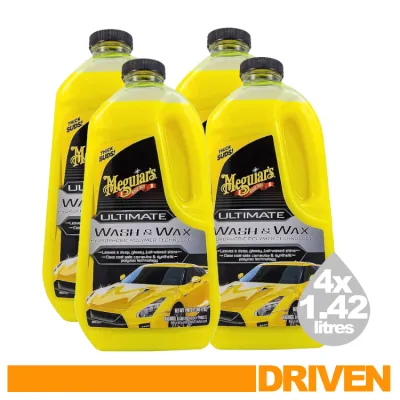
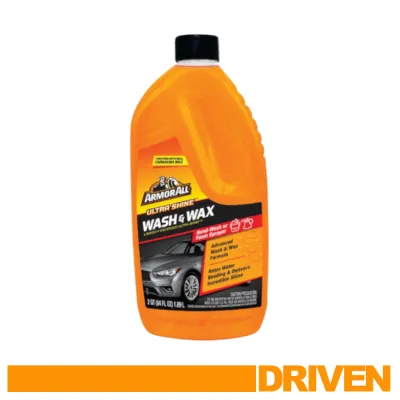
Prices are valid at publication and may change. Please refer to the product page for the latest price.
Understanding the Core Differences: Correction vs. Protection
To build an effective car care routine, you must distinguish between paint correction and paint protection. Polishing is strictly a corrective, abrasive process. It does not add a protective layer to the vehicle; instead, it removes a microscopic layer of the clear coat to level the surface. This leveling action eliminates fine scratches, swirl marks, haze, and oxidation, restoring the paint’s original clarity and depth. Because polishing exposes fresh paint, leaving the surface unprotected after polishing will make it highly vulnerable to environmental damage.
In contrast, waxing is a traditional form of paint protection that acts as a temporary, sacrificial barrier. Car wax, typically formulated from natural carnauba or synthetic polymers, sits on top of the clear coat rather than bonding with it. This layer fills in minor microscopic imperfections to enhance gloss while providing short-term hydrophobic properties that help water bead off the surface. Because it does not chemically bond to the paint, wax gradually wears away under the influence of heat, friction, and detergents.
Ceramic coating represents an advanced level of paint protection. Composed of liquid polymers, usually silica or silicon dioxide compounds, ceramic coatings chemically bond with the vehicle’s factory paint at a molecular level. Once cured, this liquid forms a semi-permanent, highly durable glass-like layer over the clear coat. This barrier offers superior resistance to chemical stains, UV rays, and environmental contaminants compared to traditional waxes, while creating an extremely hydrophobic surface that repels water and dirt.
It is a common misconception that polishing, waxing, and ceramic coating are mutually exclusive alternatives. In reality, polishing is often a mandatory preparation step rather than an alternative to protection. Applying a wax or a ceramic coating over damaged, oxidized paint will simply seal in those defects, preventing the protective layer from bonding correctly. For the best results, polishing should be used to perfect the paint surface, followed immediately by the application of a wax or ceramic coating to lock in the shine and protect the restored finish.
Comparing Protection, Durability, and Maintenance Effort
The choice between these methods heavily influences how often you will need to care for your vehicle and how well the paint resists daily wear. Traditional car wax offers a relatively short lifespan, typically requiring reapplication every few weeks to a few months depending on environmental exposure. In regions with intense tropical heat, high humidity, and frequent heavy rain, the degradation of natural carnauba wax accelerates significantly. The high surface temperatures of a car parked under direct sunlight can cause traditional wax to soften and wash away quickly during a heavy downpour.

Ceramic coatings offer vastly superior durability, often lasting for several years when properly applied and maintained. However, this longevity requires strict, manufacturer-specific upkeep to prevent the coating from becoming clogged with road grime and mineral deposits. While a ceramic-coated car is much easier to wash because dirt struggles to cling to the hydrophobic surface, you cannot simply ignore it. Maintaining the coating’s performance requires regular washing with pH-neutral shampoos and occasional decontamination treatments to remove embedded metallic particles or water spots.
The maintenance routine for a conventional car wash and wax approach is generally more forgiving but more labor-intensive over time. If you use a standard car wash soap that strips away some of the wax, you can easily apply a spray wax or a quick detailer during the drying process to restore the protective layer. With a ceramic coating, using improper, highly alkaline soaps or automated car washes with abrasive brushes can degrade the coating’s hydrophobic properties prematurely, requiring specialized toppers or professional rejuvenation to restore its performance.
It is vital to understand that neither wax nor ceramic coating makes a vehicle completely scratch-proof. While ceramic coatings offer a minor degree of resistance against very fine wash marring due to their hardness, they will not prevent scratches from road debris, keys, or improper washing techniques. Regardless of the protective method you choose, you must employ safe washing practices, such as the two-bucket method with grit guards and high-quality microfiber mitts, to avoid introducing new swirl marks to the paint.
Evaluating Costs, DIY Feasibility, and Safety Limits
When deciding on a paint care strategy, you must weigh the financial investment against your personal DIY capabilities and the physical risks to your vehicle. Waxing has an incredibly low barrier to entry, making it the most popular choice for DIY enthusiasts. High-quality liquid, paste, or spray waxes are highly affordable, and applying them requires minimal equipment—usually just a few foam applicators and clean microfiber towels. If you make a mistake during application, such as applying too much product or letting it dry too long, the error is easily corrected with a quick detailer spray or a damp cloth.
Ceramic coatings, on the other hand, demand a significant upfront financial investment and meticulous preparation. While DIY ceramic coating kits are available, the application process is unforgiving. Any high spots, streaks, or dust particles trapped under the coating during application will be locked in once the product cures, requiring machine polishing to remove. Professional ceramic coating applications often cost hundreds or even thousands of dollars, as the price reflects the intensive labor required for multi-stage paint correction, chemical decontamination, and application in a dust-free, temperature-controlled environment.
Polishing carries the highest risk of physical damage to your vehicle if attempted without proper training and equipment. Machine polishing involves using a dual-action or rotary polisher paired with abrasive compounds and foam, microfiber, or wool pads. Using the wrong pad selection, excessive speed, or aggressive compounds can quickly burn through the thin clear coat, exposing the base paint underneath and requiring an expensive professional respray. Hand polishing is safer but highly labor-intensive and generally ineffective for removing deeper defects.
Before attempting any corrective polishing or applying a semi-permanent ceramic coating, it is highly recommended to verify the thickness of your vehicle’s paint using a digital paint depth gauge. If the clear coat has already been heavily thinned by previous aggressive polishing sessions, further correction could be hazardous. Always consult a professional detailer if you are unsure about your paint’s condition, and carefully check product labels for specific curing times, temperature requirements, and environmental conditions needed for successful application.
Decision Framework: Choosing the Right Method for Your Car
To select the most suitable paint care strategy, you should evaluate your vehicle’s current condition, your budget, and your willingness to perform regular upkeep.
Choose Wax if:
- You prefer a low upfront cost and enjoy spending time on weekend DIY car care.
- Your vehicle is parked in a garage or sheltered area, reducing exposure to harsh environmental elements.
- You do not mind reapplying protection every few months to maintain gloss and water-beading performance.
- You want a simple, forgiving application process with zero risk of locking in permanent paint defects.
Choose Ceramic Coating if:
- You want long-term chemical and UV protection that lasts for years rather than months.
- Your vehicle is frequently parked outdoors and exposed to intense sunlight, bird droppings, and industrial fallout.
- You want to make routine washing significantly faster and easier due to extreme hydrophobic properties.
- You are willing to invest the necessary budget for professional paint correction and application, or you have the patience and controlled environment required for meticulous DIY application.
Choose Polishing if:
- Your vehicle's paint exhibits visible swirl marks, light scratches, oxidation, or water spot etching that dulls the finish.
- You are preparing the paint surface for the application of a long-term protective layer like a ceramic coating.
- You have verified that your vehicle's clear coat has sufficient thickness to withstand abrasive correction safely.
| Paint Care Method | Protection Level | Expected Durability | Maintenance Effort | Relative Cost |
|---|---|---|---|---|
| Car Wax | Low to Moderate | 1 to 3 months | High (frequent reapplication) | Low (S$15 – S$50 DIY) |
| Ceramic Coating | High | 1 to 5 years | Low (easier washing, periodic toppers) | High (S$150 DIY kit to S$1,000+ professional) |
| Polishing | None (Corrective only) | N/A (Requires immediate protection) | N/A | Moderate to High (S$100 – S$500+ depending on stages) |
Frequently Asked Questions (FAQ)
Can I apply wax over a ceramic coating?
Applying traditional wax over a ceramic coating is generally not recommended. Traditional waxes can clog the microscopic structure of the ceramic coating, temporarily replacing its highly hydrophobic, self-cleaning properties with the less efficient properties of the wax. This can cause the surface to attract more dust and road grime than the bare coating would. If you want to enhance the gloss or boost the hydrophobic performance of your ceramic coating, you should use a dedicated, silica-based ceramic spray sealant or booster recommended by the coating’s manufacturer instead of a standard carnauba wax.
Does polishing remove the clear coat?
Yes, polishing inherently removes a microscopic layer of your vehicle’s clear coat. Because polishing uses abrasives to level the paint surface to the depth of the deepest scratch, some clear coat must be sacrificed to achieve a perfectly smooth, defect-free finish. Modern factory clear coats are extremely thin, often measuring about the thickness of a post-it note. For this reason, aggressive compounding and polishing should be performed sparingly. Always measure the paint depth before starting, use the least aggressive pad and polish combination that gets the job done, and stop immediately if you observe any signs of thin paint.

Community discussion
Share your experience or ask a question. Comments are reviewed before publication.