
Ceramic-based restorers generally offer the longest-lasting protection on faded black plastic trim compared to wax-based and silicone-based alternatives. While silicone formulas provide immediate, high-gloss darkening and wax-based options offer a traditional satin finish, ceramic restorers form a semi-permanent chemical bond with the plastic surface that resists environmental degradation far longer.
Singapore’s intense tropical sun, high UV index, and frequent heavy downpours accelerate the oxidation of unpainted exterior automotive plastics. This harsh environment causes bumpers, mirror shrouds, and cowl panels to fade from deep black to a dull grey. Choosing the right restorer depends on balancing how long you want the finish to last against the effort you are willing to put into surface preparation.
Understanding the Chemistry: Wax, Silicone, and Ceramic Formulations
Automotive trim is typically made from unpainted, porous plastics like polypropylene or acrylonitrile butadiene styrene (ABS). Over time, exposure to ultraviolet radiation breaks down the plastic polymers, causing the material to lose its plasticizers and fade. To reverse this, restorers use different chemical bases to penetrate or coat these porous surfaces.
Products mentioned in this guide
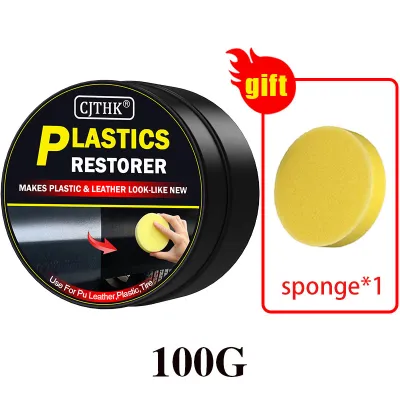
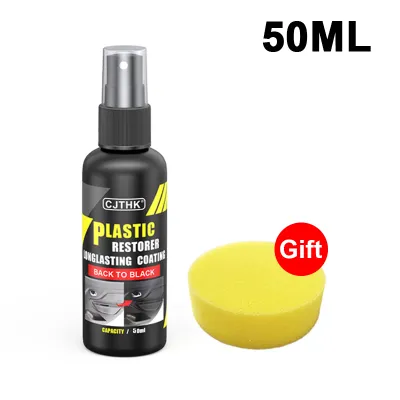
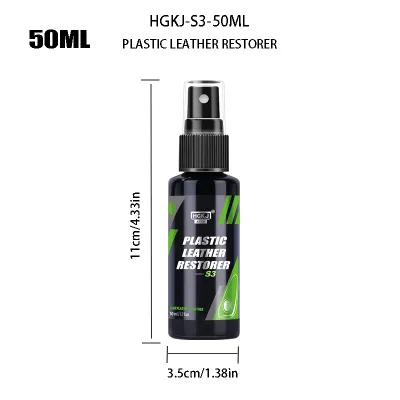
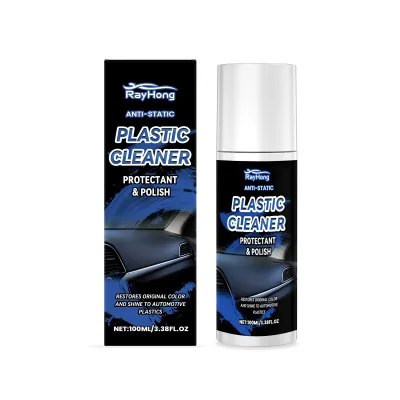
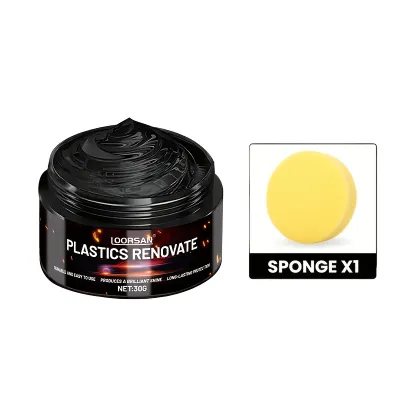
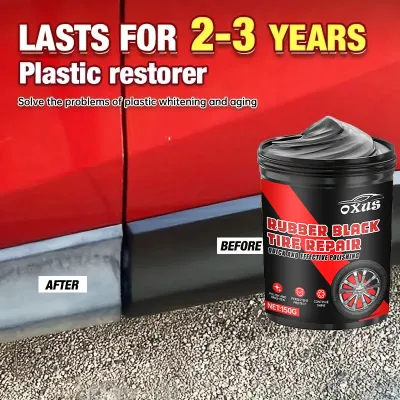
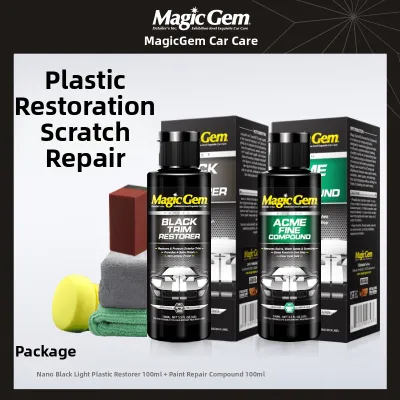
Prices are valid at publication and may change. Please refer to the product page for the latest price.
Wax-based formulas rely on natural or synthetic wax blends that sit primarily on top of the plastic surface. When selecting these products, check the ingredient labels for carnauba wax, beeswax, or synthetic polymer waxes. These ingredients fill in microscopic surface imperfections to restore a deep color, but they do not penetrate deeply into the plastic pores. Because they remain on the surface, they act as a temporary physical barrier against moisture and light.
Silicone-based formulas utilize oil-derived silicone compounds that easily penetrate the open pores of weathered plastic. This deep penetration provides an immediate, dramatic darkening effect by wetting the dried-out plastic fibers. However, it is important to verify if the product label warns against sling or greasy residue. Unbound silicone oils remain fluid on the surface, which can attract road dust and wash away during heavy rain or car washes.
Ceramic-based formulas represent a more advanced chemical approach, utilizing silicon dioxide (SiO2) or polymer-ceramic hybrids. Instead of merely sitting on the surface or soaking into the pores as a liquid oil, these molecules are designed to bond chemically with the plastic substrate. This chemical bonding process requires specific curing times and meticulous surface preparation, which are typically detailed on the product bottle. Once cured, the ceramic formula creates a hardened, hydrophobic barrier that is highly resistant to environmental degradation.
Durability and Appearance on Faded Trim
The longevity of any black plastic restorer is heavily influenced by environmental exposure. In tropical climates like Singapore, where high humidity, intense sunlight, and sudden downpours are daily occurrences, product durability is put to the ultimate test. While manufacturer labels often claim months or even years of protection, real-world performance will vary based on how often the vehicle is parked outdoors and how frequently it is washed.

Wax-based restorers generally offer the shortest lifespan, typically requiring reapplication every few weeks to a month. Because wax has a relatively low melting point, the high surface temperatures of a car parked under direct sunlight can cause the protective layer to soften and degrade rapidly. Silicone-based restorers usually last slightly longer, often maintaining their appearance for several weeks, but they remain highly susceptible to being stripped by surfactants in car shampoos or washed away by heavy rain. In contrast, ceramic-based restorers offer the greatest durability, often lasting several months to a year, because the cured SiO2 layer chemically bonds to the substrate and does not wash off or melt under typical atmospheric temperatures.
The visual finish also differs significantly among the three technologies. Wax-based products typically yield a clean, satin, or natural look that restores the original factory appearance without adding artificial shine. Silicone-based products are known for delivering a high-gloss, wet look that makes faded trim look exceptionally dark and shiny, though this can sometimes look greasy if applied unevenly. Ceramic-based restorers generally offer a satin to semi-gloss finish, darkening the plastic significantly while preserving its natural texture without excessive, artificial glare.
Monitoring how these products degrade helps you determine when it is time for a reapplication. Wax-based products tend to fade gradually and evenly, returning to a dull grey without leaving noticeable marks. Silicone restorers often exhibit rapid failure signs, such as unsightly water spotting, a milky residue running down adjacent paintwork after a rainstorm, or sudden patchiness after a single wash. Ceramic coatings degrade very slowly, with the first sign of failure usually being a loss of water-beading behavior (hydrophobicity) followed by a slow, uniform return of the faded grey appearance.
Application, Maintenance, and Safety Boundaries
Achieving a long-lasting finish with any restorer depends heavily on proper application techniques and safety precautions. Before applying any product, the plastic surface must be thoroughly cleaned and degreased. Faded trim often accumulates layers of old wax, silicone dressings, road grime, and environmental fallout that prevent new products from adhering. Using a dedicated wax remover or a surface prep spray helps strip these contaminants, ensuring the restorer can make direct contact with the plastic pores.
Application safety is particularly critical when working with advanced formulas. Always mask off adjacent painted panels, chrome trim, and glass using automotive masking tape before starting. While wax and silicone splatters are relatively easy to wipe off, ceramic coatings can cure onto unintended surfaces, leaving stubborn high spots or stains that may require mechanical polishing to remove. Additionally, check the product label for specific safety instructions, such as wearing protective gloves and working in a well-ventilated area to avoid inhaling strong chemical fumes.
Post-application maintenance plays a vital role in preserving the restored finish. For ceramic-based restorers, it is crucial to respect the recommended curing window—often 24 to 48 hours—during which the vehicle must be kept dry and away from rain. Once cured, maintain the trim by washing the vehicle with pH-neutral car shampoos. Avoid harsh alkaline pre-washes, degreasers, or directing high-pressure water sprays closely at the treated plastic edges, as these aggressive cleaning methods can prematurely degrade even the most durable protective coatings.
How to Choose the Right Restorer for Your Vehicle
Selecting the right black plastic restorer requires matching the product’s characteristics to your maintenance habits, aesthetic preferences, and the current condition of your vehicle’s trim. There is no single option that suits every car owner, so a conditional decision framework is the most practical way to guide your purchase.
Choose a wax-based restorer if you prefer a subtle, natural satin finish and enjoy regular car maintenance. These products are highly forgiving during application, making them excellent for beginners who do not mind spending a few minutes every few weeks touching up their trim during their regular washing routine. They are also ideal if you want to avoid the risk of permanent staining on adjacent paintwork.
Choose a silicone-based restorer if you need an immediate, deep black, high-gloss wet look for a specific event, such as a car meet or preparing a vehicle for sale. Silicones are highly effective at masking severe fading instantly with minimal effort. However, you must be prepared for shorter durability, the potential for product sling onto side panels while driving, and the need for frequent reapplications to maintain the high-gloss effect.
Choose a ceramic-based restorer if your primary goal is maximum longevity and you want to minimize how often you treat the trim. This option is best if you are willing to invest the necessary time and effort into meticulous surface preparation, including deep cleaning and masking off adjacent panels. The resulting durable, hydrophobic finish is highly suited for vehicles parked outdoors in harsh tropical climates.
Before purchasing any liquid restorer, verify the physical condition of your vehicle’s trim. These products are designed primarily for unpainted, porous, textured plastics. If the trim is painted, clear-coated, or has degraded to the point where the surface is flaking, cracking, or completely smooth and non-porous, liquid restorers will not bond or absorb correctly. In such cases, physical restoration, painting, or complete part replacement may be necessary.
Frequently Asked Questions (FAQ)
Can I apply a ceramic restorer over an existing silicone dressing?
No, you cannot apply a ceramic restorer directly over an existing silicone dressing. Ceramic coatings require a completely clean, oil-free surface to establish a chemical bond with the plastic. Because silicone dressings leave a greasy, water-repellent film, they will prevent the ceramic formula from adhering, leading to premature peeling or uneven coverage. You must thoroughly strip any old silicone residues using a dedicated wax and grease remover, a strong APC (all-purpose cleaner), or isopropyl alcohol before applying a ceramic restorer.
Will black plastic restorers damage my car's paint if it splatters?
Most wax-based and silicone-based restorers will not permanently damage your car’s paint if they splatter, though they can leave greasy smudges or dull spots that should be wiped away promptly with a microfiber cloth. Ceramic restorers, however, pose a higher risk. If a ceramic restorer splatters onto your paint and is allowed to cure, it can create a hard, semi-permanent high spot that resists normal washing. These cured ceramic stains typically require a light polishing compound or mechanical claying to safely remove them from the clear coat.
How do I know if my trim is too far gone for a liquid restorer?
You can determine if your trim is too far gone by observing its physical texture and structural integrity. If the plastic is merely faded or grey but still structurally intact and textured, a liquid restorer can successfully darken and protect it. However, if the trim exhibits deep cracking, flaking, or has turned into a powdery, white residue that rubs off on your finger, the plastic polymers have completely broken down. Additionally, if the surface has become entirely smooth, hard, and non-porous, it will repel liquid restorers rather than absorbing them, indicating that the trim requires replacement or professional refinishing.

Community discussion
Share your experience or ask a question. Comments are reviewed before publication.