
Protecting a vehicle from the elements is a priority for any car owner, but the ideal strategy depends heavily on the local climate. In Singapore’s tropical environment, choosing between a waterproof and a sunproof car cover requires understanding how extreme heat and moisture interact with automotive finishes. While heavy monsoon rains are a frequent occurrence, prioritizing a highly reflective, sunproof cover with excellent breathability is far more critical for long-term outdoor parking than choosing an absolute, heavy-duty waterproof barrier.
The core trade-off lies in how moisture behaves under intense solar radiation. A 100% waterproof cover that lacks breathability will trap high ambient humidity and rising ground moisture underneath its surface. When the intense tropical sun emerges after a downpour, this trapped moisture is heated rapidly, creating a greenhouse effect directly against your car’s paintwork. This trapped heat and condensation can lead to severe paint blistering, clear coat delamination, and interior mold. Consequently, while searching for a protective shield, many drivers mistakenly look for a heavy-duty winter car cover, assuming maximum physical thickness translates to better protection. In reality, these insulated designs are highly detrimental in tropical climates, making specialized sunproof and breathable options the superior choice.
Understanding Singapore’s Climate Threats to Your Car
Singapore’s equatorial climate presents a relentless, dual-threat environment for automotive exteriors. The first major threat is intense, year-round ultraviolet (UV) radiation. With a UV index that frequently reaches extra-high or extreme levels during midday hours, the sun acts as a constant catalyst for chemical degradation. This radiation breaks down the molecular bonds of your car’s clear coat, leading to premature fading, oxidation, and a dull, chalky appearance. Inside the cabin, unchecked solar energy degrades polyurethane dashboards, warps plastic trim, and dries out leather upholstery, leading to unsightly cracks and costly repairs.
Products mentioned in this guide
![[24 hours delivery] Upgraded and thickened universal car cover size:M/L/XL/XXL/3XL car cover outdoor protection sunscreen car cover waterproof car shade car cover sun protection car cover outdoor sunscreen](https://img.lazcdn.com/g/p/808f8e56d0f1744f116eabe475a3a1ff.jpg_400x400q80.jpg_.webp)
![[24 hours delivery] Upgraded and thickened universal car cover size:M/L/XL/XXL/3XL car cover outdoor protection sunscreen car cover waterproof car shade car cover sun protection car cover outdoor sunscreen](https://img.lazcdn.com/g/p/64e2d9dbc77f3447b24f93e4a3696f41.jpg_400x400q80.jpg_.webp)
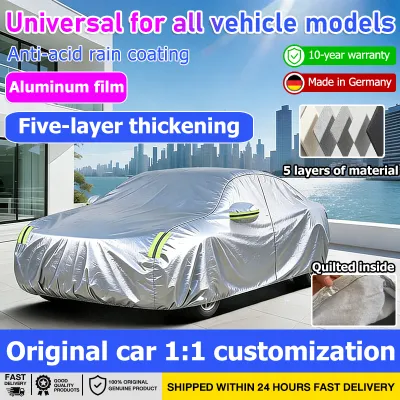
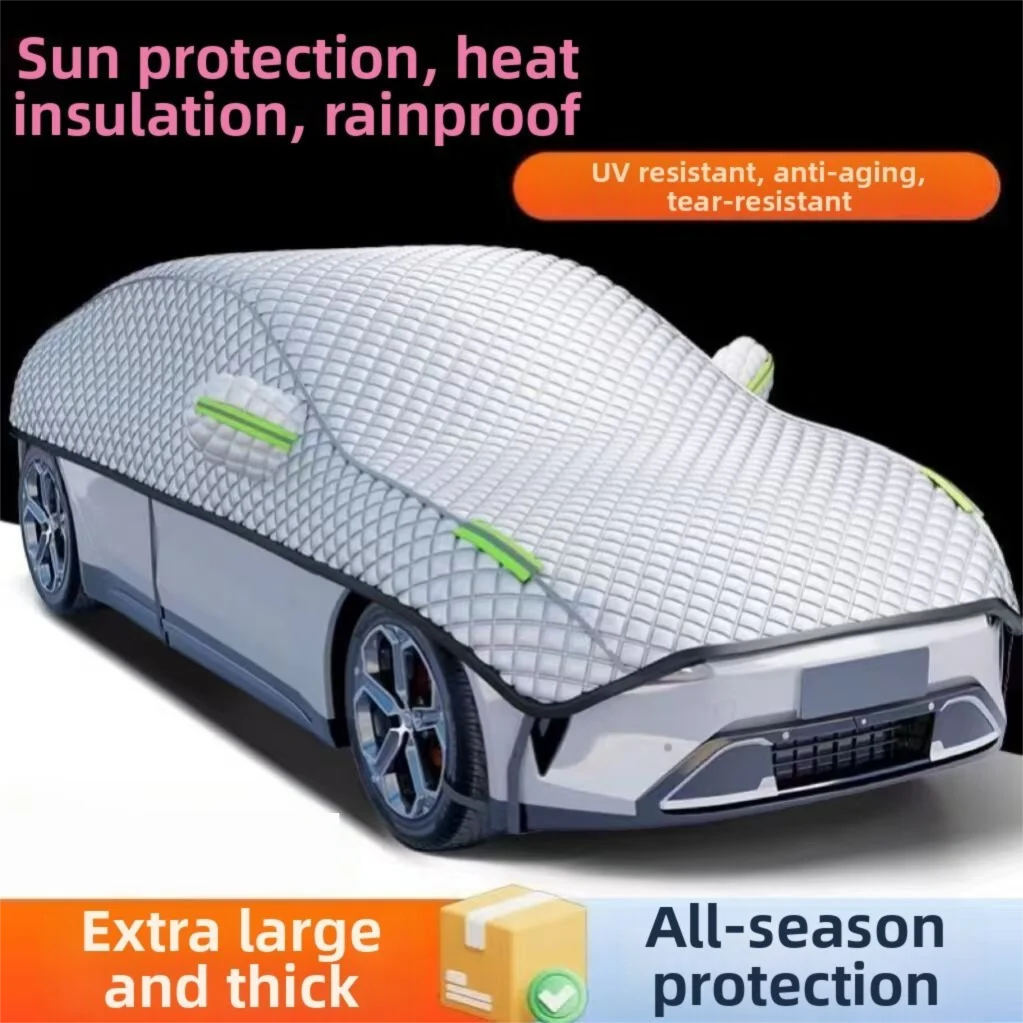
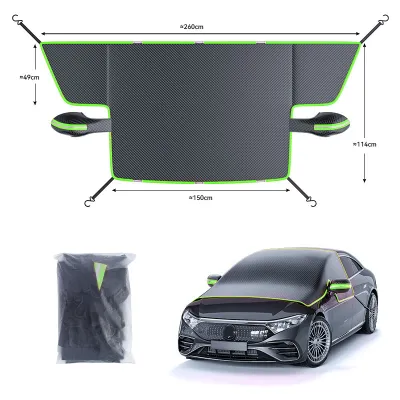
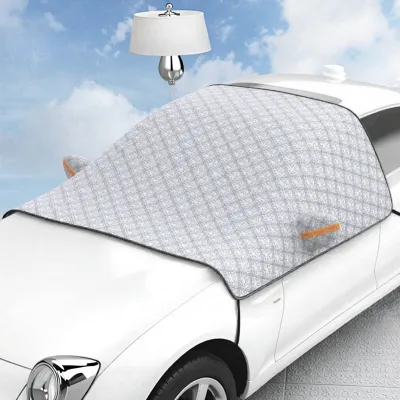
Prices are valid at publication and may change. Please refer to the product page for the latest price.
The second threat is the frequent, sudden transition from extreme heat to torrential monsoon downpours. Singapore experiences high relative humidity, often averaging above 80% year-round. When a sudden rainstorm hits, water pools in crevices, panel gaps, and along rubber seals. Rainwater in urban environments is often slightly acidic due to atmospheric pollutants; if this water is allowed to dry directly on hot paintwork under the midday sun, it leaves behind stubborn mineral deposits known as water spots. These mineral rings can etch deeply into the clear coat, requiring professional paint correction to remove.
Beyond sun and rain, urban parking environments introduce localized hazards. Cars parked in open-air HDB estates or near industrial zones are constantly exposed to highly acidic bird droppings, sticky tree sap, and airborne construction dust. Furthermore, for those living in coastal areas like Marine Parade, Pasir Ris, or Sentosa, the air carries a high concentration of salt. This coastal salt air accelerates the oxidation of any exposed metal components and can degrade rubber window seals over time, making a physical protective barrier highly desirable.
Waterproof Covers: Managing Monsoon Rains and Condensation
Waterproof car covers are typically constructed from synthetic polymers, such as high-density polyester or nylon, treated with polyurethane (PU) or polyvinyl chloride (PVC) coatings. These specialized coatings create a hydrophobic barrier that effectively repels liquid water, causing heavy rain to bead up and slide off the vehicle rather than pooling on the paintwork. For drivers who must park outdoors during the northeast or southwest monsoon seasons, a water-resistant barrier is highly effective at preventing acid rain spots and keeping organic debris from baking onto the clear coat.

However, relying on a completely impermeable waterproof cover introduces a severe risk of condensation. When rain falls on warm asphalt, the ground releases a steady stream of water vapor. If your vehicle is wrapped in a completely waterproof cover that lacks ventilation, this rising ground moisture becomes trapped in the pocket between the cover and the vehicle’s bodywork. As the ambient temperature rises, this trapped moisture has nowhere to escape, settling as condensation across every square inch of the car’s exterior.
This trapped moisture becomes highly destructive when the sun emerges. The heat bakes the condensation, forcing water vapor into microscopic pores and chips in the clear coat. Over time, this process causes osmotic blistering—a condition where moisture penetrates beneath the paint layers, causing the paint to bubble and lift. Additionally, the warm, damp environment created under a non-breathable waterproof cover serves as an ideal breeding ground for mold, mildew, and fungal growth inside the cabin air vents and across leather seats. To prevent these issues, look for “water-resistant yet highly breathable” fabrics rather than absolute waterproof plastic sheets or heavy tarps.
Sunproof Covers: Defending Against Intense Tropical UV Rays
Sunproof car covers are engineered specifically to combat solar radiation and heat buildup. These covers utilize highly reflective outer layers, often incorporating silver-coated polyesters, woven aluminum finishes, or specialized UV-stabilized synthetic fibers. Rather than absorbing solar energy, these reflective surfaces act as a mirror, bouncing ultraviolet and infrared rays away from the vehicle. This active deflection is crucial for preserving the chemical integrity of your car’s exterior paint, preventing the clear coat from drying out, cracking, and peeling over years of exposure.
Beyond preserving the paint, a high-quality sunproof cover dramatically reduces heat transfer into the vehicle’s interior. On a typical afternoon in Singapore, cabin temperatures in an uncovered car parked in direct sunlight can easily exceed 60 degrees Celsius. By reflecting infrared radiation, a sunproof cover keeps the interior cabin significantly closer to the ambient temperature. This temperature reduction protects sensitive cabin electronics, such as dashcams, digital instrument clusters, and infotainment screens, which are prone to overheating and premature failure.
Keeping the cabin cooler also provides immediate physical comfort and economic benefits. When you enter the vehicle, touchpoints like the steering wheel, gear shifter, and seatbelt buckles will not cause surface burns. Furthermore, because the baseline interior temperature is lower, your car’s air conditioning system does not need to work at maximum capacity to cool the cabin. This reduces the immediate thermal load on the engine, lowers fuel consumption, and extends the lifespan of the air conditioning compressor. Because UV radiation is a constant daily threat in Singapore, whereas heavy rain is episodic, superior sunproofing is the most critical baseline feature for daily outdoor parking.
Why Traditional Winter Car Covers Fall Short in the Tropics
A traditional winter car cover is engineered specifically for freezing climates, designed to protect vehicles from heavy snow accumulation, ice storms, and sub-zero temperatures. To withstand these harsh conditions, they are constructed with thick, multi-layered insulation—often featuring heavy fleece, wool, or composite felt inner linings—paired with a rugged, non-porous outer shell. The primary goal of these covers is to provide a thermal barrier that prevents moisture from freezing on the vehicle’s glass and door seals, while offering physical cushioning against falling icicles.
Applying a winter car cover to a vehicle in Singapore’s tropical climate is highly counterproductive. The thick, insulated layers designed to keep heat in will trap the engine’s residual heat and ambient warmth, raising the temperature under the cover to extreme levels. This trapped heat accelerates the chemical degradation of rubber suspension bushings, wiper blades, and window seals. Furthermore, because these covers are designed to be completely windproof and non-porous to block freezing drafts, they possess virtually zero breathability, ensuring that tropical humidity remains locked against the paintwork.
Additionally, the sheer bulk of a winter car cover presents major practical challenges in Singapore. These covers are incredibly heavy and difficult to fold, making them highly impractical to handle alone in a tight HDB multi-storey or open-air car park. When wet, they absorb a massive amount of water, becoming incredibly heavy and taking days to dry in Singapore’s humid air. Storing a damp, bulky winter cover in a compact car boot will quickly lead to a musty odor and mold growth within the luggage compartment. Drivers should pivot their search away from winter-specific gear and focus on lightweight, multi-layer tropical or all-season covers optimized for UV reflection and ventilation.
Key Specifications to Look for in a Tropical Car Cover
When shopping for a car cover tailored to Singapore’s unique weather demands, verifying specific material and design features is essential to ensure long-term protection without risking damage to your vehicle.
- Material & Layers: Prioritize multi-layer synthetic fabrics, such as high-density polypropylene or specialized polyester blends, featuring a highly reflective silver or aluminum outer coating. Avoid cheap, single-layer PVC sheets, which degrade rapidly under intense UV exposure and offer no heat-rejection properties.
- Breathability: Look for covers utilizing micro-porous membrane technology. These advanced membranes feature microscopic pores that are small enough to block liquid water droplets from passing inward, yet large enough to allow rising water vapor molecules to escape outward. Additionally, ensure the cover features built-in ventilation flaps or mesh vents near the top or sides to allow hot air to escape freely.
- Inner Lining: The inner layer must feature a soft, non-abrasive lining, such as spun-bond polypropylene, high-grade cotton, or ultra-soft fleece. This soft interface is critical for preventing micro-scratches and swirl marks on your clear coat, ceramic coating, or paint protection film (PPF) when wind causes the cover to rub against the bodywork.
- Fit and Security: A proper fit is vital to prevent paint abrasion. Look for a cover with a strong elasticized hem at the front and rear to hug the bumpers, along with dedicated side-mirror pockets to keep the fabric aligned. To secure the cover during sudden, violent monsoon squalls, ensure it features heavy-duty under-car tie-down straps with windproof buckles, or reinforced grommets for a central cable lock system.
How to Choose: Decision Framework for Your Parking Setup
Your final choice should be guided by your primary parking environment, vehicle condition, and daily usage patterns. Use the following framework to determine the best protective strategy for your car:
- Choose a highly reflective, lightweight UV cover if: You park outdoors long-term in open-air HDB or commercial lots with zero shade. Your primary goal is to reject intense solar heat, protect your dashboard and leather seats from cracking, and prevent paint fading. Ensure the cover is lightweight and easy to fold for daily use.
- Choose a breathable, water-resistant cover if: You frequently park outdoors under trees, near construction sites, or in coastal areas. This setup prioritizes protection against acidic bird droppings, sticky tree sap, industrial dust, and salt air, while the built-in ventilation flaps allow trapped monsoon moisture and humidity to escape safely.
- Avoid heavy winter car covers or cheap plastic tarps if: You want to prevent trapped humidity, paint blistering, and surface scratches. The lack of breathability and rough texture of these options will do far more harm than good in a tropical climate.
- Verify first if: Your vehicle has a fresh paint job, a newly applied ceramic coating, or Paint Protection Film (PPF). Always consult your paint shop or coating manufacturer's guidelines before using a car cover. Fresh paint typically requires several weeks to fully cure and outgas; covering the vehicle prematurely can trap solvents and permanently ruin the finish.
Frequently Asked Questions (FAQ)
Can I use a generic waterproof tarp instead of a tailored car cover?
Using a generic utility tarp is highly discouraged for automotive protection. Tarps are made from coarse, abrasive polyethylene materials and lack a soft inner lining. When wind blows, the rough plastic grinds surface dust and dirt directly into your clear coat, causing severe scratches and swirl marks. Furthermore, tarps are completely non-breathable, trapping ground moisture that bakes under the tropical sun, and they lack secure, elasticized tie-down systems, making them a hazard to your vehicle and surrounding property during strong winds.
How often should I wash my car cover in Singapore's humid weather?
To maintain its protective qualities, you should wash your car cover every few weeks, or immediately after it accumulates noticeable bird droppings, tree sap, or heavy dust. Gently hose down the cover with clean water while it is fitted on your clean vehicle, or hand wash it in a large tub using a mild, pH-neutral soap. Never use harsh household detergents, bleach, or fabric softeners, as these chemicals strip away the UV-resistant and water-repellent coatings. Always allow the cover to dry completely in a shaded, well-ventilated area before folding and storing it to prevent mold and mildew growth.
Will a sunproof car cover completely prevent my car interior from heating up?
While a high-quality reflective cover cannot completely stop heat transfer over several hours of continuous exposure, it significantly lowers peak interior temperatures compared to an uncovered car. It prevents the greenhouse effect inside the cabin, protects sensitive electronics from reaching destructive thermal limits, and keeps touchpoints like the steering wheel and leather seats from becoming dangerously hot. This drastically reduces the thermal load, allowing your air conditioning system to cool the cabin down much faster upon entry.
Community discussion
Share your experience or ask a question. Comments are reviewed before publication.