
Riding a motorcycle demands precise control over your machine’s throttle, clutch, and brakes, making your hands your most critical point of contact. Selecting the right pair of windproof gloves or waterproof alternatives directly impacts your comfort, safety, and reaction times on the road. The choice between waterproof and breathable windproof gloves depends entirely on your typical riding environment, local weather patterns, and personal tolerance for moisture.
Waterproof gloves are indispensable for riders who frequently encounter heavy rain, wet roads, and cold downpours. They utilize specialized internal membranes to block external water from reaching your skin, keeping your hands dry in severe weather. Conversely, breathable windproof gloves are designed for dry, warm, or highly humid riding conditions where wind protection is necessary but sweat management is the primary concern. They block the chilling effects of high-speed wind while allowing heat and perspiration to escape freely.
Neither glove type is universally superior; instead, each serves a distinct operational purpose. For riders navigating tropical climates with sudden, intense downpours, balancing these two designs requires understanding their construction, physical limits, and trade-offs.
Products mentioned in this guide
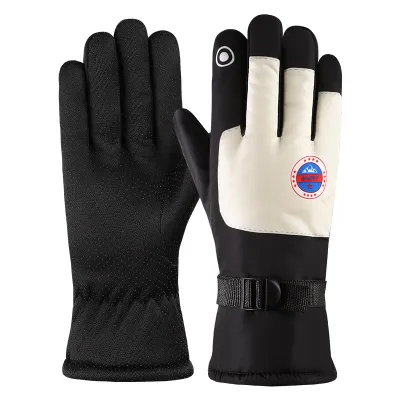

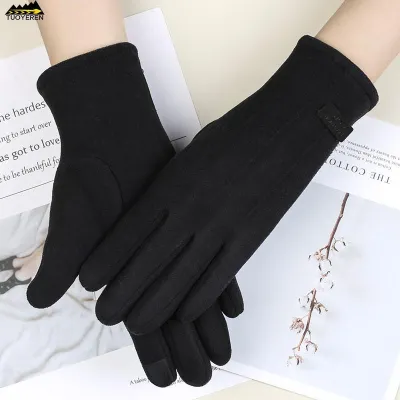
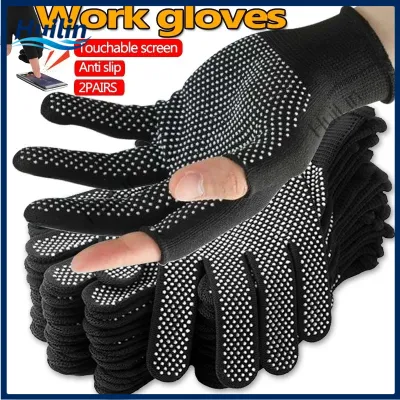
Prices are valid at publication and may change. Please refer to the product page for the latest price.
How Waterproof and Breathable Windproof Gloves Work
To make an informed decision, it is essential to understand the engineering principles behind both glove designs. While both styles aim to protect your hands from environmental elements, they achieve this through fundamentally different manufacturing techniques and material selections.
The Construction of Waterproof Gloves
Waterproof motorcycle gloves are engineered with a multi-layered barrier system designed to keep external water out. The core of this system is a semi-permeable membrane, such as Gore-Tex, Hydratex, or other proprietary brand equivalents. This membrane is positioned between the outer shell of the glove and the inner comfort liner. The membrane contains billions of microscopic pores that are significantly smaller than a drop of liquid water, preventing rain from penetrating the glove, yet larger than a molecule of water vapor, allowing sweat to escape.
However, the physical reality of this construction is that the multiple layers—including the outer textile or leather, the membrane, adhesive layers, and the inner lining—create a thick barrier. To ensure complete waterproofing, manufacturers must seal or tape every single seam where panels are stitched together. This extensive sealing process limits the overall breathability of the glove. In warm or highly humid conditions, the temperature differential between the inside and outside of the glove is minimal, which can cause the membrane to stop transferring moisture vapor effectively, trapping heat and sweat inside.
The Design of Breathable Windproof Gloves
Breathable windproof gloves prioritize temperature regulation and wind protection without the bulky barrier of a waterproof insert. These gloves typically utilize specialized wind-blocking fabrics, such as Windstopper or tightly woven synthetic textiles, on the back of the hand where wind impact is greatest. This construction prevents convective heat loss—commonly known as wind chill—which can stiffen a rider’s fingers even in relatively warm ambient temperatures.
To maintain high breathability, these gloves often incorporate perforated leather palms, mesh panels along the sides of the fingers, or highly breathable stretch fabrics. This hybrid design allows fresh air to circulate through specific zones while blocking direct wind blasts on high-impact areas. Because they lack a solid waterproof membrane and sealed seams, they do not trap moisture vapor. Sweat is rapidly evaporated and carried away by the airflow, keeping your hands dry from the inside out and preventing the clammy buildup common in sealed gloves.
Comparing Comfort, Dexterity, and Protection
Choosing the right glove requires evaluating how these design differences translate to real-world performance on the road. Comfort, tactile feedback, and impact safety are all affected by the choice of weatherproofing technology.

Weather Protection and Climate Comfort
The primary trade-off between these two glove types lies in how they manage moisture from different sources. Waterproof gloves offer absolute protection against external wetness, making them the only viable choice during severe monsoons or prolonged rainstorms. However, in hot and humid climates like Singapore, where ambient temperatures regularly exceed 30°C, wearing a heavy waterproof glove can quickly create a “sauna effect.” Without a significant temperature gradient to drive moisture through the membrane, your hands will sweat profusely, leaving them just as wet from perspiration as they would have been from the rain.
Breathable windproof gloves offer the opposite experience. They provide exceptional airflow and cooling, keeping your hands dry and comfortable on hot days by facilitating rapid sweat evaporation. The trade-off is that they offer virtually no protection against falling rain. During a sudden tropical downpour, water will immediately penetrate the mesh panels, perforated leather, and unsealed seams. Riders must therefore weigh the discomfort of sweaty hands on dry days against the risk of cold, wet hands during a storm.
Grip, Dexterity, and Touchscreen Use
A glove’s physical thickness directly impacts your ability to feel and control your motorcycle. Because waterproof gloves require multiple laminated layers and seam tape, they are inherently bulkier. This added thickness can reduce tactile feedback at your fingertips, making it slightly harder to modulate the throttle precisely or feel the subtle bite point of your clutch and brake levers. This bulk can also lead to hand fatigue over long rides, as your muscles must work harder against the stiff materials of the glove.
Breathable windproof gloves are generally much thinner and more form-fitting. With fewer layers between your palm and the handlebar grips, they offer superior tactile feedback, allowing for precise control inputs. Additionally, modern riders rely heavily on navigation systems and communication devices. While many contemporary gloves of both types feature conductive material on the fingertips for touchscreen compatibility, the reduced bulk of breathable gloves makes operating a GPS or smartphone screen significantly easier and more accurate. Always check the specific product specifications to confirm touchscreen compatibility before buying.
Safety and Armor Integration
It is a common misconception that choosing a lightweight, breathable glove means sacrificing safety. The weatherproofing style of a glove does not dictate its protective capabilities. Both waterproof and breathable windproof gloves can be manufactured to meet rigorous safety standards, such as the European CE certification (EN 13594:2015). This standard tests gloves for abrasion resistance, seam strength, tear strength, and impact protection.
High-quality gloves of both types feature robust protective elements, including hard knuckle protectors made of carbon fiber, thermoplastic polyurethane (TPU), or impact-absorbing foams like D3O. They also include palm sliders to prevent the hand from catching on the asphalt during a slide, reinforced leather panels in high-wear zones, and secure wrist retention straps to keep the glove firmly in place. When shopping, riders should look for the CE label on the inner tag to verify the specific protection level (Level 1 or Level 2, with “KP” indicating certified knuckle protection) rather than assuming a thicker waterproof glove is inherently safer than a breathable one.
Which Glove Fits Your Riding Environment?
To determine which glove type is the right investment for your gear collection, you must analyze your specific riding habits, typical routes, and the regional climate.
Choose Waterproof Gloves If…
Waterproof gloves are the ideal choice for daily commuters who must ride regardless of the weather forecast. If your livelihood or daily routine depends on riding through seasonal monsoons, a high-quality waterproof glove is a safety necessity. Wet hands quickly become cold due to wind chill, which restricts blood flow, reduces sensitivity, and slows down your physical reaction times—a dangerous scenario when emergency braking is required.
These gloves are also highly recommended for long-distance touring riders. If you regularly ride across regions with unpredictable weather patterns, such as traveling from coastal areas up into elevated highlands where temperatures drop and rain is common, waterproof gloves will keep your hands warm and functional. When selecting a waterproof glove for warmer regions, look for unlined or lightweight options that feature advanced direct-lamination technology (where the membrane is bonded directly to the outer shell), which minimizes bulk and improves breathability compared to traditional floating-liner designs.
Choose Breathable Windproof Gloves If…
Breathable windproof gloves are best suited for riders operating primarily in hot, humid, or tropical environments where dry days are the norm. If your riding consists mostly of urban commuting, weekend leisure rides, or highway cruising in warm weather, these gloves will keep your hands cool and dry. By blocking the harsh wind without trapping body heat, they prevent your hands from becoming clammy and uncomfortable.
These gloves are also the preferred choice for riders who prioritize maximum tactile feedback and control precision, such as track-day enthusiasts, sport riders, or off-road adventurers. The thin, flexible construction allows for a more natural grip on the handlebars, reducing hand fatigue during active riding. While they will not protect you from a heavy downpour, their rapid-drying properties mean that if they do get wet, they will dry out much faster than a waterlogged, multi-layered waterproof glove once the rain stops.
Essential Specs and Fit Checks Before You Buy
Before purchasing any motorcycle gloves, verifying the specifications and ensuring an accurate fit is critical for both safety and comfort. Always consult the manufacturer’s specific sizing chart, as glove sizing can vary significantly between European, American, and Asian brands. Expect to invest anywhere from S$80 to over S$300 for premium, certified riding gear, depending on the materials and membrane technology used.
When trying on gloves, pay close attention to how they feel when your hands are wrapped around a handlebar grip. For waterproof gloves, ensure there is a small amount of clearance at the fingertips; if your fingers press hard against the ends of the glove, the waterproof membrane can stretch, reducing its effectiveness and restricting capillary blood flow, which leads to cold, numb fingers. Conversely, breathable windproof gloves should fit snugly like a second skin, without excess material bunching up in the palm, which can cause painful blisters and compromise your grip during sudden maneuvers.
Additionally, always inspect the product labels for official safety certifications, such as EN 13594:2015. Check the construction details: look for double-stitched seams, reinforced palms, and secure hook-and-loop wrist closures that prevent the glove from being pulled off your hand in an accident. If you are purchasing online through an e-commerce platform or online marketplace, carefully review the seller’s return and exchange policies. This ensures you can swap the gloves for a different size if the initial fit is not perfect, preventing you from riding with ill-fitting gear that compromises your control.
Frequently Asked Questions (FAQ)
Can I use breathable windproof gloves in light rain?
Some breathable windproof gloves are treated with a Durable Water Repellent (DWR) coating on the outer fabric. This treatment allows the glove to shed light drizzle or road spray temporarily, causing water to bead up and roll off the surface. However, a DWR coating is not a substitute for a waterproof membrane. In sustained rain or heavy downpours, the water will eventually saturate the outer fabric and penetrate the unsealed seams and breathable panels, soaking your hands. Always check the manufacturer’s specific water-resistance ratings to understand the limits of your gear.
Do waterproof motorcycle gloves keep hands warm?
A common misconception is that all waterproof gloves are designed for cold weather. While a waterproof membrane naturally blocks wind and traps some body heat, it does not provide active thermal insulation on its own. For cold-weather riding, you must look for waterproof gloves that explicitly include a dedicated thermal lining, such as Thinsulate or Primaloft. If you are riding in a warm, wet climate like Singapore’s monsoon season, you should search for unlined, lightweight waterproof gloves. These are designed to keep the rain out without adding unnecessary thermal insulation, helping you avoid overheating.
Community discussion
Share your experience or ask a question. Comments are reviewed before publication.