
Choosing between waterproof and breathable UV protection riding gloves depends entirely on your typical riding environment, local climate patterns, and personal comfort priorities. There is no single universal option that excels in every scenario. Waterproof gloves provide an essential shield against heavy downpours and wind chill, but they inherently restrict airflow and can trap heat. Conversely, breathable gloves maximize ventilation to keep your hands cool and dry in sweltering heat, but they offer virtually no defense against sudden rainstorms. To make the right choice, you must weigh how your local weather, ride duration, and daily routes influence your need for temperature regulation versus moisture protection.
Core Differences: Waterproof vs Breathable UV Riding Gloves
To choose the right glove, you must understand how these two types of gear are constructed. The primary distinction lies in their material composition and how they manage moisture and airflow, which directly impacts both comfort and safety.
Waterproof riding gloves feature an internal waterproof membrane, such as polyurethane or specialized laminate layers, sandwiched between the outer shell and the inner lining. These membranes block liquid water droplets while allowing sweat vapor to escape. High-quality models also feature sealed seams to prevent water from seeping through the stitching. However, this multi-layered construction naturally restricts direct airflow, making the gloves feel thicker and warmer.
Products mentioned in this guide
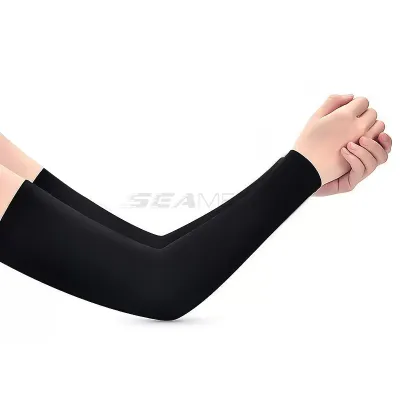
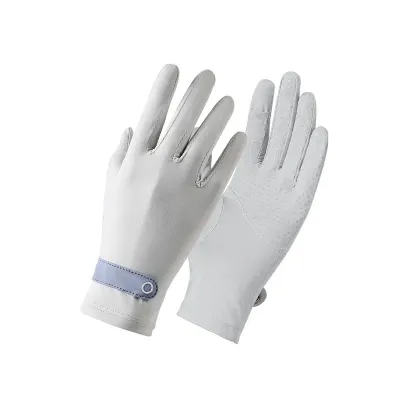
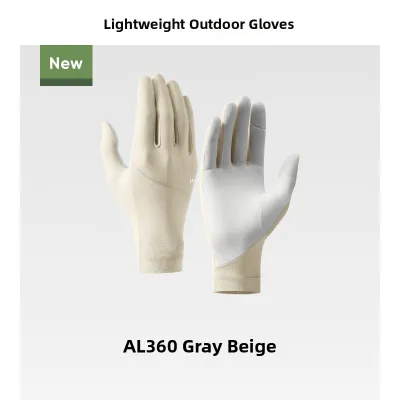
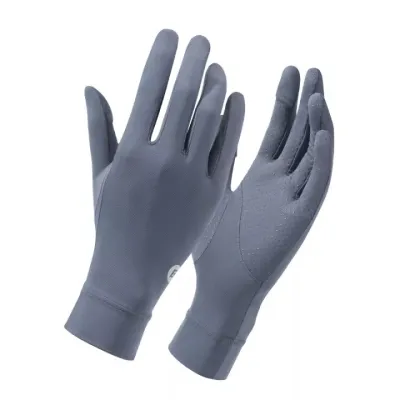
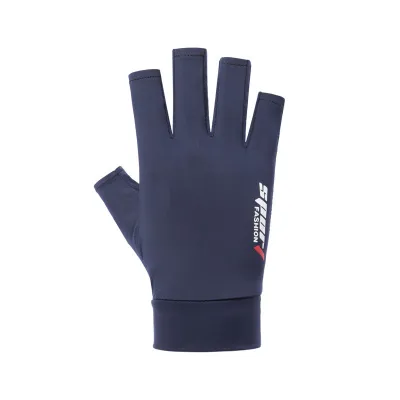
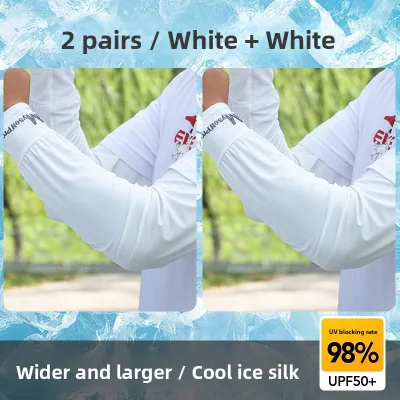
Prices are valid at publication and may change. Please refer to the product page for the latest price.
Breathable UV protection gloves prioritize maximum ventilation using lightweight, porous materials like high-tensile mesh, perforated leather, or advanced synthetic textiles. These materials allow air to flow freely, cooling your skin and rapidly evaporating sweat. Rather than relying on heavy physical barriers, breathable gloves use open-weave patterns and strategically placed ventilation panels to facilitate continuous air exchange.
While both types offer UV protection, they achieve it differently. Breathable gloves rely on the inherent weave density of lightweight fabrics or specialized chemical treatments to block ultraviolet rays without restricting air. Waterproof gloves provide UV protection simply through their thick, opaque outer layers. Never assume a glove provides adequate UV defense based on appearance alone; always check the manufacturer’s labels for verified ratings.
Evaluating Protection and Comfort Trade-offs
Selecting motorcycle gear involves balancing safety, weather resistance, and comfort. Each glove type requires certain compromises, and understanding these trade-offs is crucial for maintaining control of your motorcycle.

Waterproof gloves keep your hands dry and warm during wet or cold rides. Wet hands lose heat rapidly, leading to stiff fingers and slower reaction times on the controls. However, in hot and humid weather, the lack of ventilation causes severe heat buildup. Sweat becomes trapped inside, creating a clammy environment that can cause skin irritation and make the gloves difficult to remove.
Breathable gloves excel in high temperatures by keeping your hands cool and dry, which maintains a secure grip on the controls. However, they offer no protection in the rain. Breathable mesh and perforated fabrics absorb water quickly, soaking your hands and leaving them vulnerable to wind chill at higher speeds. Riding with wet gloves for extended periods can also soften the skin, making palms more susceptible to blisters.
Regardless of weather resistance, physical safety is paramount. Both glove types must provide adequate abrasion resistance and impact protection. Look for reinforced palms, double stitching, and dedicated knuckle protectors made of carbon fiber, hard plastics, or impact-absorbing foam. Never assume a thicker waterproof glove is safer than a lightweight breathable one; physical protection depends entirely on material quality and certified protective armor, which you must verify on the product tags.
Matching Gloves to Your Riding Environment and Style
Your daily riding habits and local climate should play a major role in determining which glove type to purchase. A daily commuter navigating city traffic has very different gear requirements compared to a long-distance touring rider.
For daily urban commuting, your choice should align with the most frequent weather patterns you encounter. If your commute is short and you ride primarily during the hottest parts of the day, breathable UV protection gloves will keep your hands comfortable and dry. However, if you ride in regions prone to sudden, unpredictable downpours—such as Singapore’s tropical climate, where heavy monsoon rains can start without warning—carrying a pair of waterproof gloves is highly practical. In highly humid environments, a sudden downpour can quickly saturate breathable gloves, making the rest of your ride highly uncomfortable and potentially unsafe due to compromised grip.
Long-distance touring requires a more versatile approach to gear selection. When spending hours on the road, you are likely to encounter changing weather conditions, temperature fluctuations, and varying levels of sun exposure. Waterproof gloves are often the preferred choice for touring because they offer consistent protection against unexpected rain and cold wind. However, if you are touring through consistently dry, hot regions, breathable gloves with high UV protection are indispensable for preventing sunburn and heat exhaustion during long hours under the sun. Many experienced touring riders choose to carry both types of gloves, swapping them out as weather conditions change.
Your riding schedule also influences your UV protection needs. If you frequently ride during peak sun hours, typically between 10:00 AM and 4:00 PM, maximizing UV protection is essential to prevent skin damage and long-term sun exposure risks. Breathable gloves designed specifically for UV defense allow you to stay protected from the sun without overheating. Conversely, if you primarily ride during the early morning, late evening, or at night, UV protection becomes less critical, and your focus should shift toward temperature regulation, windproofing, and high-visibility features to ensure you remain seen by other motorists.
Key Specifications to Verify Before Buying
To ensure you are purchasing high-quality gear that delivers on its promises, you must learn to read and verify product specifications rather than relying on marketing claims. Manufacturers use specific ratings and certifications to indicate the performance levels of their gloves.
When evaluating UV protection, look for a verified Ultraviolet Protection Factor (UPF) rating on the product label. A UPF rating of 50+ is the standard for excellent sun protection, indicating that the fabric blocks a significant portion of harmful UVA and UVB rays. For waterproofing, look for specific membrane technologies or water column ratings if the manufacturer provides them. High-quality waterproof gloves often feature breathable yet waterproof membranes that are rated by their hydrostatic head (measured in millimeters), which indicates how much water pressure the material can withstand before leaking.
Safety certifications are the most critical aspect of any motorcycle glove. In many regions, riding gloves are evaluated under the European standard EN 13594, which certifies protective gloves for professional and recreational motorcycle riders. Look for a CE marking accompanied by this standard number on the inner tag of the glove. The certification level (Level 1 or Level 2) indicates the level of impact and abrasion protection the glove provides, with Level 2 offering higher resistance. Ensure the glove features dedicated knuckle protection and palm sliders that are explicitly mentioned in the certification details.
It is also vital to distinguish between different levels of water resistance. Manufacturers often use terms like “waterproof,” “water-resistant,” and “water-repellent” interchangeably, but they mean very different things. A truly waterproof glove features an internal membrane and sealed seams designed to keep water out during prolonged exposure. Water-resistant gloves can withstand light drizzle or brief splashes but will eventually saturate in heavy rain. Water-repellent gloves are treated with a surface coating that causes water to bead up and roll off, but this coating wears off over time and does not provide reliable protection in a downpour. Always check the technical specifications to confirm the exact level of protection you are buying.
Decision Framework: Which Type Should You Choose?
To make your final decision, evaluate your primary riding conditions and prioritize either weather shielding or ventilation. Use the following guidelines to select the glove type that best matches your needs.
You should choose waterproof UV protection gloves if you frequently ride in wet climates, commute through monsoon seasons, or undertake long-distance tours where weather conditions are unpredictable. These gloves are also ideal if you ride in cooler temperatures and require windproofing to keep your hands warm. Prioritize models with breathable waterproof membranes to help mitigate sweat buildup during warmer intervals.
You should choose breathable UV protection gloves if your riding is concentrated in hot, dry climates, or if you primarily perform short urban commutes during peak daylight hours. These gloves are the best choice for riders who prioritize maximum airflow, tactile feedback, and immediate sweat evaporation. Ensure the model you select features a high UPF rating to guarantee adequate sun protection during extended daytime rides.
If you are looking for a single glove that claims to offer both high waterproofing and high breathability, proceed with caution. While advanced laminate membranes attempt to bridge this gap, they often come at a premium price and may still feel warm in extreme tropical humidity. Before purchasing, verify the specific technical ratings, check the physical product tags for safety certifications, and read user feedback regarding real-world performance in climates similar to yours.
Frequently Asked Questions (FAQ)
Do dark-colored riding gloves provide better UV protection?
Dark colors, such as black or navy, naturally absorb more UV radiation than lighter colors, which can provide a slight increase in inherent UV protection. However, dark fabrics also absorb more visible light and heat, making them significantly warmer to wear in direct sunlight. Rather than choosing a glove based solely on its color, you should rely on the manufacturer’s verified UPF rating. A light-colored glove with a certified UPF 50+ rating will provide excellent sun protection while keeping your hands cooler than an unrated dark glove.
Can I use standard sun-protection gloves for motorcycle riding?
No, you should never use standard, casual sun-protection gloves for motorcycle riding. Casual UV gloves are typically made of thin, lightweight fabrics like nylon or spandex, which offer absolutely no abrasion resistance or impact protection. In the event of a fall, these materials will instantly tear upon contact with the road surface, leaving your hands completely unprotected. Motorcycle-specific riding gloves are constructed with durable materials, reinforced palms, and impact-resistant armor designed specifically to protect your hands from severe injury during a slide or crash.
Community discussion
Share your experience or ask a question. Comments are reviewed before publication.