
Choosing between waterproof and breathable UV protection riding gloves comes down to balancing immediate comfort against wet-weather preparedness. In tropical climates characterized by intense heat and sudden, heavy downpours, your choice directly impacts both your physical comfort and your control over the motorcycle. Breathable gloves excel at keeping your hands cool and dry from sweat during hot, humid days by maximizing airflow. However, they offer virtually no protection against rain. Conversely, waterproof gloves keep external moisture out during unexpected storms but can trap heat and perspiration, leading to clammy hands during dry spells. To make the right decision, you must evaluate your typical riding routes, how you handle sudden weather changes, and how to verify both safety and UV protection ratings before purchasing.
Understanding the Trade-Off: Waterproof vs Breathable Construction
The fundamental difference between these two glove types lies in their material construction and how they manage moisture. Waterproof riding gloves typically feature an internal barrier or membrane laminated between the outer shell and the inner lining. This membrane contains microscopic pores that are small enough to block liquid water droplets from entering but large enough to allow water vapor to escape.
Despite this theoretical breathability, the physical reality of riding in high-humidity environments often overwhelms these membranes. When the ambient air is saturated with moisture and the temperature is high, the pressure differential required to push sweat vapor through the membrane decreases significantly. As a result, waterproof gloves can feel warm, heavy, and damp on the inside during dry, sunny rides, even if they successfully block external rain.
Products mentioned in this guide
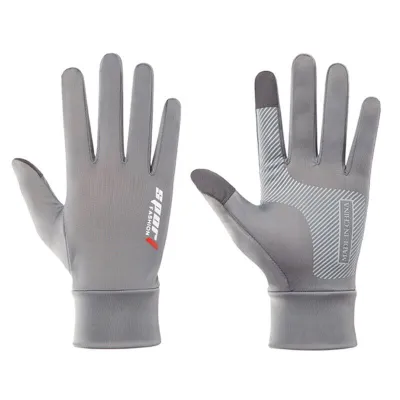
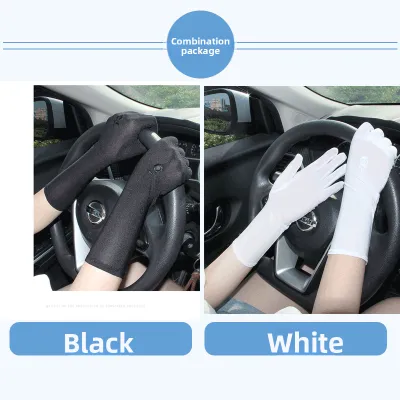
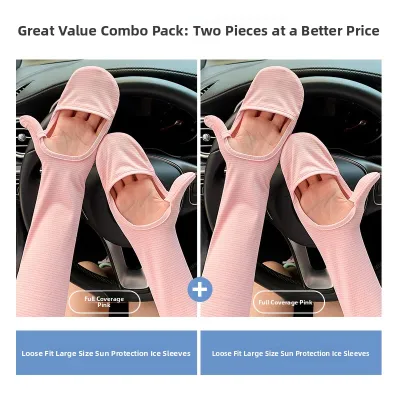
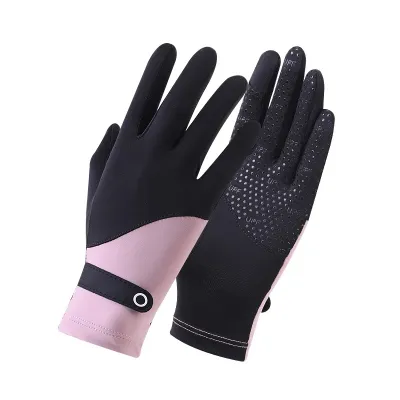
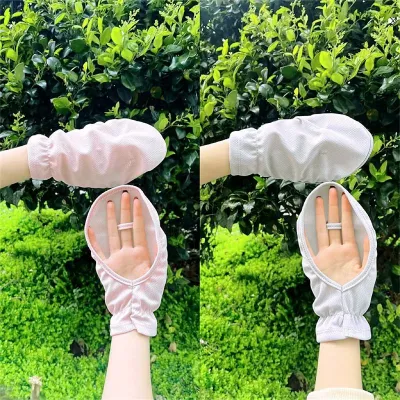
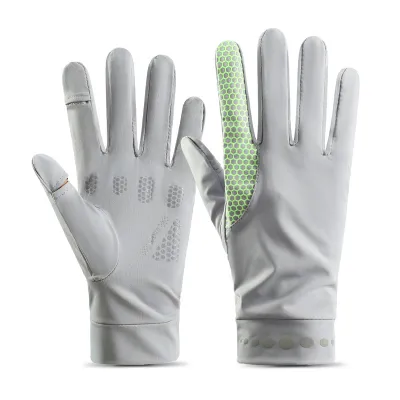
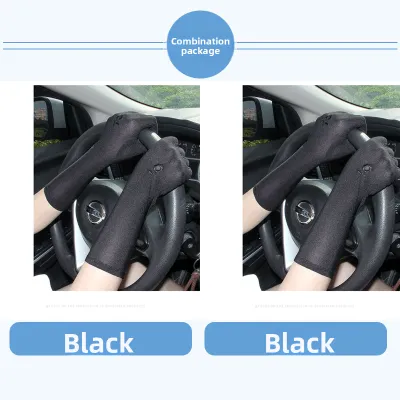
Prices are valid at publication and may change. Please refer to the product page for the latest price.
Breathable UV protection gloves, on the other hand, rely on highly porous materials such as mesh, perforated leather, or lightweight synthetic textiles. These materials allow ambient air to flow directly over your skin, promoting rapid sweat evaporation and cooling. The trade-off is immediate: the moment a rain shower begins, water passes directly through these openings, soaking your hands and the glove’s interior lining.
When evaluating these options, it is critical to look beyond generic marketing terms like “breathable” or “waterproof.” Always check the manufacturer’s technical specifications to identify the specific type of membrane used, the presence of moisture-wicking inner linings, and the placement of ventilation zones. Some advanced designs feature dual-chamber systems or hybrid materials, but verifying the exact construction method remains the most reliable way to predict real-world performance.
How to Verify UV Protection in Any Riding Glove
Many riders assume that any glove covering the skin automatically provides sufficient protection against harmful ultraviolet (UV) radiation. However, UV rays can penetrate loosely woven fabrics, leaving your hands vulnerable to cumulative sun damage during long hours on the road. Actual UV protection is determined by the density of the fabric, the tightness of the weave, and whether the material has been treated with UV-inhibiting compounds.

To ensure your gear offers reliable defense against solar radiation, look for a verified Ultraviolet Protection Factor (UPF) rating on the product tags or manufacturer descriptions. A rating of UPF 50+, for example, indicates that the fabric blocks a significant portion of UV radiation, allowing only a tiny fraction to reach your skin. If a glove lacks a formal UPF rating or UV-blocking certification, you should inspect the material density and weave tightness yourself, prioritizing tightly woven textiles or solid leather over wide-mesh designs.
Another critical factor in sun protection is the physical coverage of the glove design. Short-cuff gloves often leave a gap between the edge of the glove and the cuff of your riding jacket, exposing a strip of skin on your wrist to direct sunlight. Opting for full-coverage designs, such as gauntlet cuffs or gloves with extended wrist closures, ensures a secure overlap with your jacket sleeves, eliminating sun exposure zones entirely.
Matching Gloves to Singapore's Weather and Riding Routes
Riding in a tropical climate like Singapore’s requires a practical understanding of how local weather patterns interact with your daily routes. For daily urban commuting, where rides are relatively short and traffic involves frequent stops, heat management is usually the primary concern. The high humidity and slow-moving traffic can quickly cause your hands to sweat inside sealed gear, making breathable UV protection gloves the more comfortable choice for dry-weather commutes.
However, the weather can change rapidly, and encountering a sudden downpour is a common occurrence. For riders who commute during the monsoon seasons or frequently travel along high-speed expressways, waterproof gloves become highly advantageous. At higher speeds, rain strikes with greater force, and wet hands combined with wind chill can quickly lead to numbness, reduced tactile feedback, and a compromised grip on the brake and clutch levers.
If you find yourself torn between these two extremes, adopting a hybrid approach can provide the best of both worlds. Many experienced riders wear lightweight, breathable UV gloves as their primary gear to stay cool during dry periods, while carrying a compact pair of waterproof gloves or waterproof over-gloves in their under-seat storage or backpack. This allows you to swap gear quickly when the sky darkens, ensuring you remain comfortable and safe regardless of sudden weather shifts.
Another alternative is to look for modular glove systems or specialized rain covers designed to fit over your standard breathable gloves. While these covers may slightly reduce tactile sensitivity, they offer a highly packable, cost-effective solution for temporary wet-weather protection without requiring you to wear heavy waterproof gloves during the hottest parts of the day.
Safety and Comfort Features You Must Not Compromise
While weather protection and UV defense are important for comfort, they must never come at the expense of fundamental motorcycle safety standards. When shopping for riding gloves, always prioritize impact protection by checking for CE-certified knuckle and finger protectors. These armor pieces should be securely integrated into the glove’s design, positioned in a way that does not block ventilation ports on breathable models or puncture the protective membrane on waterproof versions.
The palm of the glove is another critical area that requires careful inspection. In the event of a fall, instinct dictates putting your hands down to break the impact, making high-abrasion resistance essential. Verify that the palm material—whether leather, reinforced synthetic suede, or specialized grip panels—maintains a secure hold on your handlebar grips even when wet or sweaty. Additionally, look for touchscreen-compatible fingertips if you rely on handlebar-mounted phone mounts for navigation, as removing your gloves on the roadside introduces unnecessary safety risks.
Finally, evaluate the closure systems and overall fit of the gloves. A secure wrist strap or hook-and-loop fastener is necessary to keep the glove firmly on your hand during an impact. These adjustment systems also play a double role in weather protection: a well-designed gauntlet closure can be tightened over or under your jacket sleeve to block wind, rain, and sun, while a secure wrist strap prevents hot air or water from entering the glove body.
Final Decision: Which Glove Should You Buy?
To finalize your decision, assess your primary riding conditions and comfort priorities. You should choose breathable UV gloves if your riding consists mostly of dry, hot daytime commutes, you prioritize maximum airflow to prevent sweaty hands, and you have the flexibility to seek shelter or wait out sudden heavy rain. These gloves will keep your hands cool and shielded from the sun without the stifling heat buildup of a sealed membrane.
Conversely, you should choose waterproof UV gloves if you ride frequently during the monsoon season, undertake long-distance tours where stopping is not an option, or prioritize complete wet-weather protection over maximum ventilation. Having dry hands during a prolonged storm is essential for maintaining precise control over your motorcycle’s inputs.
If you are considering gloves labeled as “water-resistant” or “water-repellent,” exercise caution before purchasing. These terms do not mean waterproof; water-resistant gloves are typically treated with a temporary coating that can withstand light drizzle but will quickly saturate during sustained rain. Always check the exact manufacturer definitions, limitations, and user instructions to ensure the gear matches your specific riding demands.
Frequently Asked Questions (FAQ)
How should I clean and maintain waterproof riding gloves?
To preserve both the waterproof membrane and any integrated UV-protective treatments, you must follow the manufacturer’s care label strictly. Avoid using harsh detergents, fabric softeners, or bleach, as these chemicals can degrade the waterproof barrier and strip away protective coatings. Instead, hand wash the gloves using a mild, non-detergent soap specifically formulated for technical outdoor gear. After washing, gently squeeze out excess water without wringing or twisting the gloves, and allow them to air dry naturally in a well-ventilated indoor area away from direct heat sources or prolonged direct sunlight, which can dry out leather and damage synthetic fibers.
Do dark-colored riding gloves offer better UV protection?
While it is a common belief that darker colors provide superior sun protection, the relationship between color and UV defense is not absolute. Darker fabrics do absorb more visible light and can feel warmer under direct sunlight, but actual UV protection depends primarily on the fabric’s weave density, material thickness, and the presence of specific UV-inhibiting treatments. A light-colored glove with a certified UPF 50+ rating will offer significantly better UV protection than a loosely woven dark glove that allows UV rays to pass through the gaps in the fabric. Always rely on verified UPF labels and official manufacturer specifications rather than choosing a glove based on color alone.
Community discussion
Share your experience or ask a question. Comments are reviewed before publication.