
Choosing between waterproof and breathable UV protection riding gloves in Singapore comes down to balancing wet-weather preparedness against heat management. Daily commuters who ride through sudden tropical downpours require the reliable barrier of waterproof gloves to keep their hands dry and maintain a secure grip. Conversely, riders who primarily travel during dry, sunny hours will benefit far more from highly breathable UV protection gloves that prevent sweat buildup and shield the skin from intense solar radiation.
Because Singapore’s climate is both exceptionally humid and hot, neither glove type is a universal solution. A waterproof glove keeps rain out but traps sweat inside during warm spells, while a highly ventilated mesh glove keeps hands cool but becomes saturated within seconds of a storm. Evaluating your typical riding hours, route flexibility, and personal tolerance for heat will guide you to the correct choice.
Understanding the Design Trade-Offs: Waterproof vs. Breathable
To make an informed decision, you must first understand how these two glove types differ in construction. Waterproof riding gloves rely on an internal membrane situated between the outer shell and the inner lining. This membrane features microscopic pores designed to block liquid water droplets while allowing water vapor to escape. However, in high-humidity environments, the temperature differential required for these membranes to breathe effectively is minimal, meaning heat and sweat often remain trapped inside.
Products mentioned in this guide
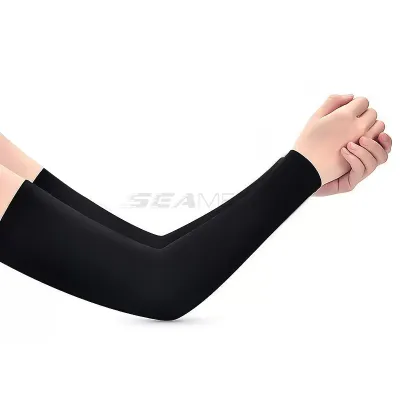
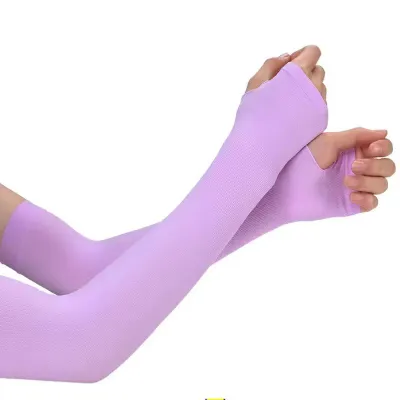
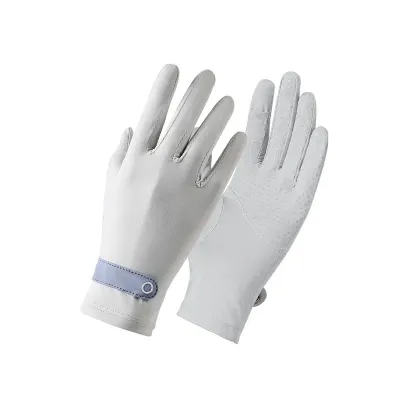
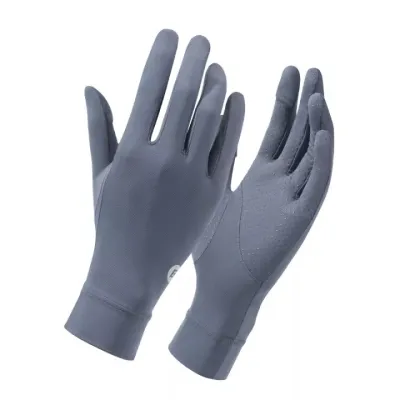
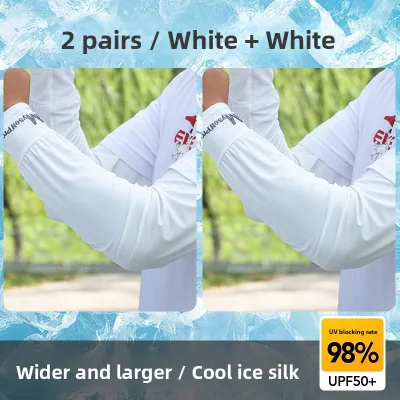
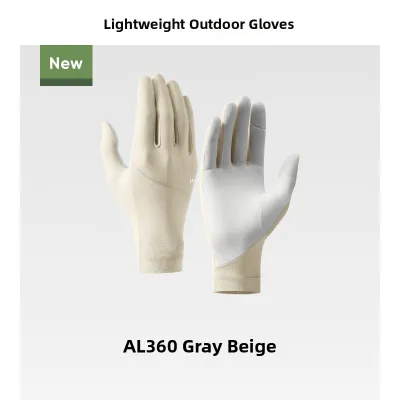
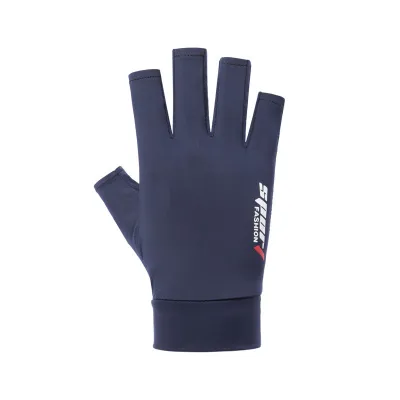
Prices are valid at publication and may change. Please refer to the product page for the latest price.
In contrast, breathable UV protection gloves prioritize maximum airflow through open-weave structures. These designs typically utilize heavy-duty mesh panels, perforated leather, or lightweight synthetic fabrics that allow wind to pass directly over your skin. While this open structure is excellent for cooling, it offers zero resistance to water. Additionally, because the materials are thin or perforated, they do not automatically block ultraviolet radiation.
Riders must verify the sun-protective capabilities of breathable gloves by checking for an official Ultraviolet Protection Factor (UPF) rating from the manufacturer. A UPF rating, such as UPF 50+, indicates that the fabric has been specifically tested to block a high percentage of UVA and UVB rays. You should never assume a glove provides adequate sun protection simply because it covers your skin or features a dark color, as loose weaves can still allow harmful radiation to penetrate.
Another critical trade-off involves tactile feedback and control operation. The multi-layered construction of waterproof gloves naturally adds bulk, which can slightly dampen your feel of the throttle, brake levers, and handlebar switches. Breathable gloves, with their single-layer palms and lightweight backings, offer superior tactile sensitivity, making it easier to execute precise control inputs.
When to Choose Waterproof Riding Gloves
Waterproof riding gloves are indispensable tools for riders who cannot afford to let wet weather disrupt their schedule. If you are a daily commuter, delivery rider, or long-distance tourer who must ride regardless of the weather forecast, keeping your hands dry is a matter of both comfort and safety. Wet hands quickly become cold and slippery, which can compromise your grip on the handlebars and slow down your reaction times when operating the brakes or clutch.

When shopping for waterproof gloves, you must carefully examine the construction details that prevent water from finding its way inside. Look for fully taped or sealed seams, as standard stitching creates tiny needle holes where water can seep through under pressure. The wrist closure is another critical entry point; effective waterproof gloves feature adjustable hook-and-loop straps or drawstring gauntlets that can be secured tightly over or under your jacket sleeves to block wind-driven rain.
However, using waterproof gloves in a tropical climate presents a distinct challenge: internal moisture accumulation. Even the most advanced breathable membranes struggle to exhaust sweat when the ambient air is warm and saturated with humidity. Over time, your hands may end up damp from sweat rather than rain, which can make the gloves difficult to pull off and put back on during stops.
To preserve the performance of your waterproof gloves, regular and careful maintenance is required. The external water-repellent coatings applied to these gloves can degrade due to road grime, sweat oils, and friction. You should always consult the manufacturer’s care guidelines, which typically recommend gentle hand washing with mild soap and avoiding high heat during the drying process to prevent the internal membrane from delaminating or cracking.
When to Choose Breathable UV Protection Gloves
Breathable UV protection gloves are the ideal choice for riders who primarily travel during clear days, dry weekends, or hot afternoon hours. In intense heat, wearing heavy or non-ventilated gloves can lead to excessive sweating, discomfort, and skin irritation. Breathable gloves solve this issue by maximizing convective cooling, using the natural airflow generated by your riding speed to evaporate sweat and lower skin temperature.
The cooling efficiency of these gloves depends heavily on the placement of ventilation features. High-airflow designs often feature mesh panels along the back of the hand and the sides of the fingers, or perforated leather sections in non-impact zones. This allows continuous air circulation while keeping high-wear areas reinforced for safety.
Protecting your hands from prolonged sun exposure is just as important as staying cool. Continuous exposure to UV radiation during long daytime rides can lead to sunburn and long-term skin damage. When selecting breathable gloves, look for product tags that explicitly state a UPF rating, ensuring the fabric has been engineered to filter out harmful rays.
The obvious limitation of breathable UV gloves is their complete lack of water resistance. A sudden tropical shower will saturate the mesh or perforated fabric almost instantly, leaving your hands wet and cold. If you choose breathable gloves as your primary gear, you must plan for sudden weather changes. This can involve carrying a compact pair of waterproof over-gloves in your under-seat storage or keeping a spare set of waterproof gloves ready for rainy days.
How to Decide Based on Your Riding Routine
To determine which glove type deserves a place in your gear collection, you should analyze your weekly riding habits and typical routes. If your daily routine involves strict commuting schedules where you must ride through afternoon monsoons, prioritizing waterproof gloves is the most practical decision. Keeping your hands dry and maintaining a firm grip on your controls during heavy downpours outweighs the temporary discomfort of warm hands during dry spells.
On the other hand, if you primarily ride for leisure, avoid the road when rain is forecast, or find that your hands sweat excessively in standard gear, breathable UV protection gloves are the superior choice. The immediate comfort, cooling airflow, and reliable sun protection they provide will make your dry-weather rides significantly more enjoyable and less fatiguing.
For many riders, the most effective approach is to adopt a two-pair rotation strategy, provided your budget allows. Investing in a high-quality pair of breathable UV gloves for daily dry-weather riding and keeping a dedicated pair of waterproof gloves in your storage compartment ensures you are prepared for any weather scenario. This strategy not only optimizes your comfort and safety on every ride but also extends the lifespan of both pairs by reducing daily wear and tear.
When budgeting for your gear, expect to find quality options across various price points. A basic pair of protective breathable gloves may cost around S$40 to S$80, while advanced waterproof models featuring technical membranes and premium armor can range from S$100 to over S$250. Allocating your budget to match your actual exposure to rain and sun will ensure you get the best value and protection for your money.
Quick Comparison: Waterproof vs. Breathable Gloves
To help you quickly evaluate the core differences between these two glove types, the table below summarizes their key characteristics based on observable design features and standard manufacturer specifications.
| Feature | Waterproof Riding Gloves | Breathable UV Gloves |
|---|---|---|
| Primary Weather Use | Heavy rain, wet seasons, cool wet nights | Hot dry days, high sun exposure, humid afternoons |
| UV Verification Method | Material density (rarely rated for UPF) | Manufacturer UPF rating label (e.g., UPF 50+) |
| Ventilation Efficiency | Low (traps heat and internal sweat) | High (continuous airflow through mesh/perforations) |
| Tactile Feel & Grip | Moderate (thicker multi-layer construction) | High (thin, single-layer palm designs) |
| Rain Suitability | Excellent (sealed seams and water barriers) | Poor (absorbs water quickly, no barrier) |
Verifying Safety Standards and Glove Fit
Regardless of whether you choose waterproof or breathable gloves, safety must remain your top priority. Motorcycle gloves are designed to protect your hands from abrasion and impact during a fall, which means you must verify their protective credentials before making a purchase. Look for official CE certification markings on the inner product labels, specifically the EN 13594 standard for protective gloves for professional motorcycle riders. This certification ensures the gloves have undergone standardized testing for tear strength, seam integrity, abrasion resistance, and impact protection.
Achieving a proper fit is equally critical for both safety and comfort. When trying on gloves, ensure that the knuckle protectors align perfectly with your knuckles without pinching or causing pressure points. Your fingers should reach near the ends of the glove fingertips without being tightly restricted, allowing you to fully pull the brake and clutch levers without resistance. Ensure there is no excess material bunching up in the palm, which can cause blisters and reduce your grip stability over time.
Finally, consider how the gloves integrate with your daily technology needs. Many modern riding gloves feature touchscreen-compatible material on the index finger and thumb tips. If you rely on a smartphone mounted to your handlebars for navigation, verify this feature in the product specifications to avoid the inconvenience and safety hazard of having to remove your gloves every time you need to adjust your route.
Frequently Asked Questions (FAQ)
Can I use breathable mesh gloves during light rain?
Breathable mesh gloves offer virtually no water resistance and will absorb moisture almost instantly, even in light drizzle. Once wet, the wind passing through the mesh can make your hands feel uncomfortably cold and compromise your grip. If you prefer mesh gloves for daily riding, it is highly recommended to carry a pair of lightweight, waterproof over-gloves that can be quickly slipped on over your main gloves when unexpected rain begins.
Do darker glove colors provide better UV protection?
Color alone is not a reliable indicator of UV protection in riding gear. While darker colors and denser fabrics can naturally block some light, they also absorb more heat from the sun, making your hands warmer. To ensure genuine protection against ultraviolet radiation, you must look for a manufacturer’s certified UPF rating on the product tag, which guarantees the fabric has been specifically engineered and tested to block UV rays regardless of its color.
How should I clean and maintain waterproof riding gloves?
To maintain the integrity of the waterproof membrane, you must follow the specific washing instructions found on the manufacturer’s label. Avoid using harsh detergents, fabric softeners, or bleach, as these chemicals can break down the waterproof coatings and clog breathable pores. Instead, hand wash the gloves using mild soap, rinse thoroughly with clean water, and allow them to air dry completely in a well-ventilated area away from direct sunlight or artificial heat sources.
Community discussion
Share your experience or ask a question. Comments are reviewed before publication.