
The choice between waterproof and breathable tactical gloves for men depends entirely on your primary riding climate and daily route conditions. Neither type is universally better; waterproof models excel in wet and cold environments by blocking moisture, while breathable gloves prioritize airflow and cooling in hot or humid weather. This guide breaks down the functional trade-offs, safety specifications, and environmental factors to help you select the right pair for your riding needs.
Tactical gloves have gained significant popularity among motorcycle riders due to their rugged durability, reinforced grip, and utilitarian design. However, because these gloves are engineered for high-intensity tasks, their material compositions vary widely to handle different environmental challenges. Understanding how these designs perform on the road is essential for maintaining both comfort and precise control over your motorcycle.
Core Trade-Offs: Waterproof vs Breathable Construction
Waterproof tactical gloves are engineered with specialized internal membranes, such as polyurethane barriers or technical laminate liners, sandwiched between the outer shell and the inner lining. These membranes feature microscopic pores that are small enough to block liquid water droplets from entering but large enough to allow microscopic water vapor from sweat to escape. In practice, however, this barrier significantly restricts overall airflow, which can lead to heat buildup and moisture accumulation inside the glove during warm weather.
Products mentioned in this guide
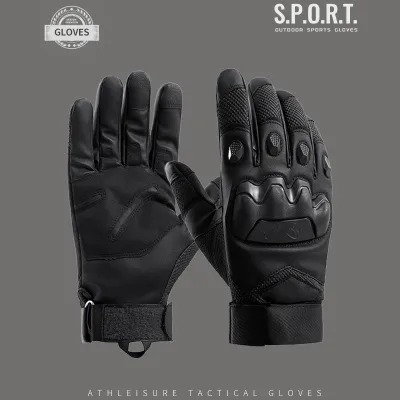
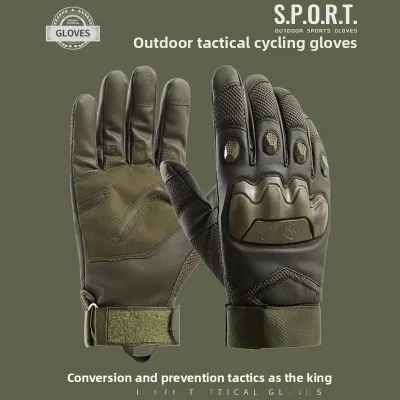
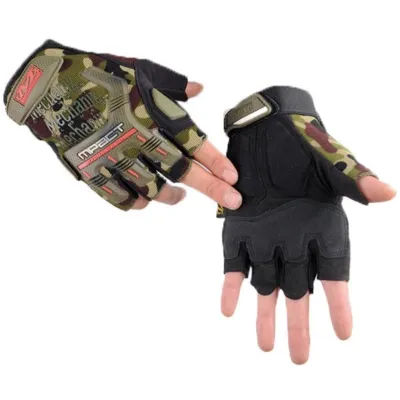
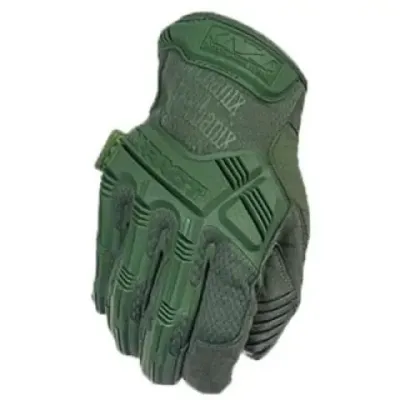
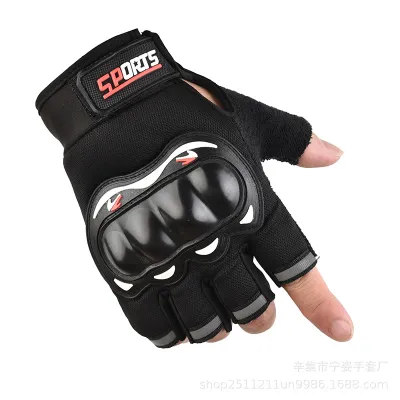
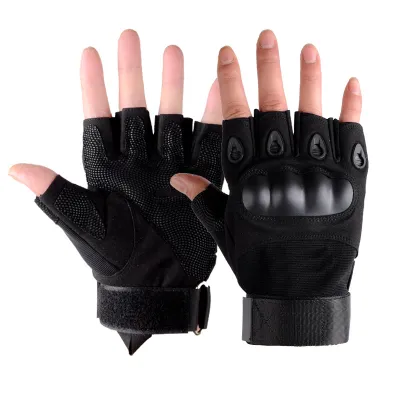
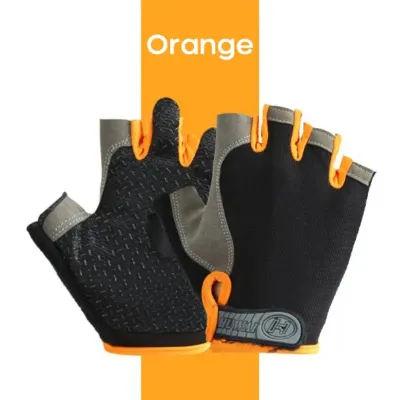
Prices are valid at publication and may change. Please refer to the product page for the latest price.
Breathable tactical gloves prioritize maximum ventilation by utilizing porous materials like synthetic mesh, perforated leather, or lightweight nylon panels. These materials allow air to flow directly across your skin, facilitating rapid sweat evaporation and keeping your hands cool in high temperatures. The primary trade-off is that these gloves offer virtually no resistance to rain, road spray, or cold wind, which can quickly leave your hands wet and chilled.
The physical construction of these two glove types also directly impacts tactile feedback and handlebar control. Waterproof gloves require multiple layers of material—including the outer shell, the waterproof membrane, and often a thermal or comfort liner—which increases the overall thickness of the glove. This added bulk can reduce your ability to feel subtle vibrations and inputs through the throttle, clutch, and brake levers.
In contrast, breathable tactical gloves typically feature a single-layer palm construction made of high-durability synthetic leather or microfiber. This minimalist design provides highly responsive tactile feedback, allowing for more precise control and a more natural grip on the handlebars. However, the thinner materials may offer less inherent abrasion resistance compared to the heavy-duty, multi-layered construction of waterproof models unless specifically reinforced.
Matching Gloves to Your Riding Environment
When riding in wet, cold, or highly unpredictable climates, maintaining hand dexterity is a critical safety priority. Cold temperatures and wind chill can rapidly stiffen your fingers, slow down your reaction times, and reduce your grip strength, making it difficult to operate controls safely in an emergency. Waterproof tactical gloves act as an essential barrier, blocking freezing wind and rain to keep your hands warm, dry, and fully functional.

For riders operating in hot and humid climates, such as urban commuting in tropical regions like Singapore, preventing sweat buildup is the primary concern. Without adequate ventilation, sweat can accumulate inside the glove, leading to skin maceration, discomfort, and a slippery interface between your hand and the glove liner. Breathable tactical gloves are essential in these conditions, as they promote continuous evaporative cooling to keep your palms dry and secure on the grips.
If your riding routes involve transitional weather, high-altitude passes, or significant temperature shifts throughout the day, relying on a single pair of gloves can be problematic. One effective strategy is to adopt a layering approach, using thin, moisture-wicking inner liners under breathable gloves when temperatures drop, or carrying a compact pair of waterproof over-gloves. Alternatively, many experienced riders choose to carry two dedicated pairs of gloves—one breathable and one waterproof—to swap out as weather conditions change.
Your typical riding speed and environment also dictate which glove type is more suitable. Low-speed urban riding in heavy traffic generates very little natural wind, making highly breathable gloves necessary to prevent overheating even in moderate temperatures. Conversely, high-speed highway riding exposes your hands to intense wind pressure, where even a light drizzle can feel freezing, making the windproof and waterproof qualities of a membrane glove highly beneficial.
Safety and Fit Specifications to Verify
Regardless of whether you prioritize waterproofing or breathability, safety must remain your primary consideration when choosing tactical gloves for riding. Look for gloves that feature robust impact protection, such as molded thermoplastic rubber (TPR), carbon fiber, or high-density foam knuckle guards. The palm area should be reinforced with double-layer materials, high-abrasion synthetic leather, or dedicated palm sliders to protect against friction injuries during a slide.
The closure system and overall fit of the glove are critical for ensuring that the protective elements stay in place during an impact. Evaluate the wrist closure, which typically uses adjustable hook-and-loop straps to secure the glove tightly around your wrist. Gauntlet-style gloves offer extended coverage over your jacket cuff, providing an excellent seal against wind, rain, and debris, whereas short-cuff gloves offer greater wrist mobility and are easier to pack.
Before making a purchase, verify the manufacturer’s safety certifications and material specifications to ensure the gloves are rated for motorcycle use. Look for labels indicating compliance with recognized standards, such as the European CE certification (EN 13594), which tests seam strength, abrasion resistance, and impact protection. Inspect the stitching along high-stress areas, ensuring that double-stitching or reinforced threads are used to prevent seam failure under tension.
Proper maintenance is also essential to preserve the protective qualities and functional features of your gloves over time. Waterproof membranes can be easily damaged by harsh detergents, fabric softeners, or high heat, which can cause the layers to delaminate and lose their water-resistant properties. Breathable synthetic gloves are generally easier to clean but should still be air-dried away from direct heat sources to prevent shrinkage and maintain the flexibility of the protective armor.
Decision Framework: Which Type Should You Choose?
To finalize your decision, evaluate your primary riding conditions and prioritize the features that align with your daily routes. Choose waterproof tactical gloves if you frequently ride in rain, cold weather, or wet environments where keeping your hands dry is essential for warmth and control. These gloves are highly suited for winter riding, wet-season commuting, and long-distance touring through areas with unpredictable weather patterns.
Choose breathable tactical gloves if you primarily ride in hot, dry, or highly humid conditions where sweat management and cooling are your main priorities. These gloves are ideal for summer riding, urban commuting in heavy traffic, and off-road trail riding where physical exertion increases body heat. They offer the high dexterity and tactile feedback needed for precise control in dry conditions.
Before purchasing, verify if your riding routine requires specific functional features that span both glove types. If you rely on GPS navigation or smartphones during your rides, ensure the gloves feature touchscreen-compatible fingertips on the index finger and thumb. Additionally, consider how the glove’s cuff length integrates with your riding jacket to ensure a seamless barrier against either wind and rain or heat and dust.
Frequently Asked Questions (FAQ)
Can I use waterproof tactical gloves in hot weather?
While you can wear waterproof tactical gloves in hot weather, it is generally not recommended due to the thermal discomfort and safety risks involved. The waterproof membrane blocks external water but also severely restricts airflow, trapping body heat and sweat inside the glove. This lack of ventilation leads to rapid sweat buildup, which can cause your hands to slip inside the glove, reducing your grip control and tactile feedback on the handlebars.
Over time, prolonged exposure to trapped moisture can cause skin maceration, making your hands more susceptible to blisters and irritation. If you must ride in hot weather with a chance of rain, consider carrying a pair of highly breathable gloves for the dry sections of your ride and switching to your waterproof gloves only when the weather deteriorates.
Do breathable tactical gloves offer enough impact protection?
Yes, breathable tactical gloves can offer excellent impact protection, provided they are designed specifically with protective armor and reinforced materials. Breathability refers to the ventilation of the fabric panels, which does not inherently compromise the structural safety of the glove’s key impact zones. High-quality breathable gloves utilize heavy-duty mesh or perforated leather on non-impact areas while retaining robust protection where it matters most.
When selecting a breathable pair, verify that the knuckles are shielded with molded TPR, carbon fiber, or hard polymer guards. The palms should feature double-layer reinforcement, high-abrasion synthetic leather, or dedicated sliders to absorb impact and resist tearing during a slide. Always check for safety certifications to ensure the breathable design meets standard protective requirements for motorcycle use.
Community discussion
Share your experience or ask a question. Comments are reviewed before publication.