
When comparing waterproof and breathable riding gloves, waterproof gloves are the clear winner for blocking wind. The physical design required to stop liquid water from passing through a fabric layer naturally creates an absolute barrier against air penetration. In contrast, breathable gloves—which rely on open mesh panels, perforated leather, or porous textiles—are engineered to let air pass through freely, making them highly susceptible to wind intrusion. For motorcyclists searching for high-performance windproof gloves, understanding how these distinct constructions handle airflow is critical to maintaining hand warmth, comfort, and precise control over the motorcycle.
In motorcycle gear terminology, wind protection is directly tied to the permeability of the materials used. While some riders assume that any thick glove will block the wind, the reality is that convective heat loss at high speeds can quickly bypass standard fabrics. A dedicated wind barrier is necessary to prevent oncoming air from stripping away the thin layer of warm air that naturally insulates your skin. Because waterproof gloves incorporate a continuous, solid membrane to keep rain out, they inherently provide this wind-blocking capability, making them one of the most reliable options for cold or high-speed riding.
However, selecting the right glove is not just about choosing the maximum barrier. In tropical climates like Singapore, where high humidity and warm temperatures are the norm, the choice between waterproof and breathable gear involves significant trade-offs. While a waterproof glove will completely shield your hands from the wind on the Pan Island Expressway (PIE) or during a sudden monsoon downpour, it can also trap heat and sweat during slow-moving city traffic. This article will break down the physical mechanics of both constructions, evaluate their performance, and help you decide which glove type best suits your daily riding conditions.
Products mentioned in this guide
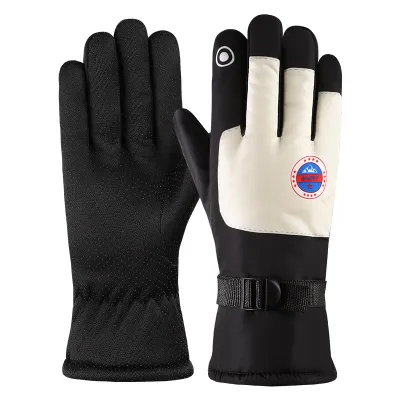

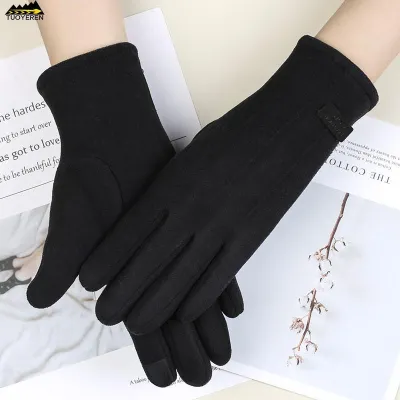
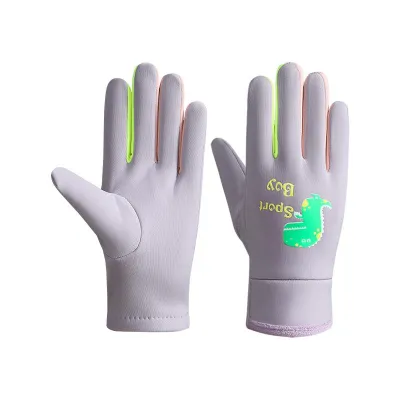
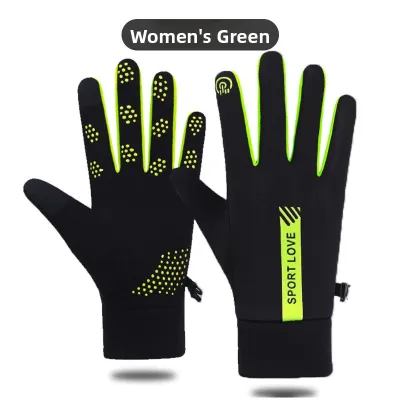
Prices are valid at publication and may change. Please refer to the product page for the latest price.
How Windproof Gloves Actually Work: Membranes vs. Weaves
To understand why some gloves block wind while others let it pass, we must look at the structural physics of textile and leather barriers. Wind penetration occurs when moving air molecules find gaps in a material’s structure. In standard woven fabrics, even tightly constructed ones, minuscule spaces exist between the warp and weft threads. At highway speeds, the high pressure of oncoming air easily forces its way through these microscopic gaps, leading to rapid air exchange and cooling.
To qualify as true windproof gloves, gear must feature a barrier that reduces air permeability to near zero. This is typically achieved in one of three ways: a solid, non-porous material like thick, unperforated leather; a tightly bonded laminate layer; or a specialized windproof membrane. Membranes are ultra-thin layers of synthetic polymers (such as polyurethane or polytetrafluoroethylene) that are bonded to the glove’s textile shell. Because these membranes have no direct straight-through air paths, they stop the kinetic energy of the wind completely.
It is critical for riders to realize that material names alone do not guarantee wind protection. A glove labeled “leather” or “heavy textile” might seem solid, but thin leather, perforated panels, or loose textile weaves will still allow significant air intrusion. Before purchasing, always verify the specific construction details in the product documentation. Look for explicit mentions of a windproof membrane, wind-blocking laminate, or windproof rating rather than relying on generic marketing descriptions.
Furthermore, safety and compatibility are paramount when selecting any motorcycle gear. When buying windproof or waterproof gloves, you must verify that they do not interfere with your vehicle’s controls. Check the glove’s dimensions, finger flexibility, and grip material against your motorcycle’s handlebar grips and lever positions. If your bike is equipped with aftermarket levers or heated grips, ensure the glove’s thickness allows for safe, unobstructed operation. Heated grips, in particular, can alter how moisture moves through a waterproof membrane, sometimes drawing external moisture inward due to the thermal gradient, so consulting your motorcycle’s manual and the glove manufacturer’s guidelines is highly recommended.
Waterproof Riding Gloves: The Built-in Wind Barrier
Waterproof motorcycle gloves are constructed using a multi-layer system designed to keep water out while allowing sweat vapor to escape. This exact same architecture makes them exceptionally reliable windproof gloves. The typical construction consists of an abrasion-resistant outer shell (such as high-denier nylon or leather), a waterproof-breathable membrane suspended beneath the shell, and a soft inner comfort liner.

The membrane features billions of microscopic pores. Each pore is roughly 20,000 times smaller than a drop of liquid water, but about 700 times larger than a molecule of water vapor. Because these pores are so incredibly small, they are completely impervious to the physical force of wind. This continuous physical barrier eliminates convective heat loss—often called wind chill—which occurs when cold air strips away the thin layer of warm air naturally insulating your skin. At high speeds, this wind barrier is vital for maintaining hand warmth.
However, this absolute barrier introduces a practical trade-off, particularly in tropical climates like Singapore. When riding in hot, humid conditions, the lack of direct airflow prevents evaporative cooling. During low-speed, stop-and-go traffic on congested urban roads like the CTE or Orchard Road, heat and sweat can quickly build up inside a waterproof glove. Without moving air to carry the moisture away, the hands can become damp and uncomfortable from the inside out.
To maintain the safety and performance of these specialized gloves, proper maintenance is essential. Never use harsh household detergents, bleach, or solvents to clean waterproof gloves, as these chemicals can degrade the membrane’s adhesive or clog its microscopic pores. Instead, always check the applied product’s label and the manufacturer’s care instructions before cleaning. Use only authorized textile or leather cleaners designed specifically for technical motorcycle gear, and allow the gloves to air dry naturally away from direct heat sources to prevent shrinkage or structural damage.
Breathable Riding Gloves: The Trade-Off Between Airflow and Wind Chill
Breathable riding gloves are designed with the exact opposite goal: maximizing airflow to keep the hands cool. Their construction relies heavily on highly porous materials, such as 3D mesh panels, open-weave textiles, or perforated leather. While these features are excellent for keeping hands dry and comfortable during hot, low-speed city riding, they offer almost no protection against wind. The open pathways that let heat escape also allow high-speed wind to blast directly onto the skin.
This direct exposure leads to rapid convective cooling. At expressway speeds of 80 to 90 km/h, even in warm climates, sustained wind exposure can cause significant wind chill, drying out the skin and lowering the temperature of the fingers. The safety implications of cold, wind-chilled hands are serious. As the hand’s core temperature drops, blood vessels constrict, leading to stiff joints, reduced tactile feedback, and slower muscle reaction times.
This delay can compromise your ability to modulate the front brake lever or smoothly operate the clutch in an emergency. Maintaining optimal hand temperature and dexterity is a fundamental safety requirement for active motorcycle control. Some manufacturers offer hybrid breathable gloves that feature a removable windproof or waterproof liner. While this design provides versatility, inserting the liner blocks the ventilation panels, effectively turning the glove into a sealed, non-breathable wind barrier.
When evaluating breathable gloves, riders must also consider their safety impact. Many lightweight summer gloves sacrifice protection for airflow. Ensure that any breathable glove you select still features robust knuckle armor (preferably CE-certified to EN 13594 standards) and palm sliders. A highly breathable glove that lacks structural reinforcement will offer minimal protection in a slide, so riders must balance the desire for cooling airflow with the physical safety requirements of motorcycle riding.
Waterproof vs Breathable Gloves: Feature-by-Feature Comparison
To help you decide which glove type fits your riding style, let us compare their performance across key operational dimensions. Both constructions have distinct physical limitations that dictate their ideal environments.
| Dimension | Waterproof Gloves | Breathable Gloves | Impact on Rider |
|---|---|---|---|
| Wind Blocking Efficiency | Excellent (100% block via continuous membrane) | Poor (high air penetration through mesh/perforations) | Direct control over wind chill and hand temperature. |
| Breathability and Cooling | Limited (restricted to vapor transmission, no direct airflow) | High (maximum convective cooling and sweat evaporation) | Determines comfort in hot, humid climates like Singapore. |
| Weather and Water Resistance | Complete protection against rain and external moisture | None (absorbs water quickly, leading to soggy hands) | Affects usability during sudden monsoon downpours. |
| Ideal Riding Environment | Sustained highway speeds, rainy weather, night riding | Low-speed urban commuting, heavy traffic, hot sunny days | Dictates which glove is safer and more comfortable for your route. |
| Hand Fatigue Risk | Low in cold/wind; high if hands overheat and sweat | High at high speeds due to wind chill and muscle stiffness | Directly impacts reaction times and lever modulation safety. |
When evaluating these dimensions, remember to check the manufacturer’s technical specifications. Look for independent testing standards, such as the EN 13594 certification for protective motorcycle gloves, which indicates the glove’s overall safety and construction quality. Additionally, consider the price bands of these products in Singapore; entry-level breathable mesh gloves typically range from S$50 to S$120, while premium waterproof gloves featuring advanced laminated membranes can range from S$150 to over S$400. Investing in the right category depends on which of these operational trade-offs aligns with your primary riding routes.
How to Choose the Right Gloves for Your Riding Conditions
Selecting the right gear depends entirely on your typical riding environment, speed, and weather exposure. Use this actionable framework to guide your next decision:
Choose Waterproof Gloves if:
- You regularly ride on high-speed expressways (like the PIE, AYE, or TPE) where wind chill is high.
- You commute during the monsoon seasons or frequently ride in heavy rain.
- You ride late at night when ambient temperatures drop and wind protection is crucial to prevent hand stiffness.
Choose Breathable Gloves if:
- Your riding consists mostly of low-speed, urban commuting in hot, humid weather.
- You prioritize maximum cooling and sweat evaporation over wind and rain protection.
- You rarely ride on high-speed roads or during wet weather.
Verify Before Buying:
- Always check the product tags and manufacturer documentation for the presence of a genuine windproof membrane or specific ventilation zones.
- Ensure the gloves fit correctly without restricting blood circulation, as tight gloves will compromise warmth and dexterity regardless of the material.
- If you choose leather gloves, always follow the manufacturer's care instructions and use only authorized leather conditioners to maintain the material's integrity and wind-blocking properties.
Ultimately, maintaining hand dexterity and temperature is critical for safe motorcycle control. If your hands are too cold and stiff from wind chill, or too sweaty and slippery from trapped heat, your ability to react to road hazards is compromised. Many experienced riders in Singapore choose to own two pairs of gloves: a highly ventilated mesh pair for daily city commuting, and a dedicated waterproof, windproof pair for highway riding, night trips, or wet-weather conditions.
Frequently Asked Questions (FAQ)
Can I use breathable mesh gloves for highway riding?
While you can physically wear mesh gloves on the highway, they are not ideal for sustained high-speed riding. The lack of wind protection allows high-velocity air to penetrate the glove, causing rapid wind chill and drying out your hands. Over time, this can lead to hand fatigue and stiffness, reducing your reaction speed when operating the clutch and brake levers.
Do waterproof gloves make your hands sweat in tropical weather?
Yes, waterproof gloves can cause sweat buildup in hot and humid tropical climates, especially during stop-and-go city riding. Because the membrane blocks external airflow, moisture from sweat cannot evaporate quickly. To mitigate this, look for waterproof gloves with advanced breathable membranes (like Gore-Tex) or carry a secondary pair of lightweight mesh gloves for slow-speed urban commutes.
Community discussion
Share your experience or ask a question. Comments are reviewed before publication.