
Choosing between waterproof and breathable riding gloves comes down to a fundamental physical compromise: you cannot block external water completely while allowing unrestricted airflow. Motorcyclists must decide whether they prioritize staying dry during sudden downpours or keeping their hands cool and sweat-free in intense heat. Understanding how these materials function under real-world riding conditions is the key to making an informed choice that balances comfort, control, and safety.
While many manufacturers promise “all-weather” performance, the reality of textile engineering means that every glove leans toward one side of this spectrum. A glove designed to seal out torrential rain will inevitably run warmer than a lightweight mesh alternative, while a highly ventilated glove will offer virtually no protection against a sudden storm. By analyzing your typical riding environment, commute duration, and safety requirements, you can select the gear that best supports your hands on the road.
The Core Trade-Off: Membrane Protection vs Mesh Airflow
To understand this trade-off, it helps to look at how these two types of gloves are constructed. Waterproof riding gloves typically rely on an internal membrane sandwiched between the outer shell and the inner lining. These membranes feature microscopic pores that are small enough to block liquid water droplets from entering, yet large enough to allow water vapor from your sweat to escape. However, this breathable process relies on a temperature and humidity differential between the inside of the glove and the outside air. When the external humidity is exceptionally high, or when you are riding in stop-and-go traffic, this differential shrinks, causing heat and moisture to build up inside the glove.
Products mentioned in this guide
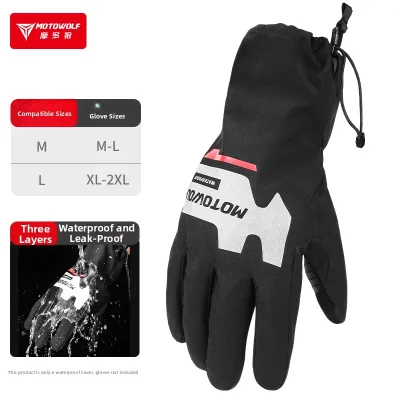
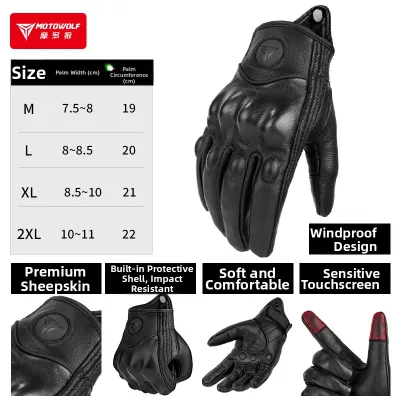
Prices are valid at publication and may change. Please refer to the product page for the latest price.
Conversely, breathable riding gloves prioritize direct ventilation. They are constructed using highly porous materials such as perforated leather, woven mesh panels, or lightweight synthetic textiles. This design allows wind to pass directly through the glove, facilitating rapid convective cooling and immediate sweat evaporation. The obvious drawback is that these materials offer no resistance to water. Even a light drizzle will quickly saturate the fabric, leaving your hands wet, cold, and prone to slipping on the controls.
Because marketing terms like “water-resistant” or “highly breathable” can be highly subjective, riders should look closely at the actual material specifications. High-quality waterproof gloves will often specify the brand or type of membrane used, while premium breathable gloves will detail the placement of ventilation zones. Checking the manufacturer’s technical specifications and care labels is the most reliable way to understand the physical limits of the materials before you ride.
Assessing Your Riding Environment and Climate
Your local weather patterns play a decisive role in determining which glove type should be your primary choice. In tropical climates like Singapore, riders frequently face a challenging combination of intense heat, high humidity, and sudden, heavy downpours. Navigating the wet seasons requires gear that can withstand torrential rain without letting water seep into your sleeves. If your daily route involves long stretches of highway riding during monsoon periods, a dedicated waterproof glove is essential to prevent wind chill and maintain a secure grip on the handlebars.

On the other hand, managing stop-and-go city traffic during dry, humid months demands maximum airflow. When you are idling at traffic lights or moving at low speeds, there is very little natural wind to cool your hands. In these scenarios, a fully sealed waterproof glove can quickly turn into a portable sauna, leading to sweaty palms that compromise your grip and comfort. Breathable mesh gear excels in these urban environments by maximizing whatever ambient airflow is available, keeping your hands dry from sweat and reducing rider fatigue.
Your daily commute distance and exposure time also shift these priorities. If your ride is a brief fifteen-minute trip to the office, you might tolerate getting slightly damp in a sudden shower for the sake of staying cool the rest of the week. However, if you are a commercial rider, a long-distance tourer, or someone who spends hours on the road daily, the consequences of wet hands—such as skin pruning, reduced tactile sensitivity, and discomfort—become much more severe. For these extended rides, matching your gloves precisely to the immediate weather forecast is critical for safety.
Essential Safety and Comfort Features to Verify
Regardless of whether you choose a waterproof or breathable model, safety must remain your top priority. Motorcycle gloves are a primary line of defense in a fall, and you should always verify that any pair you consider meets recognized safety standards. Look for product labels indicating certified impact protection, such as hard knuckle armor made of carbon fiber or heavy-duty polymers, and dedicated palm sliders. Palm sliders are particularly important because they allow your hand to slide smoothly across the asphalt during a fall, reducing the risk of scaphoid injuries and wrist hyperextension.
The durability of the glove depends heavily on its seam construction and stitching quality. Inspect the seams closely, especially around the palms, fingers, and outer edges of the hand, which are highly vulnerable during a slide. Double-stitching, reinforced leather overlays, and external seams—which place the stitching on the outside of the fingers to prevent chafing—are indicators of a well-constructed glove that will hold up under stress and regular wear.
Cuff design is another critical factor that affects both comfort and weather protection. Gauntlet cuffs are longer and extend over the sleeves of your riding jacket. This design is highly effective for sealing out cold wind and preventing rain from entering the glove, provided you tuck the cuff properly under or over your jacket sleeve depending on the rain’s direction. Short cuffs, by contrast, end at the wrist. They are much easier to slip on and off, offer greater wrist mobility, and allow air to flow up your jacket sleeves, making them a popular choice for hot-weather urban riding.
Finally, consider the functional details that impact your daily riding experience. Many modern gloves feature touchscreen-compatible fingertips, allowing you to operate navigation systems or smartphones without removing your gear. Additionally, check the grip texture on the palm and fingers. Wet weather can make rubber grips slick, so look for gloves that incorporate high-friction silicone patterns or textured leather overlays on the contact points to ensure you maintain precise control over the throttle, clutch, and brake levers at all times.
Decision Framework: Choosing Your Ideal Riding Glove
To finalize your choice, evaluate your specific riding profile against these clear, conditional guidelines. You should prioritize waterproof gloves if you ride year-round in regions prone to frequent, unpredictable rain, or if your daily commute involves high-speed highway travel where wind chill can quickly numb damp fingers. Waterproof models are also the logical choice for winter riding or long-distance touring where weather conditions can deteriorate rapidly without warning.
Conversely, you should choose breathable gloves if your riding is primarily concentrated in hot, dry climates, or if you spend the majority of your time navigating slow-moving city traffic. The superior ventilation of mesh or perforated leather will prevent sweat accumulation, keep your hands comfortable, and reduce the mental fatigue associated with riding in extreme heat.
For many riders, the most practical solution is a two-pair rotation strategy. Instead of searching for a single glove that attempts to do everything, keeping two distinct pairs allows you to adapt to changing conditions instantly. You can wear lightweight, breathable mesh gloves for your standard dry commutes, while keeping a compact pair of waterproof gloves stored in your motorcycle’s under-seat compartment or backpack, ready to be deployed the moment the sky darkens.
Before making a purchase, always verify the specific details of the model you are considering. For example, if you are looking at options from popular gear brands like Motorwolf, do not rely solely on general product titles. Check the official product specification sheets to confirm whether the glove features a verified waterproof membrane, specific ventilation panels, or certified armor ratings. This step ensures that the glove you choose matches your exact performance and safety expectations.
Frequently Asked Questions (FAQ)
Can I use waterproof gloves in hot weather if I just open the vents?
While some waterproof gloves feature zippered or mesh vents on the outer shell, their cooling efficiency is physically limited. The air that enters these vents typically only circulates between the outer material and the internal waterproof membrane. Because the solid membrane still completely surrounds your hand to keep water out, it continues to restrict the direct escape of heat and sweat vapor. In peak tropical heat or high humidity, even vented waterproof gloves will feel significantly warmer and sweatier than a dedicated mesh or perforated glove.
How do I clean and maintain the waterproof membrane?
Proper maintenance is essential to preserve the performance and lifespan of a waterproof glove. Always consult the manufacturer’s care tag before cleaning. Avoid using harsh household detergents, bleach, or fabric softeners, as these chemicals can clog the microscopic pores of the membrane or strip away the outer fabric’s Durable Water Repellent (DWR) coating. Instead, hand wash the gloves using a mild, technical gear cleaner. Gently rinse them with clean water and allow them to air-dry naturally in a well-ventilated area away from direct heat sources like radiators or intense sunlight, which can dry out leather and damage the internal membrane.
Community discussion
Share your experience or ask a question. Comments are reviewed before publication.