
When selecting the right motorcycle gloves, your choice of hand gear directly impacts both your control over the bike and your physical comfort. The decision between waterproof and breathable options is not merely about staying dry; it dictates how well you can operate your vehicle’s controls under varying weather conditions. Selecting the incorrect type can lead to sweaty, slippery palms in high heat or numb, freezing fingers during a sudden downpour, both of which compromise your safety on the road.
Your choice between waterproof and breathable riding gloves depends almost entirely on your local climate, typical riding hours, and tolerance for wet versus sweaty hands. Waterproof gloves are essential for cold, consistently wet, or winter touring conditions where moisture must be kept away from the skin to prevent wind chill. Conversely, breathable gloves are mandatory for hot, humid, and dry environments to prevent sweat buildup, maintain a secure grip, and keep your hands cool. For riders in tropical regions like Singapore who face unpredictable, sudden rain, a hybrid approach is often best: wear breathable gloves for daily comfort and carry lightweight waterproof over-gloves or a spare waterproof pair in your storage compartment for heavy downpours.
The Core Differences: How Waterproof and Breathable Gloves Work
To make an informed decision, you must first understand the engineering principles behind these two distinct types of protective hand gear. Each style utilizes specific materials and construction techniques to manage moisture, airflow, and physical protection, resulting in vastly different performance characteristics on the road.
Products mentioned in this guide
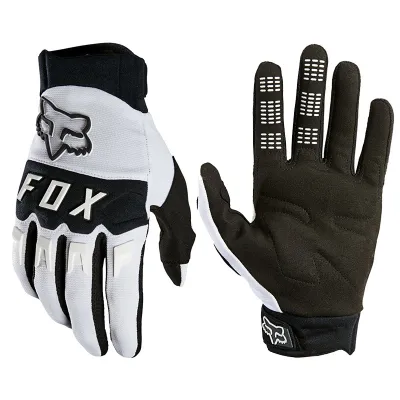
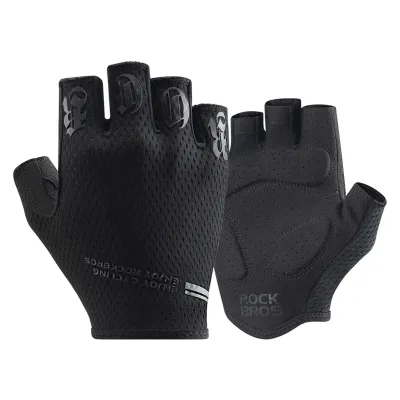
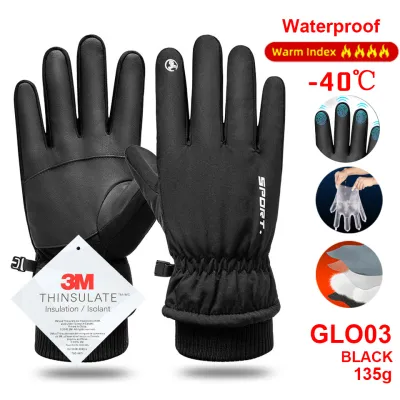
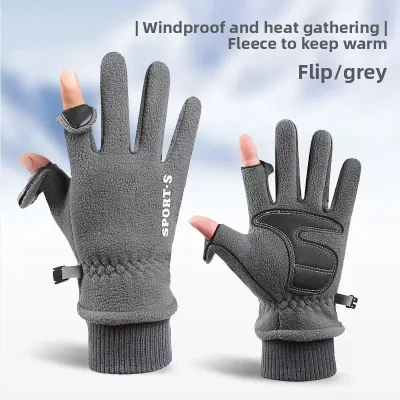
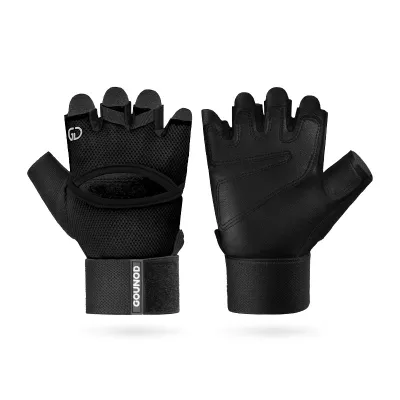
Prices are valid at publication and may change. Please refer to the product page for the latest price.
The Mechanics of Waterproof Riding Gloves
Waterproof gloves rely on a multi-layered construction to seal out external moisture. The core of this system is an internal waterproof membrane, typically made from polytetrafluoroethylene (PTFE) or polyurethane (PU). These membranes feature microscopic pores that are small enough to block liquid water droplets from entering, yet large enough to allow microscopic sweat vapor molecules to escape.
However, the membrane alone cannot prevent water ingress if the surrounding structure is weak. Manufacturers must seal or tape every internal seam to prevent water from leaking through the needle holes created during stitching. Some high-end designs laminate the waterproof membrane directly to the outer shell, which prevents the glove from waterlogging and becoming heavy.
This protective barrier introduces several physical trade-offs. The additional layers of fabric, insulation, and membranes inherently reduce tactile feedback, making it more difficult to feel subtle movements in your throttle, clutch, and brake levers. These gloves are also bulkier and restrict direct airflow, which can cause heat to build up rapidly inside the glove when you are not riding in cold conditions.
The Mechanics of Breathable Riding Gloves
Breathable gloves are engineered to maximize direct airflow and facilitate rapid moisture evaporation. To achieve this, manufacturers utilize highly porous materials such as perforated leather, high-tensile textile mesh panels, and open-weave synthetic fabrics. These materials allow wind to pass directly through the glove, cooling your skin and instantly evaporating sweat as you ride.
This continuous air circulation is critical for regulating hand temperature and preventing moisture buildup during high-exertion riding or in warm weather. By keeping your skin dry, breathable gloves help maintain a consistent coefficient of friction between your palms and the handlebar grips, ensuring your hands do not slip during sudden maneuvers.
Despite their excellent ventilation, these materials offer zero resistance to external liquid water. When exposed to rain, perforated leather and mesh panels act like a sponge, absorbing water instantly and transferring it directly to your skin. Once soaked, these gloves lose their insulating properties and can become heavy, soggy, and uncomfortable.
Real-World Performance: Navigating Tropical Heat and Sudden Rain
In tropical environments characterized by high temperatures, intense humidity, and sudden monsoon downpours, the differences between these two glove types become stark. Understanding how each performs in these extreme conditions is vital for maintaining comfort and control.

Riding in High Heat and Humidity
For daily commuting in tropical climates, breathable gloves are vastly superior. The constant flow of ambient air through the mesh panels prevents the uncomfortable “boil-in-the-bag” effect, where sweat becomes trapped inside the glove and heats up to match your body temperature. This ventilation keeps your hands dry and ensures your skin remains comfortable even during prolonged exposure to the sun.
Wearing waterproof gloves in high ambient temperatures presents a distinct safety risk. When the external temperature and humidity are high, the physical pressure differential required for a waterproof membrane to vent sweat vapor disappears. As a result, your hands sweat excessively, and the moisture remains trapped inside the glove. This internal dampness can make your hands slippery, severely compromising your ability to operate the front brake lever, clutch, and handlebar switches safely.
Even advanced, premium waterproof membranes struggle to vent sweat effectively when the outside air is hotter and more humid than the microclimate inside the glove. Without a temperature gradient to drive the vapor outward, the moisture simply condenses against the inner lining, leaving you with wet hands despite the lack of external rain.
Handling Sudden Rain and Wet Roads
When a sudden tropical downpour hits, breathable mesh or perforated leather gloves will become soaked within seconds. The water quickly saturates the textile fibers or leather pores, making the gloves heavy and cold. This rapid cooling can cause your fingers to stiffen, reducing your reaction time and grip strength on wet, slippery controls.
Waterproof gloves excel at keeping external rain out, protecting your hands from the direct impact of driving rain and road spray. However, if your hands were already sweating heavily before the rain started, the inside of the glove may still feel damp due to the trapped condensation. This phenomenon often leads riders to believe their waterproof gloves are leaking, when they are actually experiencing trapped sweat.
To ensure complete dryness in wet weather, you must pay close attention to the wrist closure of your waterproof gloves. If the glove cuff is worn outside your jacket sleeve, rain running down your arm will enter the glove through the opening. A secure, adjustable wrist strap and a properly configured cuff—ideally tucked under a waterproof jacket sleeve—are essential to prevent water from bypassing the protective membrane entirely.
Protection, Tactile Feel, and Daily Maintenance
Beyond weather resistance, you must evaluate how your hand gear performs regarding physical safety, control feedback, and long-term durability. Both glove types require different care routines to preserve their protective qualities and functional lifespans.
Impact Protection and Tactile Feedback
Both waterproof and breathable gloves can offer excellent impact and abrasion protection, provided they are designed with high-quality materials. You should never assume that a bulkier waterproof glove is inherently safer than a lightweight breathable one. To verify the safety level of any glove, always check the physical product label for recognized CE certifications, specifically the EN 13594 standard, which evaluates knuckle protection, seam strength, and abrasion resistance.
When it comes to tactile feedback, breathable gloves—especially those constructed from thin, perforated goatskin or lightweight summer mesh—offer a superior connection to your motorcycle. The minimal material thickness allows you to feel the subtle vibrations of the engine and operate small handlebar switches, indicators, and GPS screens with high precision. Waterproof gloves, by comparison, are stiffer and bulkier due to their multi-layer design, requiring a brief break-in period before they conform comfortably to your hand shape.
Durability and Care Requirements
The materials used in these gloves dictate their maintenance needs and long-term durability. Perforated leather gloves require regular conditioning with specialized leather creams to prevent the hide from drying out, shrinking, and cracking around the ventilation holes. If left untreated, exposure to sweat acids and UV radiation will weaken the leather, compromising its structural integrity in a crash.
Waterproof gloves require careful handling to preserve their internal membranes. Harsh detergents, fabric softeners, and high heat can damage or clog the microscopic pores of a PTFE or PU membrane, permanently destroying both its waterproofness and its limited breathability. When cleaning these gloves, you must follow the manufacturer’s specific washing and drying labels, using mild soaps designed for technical apparel and allowing them to air dry away from direct heat sources.
| Dimension | Waterproof Gloves | Breathable Gloves |
|---|---|---|
| Water Resistance | High (blocks liquid water completely) | None (absorbs water instantly) |
| Airflow & Cooling | Low (retains heat, limits air exchange) | High (direct ventilation, evaporative cooling) |
| Tactile Feedback | Moderate (reduced feel due to bulk and layers) | High (excellent lever feel and switch control) |
| Ideal Climate | Cold, wet, winter, or sustained rain | Hot, humid, dry, or summer conditions |
| Primary Maintenance Focus | Membrane preservation (use specialized soap) | Leather conditioning (prevent cracking/drying) |
The Final Verdict: How to Choose Your Next Pair of Hand Gear
Selecting the right gloves requires a realistic assessment of your riding habits, typical weather patterns, and personal comfort preferences. Use the following profiles to determine which style fits your riding needs.
Choose Waterproof Gloves If:
- You ride primarily in cold, consistently wet, or winter climates where keeping moisture away from your skin is critical to preventing hypothermia.
- You engage in long-distance touring where you cannot afford to stop and wait out heavy rainstorms.
- You prioritize dry hands over maximum airflow and are willing to accept reduced tactile feedback and increased bulk.
Choose Breathable Gloves If:
- You commute daily in hot, humid, or dry tropical climates where heat management and sweat prevention are your primary concerns.
- You prioritize maximum airflow, precise tactile feedback, and excellent control over your motorcycle's levers and switches.
- You can tolerate wet hands during brief, occasional rain showers or have the flexibility to wait out sudden downpours under shelter.
Consider a Hybrid Approach If:
- You ride in regions with highly unpredictable tropical weather, such as Singapore. For these conditions, the most practical solution is to wear a high-quality, breathable mesh or perforated leather glove for your daily rides to ensure comfort and grip. To handle sudden storms, keep a pair of lightweight, packable waterproof over-gloves or a secondary pair of dedicated waterproof gloves in your motorcycle's under-seat storage or top box.
Verify First Before Buying
Before making your final purchase, always verify the fit and certification of your selected gloves. Check the manufacturer’s specific size chart, as sizing can vary significantly between brands. When trying them on, physically hold a motorcycle grip to ensure the knuckle protectors align correctly over your joints and do not pinch. Finally, inspect the physical tag inside the glove to verify that it carries a legitimate CE safety certification, ensuring your hand gear provides the necessary abrasion and impact protection on the road.
Frequently Asked Questions (FAQ)
Can I use waterproof gloves in the summer?
Using insulated or heavy waterproof gloves in the summer is highly uncomfortable and can introduce safety risks. The lack of ventilation causes excessive sweat to build up inside the glove, making your hands slippery and reducing your grip on the handlebars and levers. If you must have water protection in hot weather, look for non-insulated, lightweight waterproof gloves specifically designed for warm-weather riding, or use breathable gloves paired with quick-drying properties.
Are perforated leather gloves safe in a crash?
High-quality perforated leather gloves offer excellent abrasion resistance and are highly safe in a crash, provided they are constructed correctly. Reputable manufacturers strategically place perforations away from high-impact zones, such as the palms and outer edges of the hands, to preserve the structural integrity of the leather. Always look for gloves that feature CE-certified impact protectors on the knuckles and palms to ensure adequate protection.
How do I know if a waterproof glove is truly waterproof?
To verify if a glove is truly waterproof, look for fully sealed or taped internal seams and reputable waterproof membrane labels, such as Gore-Tex, Drystar, or Hydratex. Gloves that rely solely on an external Durable Water Repellent (DWR) coating are only water-resistant; this coating will wear off over time and allow water to penetrate the fabric. True, long-term water resistance requires an internal membrane barrier combined with robust seam construction.
Community discussion
Share your experience or ask a question. Comments are reviewed before publication.