
Choosing the right motorcycle glove is not about finding a single, universally superior option; instead, it is about matching your gear to your specific riding environment, local weather patterns, and personal comfort limits. For riders navigating unpredictable weather, the choice between a waterproof glove and a highly breathable one directly impacts both comfort and control. While one style prioritizes keeping your hands dry during sudden downpours, the other focuses on maximizing airflow to prevent sweat buildup in sweltering heat. Understanding how these designs function in real-world conditions is the first step toward making an informed purchase that keeps you safe and comfortable on every journey.
Core Functional Differences: Membranes vs Airflow
To understand the difference between these two categories, you must look at their internal construction. Waterproof motorcycle gloves rely on specialized internal membranes or laminated coatings. These membranes feature microscopic pores that are small enough to block liquid water droplets from entering, yet large enough to allow microscopic moisture vapor—such as sweat—to escape. However, this vapor transfer process requires a temperature and humidity differential between the inside and outside of the glove to work effectively. If the external air is highly humid, this transfer slows down significantly, which is why even high-end waterproof gloves can sometimes feel damp inside.
In contrast, breathable motorcycle gloves are engineered to maximize direct airflow across your skin. Instead of solid barriers, they utilize highly porous materials such as woven mesh panels, perforated leather, or lightweight, unlined textile fabrics. These materials allow wind to pass directly through the glove as you ride, instantly evaporating sweat and cooling your hands. Because they lack the extra layers and membranes found in waterproof gear, breathable gloves are typically much thinner and offer a more direct connection to your bike’s controls.
Products mentioned in this guide
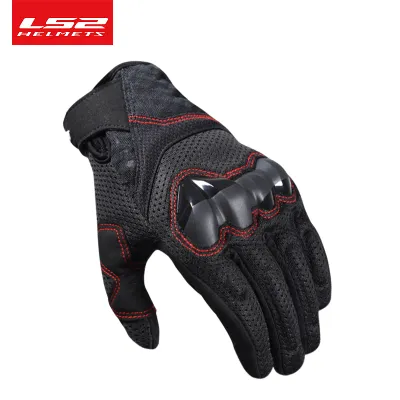
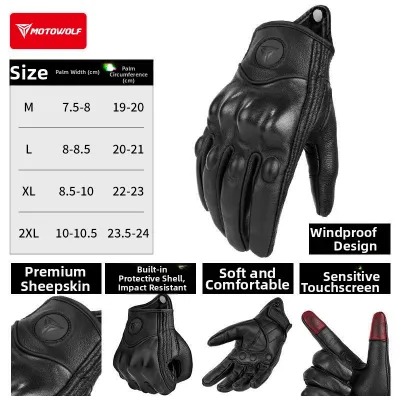
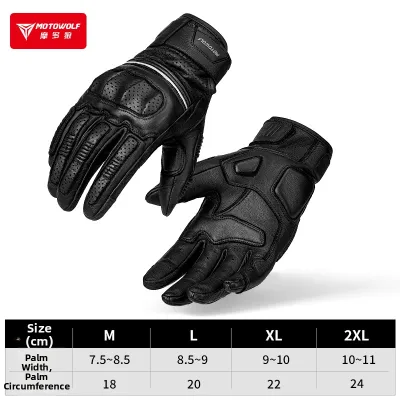
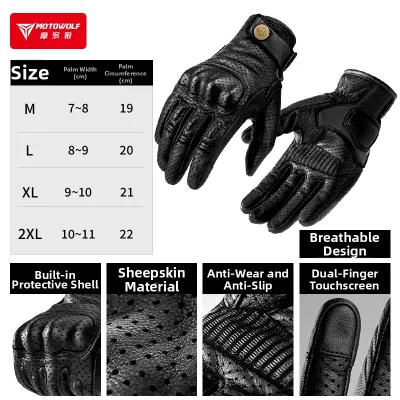
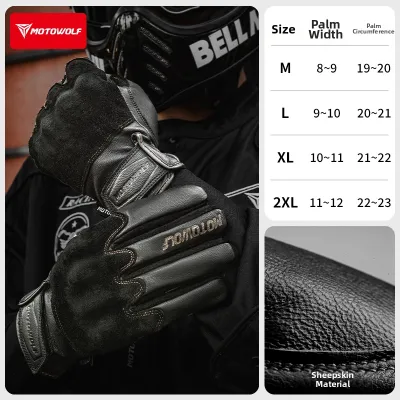
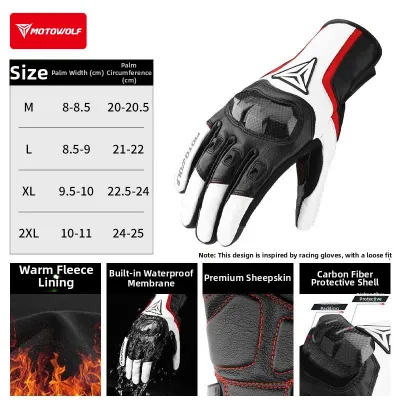
![[SG SELLER] ANTI-SLIP MOTORCYCLE SPORTS UNISEX FULL GLOVES [347]](https://img.lazcdn.com/g/p/06ceb7ff386e39d7e057964951de7e2a.jpg_400x400q80.jpg_.webp)
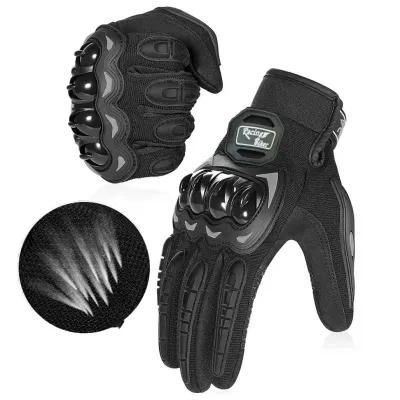
Prices are valid at publication and may change. Please refer to the product page for the latest price.
When shopping, it is crucial to look past generic marketing terms like “water-resistant” or “windproof” and inspect the manufacturer’s technical labels. True waterproof gloves will explicitly list the specific membrane technology used, such as Gore-Tex, Drystar, or Hydratex, along with their construction type (such as laminated or floating liners). Breathable gloves should specify the placement of mesh panels or the percentage of perforated leather. Checking these technical specifications ensures you know exactly what level of protection and airflow you are paying for before you head out onto the road.
Weather and Climate Considerations for Your Commute
Your daily riding route and local climate are the most critical factors when deciding between these two glove types. In tropical regions like Singapore, riders face a unique combination of intense heat, high humidity, and sudden, heavy downpours. A typical daily commute might start under a scorching sun and end in a torrential afternoon thunderstorm. This unpredictable weather makes choosing a single pair of gloves challenging, as the ideal gear for a dry afternoon is vastly different from what you need when the skies open up.

When you wear fully waterproof gloves in hot, slow-moving traffic, you are highly likely to experience the “greenhouse effect.” Because there is little to no wind passing over the glove to facilitate moisture transfer, heat and sweat become trapped inside the sealed membrane. Over time, this accumulation of sweat can make the interior lining damp, sticky, and uncomfortable, which not only degrades your riding experience but can also make the gloves difficult to pull off and put back on.
On the other hand, relying solely on breathable mesh gloves during a heavy downpour presents its own set of safety risks. While they keep your hands cool in dry weather, mesh panels offer zero resistance to rainwater. Once your hands become thoroughly soaked, wind blast can rapidly cool your skin, leading to shivering, stiff fingers, and reduced tactile sensitivity. This physical stiffness directly compromises your safety, as it slows down your reaction times when operating the front brake lever or clutch in wet, low-grip conditions.
Comfort, Dexterity, and Safety Trade-offs
The structural differences between these gloves also dictate how they feel on your hands and how much control you have over your motorcycle. Waterproof gloves are inherently thicker due to their multi-layered construction, which typically includes an outer shell, the waterproof membrane, a thermal or comfort liner, and protective elements. This extra bulk requires a longer break-in period before the materials conform to your hands, and it can make the gloves feel stiff and restrictive during your first few rides.
This added thickness directly impacts your dexterity and tactile feedback. Operating small switchgear, adjusting your mirrors, or maintaining precise throttle and brake control can feel muted or clumsy when wearing bulky waterproof gloves. Breathable gloves, especially unlined mesh or perforated leather options, offer a much closer fit and superior tactile feedback. They allow you to feel the subtle vibrations of the handlebars and the exact engagement point of your levers, which can enhance your confidence and control in tight urban traffic.
However, prioritizing comfort or weatherproofing must never come at the expense of impact and abrasion protection. Regardless of whether you choose a waterproof or breathable design, you must verify that the gloves carry independent safety certifications, such as the CE marking (specifically EN 13594 for motorcycle gloves). Look for robust safety features like hard knuckle protectors, reinforced palm sliders made of abrasion-resistant materials, and double-stitched seams in high-impact zones. A well-designed breathable glove can offer just as much crash protection as a heavy waterproof glove, provided it uses high-quality materials and certified armor in the right areas.
Decision Framework: Which Glove Type Should You Choose?
To determine which glove type best suits your needs, you can apply a simple decision framework based on your primary riding habits, typical routes, and tolerance for wet weather.
You should choose waterproof motorcycle gloves if your daily commute is non-negotiable regardless of the weather, or if you frequently ride long distances on highways where sudden rainstorms are common. They are also the ideal choice for early morning or late-night rides when temperatures drop, as the windproof membrane helps retain body heat. If your priority is keeping your hands completely dry and warm, and you do not mind a slight reduction in tactile feedback, a high-quality waterproof glove is your best option.
Conversely, you should choose breathable motorcycle gloves if you primarily ride in dry, hot weather, or if your routes consist mostly of low-speed urban traffic where maximum airflow is required to prevent sweating. They are also highly recommended for riders who prioritize maximum dexterity, throttle sensitivity, and a lightweight feel. If you rarely ride in the rain or have the flexibility to wait out a sudden storm under shelter, the comfort and cooling performance of a breathable glove are unmatched.
For many riders, the most practical solution is a hybrid approach or owning two dedicated pairs of gloves. Some manufacturers offer hybrid gloves featuring removable waterproof or thermal liners, allowing you to adapt the gear to changing weather conditions. Alternatively, keeping a lightweight pair of breathable mesh gloves on your hands for daily dry riding, while storing a compact pair of waterproof gloves in your under-seat compartment or backpack, ensures you are prepared for Singapore’s sudden tropical downpours without sacrificing daily comfort. While this requires spending a few extra S$ upfront, the dual-glove approach offers the best of both worlds.
Essential Fit and Feature Checks Before Buying
Before making your final purchase, there are several physical design elements and fit checks you should perform to ensure the gloves perform effectively on the road. First, pay close attention to the cuff length and closure systems. Long gauntlet cuffs are excellent for waterproof gloves as they can be tucked under or over your jacket sleeves to create a complete seal against rain, while short cuffs with secure Velcro straps are often preferred for breathable gloves to allow air to flow up your sleeves.
Next, inspect the construction details of the gloves. For waterproof options, look for taped or sealed seams, which prevent water from seeping through the stitching holes over time. A highly practical feature to look for on waterproof gloves is a built-in visor wiper blade—usually a small rubber strip on the index finger—which allows you to clear rainwater from your helmet visor safely while riding. For breathable gloves, ensure that the mesh panels are strategically placed in low-impact areas, leaving heavy-duty leather or textile reinforcements on the palms and outer edges of the hands.
Finaly, never buy motorcycle gloves without trying them on and simulating a riding grip. Put the gloves on, make a fist, and pretend you are gripping the handlebars. Check that the knuckle armor aligns perfectly over your joints without pinching or digging into your skin. Ensure there is no excess material bunched up in the palms, which can cause blisters, and verify that your fingertips do not press hard against the ends of the gloves, as this can cause severe discomfort and numbness during longer rides.
Frequently Asked Questions (FAQ)
Can I use waterproof motorcycle gloves in hot weather?
While you can wear waterproof gloves in hot weather, their performance will be limited by the laws of thermodynamics. In high temperatures and high humidity, the temperature difference between the inside of the glove and the outside air is minimal, which stops the waterproof membrane from effectively transferring moisture vapor outward. This leads to rapid sweat buildup, making your hands feel hot, damp, and uncomfortable. For extended riding in hot weather, a dedicated breathable glove is highly recommended to maintain grip and comfort.
Do breathable mesh gloves offer enough protection in a crash?
Yes, high-quality breathable mesh gloves can offer excellent protection, provided they are designed correctly. The key is to look for gloves where the mesh panels are located only in low-risk zones, such as the back of the hand and between the fingers. The primary impact and slide zones—including the palms, the heels of the hands, and the outer edges—should always be constructed from highly abrasion-resistant materials like leather or heavy-duty textiles, reinforced with hard sliders and certified knuckle armor.
Community discussion
Share your experience or ask a question. Comments are reviewed before publication.