
Choosing the right gear is one of the most critical decisions a rider makes, directly impacting both control and comfort. When evaluating the various motorcycle gloves men can choose, the decision often boils down to a fundamental conflict: do you prioritize keeping your hands dry from external rain, or do you focus on keeping them cool and dry from internal sweat? There is no single glove that excels at both in extreme conditions. The correct decision depends on your daily route, local weather patterns, and how you manage the trade-offs between physical protection, weatherproofing, and ventilation.
Quick Answer: Which Glove Type Fits Your Ride?
Selecting between waterproof and breathable options requires analyzing your specific riding environment rather than looking for a universal solution. The ideal choice is conditional and depends on your tolerance for rain versus heat.
Choose Waterproof Gloves if:
Products mentioned in this guide
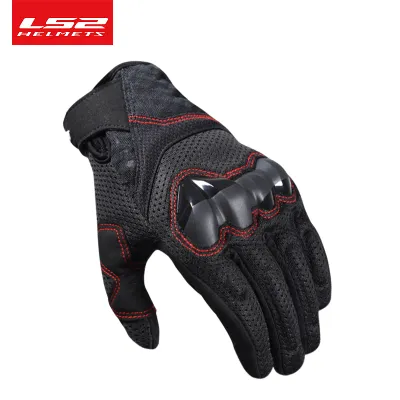
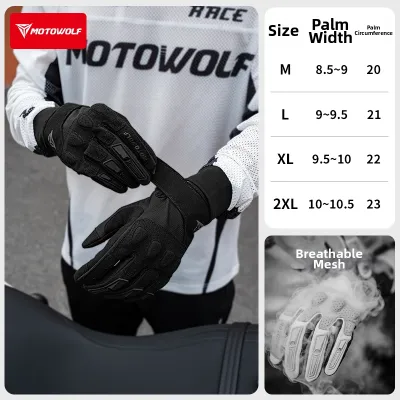
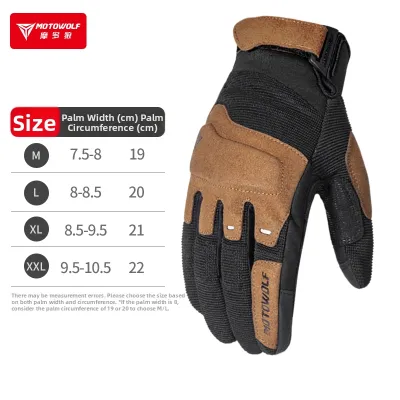
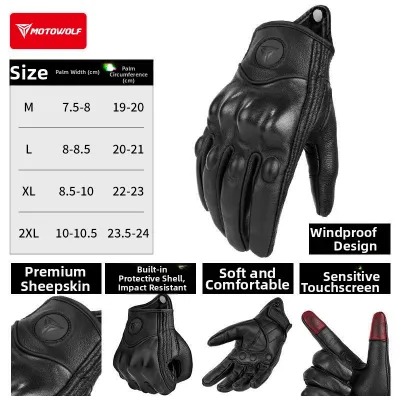
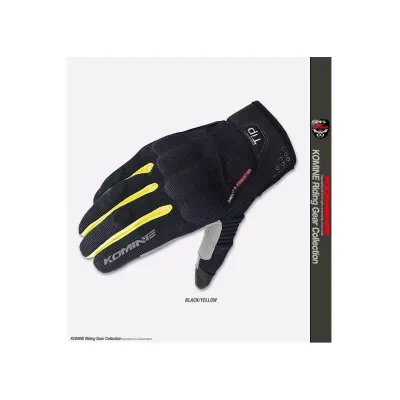
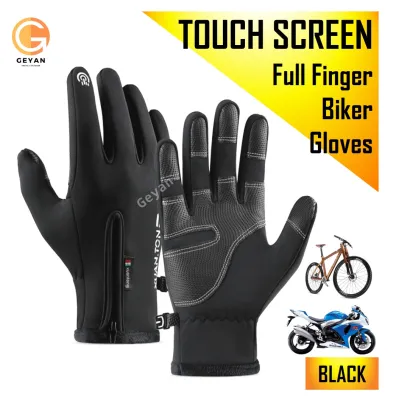
![[SG SELLER] KNUCKLE HALF AND FULL 1 PAIR OF FINGER MOTORCYCLE/BIKE GLOVES [446] [444]](https://img.lazcdn.com/g/p/cc6502014139c43f3b2211d29d8d77f0.jpg_400x400q80.jpg_.webp)
![[SG SELLER] MOTORCYCLE NON-SLIP SPORTS GLOVES [570] [675]](https://img.lazcdn.com/g/p/628e6268d6d4eb0eee988df47eec8429.jpg_400x400q80.jpg_.webp)
Prices are valid at publication and may change. Please refer to the product page for the latest price.
- You commute daily on fixed schedules where riding through heavy, unpredictable rain is unavoidable.
- You frequently tour through cooler regions or ride extensively during active monsoon seasons.
- You cannot tolerate the drop in hand temperature and grip control that occurs when wind hits wet leather or textile.
Choose Breathable Gloves if:
- You primarily ride in hot, high-humidity environments where sweat accumulation poses a constant threat to your grip.
- Your rides consist of short urban commutes or weekend leisure trips where you can easily seek shelter during sudden downpours.
- You prioritize maximum tactile feedback and immediate throttle, clutch, and brake control.
Verify Before Buying: Before making a purchase, check if a hybrid model with selective ventilation and light water resistance meets your needs, or consider carrying a compact pair of waterproof over-gloves. This allows you to enjoy the high airflow of mesh gloves on dry days while remaining prepared for sudden weather changes.
The Core Trade-Offs: Waterproof vs Breathable Construction
The primary challenge in glove engineering is managing the barrier between your skin and the elements. A material designed to block liquid water from entering from the outside inevitably restricts the escape of water vapor generated by your hands. Conversely, materials that allow unrestricted airflow to cool your skin offer no resistance to external moisture. Understanding how manufacturers navigate this physical barrier helps you identify which construction aligns with your riding habits.

Weather Protection and Waterproof Membranes
Waterproof motorcycle gloves rely on specialized inner liners to keep water out. These liners are typically made of expanded polytetrafluoroethylene (ePTFE) or polyurethane membranes. These membranes feature billions of microscopic pores that are small enough to block liquid water droplets but large enough to allow individual water vapor molecules (sweat) to escape. To support this system, manufacturers apply a Durable Water Repellent (DWR) coating to the glove’s outer shell, causing water to bead up and roll off rather than soaking into the fabric.
However, even the most advanced breathable membranes have physical limits. In hot weather, the temperature and humidity differential between the inside of the glove and the outside environment decreases, which significantly slows down the transfer of moisture vapor. This means that while liquid rain cannot get in, your sweat cannot easily get out, leading to a clammy feeling. Additionally, waterproof gloves require fully taped seams to prevent water from seeping through needle holes, and they must feature a gauntlet-style cuff that fits securely over or under your jacket sleeve to prevent water from running down your arm into the hand chamber.
Airflow, Ventilation, and Heat Management
Breathable gloves prioritize convective cooling to keep your hands dry and comfortable. They achieve this through the strategic use of perforated leather, open-weave textile mesh, and highly porous synthetic fabrics. By allowing air to flow directly across your skin, these gloves accelerate the evaporation of sweat, which naturally cools your hands and prevents the slippery, unstable grip associated with damp palms.
This direct airflow ensures excellent tactile feedback, allowing you to operate the throttle, front brake, and clutch with high precision. The trade-off, however, is absolute vulnerability to wet weather. The moment rain starts, these open-weave materials absorb water rapidly. Not only do your hands get wet, but the wind cooling effect on wet gloves can quickly chill your fingers, reducing your physical dexterity and slowing down your reaction times when operating critical controls.
How Singapore's Tropical Climate Affects Your Choice
Riding a motorcycle in Singapore presents a unique set of meteorological challenges. With year-round temperatures averaging above 30°C and relative humidity levels often exceeding 80%, sweat evaporation is naturally slow. For daily commuting through urban traffic, highly breathable mesh or perforated leather gloves are the practical default for many riders. Wearing a heavy, fully sealed waterproof glove in slow-moving traffic on the Pan Island Expressway (PIE) or during stop-and-go city riding can quickly turn the interior of your gloves into a hot, slippery sauna, compromising your grip on the handlebars.
However, Singapore’s climate is also defined by sudden, torrential downpours, particularly during the Northeast Monsoon (typically from November to January) and the Southwest Monsoon (from June to September). A rider wearing highly breathable mesh gloves will find them completely saturated within seconds of a storm’s onset. Saturated gloves become heavy, lose structural integrity, and can cause discomfort that distracts you from safe riding.
To handle these contrasting conditions, experienced local riders often adopt practical, multi-glove strategies:
- Carry a backup pair: Keep a compact, lightweight pair of waterproof gloves or specialized waterproof over-gloves in your under-seat storage or top box to deploy when the sky darkens.
- Seasonal rotation: Use lightweight, heavily ventilated mesh gloves during the drier months, and switch to dedicated waterproof-breathable gloves during the peak monsoon seasons when daily rain is guaranteed.
- Hybrid urban options: Look for short-cuff gloves that combine a lightweight textile back with a waterproof membrane, accepting that while they will run warmer than pure mesh, they provide essential protection against sudden afternoon showers.
Protection and Safety Features to Verify in Motorcycle Gloves Men Choose
While weather protection and ventilation are crucial for comfort, the primary purpose of any motorcycle glove is to protect your hands during an impact or slide. When shopping for motorcycle gloves men choose, you must never compromise on structural safety features in favor of climate comfort.
Abrasion Resistance In a fall, your natural instinct is to put your hands out to break your descent. Mesh panels and lightweight textiles are highly vulnerable to tearing under high-friction slides. Ensure that any breathable glove you choose features high-quality leather (such as goat or cowhide) or aramid fiber reinforcements in high-impact zones, particularly on the palms and the outer edges of the hands.
Impact Protection Verify that the gloves feature robust knuckle protection. Hard armor made of carbon fiber, thermoplastic polyurethane (TPU), or specialized energy-absorbing foam (like D3O) helps distribute impact forces away from delicate bones. Additionally, look for scaphoid sliders on the palm heel. These sliders allow your hand to slide smoothly across the asphalt rather than catching, which significantly reduces the risk of wrist fractures. A pinky finger bridge, which binds the ring and pinky fingers together, is also valuable for preventing finger separation and hyperextension during a slide.
Proper Fit and Ergonomics Men’s hands typically require specific proportions, characterized by wider palms and longer fingers relative to overall hand size. A poorly fitting glove can cause the knuckle armor to shift out of alignment, rendering it useless during an impact. Ensure there is no binding at the fingertips when your hand is wrapped around the handlebar grip, and verify that the wrist closure strap secures the glove firmly enough that it cannot be pulled off your hand when fastened.
Verifying Safety Certifications Do not rely on vague marketing terms like “heavy-duty,” “reinforced,” or “high-protection.” Instead, check the physical product label or manufacturer documentation for official safety certifications, specifically the European standard CE EN 13594. This standard tests the glove’s structural integrity, seam strength, abrasion resistance, and impact attenuation, ensuring you are purchasing a piece of protective safety gear rather than a simple fashion accessory.
Side-by-Side Comparison: Waterproof vs Breathable Motorcycle Gloves for Men
To help you evaluate the practical differences between these two glove types, the table below outlines how they perform across key riding and safety dimensions.
| Feature | Waterproof Gloves | Breathable (Mesh/Perforated) Gloves |
|---|---|---|
| Primary Use Case | Wet weather riding, monsoon commuting, cold-weather touring | Hot weather riding, daily dry commuting, high-humidity urban trips |
| Airflow & Cooling | Minimal; relies on internal membrane breathability | High; direct convective cooling through open mesh or perforations |
| Rain Protection | High; keeps hands completely dry from external water | Zero; absorbs water quickly and becomes saturated |
| Typical Material Profile | Heavy textile, leather outer, integrated membrane liner | Lightweight textile mesh, perforated leather, synthetic panels |
| Cuff Style Recommendation | Gauntlet cuff (to fit over/under jacket sleeves) | Short cuff (for maximum wrist mobility and airflow) |
| Safety Profile | High structural integrity; multiple material layers | Variable; requires leather palms and hard armor to match leather safety |
While this comparison highlights the general baselines of each category, premium materials can shift these dynamics. For example, a high-end waterproof glove featuring a direct-laminated membrane (where the waterproof layer is bonded directly to the outer shell) will offer better tactile feel and dry faster than a budget glove with a floating drop-liner.
Final Verdict: Building Your Glove Wardrobe
The reality of riding in a tropical environment is that a single pair of gloves is rarely sufficient to handle all weather conditions safely and comfortably. Attempting to find a single “do-it-all” glove often leads to compromises, leaving you with hands that are either uncomfortably hot on dry days or soaked and cold during heavy downpours. For committed riders, building a versatile glove wardrobe is the most practical approach.
Investing in two distinct pairs—a highly ventilated mesh or perforated leather pair for daily dry commutes, and a dedicated waterproof gauntlet glove for wet weather—ensures you are always prepared. Premium options (often costing upwards of S$150 to S$300) offer excellent long-term durability, while budget alternatives under S$50 can serve as useful backups. When maintaining your gloves, always follow the manufacturer’s care instructions. Air-dry wet gloves naturally away from direct heat sources like hair dryers or sunlight, as rapid heating can crack leather and damage internal waterproof membranes. If using waterproof gloves, periodically reapply a compatible Durable Water Repellent (DWR) spray to the outer shell to maintain water-beading performance.
Before making your final choice, always test the gloves while sitting on your motorcycle. Grip the handlebars, operate the levers, and feel for any pressure points or armor misalignment. Proper fit ensures that your protective gear works as intended when you need it most.
Frequently Asked Questions (FAQ)
Can I use waterproof motorcycle gloves in hot weather?
While you can physically wear waterproof gloves in hot weather, it is generally uncomfortable. The internal waterproof membrane blocks direct wind from reaching your skin, which prevents sweat from evaporating efficiently. In high-temperature environments like Singapore, this leads to hot, sweaty hands inside the glove, which can cause your skin to prune and make your grip feel slippery and insecure. If you must have a single glove for all conditions, look for models with direct-laminated membranes and zippered ventilation ports, but be prepared for reduced cooling compared to a dedicated mesh glove.
Are short-cuff or gauntlet gloves better for rain?
Gauntlet-style gloves are significantly better for riding in the rain. A gauntlet glove features an extended cuff that covers your wrist and overlaps with your motorcycle jacket sleeve. This design prevents rainwater from running down your arm and pooling inside your glove. When wearing gauntlets, ensure you tuck the cuff under your jacket sleeve if your jacket has a waterproof outer shell, or secure it tightly over the sleeve if the jacket is designed to shed water outward. Short-cuff gloves leave the wrist exposed, allowing water to easily enter the hand chamber from the cuff opening during heavy downpours.
How do I know if a breathable mesh glove is safe enough for street riding?
To verify if a breathable mesh glove offers adequate protection, look for the official CE EN 13594 certification label inside the glove. Safe mesh gloves do not use mesh fabric in high-risk impact or slide areas. Instead, they restrict the lightweight, open-weave mesh to low-impact zones like the back of the hand and between the fingers, while utilizing thick, double-layered leather or high-strength synthetic fabrics on the palm, thumb, and outer edge of the hand. Additionally, ensure the glove features hard knuckle armor and a secure wrist strap to keep the glove firmly in place during a slide.
Community discussion
Share your experience or ask a question. Comments are reviewed before publication.