
Selecting the right full-hand riding gloves is a critical decision that directly impacts your control, comfort, and safety on the road. The choice between waterproof and breathable designs is not a matter of finding a single ideal option; instead, it represents a fundamental engineering trade-off. Your decision should align with your primary riding climate, typical weather exposure, and personal comfort priorities.
Waterproof gloves prioritize keeping your hands dry during wet weather but inherently restrict airflow, which can lead to heat buildup. Breathable gloves maximize ventilation to keep your hands cool in hot conditions but offer virtually no protection against rain. Understanding how these designs differ in construction, performance, and safety will help you select the right gear for your riding needs.
Core Functional Differences in Glove Construction
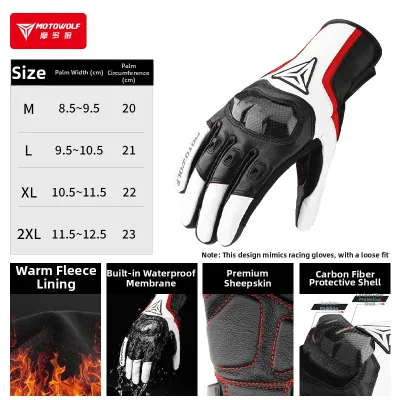
The primary difference between waterproof and breathable full-hand gloves lies in their physical construction and material layers. Waterproof gloves rely on an internal membrane situated between the outer shell and the inner liner. This membrane features microscopic pores that are small enough to block liquid water droplets from entering but large enough to allow water vapor from sweat to escape. To ensure complete water resistance, manufacturers also seal the seams of these gloves with specialized tape to prevent water from seeping through the stitching.
Products mentioned in this guide
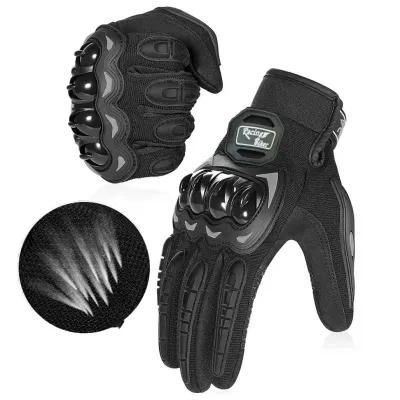
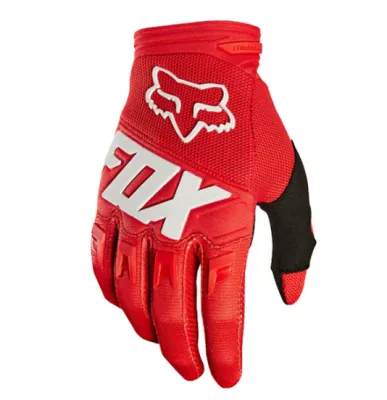
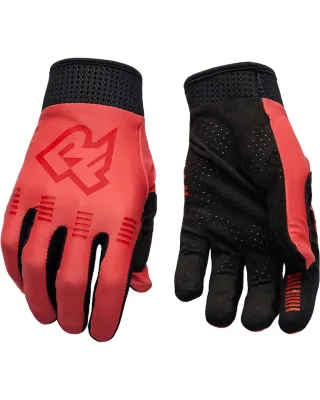
Prices are valid at publication and may change. Please refer to the product page for the latest price.
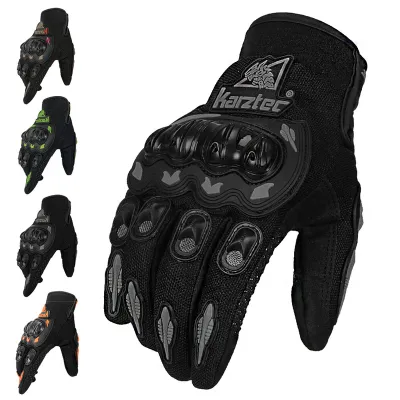
In contrast, breathable gloves are engineered to maximize direct airflow to the skin. They utilize highly porous materials such as perforated leather, open-weave mesh, or lightweight textiles. These materials allow wind to pass directly through the glove, cooling your hands through convective heat transfer as you ride.
This structural difference creates an unavoidable physical compromise. Blocking external moisture inherently reduces internal heat dissipation and airflow. When a manufacturer adds a waterproof barrier, they block the direct path of wind. Conversely, when they open up the glove with mesh panels to let the breeze in, they create direct pathways for rainwater to saturate the glove.
When shopping, look closely at the product tags and specifications. Waterproof gloves are typically labeled with terms like “WP,” “waterproof membrane,” or specific proprietary membrane names. Breathable gloves will feature terms like “perforated,” “mesh,” “air-flow,” or “ventilated” on their labels.
Assessing Your Riding Environment and Priorities
Your local climate is the most influential factor when choosing between these two glove types. For instance, riding in tropical, high-humidity environments like Singapore presents unique challenges. In these conditions, high ambient temperatures make heat dissipation difficult. Wearing a non-breathable waterproof glove can quickly lead to excessive sweating. This internal moisture cannot escape easily, resulting in clammy hands, reduced grip friction, and accelerated physical fatigue.

Conversely, during wet seasons, monsoon periods, or long-distance touring in unpredictable weather, the risks shift. Riding with wet hands in heavy rain or cooler temperatures can lead to rapid heat loss. This cooling effect can stiffen your fingers, slowing your reaction times when operating the brake and clutch levers. Wet leather also tends to stretch, degrade, and become slippery, compromising your control over the handlebars.
Your typical trip duration and riding style also dictate your needs. A short daily commute of fifteen minutes might allow you to tolerate slightly damp hands from a sudden downpour. However, if you are embarking on multi-hour tours or highway riding, even minor discomforts accumulate. High-speed wind on wet gloves accelerates evaporative cooling, making waterproof protection essential in wet weather, while long hot-weather rides demand continuous ventilation to prevent skin irritation and maintain a secure grip.
Key Dimensions to Compare on Product Labels
To make an informed purchase, you must look beyond aesthetic designs and marketing slogans. Evaluating gloves requires a systematic check of their technical specifications. Focus on three primary categories: weather management, tactile comfort, and certified safety standards. Always verify these details on the physical product labels or official manufacturer documentation.
Weather Protection and Moisture Management
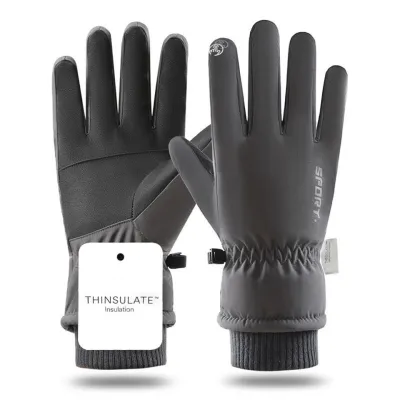
When examining weather-focused specifications, understand the difference between “water-resistant” and “waterproof.” Water-resistant gloves often rely on a Durable Water Repellent (DWR) coating applied to the outer fabric. While this coating causes light drizzle to bead up and roll off, it will eventually wet out during sustained rain. True waterproof gloves feature an integrated, impermeable membrane beneath the outer shell, combined with taped or welded seams that prevent water intrusion at the stitching points.
For breathable gloves, look at how they manage moisture. High-quality summer gloves do not just let air in; they also feature moisture-wicking inner liners. These liners pull sweat away from your skin toward the outer layers of the glove, where the passing airflow can evaporate it quickly, keeping your palms dry and slip-free.
Comfort, Dexterity, and Grip Control
The physical thickness of a glove directly affects your tactile feedback. Waterproof gloves, due to their multi-layer construction, are inherently bulkier. This extra material can reduce your sensitivity to the subtle vibrations of the throttle and make it slightly harder to articulate your fingers quickly.
Breathable gloves, especially those made of thin perforated leather or lightweight mesh, offer excellent dexterity. They allow for a more direct feel of the controls, reducing hand fatigue during long rides that require constant shifting and braking.
Regardless of the type, inspect the palm area. Look for specialized grip panels made of textured synthetic leather, silicone patterns, or high-friction materials. These panels must maintain their grip performance when wet, ensuring your hands do not slip off the bars during sudden maneuvers.
Safety Certifications and Abrasion Resistance
Weather protection should never come at the expense of impact and abrasion safety. Always look for official safety certifications on the glove’s inner label. In many regions, the standard to look for is the CE certification (specifically EN 13594). This standard indicates that the glove has undergone standardized testing for tear strength, seam strength, abrasion resistance, and impact protection.
Inspect the physical protective elements. High-quality full-hand gloves should feature hard knuckle protectors made of carbon fiber, TPU, or dense foam. Look for reinforced padding or hard sliders on the palm heel, as this is a common impact zone during a fall.
Finally, evaluate the wrist closure system. A secure hook-and-loop strap or retention system is vital. If a glove slips off your hand during a slide, its protective materials cannot help you. Ensure the closure can be adjusted tightly enough to keep the glove firmly in place.
Decision Framework: Choosing the Right Full-Hand Glove
To finalize your choice, apply this practical decision framework based on your specific riding profile:
- Choose Waterproof if: Your riding routine involves year-round commuting regardless of the weather, or you frequently ride through wet seasons and cooler climates. Keeping your hands dry in these conditions is not just about comfort; it is a safety measure to prevent stiff fingers and maintain precise control over your motorcycle's inputs.
- Choose Breathable if: You primarily ride in hot, dry, or highly humid conditions where rain is rare or easily avoided. In these environments, preventing sweat buildup is your primary safety concern, as dry hands ensure a reliable grip on the handlebars and prevent heat-related distraction.
- Verify first if: A product claims to offer "all-weather" or dual-purpose performance. Some hybrid gloves feature removable waterproof liners or zippered ventilation panels. While versatile, always check the manufacturer's specifications to understand their limits, as these designs are often bulkier than dedicated summer gloves and less insulated than dedicated winter waterproof gloves.
- Consider a two-pair setup: If you ride in a region with distinct wet and dry seasons, or if you commute daily in variable weather, relying on a single pair of gloves is often a compromise. Rotating between a dedicated breathable pair for hot days and a dedicated waterproof pair for rainy days ensures high comfort, safety, and longevity for both sets of gear.
Frequently Asked Questions (FAQ)
Can I use waterproof riding gloves in hot weather?
While you can physically wear them, using waterproof gloves in hot weather is generally not recommended. The internal membrane that keeps rain out also traps your body heat and sweat. In high temperatures, your hands will perspire heavily, and because the moisture cannot escape, the inside of the glove will become damp and hot. This can lead to skin irritation, a compromised grip on the controls, and overall discomfort. If you must ride in hot weather with a chance of rain, look for lightweight hybrid gloves that feature highly breathable outer fabrics combined with a thin, breathable waterproof membrane, or carry a spare pair of lightweight breathable gloves.
How do I maintain the waterproofing or breathability of my gloves?
Proper maintenance is essential to preserve the performance of your gloves. Always consult the manufacturer’s care label before cleaning. Avoid using harsh detergents, bleach, or fabric softeners, as these chemicals can clog the pores of breathable membranes or strip away the Durable Water Repellent (DWR) coating on waterproof gloves. Hand wash them using mild soap or specialized gear cleaners. Never machine dry or expose your gloves to direct heat sources like hair dryers or radiators, as extreme heat can damage waterproof membranes and shrink leather. Instead, allow them to air dry naturally in a well-ventilated area. If the outer fabric of your waterproof gloves starts absorbing water rather than shedding it, you can apply a manufacturer-approved DWR restoration spray to revive the water-beading effect.
Community discussion
Share your experience or ask a question. Comments are reviewed before publication.