
Choosing between waterproof and breathable LS2 riding gloves is a decision that directly impacts your daily comfort, control, and safety on the road. There is no single superior option; instead, the right choice depends entirely on your typical riding schedule, local weather patterns, and how you manage the tropical climate. In environments like Singapore, where intense humidity and sudden downpours are daily realities, understanding how each glove type performs under specific conditions is key to making a practical purchase.
Waterproof gloves are engineered to keep your hands dry during heavy rain, preventing the chilling effect and loss of grip that comes with wet hands. On the other hand, breathable gloves prioritize maximum airflow to keep your hands cool and dry from sweat during hot, sunny afternoons. Balancing these benefits requires looking closely at how each glove is constructed and identifying which trade-offs you are willing to accept during your daily commute or weekend tours.
Core Construction Differences in LS2 Riding Gloves
To make an informed choice, it is essential to understand the structural engineering that separates these two categories of LS2 riding gloves. Waterproof gloves rely on a multi-layered construction that features a specialized internal membrane. This membrane is designed with microscopic pores that are small enough to block external water droplets from penetrating the glove, yet large enough to allow microscopic sweat vapor molecules to escape. While this design provides excellent protection against rain, the physical presence of the membrane and the additional fabric layers inherently restrict direct airflow, making the glove feel warmer in high temperatures.
Products mentioned in this guide
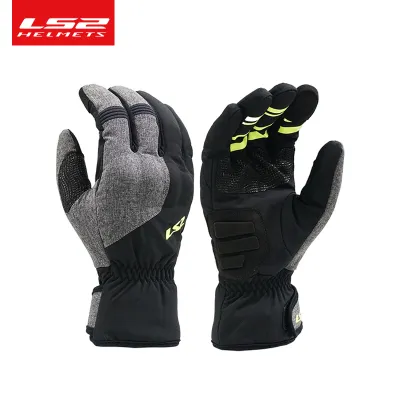
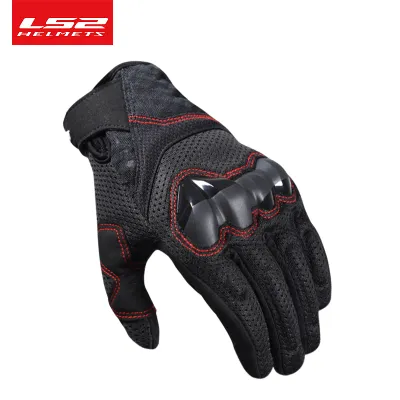
Prices are valid at publication and may change. Please refer to the product page for the latest price.
In contrast, breathable LS2 riding gloves are built with a focus on ventilation and lightweight comfort. These gloves typically feature extensive mesh panels, perforated leather, or high-airflow textile sections that allow wind to pass directly through to your skin. This direct ventilation rapidly evaporates sweat and keeps your hands cool, which is highly beneficial when navigating slow-moving urban traffic. However, because these materials are highly porous, they offer no resistance to water, meaning your hands will become saturated almost instantly in a rainstorm.
When evaluating these construction differences, always remember that specific membrane technologies, material compositions, and weatherproofing ratings vary across the LS2 product lineup. Rather than assuming performance based on appearance alone, you must verify the exact material specifications, membrane types, and construction details on the product tags or the official manufacturer documentation for the specific glove model you are considering.
When to Choose Waterproof LS2 Riding Gloves
Waterproof LS2 riding gloves are the most practical choice for riders who cannot afford to let wet weather disrupt their schedule. If you are a daily commuter who rides rain or shine, or if your routes frequently take you through areas prone to sudden, heavy tropical downpours, a dedicated waterproof glove is invaluable. Keeping your hands dry is not just a matter of comfort; wet hands quickly become cold and slippery, which can severely compromise your ability to operate the throttle, clutch, and brake levers safely.

These gloves are also highly beneficial during cooler early morning commutes or late-night rides when the ambient temperature drops and the wind feels noticeably colder. The windproof properties of the internal waterproof membrane help retain body heat, keeping your fingers nimble and responsive.
However, the primary trade-off of waterproof gloves is their performance in hot, dry conditions. During a typical sunny afternoon, the lack of direct ventilation can cause heat to build up inside the glove. This leads to sweat accumulation, which cannot escape fast enough through the membrane, resulting in a clammy, uncomfortable feel. Before purchasing, perform an actionable check: inspect the glove for sealed seams, verify the presence of an integrated waterproof membrane label, and ensure the wrist closure is designed to seal tightly over or under your jacket sleeve to prevent water from running down your arm into the glove.
When to Choose Breathable LS2 Riding Gloves
Breathable LS2 riding gloves are designed for riders who prioritize maximum cooling and comfort during hot, dry weather. If your riding consists primarily of daytime commutes, short urban trips, or weekend leisure rides where you can easily avoid bad weather, breathable gloves are the ideal option. The constant stream of fresh air passing through the mesh or perforated panels keeps your hands dry from sweat, prevents skin irritation, and significantly reduces hand fatigue over longer distances.
The lightweight construction of breathable gloves also tends to offer excellent flexibility and tactile feedback. Without the extra bulk of a waterproof membrane and thermal liners, you can feel the motorcycle’s controls more precisely, which enhances overall riding confidence.
The obvious trade-off, however, is the complete lack of water resistance. In a sudden downpour, breathable gloves will absorb water rapidly, leaving your hands soaked, cold, and uncomfortable for the remainder of your journey. When shopping for breathable options, make it a priority to inspect the perforation zones and mesh panels. Ensure that these high-airflow sections are strategically placed and do not compromise the structural integrity of the glove or the secure placement of critical safety features, such as knuckle protectors and palm sliders.
Comparing Key Decision Dimensions
Choosing between these two glove types requires a systematic comparison of how they perform across the key dimensions of daily riding. Weather adaptability is the most prominent differentiator: waterproof gloves excel in unpredictable or consistently wet conditions, whereas breathable gloves are strictly limited to dry weather. Temperature regulation is equally critical, as breathable gloves excel at shedding heat in stop-and-go traffic, while waterproof gloves can quickly become uncomfortably warm when the sun is fully out.
Tactile grip feedback is another area where the two designs diverge. Because waterproof gloves require multiple layers to seal out moisture, they are naturally thicker, which can slightly dampen your feel of the handlebar grips and levers. Breathable gloves, with their single-layer palms and lightweight textiles, provide a much more direct and immediate tactile connection to your motorcycle’s controls.
Maintenance and drying times also differ significantly. After a wet ride, a breathable glove that has been soaked will typically dry very quickly once placed in a well-ventilated area. A waterproof glove, if water manages to enter through the wrist opening, can take a substantial amount of time to dry completely due to the moisture-retaining properties of the internal liners.
To help you determine which style fits your riding habits, consider this simple decision framework:
- Choose waterproof gloves if: You ride daily regardless of weather forecasts, commute long distances where rain is highly likely, or frequently ride in cooler, wet conditions.
- Choose breathable gloves if: You primarily ride during hot, dry days, focus on short urban trips, or have the flexibility to postpone your ride when rain is expected.
| Rider Profile | Primary Glove Recommendation | Key Dimension to Verify |
|---|---|---|
| Daily Commuter | Waterproof LS2 Gloves | Verify wrist closure seal and seam construction |
| Weekend Tourer | Dual-Glove Strategy (Carry Both) | Verify storage space and quick-change accessibility |
| Urban / City Rider | Breathable LS2 Gloves | Verify mesh reinforcement and knuckle armor placement |
| Night Rider | Waterproof or Windproof LS2 Gloves | Verify reflective elements and thermal lining specs |
Verifying Safety, Fit, and Manufacturer Specs
While choosing between waterproof and breathable features is important for comfort, safety must always remain your primary consideration when selecting any riding glove. Regardless of the weather protection a glove offers, its main job is to protect your hands in the event of a fall or slide. Before making a final decision, always verify that the specific LS2 glove model carries a recognized safety certification, such as the CE EN 13594 standard label, which indicates the glove has undergone rigorous testing for abrasion resistance, seam strength, and impact protection.
Carefully inspect the placement and quality of the protective armor on the glove. Look for robust knuckle protectors, reinforced palm sliders, and scaphoid protection. These safety elements should be securely integrated into the glove’s chassis and must not shift or cause discomfort when you grip the handlebars. On breathable models, ensure the mesh panels are located away from high-impact zones, which should be constructed from highly abrasion-resistant materials like leather or heavy-duty textiles.
Proper fit is equally vital to both safety and comfort. A glove that is too tight can restrict blood circulation and cause hand cramps, while a glove that is too loose can slip off during an accident or bunch up, reducing your control over the motorcycle. When trying on LS2 gloves, your fingers should reach the tips of the glove without being uncomfortably compressed, and there should be no excess material flapping at the fingertips. The wrist closure must be strong, adjustable, and capable of keeping the glove firmly secured to your hand even under tension. If you find that your hand measurements conflict with a specific size, stop and consult the official LS2 sizing chart or seek assistance from an authorized retailer to ensure a proper fit.
Frequently Asked Questions (FAQ)
Can I use breathable gloves with waterproof over-mitts?
Yes, pairing breathable LS2 gloves with waterproof over-mitts is a viable layering strategy that offers excellent versatility. This setup allows you to enjoy maximum airflow during dry, hot conditions, while quickly pulling the waterproof over-mitts over your gloves when a sudden downpour begins. However, you must keep in mind that adding an extra layer over your gloves will significantly reduce your tactile feel and grip feedback. It is essential to practice operating your motorcycle’s controls with the over-mitts on in a safe environment to ensure you can still ride confidently and safely.
How should I dry waterproof riding gloves after heavy rain?
If your waterproof LS2 gloves become wet—either from water entering through the wrist cuff or from sweat buildup—they must be dried carefully to preserve the integrity of the internal membrane. Always air dry your gloves at room temperature in a well-ventilated area, away from direct sunlight. Never use external heat sources such as hair dryers, radiators, or clothes dryers, as excessive heat can melt the adhesive holding the waterproof seams together, warp the protective armor, or dry out and crack leather components. Hanging them with the wrist openings facing downward can also help moisture escape more efficiently.
Do waterproof gloves require special cleaning products?
Yes, waterproof gloves require careful maintenance to avoid damaging the specialized membrane or stripping away external water-repellent coatings. You should always consult and follow the specific washing instructions found on the care label of your exact LS2 glove model. Avoid using harsh household detergents, fabric softeners, or bleach, as these chemicals can clog the microscopic pores of the breathable membrane or degrade the synthetic materials and leather. Instead, use mild, technical fabric cleaners specifically designed for outdoor gear, and hand wash the gloves gently rather than putting them through a washing machine cycle.
Community discussion
Share your experience or ask a question. Comments are reviewed before publication.