
Choosing between waterproof and breathable leather riding gloves depends on how you balance weather protection against airflow. Waterproof leather gloves rely on internal membrane barriers to keep rain out, making them ideal for unpredictable downpours and wet commutes. Breathable leather gloves use perforations or unlined designs to maximize ventilation, keeping your hands cool and dry from sweat during hot, humid rides. For riders navigating tropical climates like Singapore, where sudden heavy rainstorms frequently clash with intense heat, the choice requires evaluating your daily route, tolerance for damp hands, and willingness to carry backup gear.
Understanding the Construction Differences
To make an informed choice, you must look beyond the surface of the leather and examine how the glove is built. Waterproof leather gloves are constructed using a multi-layered system. The outer leather shell is backed by a specialized waterproof, breathable membrane. This membrane features microscopic pores that are small enough to block liquid water droplets from entering but large enough to allow sweat vapor to escape. When inspecting these gloves, look for manufacturer tags indicating proprietary or third-party membrane technologies. These tags often specify whether the membrane is laminated directly to the outer shell or inserted as a free-floating middle layer.
In contrast, breathable leather gloves prioritize direct airflow through simpler construction. They typically feature a single layer of leather, often heavily perforated with tiny, laser-cut holes along the fingers, back of the hand, and sometimes the palm. Unlined or lightly lined interiors allow air to circulate directly against your skin. When reading manufacturer specifications for breathable gloves, look for terms like “perforated goat skin” or “mesh-hybrid panels,” which indicate designs optimized for maximum ventilation.
Products mentioned in this guide
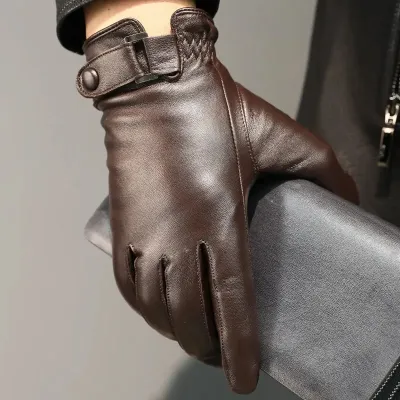
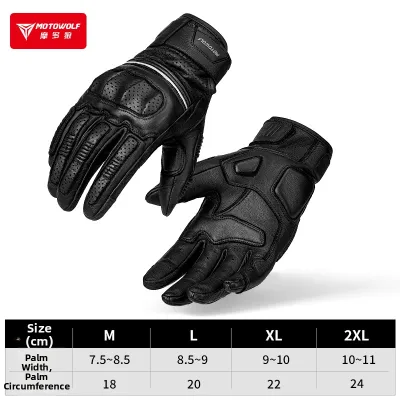
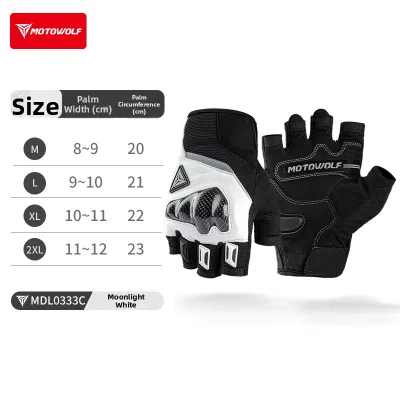
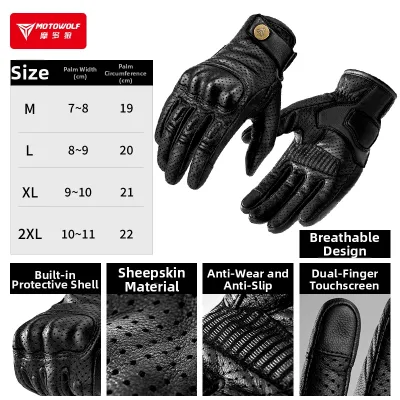
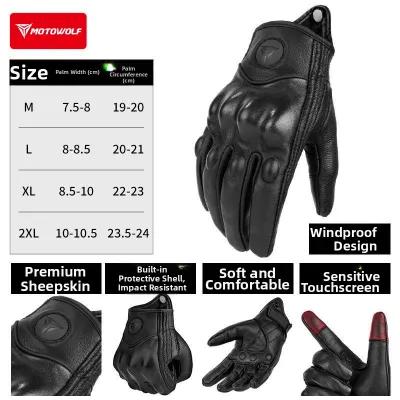
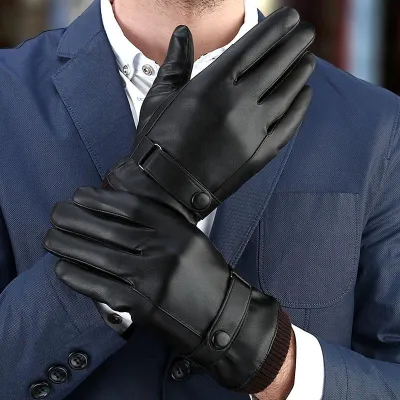
Prices are valid at publication and may change. Please refer to the product page for the latest price.
These structural differences create distinct physical trade-offs in daily use. The multi-layered design of waterproof gloves inherently adds bulk, which can reduce tactile feedback through your motorcycle’s grips, throttle, and levers. They also require a longer break-in period as the multiple layers and adhesive bonds gradually conform to the shape of your hands. Breathable leather gloves, being thinner and less complex, offer immediate flexibility, superior tactile sensitivity, and a much shorter break-in time, allowing you to feel subtle vibrations and control inputs more clearly from the first ride.
Weather Protection and Comfort Trade-offs
Operating a motorcycle in varying weather conditions highlights the stark functional trade-offs between these two glove types. Waterproof leather gloves excel at keeping external moisture away from your skin during sustained downpours. However, their heat retention properties can become a disadvantage in warm weather. Because the waterproof membrane restricts the volume of air passing through the glove, your hands can quickly become hot. If the ambient temperature is high, your hands will sweat, and even the most advanced breathable membranes have a physical limit to how much moisture vapor they can transport away from your skin. This can lead to a clammy interior feeling, making the gloves difficult to pull off or put back on during a ride.

Breathable leather gloves offer the opposite performance profile, focusing entirely on cooling efficiency. The continuous airflow provided by perforated leather rapidly evaporates sweat, keeping your palms dry and preventing heat buildup during slow-moving city commutes. If you get caught in a sudden tropical downpour, however, these gloves offer no resistance to water. The perforations allow rain to saturate the leather and reach your skin almost instantly. While breathable leather gloves dry much faster than their waterproof counterparts once the rain stops, repeated soaking and drying cycles can strip natural oils from the leather, causing it to stiffen and degrade over time if not properly conditioned.
For riders in Singapore, these trade-offs are amplified by the local climate. The combination of high relative humidity and sudden, intense afternoon showers means that a single commute can transition from sweltering heat to a torrential downpour within minutes. If you choose waterproof gloves, you gain peace of mind during wet weather but must accept warmer, sweatier hands during dry midday rides. If you opt for breathable gloves, you enjoy excellent cooling comfort for most of your journey but must accept wet hands when the weather turns, or take the time to pull over and swap to a dry pair.
Safety, Armor, and Abrasion Resistance
Regardless of the weather protection they offer, riding gloves must serve as your primary line of defense in a fall. When evaluating either waterproof or breathable leather gloves, your first step should be verifying their safety credentials. Look for the official CE (Conformité Européenne) certification label sewn inside the cuff, typically marked as EN 13594. This standard certifies that the gloves have undergone standardized testing for abrasion resistance, seam strength, tear strength, and impact protection. Never assume a glove is safe for road use based solely on its material or weather-resistant claims.
The construction of waterproof gloves can directly influence how their protective armor fits and functions. Because of the extra material layers and internal liners, the hard knuckle protectors and palm sliders must be carefully integrated. If the glove is poorly designed, the internal membrane can bunch up beneath the armor, creating pressure points that cause discomfort during long rides. Furthermore, you must verify that the armor remains securely positioned over your joints without shifting, as any internal movement of the liner can displace the protective elements away from high-impact zones during a slide.
For breathable gloves, the primary safety concern lies in the placement of the ventilation holes. Perforations naturally reduce the structural integrity of leather. High-quality manufacturers mitigate this risk by keeping high-impact slide zones—such as the outer edge of the palm, the pinky finger, and the heel of the hand—solid and unperforated. When inspecting breathable gloves, verify that the perforations are restricted to low-impact areas like the finger sidewalls and the back of the hand. Ensure that double-stitched seams and heavy-duty reinforcement panels protect the vulnerable slide zones, preventing the leather from tearing apart upon contact with the asphalt.
Matching Gloves to Your Riding Conditions
Selecting the right glove type requires a realistic assessment of your riding habits, typical routes, and personal comfort preferences. To help you evaluate your options, the table below summarizes the key performance characteristics of each design.
| Feature | Waterproof Leather Gloves | Breathable Leather Gloves |
|---|---|---|
| Ideal Weather | Rain, cool temperatures, unpredictable wet seasons | Hot, dry, humid, and sunny conditions |
| Airflow Level | Low to minimal | High to maximum |
| Rain Protection | High (keeps hands dry during sustained downpours) | None (saturates quickly in wet weather) |
| Tactile Feedback | Moderate (due to multi-layer construction) | High (thin, single-layer feel) |
| Typical Use Cases | Daily commuting in wet seasons, long-distance touring | City riding, hot-weather commuting, track days |
You should choose waterproof leather gloves if your daily schedule requires you to ride year-round regardless of the weather, and you prioritize dry hands over maximum cooling. They are also the preferred choice for long-distance touring where weather patterns are unpredictable, and riding with cold, wet hands could compromise your ability to operate the controls safely.
Conversely, you should choose breathable leather gloves if you primarily ride in hot, dry conditions, value maximum ventilation to prevent sweaty palms, and are willing to carry a backup pair of rain gloves or pull over during heavy downpours. This setup allows you to enjoy optimal comfort for the majority of your riding time while maintaining a flexible, high-tactility grip on your controls.
It is important to note that neither glove type is a universal solution. If you expect to ride in extreme cold, standard waterproof leather gloves may not provide sufficient insulation, requiring specialized winter riding gloves with thermal linings. Similarly, if you are participating in track days or high-speed sport riding, you should look for specialized racing gloves that prioritize advanced wrist restraint systems and heavy-duty hard armor over weather-specific features.
Fit, Sizing, and Pre-Purchase Checks
Finding the correct fit is essential for both safety and comfort, as an ill-fitting glove can restrict blood circulation or interfere with your control inputs. When trying on gloves, always sit on a motorcycle or mimic the riding position by gripping a set of handlebars. Test your finger articulation by squeezing and releasing the brake and clutch levers multiple times. Your fingers should be able to wrap fully around the grips without the leather pulling tightly across your knuckles or restricting your movement.
Pay close attention to the length of the fingers. Check for excess material at the fingertips by pressing your fingers against a flat surface; there should be a tiny gap of a few millimeters between your fingertips and the end of the glove. Too much excess material can get caught on the edges of your levers, while a glove that is too short will press painfully against your fingertips when you grip the handlebars, leading to numbness during extended rides.
Finally, always verify the manufacturer’s sizing chart, as fit can vary significantly between brands. If you are purchasing waterproof gloves, bring your typical riding jacket to the fitting. Test how the glove cuff overlaps with the jacket sleeve; a proper overlap is crucial to prevent water from running down your arm and entering the glove. Ensure the adjustment straps at the wrist and cuff can be fastened securely, keeping the glove firmly anchored to your hand in the event of a fall.
Frequently Asked Questions (FAQ)
Can I apply aftermarket waterproofing sprays to breathable leather riding gloves?
You should avoid applying aftermarket waterproofing sprays to breathable, perforated leather riding gloves. These chemical treatments are designed to create a hydrophobic barrier on solid surfaces, which can clog the laser-cut ventilation holes and defeat the purpose of a breathable glove. Furthermore, the chemicals in these sprays can react unpredictably with the dyes and natural oils in the leather, potentially causing the material to stiffen, discolor, or degrade prematurely. Applying unauthorized treatments may also void the manufacturer’s warranty and compromise the adhesion of protective armor panels. Always refer to the care label provided by the manufacturer and consult the brand directly before applying any aftermarket products to your gear.
Community discussion
Share your experience or ask a question. Comments are reviewed before publication.