
Choosing the right pair of leather gloves is one of the most critical decisions you will make for your riding comfort and safety. The choice between waterproof and breathable leather gloves depends entirely on your immediate riding environment and weather exposure. If you face Singapore’s sudden tropical downpours and daily commutes, waterproof leather gloves with integrated membranes are essential to keep your hands dry and maintain control. Conversely, for dry weekend touring in hot, humid conditions, perforated or breathable leather gloves are superior, as they maximize airflow to prevent sweat buildup and maintain a secure grip. Balancing tactile feedback, weather protection, and heat management is key to making the correct choice.
Understanding the Tech: Waterproof Membranes vs. Perforated Leather
Natural cowhide, goat, or kangaroo leather possesses mild, inherent water resistance due to its fibrous structure and natural oils, but it is not inherently waterproof. Without specialized treatment, raw or minimally treated leather eventually absorbs water, leading to saturation, stiffness, and structural degradation over time. When leather absorbs water, it loses its natural oils, which can cause the material to dry out, crack, and lose its protective strength.
To combat this, waterproof leather gloves integrate an internal, breathable waterproof membrane laminated or suspended between the outer leather shell and the inner comfort lining. Seams are sealed with waterproof tape to prevent water from seeping through stitching holes. This construction allows sweat vapor to escape while blocking larger liquid water droplets from entering.
Products mentioned in this guide
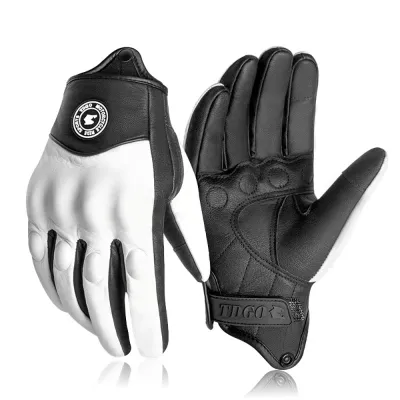
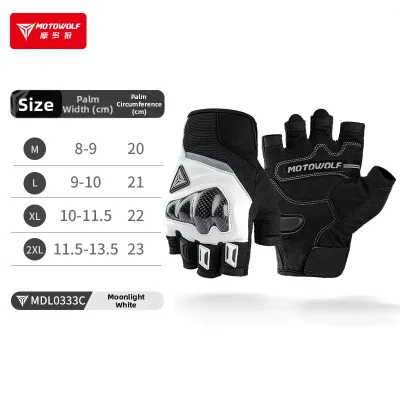
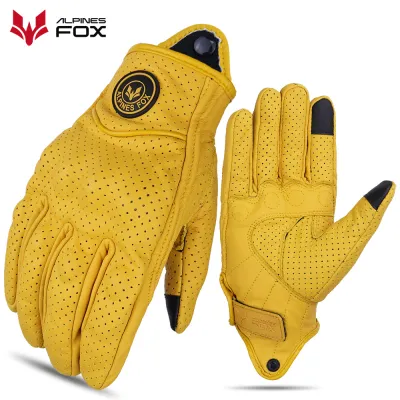
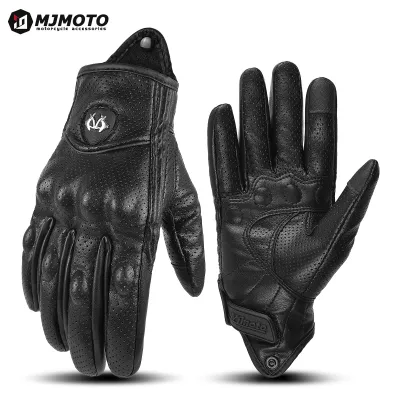
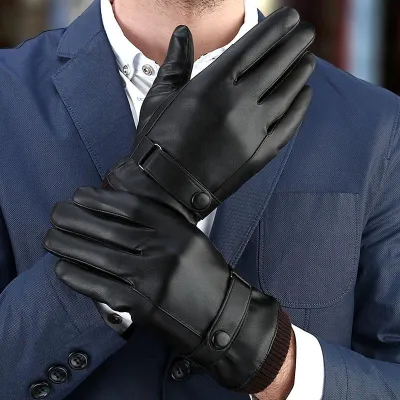
Prices are valid at publication and may change. Please refer to the product page for the latest price.
In contrast, breathable leather gloves rely on perforated leather panels, mesh inserts, or unlined constructions to maximize airflow. Perforations are tiny laser-cut or punched holes that allow ambient air to pass directly through the hide, facilitating rapid cooling.
The technical trade-off is stark. Waterproof membranes introduce extra layers, which can slightly reduce tactile feedback on your motorcycle’s grips, switches, and levers, while also trapping body heat. Perforated leather offers superb tactile sensitivity and cooling, but provides zero protection against water ingress and lets cool wind or rain straight through to your skin.
Scenario 1: Daily Wet-Weather Commuting in Heavy Rain
Riding through a tropical thunderstorm or heavy monsoon rain in Singapore presents unique hazards. Wet hands lose grip on the throttle and levers, and the physical discomfort of cold, wet fingers can slow down your reaction times and lead to hand fatigue. When your hands are cold and wet, your ability to perform emergency braking or precise throttle adjustments is severely compromised.

Waterproof leather gloves act as a barrier against driving rain, keeping your hands dry and warm. By preventing water from saturating the leather, these gloves stop the material from becoming heavy, waterlogged, and stiff, which would otherwise restrict your hand movement and compromise safety. Keeping your hands dry also prevents the inner lining from bunching up, ensuring a consistent fit throughout your ride.
When shopping for wet-weather gloves, use this checklist to evaluate their design:
- Extended Gauntlets: Ensure the gloves have a long cuff that can overlap securely with your riding jacket sleeves to prevent water from running down your arms and into the glove opening.
- Secure Wrist Closures: Look for dual hook-and-loop straps or drawcords that seal the wrist tightly, keeping the inner lining dry.
- Reinforced Palm Grips: Verify that the palm features textured or silicone-printed overlays to maintain a positive grip on wet handlebar controls.
- Visor Wiper: A small suede or rubber squeegee on the index finger is highly beneficial for clearing rain from your helmet visor.
A notable limitation of waterproof gloves is their performance in extremely hot and humid conditions. In Singapore’s typical high humidity and temperatures (often exceeding 30°C), wearing a fully sealed waterproof glove during dry stretches of your commute can cause your hands to sweat excessively. This trapped sweat can make the interior feel damp, mimicking a leak even when the membrane is intact.
Scenario 2: Dry Weekend Touring in Hot and Humid Conditions
Long-distance touring or weekend leisure rides in a tropical climate generate significant body heat. Without adequate ventilation, sweat accumulates inside your gloves, leading to slippery hands, reduced control sensitivity, skin chafing, and a general loss of concentration due to discomfort. Wet inner linings can also cause the dye from the leather to bleed onto your skin.
Perforated leather gloves address this by facilitating continuous air circulation. As you ride, air flows through the perforations, evaporating sweat and cooling your skin naturally. This active moisture management keeps your palms dry, ensuring a reliable, non-slip grip on your motorcycle’s controls.
When evaluating breathable gloves, keep these key factors in mind:
- Perforation Placement: Check that the ventilation holes are primarily located on the back of the hand, sides of the fingers, and non-impact zones. Avoid extensive perforations on the palm or main sliding zones, as holes can reduce the leather's structural integrity and abrasion resistance during a fall.
- Leather Thickness and Type: Look for supple, premium goat or lightweight cowhide that offers excellent tactile feedback on the throttle, front brake, and clutch levers.
- Integrated Armor: Ensure that the presence of ventilation does not compromise safety. Look for hard knuckle protectors and reinforced palm sliders that are securely stitched into the glove's chassis.
The obvious limitation of these gloves is their complete lack of protection against sudden rain. In heavy downpours, your hands will be soaked instantly, and the wet leather will take a significant amount of time to dry. Additionally, if you ride at high speeds during cooler night hours or at higher altitudes, the constant airflow can cause your hands to become uncomfortably cold.
The Hybrid Option: Can One Pair of Leather Gloves Do It All?
Manufacturers attempt to bridge the gap with hybrid designs, such as gloves featuring removable waterproof liners, or those utilizing water-resistant leather treatments (Durable Water Repellent or DWR coatings) on partially perforated shells. These designs aim to offer a single solution for riders who face changing weather conditions.
While a glove with a removable waterproof liner offers theoretical versatility, it comes with practical drawbacks. When the liner is installed, the glove can feel bulky, stiff, and restrictive, reducing your tactile control. When the liner is removed, the remaining outer shell may still lack the high-volume airflow of a dedicated perforated glove due to the underlying protective layers, mesh backings, and armor pockets.
Water-resistant coatings cause light rain or road spray to bead up and roll off the surface of the leather. However, this is not a substitute for a true waterproof membrane. In sustained heavy rain, the DWR coating will eventually wet out, allowing water to penetrate the leather and reach your hands.
To decide which approach is best for you, consider this decision framework:
- Unpredictable Weather / Single Pair Limit: If you frequently ride long distances where weather conditions are highly unpredictable, or if your budget only allows for one high-quality pair, a hybrid glove or a lightweight waterproof glove is the safer option to protect against sudden downpours.
- Dedicated Riding Scenarios: If you have the flexibility to choose your riding times or can easily store a second pair of gloves under your seat or in a tail bag, investing in dedicated pairs—one waterproof for wet commutes and one perforated for dry weekend rides—will deliver the absolute best in comfort, safety, and performance for each specific scenario.
Essential Maintenance to Keep Your Leather Gloves Performing
To keep waterproof leather gloves functioning, regularly clean off road grime, salt, and dirt using a damp microfiber cloth. Accumulated dirt can clog the microscopic pores of the outer leather, preventing the internal membrane from breathing. Periodically apply a manufacturer-approved, leather-safe water-repellent spray to the exterior to prevent the leather from absorbing water and wetting out.
Sweat contains salts and acids that can dry out leather, making it brittle and prone to tearing. For perforated gloves, gently wipe down the interior and exterior with a damp cloth to remove sweat residue. Ensure you do not clog the perforations with heavy, waxy conditioners; instead, use lightweight, liquid leather conditioners specifically designed for ventilated gear. Always allow the gloves to dry naturally in a well-ventilated, shaded indoor area. Never use direct heat sources like hair dryers or leave them in direct sunlight, as this can shrink and warp the leather.
Before applying any cleaning agents, conditioners, or waterproofing treatments, always consult the glove manufacturer’s care label and instructions. Incompatible chemicals can permanently damage specialized leather finishes, degrade protective stitching, or ruin the breathability of internal waterproof membranes.
Frequently Asked Questions (FAQ)
Are leather motorcycle gloves naturally waterproof?
No, natural leather is not waterproof. While untreated leather has a tight fibrous structure that can temporarily resist light splashes, it is highly porous and will absorb water over time, eventually becoming saturated, heavy, and stiff as it dries. Genuine waterproofing requires a specialized internal membrane or intensive chemical treatments.
How do I know if the waterproof membrane in my gloves is failing?
A failing membrane typically manifests as water visibly soaking through the outer shell and directly wetting your skin during rain, rather than just feeling cold. Another common sign is the inner liner delaminating, shifting, or pulling out of the fingers when you remove your hands. If you observe these conditions, check the manufacturer’s warranty guidelines or prepare to replace the gloves, as damaged membranes cannot be reliably repaired.
Community discussion
Share your experience or ask a question. Comments are reviewed before publication.