
Quick Answer: Which Heated Glove Construction Fits Your Ride?
Choosing between waterproof and breathable heated gloves depends entirely on your primary environmental threat—external rain or internal sweat. There is no single construction that excels at both simultaneously, as maximizing one property requires physical compromises in the other. Your decision should align with your typical riding climate, trip duration, and physical exertion levels.
Waterproof heated gloves are the optimal choice for wet, slushy, or high-humidity cold commutes where external moisture is the primary threat. When water penetrates a glove, it destroys the insulating air pockets, and wet skin loses heat up to twenty-five times faster than dry skin. Keeping rain and road spray out is critical to maintaining hand warmth and control.
Breathable heated gloves are superior for dry, cold weather, high-exertion riding, or short commutes where internal sweat buildup is the main concern. If sweat cannot escape, it condenses inside the glove; once the heating elements are turned off or the temperature drops, this trapped moisture cools rapidly, causing a deep, persistent chill. Breathable designs prioritize rapid moisture vapor escape to keep your skin dry and comfortable.
Products mentioned in this guide
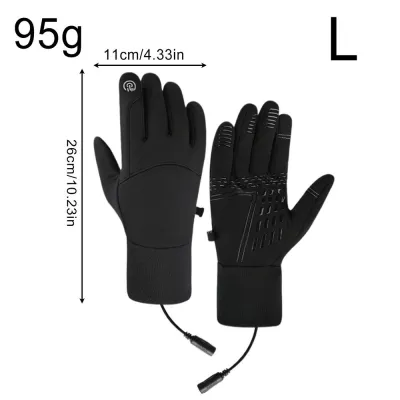
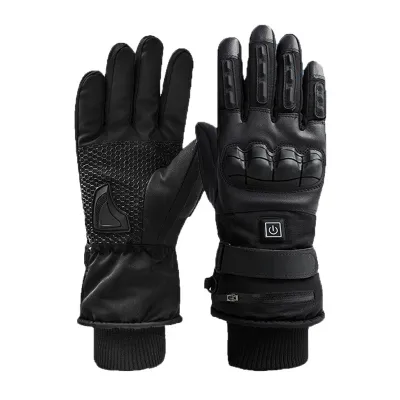
Prices are valid at publication and may change. Please refer to the product page for the latest price.
The Core Trade-Off: Waterproofing vs. Breathability in Heated Gloves
Heated motorcycle gloves are complex, multi-layered systems designed to manage heat generation, heat retention, and moisture control. The typical construction consists of an outer protective shell, impact armor, a waterproof membrane (if equipped), heating elements, thermal insulation, and a soft inner liner. Integrating electrical components into this stack introduces unique thermodynamic challenges.

Waterproof membranes function using microscopic pores that are thousands of times smaller than a liquid water droplet but hundreds of times larger than a molecule of water vapor. In theory, this allows sweat vapor to escape while blocking rain. In practice, this process relies on a temperature and humidity gradient: vapor moves from the warm, highly humid interior of the glove toward the cooler, drier outside air.
When heating elements are active, they warm the air inside the glove, increasing its capacity to hold moisture. If the external environment is highly humid, saturated with rain, or extremely cold, the pressure differential across the membrane decreases. This causes sweat vapor to condense back into liquid water inside the glove before it can escape, resulting in a damp interior despite the waterproof barrier.
Breathable heated gloves omit this non-porous or semi-porous membrane entirely, or they utilize highly porous, wind-resistant fabrics that allow continuous air exchange. While this construction prevents sweat accumulation by allowing moisture to evaporate instantly, it offers no defense against liquid water. If you ride into a heavy downpour, the outer shell and insulation will quickly saturate, rendering the heating elements ineffective as they struggle to warm the cold water surrounding your hands.
Insulation placement also differs between these constructions. Waterproof gloves typically feature thicker insulation layers to trap the heat generated by the wires and protect the delicate membrane from direct contact with the heating elements. Breathable gloves often use thinner, more compressible insulation to maximize tactile feedback, relying on continuous power from the heating elements to offset the cooling effect of incoming air.
Waterproof Heated Gloves: Best for Wet and Cold Commutes
Ideal Riding Conditions
Waterproof heated gloves are designed for riders who face unpredictable weather, persistent rain, coastal fog, or high-humidity cold environments. For daily commuters in regions prone to heavy downpours, keeping external water out is the absolute priority for safety and comfort. These gloves are also highly suited for long-distance touring where you cannot choose your weather and must ride through extended wet spells.
At highway speeds, wind chill accelerates heat extraction from wet materials through convective cooling. If a glove lacks a waterproof barrier, the outer fabric saturates, a phenomenon known as “wetting out.” Once this occurs, the wind blowing over the wet glove rapidly strips away heat, forcing the heating elements to work at maximum capacity just to prevent your fingers from freezing.
Pros and Cons for Motorcyclists
Pros
- Complete Weather Barrier: They provide an absolute shield against rain, sleet, and road spray, keeping your hands dry from external elements.
- Superior Windproofing: The internal waterproof membrane acts as an excellent windbreak, preventing cold air from penetrating the glove and maintaining a stable microclimate.
- Excellent Heat Retention: Because the glove is sealed, it traps the warmed air generated by the heating elements exceptionally well, requiring less battery power to maintain comfort.
Cons
- Internal Condensation: During periods of high physical exertion, such as technical riding or stop-and-go city traffic, sweat can build up inside, leading to clammy hands.
- Increased Bulk: The addition of a membrane and the necessary protective layers results in a thicker glove, which can restrict hand movement and reduce dexterity.
- Reduced Tactile Feedback: Thicker materials compromise your feel for the throttle, front brake lever, and clutch, requiring more physical effort to operate controls.
Breathable Heated Gloves: Best for Dry Cold and Active Riding
Ideal Riding Conditions
Breathable heated gloves are engineered for dry, cold climates and active riding styles where the rider generates significant body heat. This includes off-road riding, dual-sport trail riding, adventure riding on technical terrain, and track days. In these scenarios, you are constantly shifting your weight, working the levers, and managing the motorcycle, which naturally causes your hands to sweat.
These gloves are also highly effective for short commutes where the risk of encountering sudden, heavy rain is low. Because the trip is brief, the absolute wind protection of a heavy waterproof membrane is less critical than the comfort of a lightweight, highly flexible glove that allows your skin to breathe naturally.
Pros and Cons for Motorcyclists
Pros
- Exceptional Moisture Management: Sweat is quickly wicked away from the skin and evaporated, keeping your hands dry and preventing the post-ride chill.
- Superior Tactile Feedback: Without the extra bulk of a waterproof membrane, these gloves offer a thinner profile, providing excellent "bar feel" and precise control over your levers.
- Reduced Hand Fatigue: The lighter, more flexible construction requires less muscular effort to grip the handlebars and pull the controls over long hours of riding.
Cons
- No Rain Protection: The fabric will quickly absorb water in a downpour, leading to saturated insulation and cold hands.
- Vulnerability to Wind Chill: If the glove lacks a dedicated windproof laminate, high-speed airflow can penetrate the outer shell, carrying away heat and forcing you to run the heating elements on higher settings.
- Rapid Heat Loss: Without a sealed barrier, the warmed air inside the glove escapes more easily, reducing the overall thermal efficiency of the heating system.
Beyond the Membrane: Crucial Features for Heated Riding Gloves
When comparing heated riding gloves, the choice of membrane is only one part of the decision. To ensure safety, comfort, and reliable performance, you must evaluate several other technical specifications and construction details.
| Feature Category | Waterproof Heated Gloves | Breathable Heated Gloves |
|---|---|---|
| Primary Heating Zones | Typically back of hand and full length of fingers | Back of hand and fingers; sometimes optimized for palm grip |
| Common Power Sources | Dual-source (7.4V battery or 12V vehicle hardwire) | Often 7.4V portable batteries for lightweight mobility |
| Material Thickness | Thick, multi-layered textile or heavy-gauge leather | Thinner, flexible textiles, mesh panels, or light leather |
| Impact Protection | Hard knuckle armor, palm sliders, reinforced cuffs | Lightweight knuckle protectors, flexible palm reinforcement |
| Tactile Sensitivity | Moderate to low; requires break-in period | High; immediate flexibility and precise lever control |
Heating Element Placement and Warmth Distribution
Heating elements should ideally wrap around the fingertips and cover the back of the hand. Because your fingers are directly exposed to the oncoming wind while resting on the brake and clutch levers, they lose heat fastest. Some premium gloves feature heating wires that run along the sides of each finger to provide uniform warmth. Avoid gloves that only heat the palms, as your motorcycle grips already block wind from that side, and compressing heating elements against the handlebar can cause localized hot spots.
Battery Capacity, Power Delivery, and Runtime
Heated gloves generally operate on one of two power systems:
- 7.4V Rechargeable Batteries: These fit into zippered pockets on the cuffs of each glove. They offer complete freedom of movement and are ideal for shorter rides or commuting. However, they add weight to your wrists, and the runtime is limited. At maximum heat settings, these batteries may only last one to two hours, though low settings can extend this to four or more hours.
- 12V Direct Vehicle Power: These gloves connect directly to your motorcycle’s battery via a fused harness. They provide unlimited runtime and consistent, high-intensity heat. This setup is highly recommended for long-distance touring. Before purchasing, verify your vehicle's charging system capacity (stator output) to ensure it can handle the additional electrical load of the gloves alongside other accessories.
Tactile Feedback, Grip, and Control
To maintain safe control of your motorcycle, look for gloves with textured leather or silicone grip panels on the palms and fingers. These materials prevent your hands from slipping on the throttle or levers, especially in wet conditions. Thinner palm construction, even in waterproof models, is highly desirable to preserve tactile feedback.
Impact Protection and Safety Standards
Never sacrifice safety for warmth. Ensure any heated glove you choose is certified to recognized motorcycle safety standards, such as CE EN 13594. Look for the following protective features:
- Knuckle Armor: Hard inserts made of carbon fiber, TPU, or impact-absorbing foam to protect against rock strikes and pavement impacts.
- Palm Sliders: Hard sliders on the heel of the palm (scaphoid area) that allow your hand to slide along the asphalt in a fall, reducing the risk of wrist fractures.
- Reinforced Stitching: Double-stitched seams in high-impact zones, along with abrasion-resistant materials like goat skin or high-denier textiles.
The Rider's Decision Framework: Making Your Final Choice
To select the perfect heated glove construction for your riding needs, apply the following decision framework:
Choose Waterproof Heated Gloves if:
- You commute daily throughout the year and must ride through heavy rain, coastal fog, or unpredictable monsoon seasons.
- You participate in long-distance touring where you are highly likely to encounter changing weather patterns and extended wet roads.
- Your riding style is relaxed or low-exertion (e.g., highway cruising), meaning you generate minimal body heat and require maximum wind and water protection.
Choose Breathable Heated Gloves if:
- You ride primarily in dry, cold climates and actively avoid riding in wet weather.
- You engage in high-exertion riding styles, such as off-road trail riding, adventure riding, or track days, where managing hand sweat is critical to maintaining grip.
- You prioritize maximum tactile feedback, lever feel, and flexibility over absolute weatherproofing.
Verify First Before Purchasing:
- Analyze Marketing Claims: Be skeptical of any manufacturer claiming a glove is "100% waterproof and 100% breathable." This is a physical impossibility under active riding conditions. Look for reputable, third-party membrane certifications that publish independent testing ratings.
- Check Battery Specifications: Review the manufacturer's estimated runtimes for each heat setting. Keep in mind that real-world battery performance can degrade in extreme cold.
- Confirm Vehicle Compatibility: If opting for a 12V hardwired system, check your motorcycle's owner manual to confirm the stator output can support the current draw of the heated gear.
- Review Care Instructions: Heated gloves require careful maintenance. Always check the manufacturer's care label before attempting to clean them. Improper washing, using harsh detergents, or twisting the gloves to wring out water can permanently damage the delicate internal heating wires and ruin the waterproof membrane.
Frequently Asked Questions (FAQ)
How do I wash waterproof versus breathable heated gloves?
Before performing any maintenance or cleaning, you must always disconnect and remove the batteries from the glove pockets. For both waterproof and breathable heated gloves, machine washing, submerging in water, and tumble drying are strictly prohibited, as these actions can snap the delicate internal heating wires and delaminate the protective membranes.
To clean waterproof gloves, spot-clean the exterior using a damp cloth and mild, technical soap designed for synthetic membranes. This preserves the Durable Water Repellent (DWR) coating on the outer shell. For breathable gloves, spot-clean with a damp cloth and warm water. Never wring, twist, or squeeze heated gloves to remove moisture, as this ruins the heating elements; instead, allow them to air-dry flat in a well-ventilated area away from direct heat sources. If care instructions are missing or conflict with these steps, stop and consult the manufacturer directly.
Can a membrane provide 100% waterproofing and 100% breathability?
No, a membrane cannot provide absolute 100% waterproofing and 100% breathability simultaneously during active riding. While advanced technical membranes are highly efficient at blocking external liquid water while allowing microscopic vapor molecules to escape, they operate on physical limits dictated by temperature and humidity differences.
If the air outside the glove is highly humid, saturated with rain, or if your hands are sweating heavily during high physical exertion, the moisture transport process slows down or stops entirely. This causes internal sweat to condense against the inner surface of the membrane. When choosing heated gear, you must prioritize the dominant weather threat of your ride—blocking external rain or managing internal sweat—rather than relying on marketing claims of perfect, compromise-free performance.
Community discussion
Share your experience or ask a question. Comments are reviewed before publication.