
Riding a motorcycle requires precise control, tactile feedback, and reliable protection for your hands. When choosing the right riding gear, selecting the appropriate handwear is a critical decision that directly affects both comfort and safety. For male riders operating in tropical, high-humidity environments like Singapore, the debate often centers on choosing between waterproof and breathable half-finger designs. Breathable half gloves are generally the superior choice for daily commuting in hot, humid climates due to their maximum airflow and superior sweat management. They keep the palms dry, maintain a high level of grip friction, and prevent the discomfort of heat buildup during stop-and-go city riding.
In contrast, waterproof half gloves serve a highly specific, niche role. They are designed primarily for cooler, consistently drizzly conditions where blocking damp wind chill on the back of the hand is desirable, yet the rider still wants the convenience of open fingertips. However, waterproof half-finger designs have inherent physical limitations. Because the fingers are exposed, water will inevitably find its way inside the glove during sustained rain. The core trade-off when selecting half gloves men wear lies in prioritizing continuous ventilation and direct tactile feedback versus seeking basic, localized weather resistance. Understanding how these materials perform under real-world riding conditions is essential before making a purchase.
Core Differences: Waterproof vs Breathable Materials
To make an informed decision, it is necessary to examine how these two glove types are constructed and how their materials behave when exposed to external elements and body heat. The performance of any riding glove depends heavily on its material composition, membrane technology, and structural design.
Products mentioned in this guide
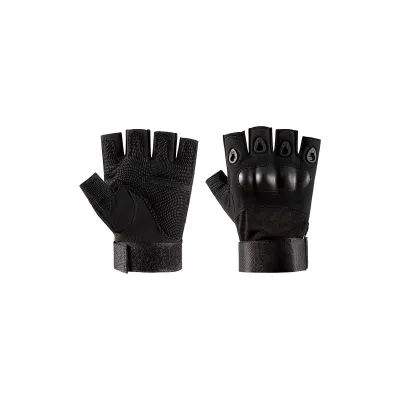
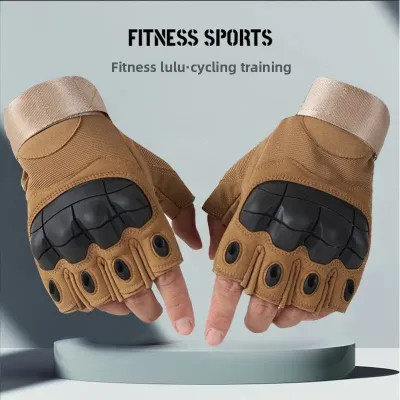
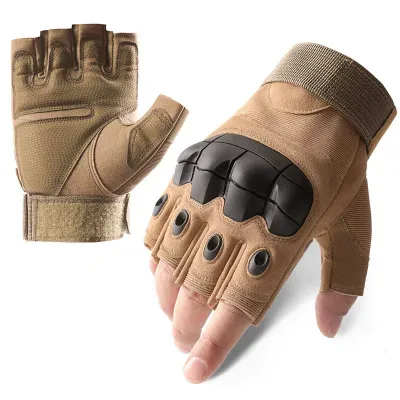
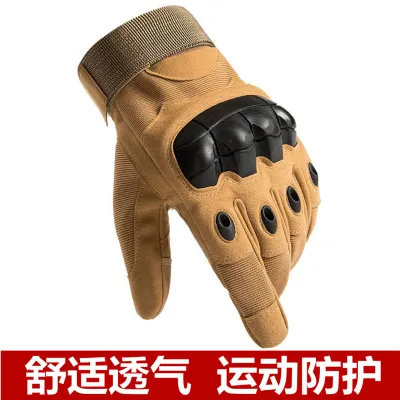
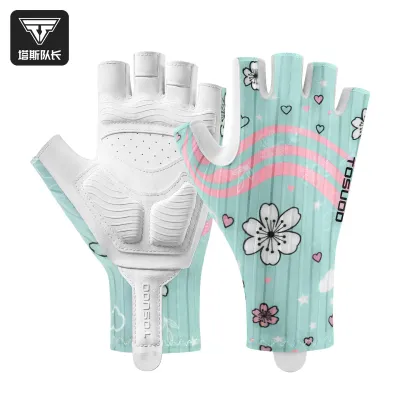
![[Lifestylemart] Half Finger Gloves](https://img.lazcdn.com/g/p/151e8a2620302297366b0274ec466776.png_400x400q80.png_.webp)
Prices are valid at publication and may change. Please refer to the product page for the latest price.
How Waterproof Half Gloves Work (and Their Limits)
Waterproof half gloves typically rely on specialized material layers to repel external moisture. Manufacturers often construct these gloves using waterproof membranes, polyurethane-coated fabrics, or Durable Water Repellent (DWR) chemical treatments applied to the outer textile layer. These membranes are engineered to block liquid water droplets from penetrating the fabric while theoretically allowing microscopic water vapor (sweat) to escape.
However, the physical design of a half-glove introduces a critical limitation that compromises this waterproof barrier. Because the fingertips are cut off, there are multiple wide openings where water can easily enter. During a rainstorm, water running down your arms or splashing up from the handlebars will inevitably seep into the glove’s interior through the open finger stalls and the short wrist cuff. Once water enters, the internal waterproof membrane acts as a bucket, trapping the moisture inside. Combined with the natural sweat generated by your hands, this trapped water can make the interior of the glove damp, clammy, and uncomfortable. Therefore, before purchasing, riders should check the manufacturer’s product label to verify the specific membrane construction and seam-sealing techniques used, rather than relying solely on generic “waterproof” marketing claims.
The Advantage of Breathable Mesh and Perforated Leather
Breathable half gloves are engineered specifically to maximize airflow and facilitate rapid moisture evaporation. These gloves are commonly constructed using high-performance textile mesh panels, such as 3D spacer mesh or heavy-duty nylon mesh, or perforated leather. Perforated leather, typically sourced from goat skin or cowhide, balances high abrasion resistance with ventilation by incorporating tiny, precision-punched holes across the back of the hand and fingers.
The primary advantage of these breathable materials is their ability to prevent sweat buildup. In hot and humid tropical climates, hands sweat rapidly inside non-ventilated gear. This moisture can cause the skin to soften, making it more susceptible to painful friction blisters. It can also cause your hands to slip on the handlebar grips, reducing your control over the throttle, front brake, and clutch levers. By allowing continuous wind penetration, breathable gloves accelerate the evaporation of sweat, keeping your palms dry and ensuring a secure, non-slip grip. This active cooling effect significantly reduces hand fatigue, allowing for a more comfortable and focused ride during long commutes or urban journeys.
Key Comparison Dimensions for Half Gloves Men Choose
To help you evaluate which option aligns best with your specific riding habits, we have structured a detailed comparison across five critical performance dimensions. This matrix highlights how each glove type performs under practical riding conditions.

| Performance Dimension | Breathable Half Gloves | Waterproof Half Gloves |
|---|---|---|
| Weather Protection | Minimal rain protection; provides excellent UV protection against sun exposure. | Resists light drizzle and blocks cold wind; fails to keep hands dry in heavy rain. |
| Ventilation & Heat Management | Outstanding airflow; rapidly evaporates sweat and prevents heat buildup. | Very limited airflow; traps hand heat and sweat, leading to a clammy feel. |
| Grip and Tactile Feel | Thin, lightweight construction offers direct feedback and precise lever control. | Thicker construction due to membrane layers; can slightly reduce tactile sensitivity. |
| Durability and Maintenance | Easy to wash, but mesh can be prone to snagging; leather panels require conditioning. | Requires specialized, delicate cleaning to avoid damaging the waterproof membrane. |
| Protection Level | Varies; high-quality models feature leather palms and integrated hard armor. | Often features heavier textile backing; protection depends on integrated armor. |
Let’s explore these dimensions in greater detail to understand their practical implications for daily riding.
Weather Protection
Breathable half gloves offer virtually no resistance to rain. If you encounter a sudden tropical downpour, these gloves will become saturated almost instantly. However, they excel at protecting your hands from intense sun exposure, preventing sunburns and UV damage on the back of your hands during long daytime rides. Waterproof half gloves, on the other hand, provide a protective shield against light mist, road spray, and chilly morning winds. While they cannot keep your hands dry in a heavy storm due to their open-finger design, they can keep the back of your hands insulated from damp wind chill during brief, light showers.
Ventilation & Heat Management
In high-humidity environments, heat management is directly tied to rider safety. When a rider becomes overheated, their concentration can lapse, increasing the risk of accidents. Breathable half gloves utilize open textile patterns to ensure that even low-speed wind can penetrate the glove and cool the skin. Waterproof gloves, by their very nature, restrict airflow. Even high-end breathable-waterproof membranes require a temperature and humidity gradient to function effectively, which is highly inefficient in hot, humid tropical climates. Consequently, waterproof gloves can quickly become uncomfortably warm, trapping sweat and heat.
Grip and Tactile Feel
Maintaining a precise feel for your motorcycle’s controls is paramount. Breathable half gloves are typically constructed with single-layer palm panels made of synthetic suede or thin leather, providing an excellent tactile connection to the handlebars. This thin profile allows you to feel the subtle feedback of your brake and clutch levers. Waterproof half gloves require multiple layers—an outer shell, a waterproof membrane, and often a thin inner lining. This multi-layer construction adds bulk to the palm, which can slightly dull your tactile sensitivity and require a firmer grip to operate the controls, potentially leading to faster hand fatigue.
Durability and Maintenance
The longevity of your riding gear depends on proper care and material durability. Breathable mesh gloves are relatively low-maintenance and can often be hand-washed with mild soap to remove sweat salt and road grime. However, lightweight mesh fabrics are more susceptible to snagging on Velcro closures or sharp metal edges. Perforated leather sections require regular treatment with specialized leather conditioners to prevent the hide from drying out and cracking due to sweat exposure. Waterproof gloves demand much more delicate maintenance. Harsh detergents, machine washing, or excessive twisting can puncture or delaminate the internal waterproof membrane, permanently destroying its weather-resistant properties.
Protection Level
Regardless of the material type, a riding glove’s primary job is to protect your hands in a fall. Breathable half gloves often combine lightweight mesh on the back of the hand with heavy-duty leather or reinforced synthetic panels on the palm, where slide protection is needed most. Many premium models also feature integrated hard knuckle protectors and palm sliders. Waterproof half gloves often use thicker textile backings, which can offer decent initial abrasion resistance, but the overall protection level depends heavily on the quality of the integrated armor rather than the waterproof membrane itself.
Decision Framework: Choose Based on Your Riding Conditions
Selecting the right gear requires a realistic assessment of your daily riding environment, local weather patterns, and personal comfort preferences. Use the following framework to determine which glove type fits your needs.
Choose Breathable Half Gloves if:
- You commute daily in hot, humid weather: If your typical ride involves navigating congested city streets in high temperatures, maximizing airflow is critical to preventing sweaty, slippery hands.
- You prioritize maximum tactile feedback: If you prefer a thin, lightweight glove that allows you to feel every vibration and movement of your motorcycle's controls, breathable designs are ideal.
- Your riding involves frequent stops: In urban traffic, you do not generate enough continuous wind to cool your hands without highly ventilated gear.
Choose Waterproof Half Gloves if:
- You ride in cooler, consistently drizzly conditions: If you frequently ride in highland areas or regions characterized by persistent light mist and cool winds, these gloves can help keep your hands warm.
- You want a compact backup glove for light showers: If you carry multiple sets of gear and want a small, easily packable option to block damp wind during minor weather transitions, they can serve as a convenient secondary pair.
- You accept the physical limitations of finger exposure: You understand that your fingertips will get wet in rainy weather, but you prioritize keeping the back of your hand shielded from cold wind.
Neither May Fit if:
- You frequently ride in heavy, sustained monsoons: In heavy downpours, water will rapidly bypass the open fingers of any half glove, rendering the waterproof membrane useless.
- You ride at high speeds on expressways: High-speed riding exposes your hands to significant wind pressure, flying debris, and severe abrasion risks in a slide. For these scenarios, full-finger, highly protective leather gloves or full-gauntlet waterproof touring gloves are strongly recommended to ensure complete hand coverage and superior impact protection.
Verify First if:
- A glove claims to be "100% waterproof" without detailed specifications: Always check the product tags or manufacturer documentation to verify the membrane type, seam-sealing construction, and care instructions. If a manufacturer does not provide clear details on how the waterproofing is achieved, the claim may rely on a temporary chemical coating that will quickly wash away.
Essential Safety and Fit Features to Verify
Before finalizing your purchase of any half gloves men use, you must look beyond the primary materials and verify several critical safety, compatibility, and fit specifications. Hand protection is a safety-critical category, and a poorly designed glove can fail when you need it most.
First, verify that the glove does not interfere with your vehicle’s controls. Ensure that the palm material provides adequate friction against your specific handlebar grips and does not slip when wet. If you have modified your handlebars or grips, check the compatibility of the glove material with your aftermarket setup.
Second, prioritize integrated impact protection. Look for gloves that feature hard knuckle armor made of carbon fiber, thermoplastic polyurethane (TPU), or impact-absorbing memory foam. Equally important are palm sliders—hard plastic or leather inserts placed on the heel of the palm. In a fall, a rider’s natural instinct is to put their hands out. A palm slider allows your hand to slide smoothly across the asphalt rather than catching, which significantly reduces the risk of scaphoid fractures and wrist injuries. Always look for recognized CE certification labels (such as EN 13594) on the product tags, which indicate that the glove has undergone standardized testing for abrasion and impact resistance.
Third, examine the wrist closure system. A glove cannot protect your hand if it flies off during a slide. Ensure the glove features a secure, heavy-duty Velcro strap or a robust snap-button closure around the wrist. The closure should allow you to adjust the tightness so that the glove remains firmly anchored to your hand without restricting blood flow.
Fourth, ensure proper fitment. A riding glove should fit snugly, like a second skin, without restricting your ability to make a tight fist or reach your brake and clutch levers. If the glove is too tight, it can restrict blood circulation, leading to numb fingers and reduced control. If it is too loose, the fabric can bunch up in the palm, causing blisters and reducing your grip security. Always measure your palm width and hand circumference, and compare these measurements against the manufacturer’s specific sizing chart before purchasing.
Finally, consider practical convenience features. While half gloves naturally leave your fingertips exposed for easy smartphone or GPS operation, some designs include pull-tabs between the fingers to make removing tight, sweaty gloves much easier. If the glove features any synthetic leather panels on the fingers, verify if those panels have conductive properties if you plan to use touchscreen devices without removing the gloves.
Frequently Asked Questions (FAQ)
Can waterproof half gloves keep my hands completely dry in heavy rain?
No, waterproof half gloves cannot keep your hands completely dry during heavy rain. While the fabric on the back of the hand may feature a waterproof membrane that blocks water, the open-finger design and short wrist cuff allow water to easily enter. During a downpour, water will run down your arms and seep into the glove through these openings. They are designed only to resist light drizzle and block cold wind, not to withstand sustained heavy rain.
Are breathable mesh half gloves safe for highway riding?
Breathable mesh half gloves are generally not recommended for sustained highway riding. While they offer excellent ventilation, lightweight mesh fabrics have lower abrasion resistance than heavy-duty leather or specialized textile fabrics. At high highway speeds, a slide can quickly wear through thin mesh. For highway riding, it is highly recommended to wear full-finger leather gloves or reinforced textile gloves that offer complete coverage and higher certified protection levels.
How do I clean and maintain waterproof motorcycle gloves?
To clean and maintain waterproof gloves, you must always check the manufacturer’s care label first. Avoid using harsh detergents, bleach, or machine washing, as these can puncture, degrade, or delaminate the internal waterproof membrane. Instead, gently hand-wash the gloves using mild soap and cool water. Allow them to air dry naturally in a well-ventilated area away from direct sunlight, radiators, or other direct heat sources, which can damage the materials.
Community discussion
Share your experience or ask a question. Comments are reviewed before publication.