
No single type of half finger glove is universally better for daily riding in Singapore. Waterproof half finger gloves protect your palms against sudden tropical downpours but can trap heat and sweat during dry, humid commutes. Breathable half finger gloves offer excellent airflow and comfort for most of the year but leave your hands wet and slippery when the rain starts. The right choice depends on whether you prioritize rain protection for wet-season commutes or maximum ventilation for hot, dry days.
Choosing the right gear requires balancing comfort, control, and protection. In a climate where weather conditions can shift from scorching sunshine to a torrential downpour within minutes, your choice of riding gear directly impacts your daily commute. Half finger gloves are popular among local riders for their convenience and tactile feel, but the debate between waterproof and breathable designs remains highly relevant.
The Tropical Riding Environment
Singapore’s equatorial climate presents unique challenges for motorcyclists and cyclists alike. With high relative humidity levels often exceeding 80 percent and average daily temperatures hovering around 31 degrees Celsius, sweat accumulation is an ongoing issue. Any gear that restricts airflow can quickly lead to discomfort, skin irritation, and a slippery grip inside the glove.
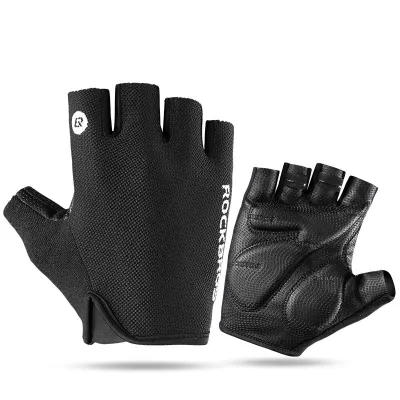
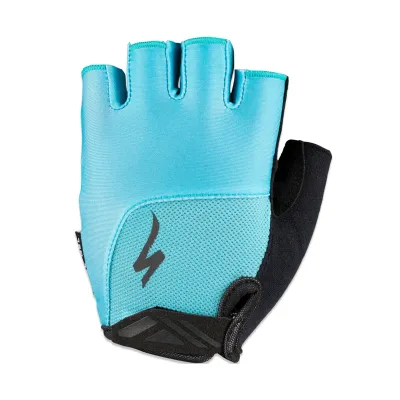
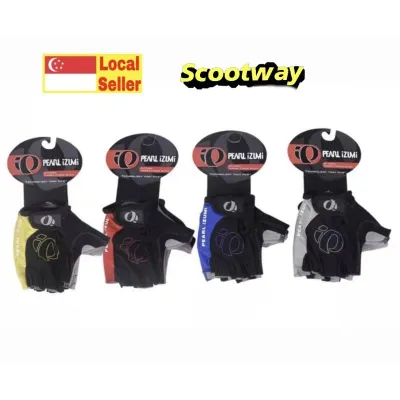
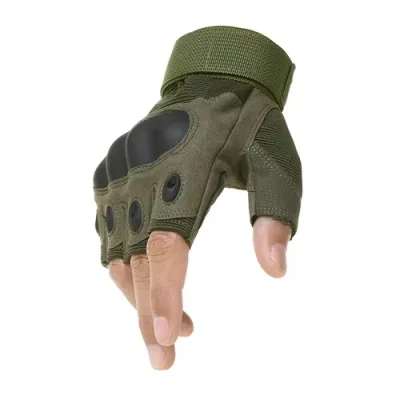
Products mentioned in this guide
![[NEW] MCYCLE MS002 Cycling Bike Bicycle Half Finger Glove (Size S to XL)](https://img.lazcdn.com/g/p/02addae906ded5d36ea977ccbdb37fdd.jpg_400x400q80.jpg_.webp)
Prices are valid at publication and may change. Please refer to the product page for the latest price.
When riding on asphalt roads that absorb and radiate solar heat, the temperature felt by your hands can be significantly higher than the ambient air temperature. This intense heat causes rapid perspiration, making ventilation a primary comfort factor.
At the same time, sudden and intense tropical showers are a regular occurrence, particularly during the monsoon seasons. A dry morning commute can easily turn into a wet ride home. When rain hits, maintaining a secure grip on your handlebars, brake levers, and clutch is critical for safety. This environmental duality forces riders to choose between keeping water out and letting heat escape.
Waterproof Half Finger Gloves
Waterproof half finger gloves are designed to keep your palms and the back of your hands dry during wet weather. These gloves typically feature an internal waterproof membrane, such as a polyurethane barrier, sandwiched between the outer shell and the inner lining. This construction prevents external water from penetrating the main body of the glove, protecting your primary grip areas from becoming saturated.

The membrane works by utilizing microscopic pores that are small enough to block liquid water droplets from entering but large enough to allow microscopic water vapor molecules from sweat to escape. However, the half finger design introduces an inherent limitation: your fingertips remain completely exposed to the elements. While your palms stay dry, rain will still wet your fingers, which can affect your tactile feel on metal brake levers and plastic switchgear.
Additionally, because waterproof membranes restrict airflow, these gloves can trap heat and sweat during dry, humid days. This trapped moisture can cause the inner lining to feel clammy, potentially leading to slippage inside the glove itself. In Singapore’s high humidity, the rate of sweat evaporation through a waterproof membrane is significantly reduced because the surrounding air is already saturated with moisture.
When evaluating waterproof options, it is essential to inspect the palm material. Look for synthetic leathers or textured silicone patterns that maintain traction when wet. Since your fingertips are exposed, the grip on the palm must work twice as hard to prevent your hands from sliding off the grips during sudden stops. Some models feature reinforced palm overlays made of specialized grip materials that resist water absorption, ensuring that the interface between your hand and the handlebar remains secure even when drenched. Always verify that the thickness of the glove does not interfere with your ability to operate the throttle, brake levers, or clutch smoothly, as outlined in your vehicle’s safety documentation.
Breathable Half Finger Gloves
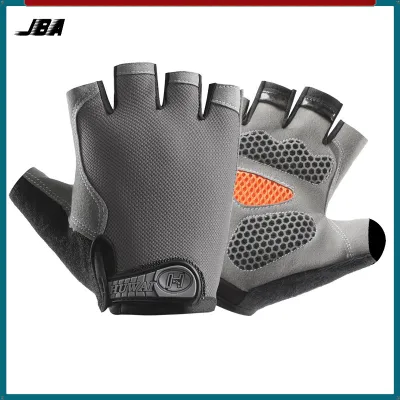
Breathable half finger gloves prioritize ventilation and heat dissipation above all else. These gloves are constructed using highly porous materials, such as polyester mesh, perforated leather, or lightweight spandex. The open-weave design allows air to flow freely over your hands as you ride, promoting rapid sweat evaporation and keeping your skin cool even in heavy traffic.
This continuous airflow is particularly beneficial when waiting at traffic lights or navigating slow-moving urban congestion, where wind cooling is minimal. The primary drawback of breathable gloves is their complete lack of water resistance. When caught in a sudden downpour, the mesh fabric absorbs water rapidly, leading to heavy, soggy gloves that can take hours to dry.
Wet fabric rubbing against your skin during a long ride can cause chafing and discomfort. Furthermore, wet hands can lose grip on the handlebars, especially if the palm material lacks specialized wet-weather traction patterns. The lack of insulation also means that if you are riding at higher speeds in the rain, the wind chill on wet hands can lead to stiffness and reduced reaction times.
Despite these limitations, breathable gloves excel in dry, high-temperature conditions. They offer excellent tactile feedback, allowing you to feel the controls clearly without the dampening effect of thick waterproof layers. For riders who primarily commute during dry hours or have the flexibility to seek shelter during heavy rain, the cooling benefits of mesh gloves often outweigh the lack of wet-weather protection. The lightweight construction also makes them easy to pack away in a pocket or small bag when not in use.
Core Comparison Dimensions
To make an informed choice, it is helpful to compare how these two glove types perform across key operational metrics.
Ventilation and moisture management are where breathable gloves hold a clear advantage. Mesh panels allow continuous airflow, which prevents sweat buildup and keeps your hands dry from the inside out. Waterproof gloves, even those with breathable membranes, cannot match the airflow of open mesh and are prone to trapping perspiration in Singapore’s humid air. Over time, this trapped sweat can lead to bacterial growth and unpleasant odors if the gloves are not cleaned regularly.
Water resistance and drying times present a complete contrast. Waterproof gloves excel at keeping external water away from your palms, but if water does manage to enter through the open finger holes, they take a long time to dry due to the moisture-retaining properties of the internal membrane. Breathable gloves offer no rain protection but dry much faster once the rain stops, especially when exposed to moving air. A quick-drying glove is highly convenient for daily commuters who need to use their gear multiple times a day.
Grip and control feedback depend heavily on the materials used. Breathable gloves generally offer a thinner profile, providing excellent tactile feedback and a more natural feel of the controls. Waterproof gloves tend to be slightly thicker due to the multi-layer construction, which can slightly reduce sensitivity. However, high-quality waterproof models often feature specialized palm overlays to ensure a secure grip on wet surfaces. It is important to choose a glove that balances protection with the ability to operate your vehicle’s controls smoothly.
| Feature | Waterproof Half Finger Gloves | Breathable Half Finger Gloves |
|---|---|---|
| Primary Material | Waterproof membrane, synthetic leather | Mesh, perforated textile, lightweight fabric |
| Airflow | Limited; prone to heat buildup | High; continuous ventilation |
| Rain Protection | Keeps palms dry; fingers remain exposed | None; absorbs water quickly |
| Drying Time | Moderate to long (due to internal layers) | Very fast (highly breathable mesh) |
| Grip in Wet Conditions | Depends on palm material texture | Can become slippery when saturated |
| Tactile Feedback | Slightly dampened by membrane layers | High; direct contact with controls |
Decision Framework: Which Should You Buy?
Your final decision should align with your daily commuting patterns, tolerance for wet weather, and riding habits.
You should choose waterproof half finger gloves if you are an all-weather commuter who must ride regardless of the forecast. If your daily schedule does not allow you to wait out sudden downpours, keeping your palms dry and maintaining a secure grip on the handlebars is essential. These gloves are also suitable for riders who frequently commute during the monsoon seasons when wet roads are a daily reality. They provide a reliable barrier against road spray and light rain, ensuring that your hands remain comfortable enough to operate the controls safely.
You should choose breathable half finger gloves if your primary concern is heat management during hot, sunny days. If you have a flexible schedule that allows you to seek shelter during heavy rain, or if you simply prefer the maximum cooling effect of mesh fabrics, breathable gloves are the more comfortable daily option. They are ideal for short commutes, weekend leisure rides, and dry-season riding. The excellent ventilation helps prevent sweaty palms, which can be just as slippery and dangerous as rain.
If you frequently ride long distances in heavy, prolonged downpours, neither half finger option may be sufficient. In such scenarios, water will inevitably enter through the open finger holes of a waterproof half finger glove, rendering the waterproof membrane less effective. For maximum protection and dry hands during severe weather, you should consider full-finger waterproof riding gloves instead. Full-finger gloves provide complete coverage, preventing water from seeping in from the tips and offering better overall thermal protection.
Before making a purchase, always verify the product specifications and compatibility with your riding setup. Check the manufacturer’s details regarding seam construction, palm grip materials, and lining durability. Ensure the gloves fit snugly without restricting blood circulation, as a poor fit can compromise both comfort and control. If possible, try them on to check that the finger openings do not pinch or bind when you make a fist, and verify that they allow a full, unobstructed range of motion for operating your vehicle’s specific handlebar controls.
Maintenance and Hygiene in High Humidity
Proper maintenance is crucial to extend the lifespan of your gloves and prevent the buildup of unpleasant odors in Singapore’s humid climate.
For waterproof gloves, never wring them out or expose them to direct, high heat sources like hair dryers or intense sunlight, as this can damage the internal waterproof membrane. Instead, gently squeeze out excess water and hang them to air-dry in a well-ventilated, shaded area. Placing a small pouch of silica gel or clean crumpled paper inside the gloves can help absorb internal moisture and prevent mildew. If the outer material is leather, apply a suitable leather conditioner periodically to prevent it from drying out and cracking after being wet, ensuring you follow the conditioner manufacturer’s label instructions to avoid damaging the material.
For breathable mesh gloves, regular washing is necessary to remove accumulated sweat, body oils, and road grime. Hand-wash them in cool water using a mild detergent, avoiding harsh bleach or fabric softeners that can degrade synthetic fibers. Rinse thoroughly and allow them to air-dry completely before your next ride. Regular washing not only keeps them smelling fresh but also prevents salt crystals from sweat from degrading the fabric fibers over time.
Store your gloves in a cool, dry place away from direct sunlight when not in use. Avoid leaving them in enclosed, damp spaces like under-seat storage compartments or top boxes, as the trapped humidity can accelerate material degradation, weaken velcro fasteners, and cause knuckle padding to deteriorate. A mesh gear bag can be a useful accessory to keep your gloves organized while allowing them to breathe.
Frequently Asked Questions (FAQ)
Are half finger gloves safe for heavy rain?
Half finger gloves are generally not recommended for heavy or prolonged rain. Because your fingertips are exposed, they will quickly become wet and cold, which can reduce your tactile sensitivity and grip on the brake levers and clutch. Wet skin sliding against metal or plastic controls increases the risk of your fingers slipping at critical moments. For heavy rain, full-finger waterproof gloves provide significantly better safety, grip, and comfort.
Do I need knuckle protection in half finger gloves?
Knuckle protection is highly recommended even in half finger designs, as the knuckles remain vulnerable to impacts from road debris, insects, and falls. You can choose between hard protectors made of carbon fiber or TPU, and soft protectors made of impact-absorbing foam or specialized polymers. While hard armor offers robust impact resistance, soft armor is often more flexible and allows for better airflow, making it a popular choice for daily urban commuting. Always check the product packaging or manufacturer specifications for recognized safety standards and certifications.
Community discussion
Share your experience or ask a question. Comments are reviewed before publication.