
Selecting the right motorcycle gear requires balancing comfort, control, and protection against the elements. When choosing the right fox gloves for your riding adventures, the decision often comes down to a fundamental choice: waterproof or breathable construction. The ideal option for your ride depends almost entirely on your primary exposure to wet weather versus high heat and humidity.
Waterproof riding gloves excel at keeping your hands dry during heavy downpours, preventing wind chill, and maintaining grip on wet controls. However, their multi-layer construction inherently traps heat and sweat, which can make them uncomfortable in dry, hot weather. Conversely, breathable riding gloves utilize open mesh and perforations to maximize airflow and keep your hands cool, but they offer zero defense against a sudden rainstorm and will quickly become waterlogged.
Because there is no single glove that can perfectly handle both torrential rain and intense, dry heat, you must evaluate your local weather patterns and individual riding habits. Understanding the physical trade-offs of each design allows you to select the gear that keeps you safe, comfortable, and in complete control of your motorcycle.
Products mentioned in this guide
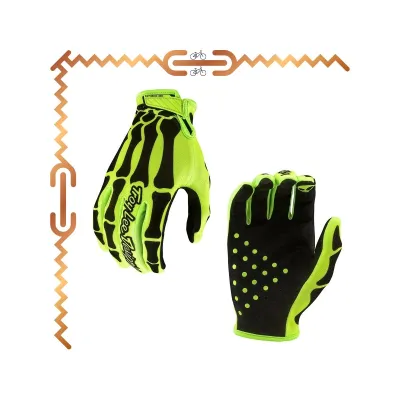
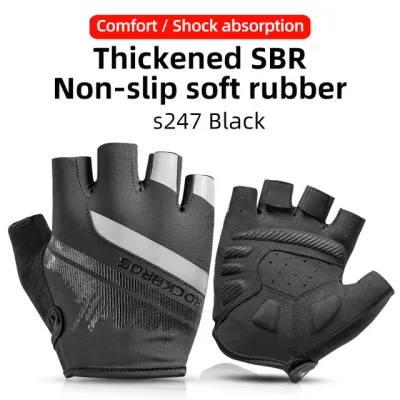
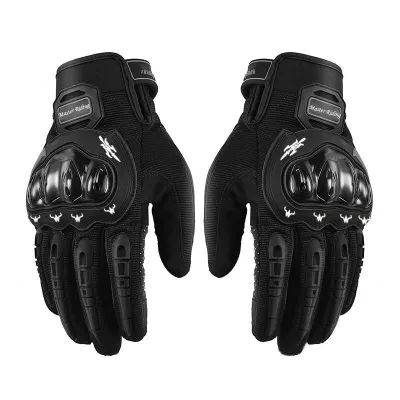
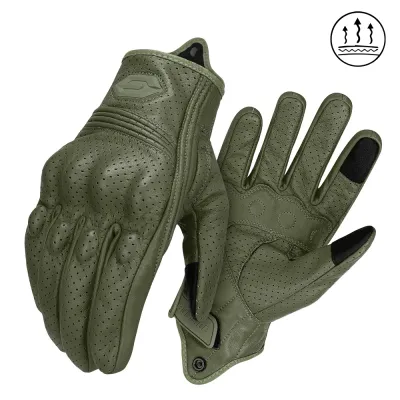
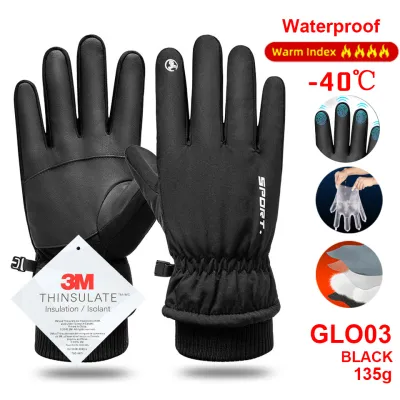
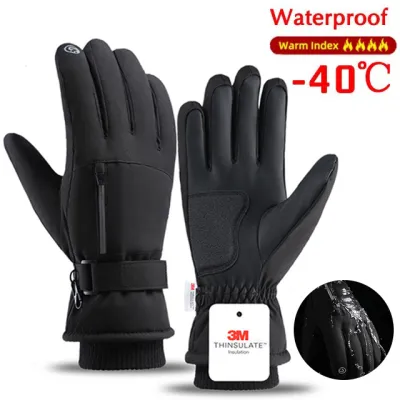
Prices are valid at publication and may change. Please refer to the product page for the latest price.
Core Differences in Fox Gloves: Waterproof vs Breathable Construction
To understand how these two types of fox gloves perform on the road, it is essential to look at how they are manufactured. Waterproof gloves rely on a multi-layered barrier system to block external moisture. The outermost layer is typically treated with a water-resistant coating, beneath which lies a specialized waterproof-breathable membrane. This membrane features microscopic pores that are small enough to block liquid water droplets from entering, yet large enough to allow microscopic sweat vapor molecules to escape.
To ensure complete water resistance, manufacturers must seal every seam inside the glove with waterproof tape. While this construction is highly effective at keeping rain out, the added physical layers—including the outer shell, the membrane, a thermal or comfort liner, and the seam tape—create a substantial barrier to airflow. Even the most advanced breathable membranes require a temperature and humidity gradient to push sweat vapor outward, which limits their effectiveness in warm weather.
Breathable gloves, on the other hand, are engineered to maximize direct ventilation. Instead of solid textile or heavy leather panels, these gloves utilize highly porous materials such as open-weave nylon mesh, perforated synthetic leather, and lightweight stretch fabrics. The interior is often lined with a thin, moisture-wicking fabric designed to pull sweat away from the skin and spread it across a larger surface area for rapid evaporation.
This open-air design relies on the physical movement of the motorcycle to force ambient air through the glove fabric and directly over your skin. This process of evaporative cooling is highly efficient at managing hand sweat and preventing heat buildup. However, because there are no physical barriers to block water, rain will instantly penetrate the mesh panels and saturate the interior lining.
Ultimately, the physical laws of material science dictate that maximum waterproofing and maximum breathability are mutually exclusive. A glove that is completely sealed against external water cannot allow the same volume of airflow as a glove constructed with open mesh. Choosing between them means deciding which compromise you are more willing to accept during your rides.
Riding in Singapore: Navigating Rain and High Humidity
Operating a motorcycle in Singapore presents a unique set of meteorological challenges that directly impact your choice of riding gear. The tropical climate is characterized by high temperatures, relentless humidity, and sudden, intense monsoon downpours. For daily commuters navigating major expressways like the PIE, AYE, or CTE, weather conditions can change from bright sunshine to a torrential storm in a matter of minutes.

During the monsoon seasons, waterproof gloves become an invaluable asset for riders who must travel regardless of the weather forecast. Riding with wet hands is not merely uncomfortable; it is a safety hazard. Wet skin loses heat rapidly when exposed to wind, which can lead to stiff fingers, reduced reaction times, and a compromised grip on the throttle and brake levers. A reliable pair of waterproof gloves keeps your hands dry and warm, ensuring you maintain the physical dexterity needed to operate your motorcycle safely through heavy rain.
However, Singapore’s high ambient humidity—which frequently exceeds 80% to 90%—creates a significant challenge for waterproof gear on dry days. Because the air outside the glove is already saturated with moisture, the humidity gradient required for a waterproof membrane to breathe effectively is virtually non-existent. When you wear waterproof gloves on a warm, humid, but dry afternoon, your hands will sweat, and that sweat will remain trapped inside the glove, resulting in a clammy, overheated, and uncomfortable riding experience.
For dry-weather riding and night commutes, breathable gloves are vastly superior in this tropical environment. The constant airflow provided by mesh panels helps combat the stifling humidity, keeping your hands dry through rapid sweat evaporation. The trade-off is that if you are caught in a sudden tropical downpour without a backup plan, your breathable gloves will quickly absorb water, leaving you with soggy hands for the remainder of your journey.
Protection, Grip, and Tactile Feel
Beyond weather protection, your gloves serve as a critical safety barrier and your primary interface with the motorcycle’s controls. Both waterproof and breathable styles of fox gloves can incorporate advanced safety features, but their physical construction alters how they feel on the handlebars and how they protect your hands during an impact.
Armor and Impact Protection
When evaluating safety, do not assume that one style of glove is inherently safer than the other. Both waterproof and breathable models can be equipped with robust armor, including thermoplastic polyurethane (TPU) knuckle guards, carbon fiber protectors, and shock-absorbing foam inserts in the palms. To verify the actual protection level of a glove, you must physically check the product label or the manufacturer’s documentation for official CE certification ratings, such as the EN 13594 standard.
- CE Level 1 gloves provide a baseline level of abrasion and impact protection suitable for general street riding.
- CE Level 2 gloves offer enhanced protection, featuring more robust armor and higher abrasion resistance, which is ideal for high-speed riding or track use.
- Uncertified gloves may offer basic comfort and scratch protection but have not been independently tested to withstand severe impact forces.
Tactile Feedback and Control
Breathable gloves generally offer superior tactile feedback and lever control. Because they lack the internal membranes and insulation layers found in waterproof gear, they can utilize thinner, more flexible materials on the palm, such as single-layer synthetic leather. This thin construction allows you to feel the subtle vibrations of the engine and the precise engagement point of your clutch and brake levers, which is highly beneficial for technical off-road riding or spirited street riding.
Waterproof gloves are naturally bulkier due to their multi-layered design. This added thickness can slightly desensitize your hands to the controls, requiring a brief adjustment period to get used to the reduced feedback. The extra material can also make the glove stiffer, requiring more hand effort to squeeze the levers over long distances, which can contribute to hand fatigue during extended rides.
Wet-Weather Grip
While keeping the inside of your hand dry is important, the glove’s outer palm material must be able to maintain a secure hold on wet handlebars. When shopping for waterproof gloves, look for models that feature silicone gripper patterns on the fingers or specialized high-friction synthetic suede on the palms. These materials prevent your hands from slipping off wet rubber grips and metal levers, ensuring you maintain precise steering and braking control even in a deluge.
Decision Framework: Match the Glove to Your Riding Style
To finalize your purchase decision, you must analyze your specific riding habits, commuting patterns, and comfort priorities. Use the following guidelines to determine which style of glove aligns with your needs.
Choose Waterproof Fox Gloves If:
- You commute daily on a strict schedule: If you ride to work or school every day and cannot afford to pull over and wait out a sudden downpour, waterproof gloves ensure you arrive with dry, functional hands.
- You frequent long-distance touring: When riding long distances across varying terrain and weather systems, wet hands can quickly lead to discomfort and fatigue. Waterproof gear provides essential peace of mind.
- You prioritize weather protection over maximum ventilation: If you are highly sensitive to cold wind or wet hands, the warmth and dryness of a waterproof glove outweigh the benefits of high airflow.
Choose Breathable Fox Gloves If:
- You ride primarily in dry, hot conditions: If you actively avoid riding in the rain or only ride during clear weather forecasts, the cooling comfort of a highly ventilated mesh glove is unmatched.
- You prioritize precise tactile feedback: If you participate in track days, off-road trail riding, or technical riding where maximum lever feel and throttle control are critical, the thinner construction of a breathable glove is essential.
- You ride mostly in the evening or at night: When the sun goes down and temperatures drop slightly, a breathable glove offers the perfect balance of cooling airflow and basic hand protection without the risk of overheating.
The "Two-Pair" Strategy for Tropical Riders
For motorcyclists living in unpredictable tropical climates, relying on a single pair of gloves often leads to a compromise in either safety or comfort. Many experienced riders adopt a two-pair strategy to handle changing weather conditions seamlessly.
Under this approach, you wear your highly breathable mesh gloves as your primary gear for daily, dry-weather riding to maximize comfort and prevent sweaty hands. You then carry a compact, dedicated pair of waterproof gloves in your motorcycle’s under-seat storage compartment, top box, or backpack. If the skies darken and a heavy rainstorm begins, you can quickly pull over and swap to your waterproof gloves, ensuring your hands remain dry and warm for the wet journey ahead.
Verify Sizing and Fitment Before Buying
Before purchasing any riding gloves, always check the manufacturer’s specific sizing chart and measurement instructions. Because waterproof gloves contain additional internal layers, they often fit tighter and feel stiffer than breathable gloves of the exact same nominal size. If you are on the boundary between two sizes, you may need to size up for a waterproof glove to ensure adequate finger clearance and prevent restricted blood circulation, which can cause cold hands and reduced dexterity.
Care and Maintenance for Riding Gloves
To preserve the protective qualities, grip, and weather resistance of your riding gear, you must care for them according to their specific material requirements. Neglecting proper maintenance can lead to premature wear, reduced performance, and unpleasant odors.
Waterproof Glove Care
Waterproof membranes are delicate and can be easily damaged by improper washing techniques. Never use harsh household detergents, bleach, or fabric softeners, as these chemicals can clog the microscopic pores of the membrane or strip away the Durable Water Repellent (DWR) coating on the outer textile shell.
Instead, hand wash your waterproof gloves using a mild, technical fabric wash specifically designed for outdoor gear. Gently wipe the exterior with a soft cloth to remove road grime, and rinse thoroughly with clean, lukewarm water. Do not wring or twist the gloves to remove excess water, as this can tear the internal membrane or damage the taped seams.
Breathable Glove Care
Breathable gloves are highly susceptible to collecting dust, dirt, and road grime within their mesh panels and perforations. Over time, these particles can clog the fabric pores, significantly reducing airflow. Additionally, the sweat and body oils absorbed by the inner liner can degrade synthetic leathers and cause bacterial growth, leading to strong odors.
Wash your breathable gloves regularly by hand in warm, soapy water using a mild liquid detergent. Use a soft-bristled brush to gently scrub away stubborn dirt from the mesh sections and knuckle protectors. Rinse the gloves thoroughly to ensure no soap residue remains, as dried soap can irritate your skin and attract moisture during your next ride.
Natural Drying Rules
Regardless of the glove type, never expose them to direct, high-heat sources to speed up the drying process. Do not place them on radiators, use a hair dryer, or leave them in direct, harsh sunlight. High heat can cause synthetic fabrics to melt, delaminate waterproof membranes, and cause natural leather to shrink, crack, and stiffen, permanently ruining the fit and safety of the glove.
Instead, gently press the excess water out of the gloves using a dry towel. Hang them to air dry naturally in a well-ventilated, shaded indoor area away from direct heat sources. For waterproof gloves, hang them with the wrist opening facing downward to allow any trapped internal moisture to drain and evaporate efficiently. Ensure they are completely dry inside and out before storing them in a cool, dry place.
Community discussion
Share your experience or ask a question. Comments are reviewed before publication.