
Selecting the right motorcycle gear requires balancing physical protection, environmental shielding, and tactile control. For riders evaluating fleece gloves, this decision centers on a fundamental trade-off: keeping external water out versus letting internal moisture escape. The choice is not merely about comfort; it directly impacts your ability to operate your motorcycle’s controls safely and efficiently under varying weather conditions.
Fleece is highly valued in riding gear for its soft texture, lightweight profile, and excellent thermal efficiency. However, when integrated into riding gloves, manufacturers must modify the fabric’s natural properties to handle the wind, rain, and road friction encountered on a motorcycle. Understanding how these modifications affect real-world performance is key to choosing the right pair for your riding environment.
Quick Answer: Choosing Between Waterproof and Breathable Fleece
The choice between waterproof and breathable fleece riding gloves depends heavily on your local weather patterns, daily commuting distance, and your personal tolerance for moisture. In regions characterized by sudden tropical downpours and high baseline humidity, such as Singapore, this decision becomes even more critical. A glove that performs exceptionally well on a dry, windy morning may become a liability during a heavy afternoon monsoon or in slow, stop-and-go city traffic.
Products mentioned in this guide
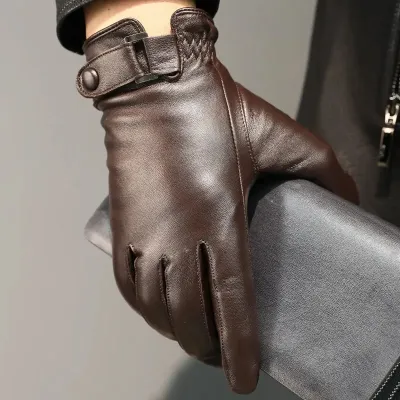
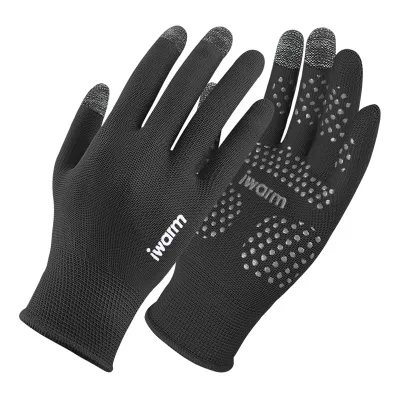
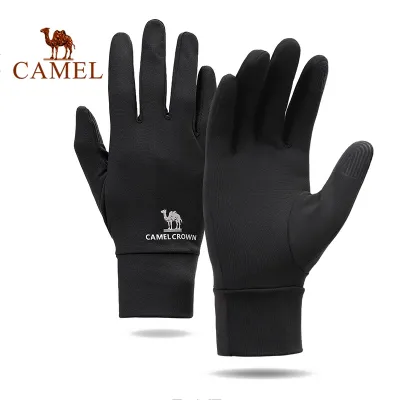
Prices are valid at publication and may change. Please refer to the product page for the latest price.
Waterproof fleece gloves prioritize wind and rain blocking, making them the ideal choice for riders who must commute through unpredictable wet weather or long highway stretches where wind chill is a major factor. By sealing out external moisture, they keep your hands dry from the rain, but they tend to trap body heat and sweat. This can lead to a damp, clammy feeling inside the glove when riding in warm, humid conditions.
Conversely, breathable fleece gloves excel at temperature regulation and maintaining maximum hand dexterity. They allow constant airflow to dry sweat quickly, keeping your hands cool and comfortable during slow, urban rides. The major trade-off is that they offer virtually no protection against rain and very limited resistance to high-speed wind chill. If you get caught in a heavy downpour, breathable fleece will saturate rapidly, leading to cold, wet hands that can compromise your grip and control.
Ultimately, neither option is universally superior. The right glove is the one that matches your typical riding duration, the specific microclimates of your route, and whether you prioritize absolute wet-weather protection over maximum tactile feedback and cooling.
How Waterproof and Breathable Fleece Actually Work
To understand the performance differences between these two types of gloves, it is necessary to look at how they are constructed. Standard fleece is a synthetic knit fabric made from polyester fibers. It is brushed to create a high-loft structure with millions of tiny air pockets that trap body heat. While this structure is excellent for insulation, it is naturally highly permeable to both wind and water, requiring manufacturers to alter the glove’s physical layers to achieve specific performance goals.

How Waterproof Fleece Gloves Manage Moisture
Waterproof fleece riding gloves achieve their weather resistance through a multi-layer “sandwich” construction. The outer shell is typically treated with a Durable Water Repellent (DWR) coating to shed initial droplets. Beneath this outer layer lies the core of the system: a thin, semi-permeable membrane made of materials like Thermoplastic Polyurethane (TPU) or specialized polyester films.
This membrane is engineered with microscopic pores that are thousands of times smaller than a drop of water, preventing rain from penetrating the glove. At the same time, these pores are larger than a molecule of water vapor, theoretically allowing sweat to escape. In practice, however, this moisture transfer relies on a temperature and humidity gradient. In hot, highly humid climates, the air outside the glove is often as warm and damp as the air inside, which severely slows down the evaporation process. As a result, internal sweat can accumulate, making the fleece lining feel damp even when no rain has penetrated the outer shell.
How Breathable Fleece Gloves Regulate Temperature
Breathable fleece gloves omit the internal waterproof membrane entirely, focusing instead on unrestricted air exchange. They often feature an open-weave, lightweight, or grid-patterned fleece structure. This design maximizes the surface area of the fabric, allowing air to circulate freely through the glove and directly across your skin.
When you sweat, the moisture is drawn away from your skin by the hydrophilic properties of the polyester fibers and transported to the outer surface of the glove, where the passing wind evaporates it almost instantly. This convective cooling process is highly efficient at preventing sweaty palms and maintaining a stable, comfortable temperature in warm weather. However, because there is no solid barrier to block the wind, high-speed airflow will penetrate the fabric completely, which can quickly lead to wind chill and stiff fingers in cooler riding conditions or during night commutes.
Real-World Performance: Grip, Weather, and Dexterity
Beyond keeping your hands warm or dry, riding gloves must allow you to operate your motorcycle’s controls with precision. The physical construction of waterproof and breathable fleece gloves directly affects your tactile connection to the handlebars, levers, and switches.
Weather Protection and Wind Resistance
When riding at highway speeds, wind chill can rapidly lower the temperature of your hands, reducing your reaction time and finger flexibility. Waterproof fleece gloves act as a total windbreak. The internal membrane stops high-speed air from reaching your skin, preserving your hand warmth and preventing the stiffening of joints that can make emergency braking difficult. In heavy rain, they keep the water out, ensuring your hands stay dry and functional.
Breathable fleece gloves offer very little resistance to wind shear. At highway speeds, the ambient air flows directly through the fabric, which can make your hands feel uncomfortably cold even in mild weather. In wet conditions, breathable fleece acts like a sponge, absorbing water quickly. Once saturated, the combination of wet fabric and high-speed wind causes rapid evaporative cooling, which can quickly numb your fingers and reduce your control over the motorcycle.
Grip, Dexterity, and Control Feel
Safe motorcycle operation relies on precise inputs to the clutch, front brake, and throttle. The multi-layer design of waterproof fleece gloves inherently adds bulk. This extra thickness can make the gloves feel stiff, requiring more physical effort to squeeze the levers and making it harder to feel the subtle engagement points of your clutch and brakes.
Furthermore, multi-layer gloves can suffer from “interlayer slip,” where the inner lining, the waterproof membrane, and the outer shell slide slightly against one another. This minor movement can reduce your tactile feedback, making your controls feel vague. Breathable fleece gloves, being single-layer or lightly lined, are much thinner and more flexible. They conform closely to your hands, offering excellent tactile feedback, an unobstructed feel of the levers, and easy operation of small handlebar switches.
Touchscreen Compatibility and Daily Convenience
Many modern riders rely on handlebar-mounted smartphones or GPS units for navigation. Operating these capacitive touchscreens requires a conductive path from your fingertip to the screen. Because fleece is naturally non-conductive, manufacturers must add specialized materials to the fingertips of riding gloves to enable touchscreen compatibility.
In thick, waterproof fleece gloves, the added bulk and stiff construction can make precise typing or zooming on a screen difficult, even if the fingertips are conductive. The extra material can cause inaccurate taps, which can be frustrating when trying to adjust a navigation route. Breathable fleece gloves, with their thinner profile and closer fit, allow for much more precise touchscreen operation. Regardless of the fleece type, always check the manufacturer’s product label to verify that the gloves feature conductive thread or specialized panels on the fingertips, as standard fleece will not work on capacitive screens.
The Decision Framework: Which Glove Fits Your Ride?
Choosing between these two glove types requires assessing your typical riding scenarios, your local climate, and your safety requirements. Use the following guidelines to determine which option best suits your riding style.
Choose Waterproof Fleece If…
- You commute daily through wet seasons: If you ride to work or school every day regardless of the weather, and cannot afford to arrive with wet, cold hands, the reliable barrier of a waterproof membrane is essential.
- Your route includes long highway stretches: If your daily ride involves high-speed expressways where wind chill is a constant factor, the wind-blocking capability of waterproof fleece will keep your hands warm and responsive.
- You prioritize dry hands over maximum control feel: If you prefer a slightly bulkier glove in exchange for absolute protection against the elements, waterproof fleece is the logical choice.
Choose Breathable Fleece If…
- You ride primarily in hot, humid urban environments: If your riding consists of short city trips or navigating slow, stop-and-go traffic in warm weather, the cooling airflow of breathable fleece will prevent your hands from overheating and sweating excessively.
- You demand maximum tactile feedback: If you ride a motorcycle with a heavy clutch or highly sensitive brakes where precise lever modulation is critical, the thin, flexible nature of breathable fleece is highly advantageous.
- You primarily ride in dry, stable weather: If you can avoid riding in the rain and only need a light layer to protect your hands from mild morning chill or road debris, breathable fleece offers the best balance of comfort and utility.
Verify First If… (Safety and Armor Checks)
Before purchasing any pair of fleece riding gloves, it is critical to understand that fleece fabric alone provides virtually no protection against impact or road abrasion. In the event of a fall, standard polyester fleece will tear instantly, and the friction heat can even cause the synthetic fibers to melt into your skin.
Therefore, regardless of whether you choose a waterproof or breathable model, you must verify that the gloves are designed specifically for motorcycle riding. Look for the following essential safety features in the product documentation:
- CE Certification: Check for a label indicating compliance with the EN 13594 standard for protective motorcycle gloves.
- Reinforced Palms: Ensure the palms are constructed from or reinforced with abrasion-resistant materials, such as genuine leather, clarified synthetic suede, or highly durable aramid fibers.
- Palm Sliders: Look for hard plastic or resin sliders on the heel of the palm to help your hand slide along the asphalt rather than catching, which helps prevent wrist fractures.
- Knuckle Protection: Verify the presence of built-in hard or semi-rigid knuckle armor to protect against impact from road debris or during a fall.
- Double Stitching: Check that critical seams are double-stitched using high-strength nylon thread to prevent the glove from bursting apart under stress.
Always consult the manufacturer’s sizing guide and product documentation to ensure a proper, secure fit, as a glove that is too loose can shift during an impact, displacing the protective armor.
Maintaining Your Fleece Gloves for Long-Lasting Performance
To preserve the functional properties, safety features, and comfort of your fleece riding gloves, proper maintenance is essential. Dirt, sweat, road grime, and body oils can degrade the materials over time, reducing both water resistance and breathability.
Waterproof Glove Care
Waterproof membranes are delicate and can be easily damaged by improper washing techniques. Harsh laundry detergents, household bleach, and fabric softeners can clog the membrane’s microscopic pores or strip away the outer DWR coating, permanently ruining the glove’s performance.
Always check the care label inside your gloves before washing. The safest method is to hand wash them in cool or lukewarm water using a mild, liquid soap or a specialized technical wash designed specifically for waterproof fabrics. Gently squeeze the soapy water through the gloves without twisting or wringing them, as excessive twisting can tear the internal membrane or damage the structural stitching. Rinse the gloves thoroughly with clean water to ensure all soap residue is completely removed.
Breathable Glove Care
Because breathable fleece gloves allow air and sweat to pass through freely, they tend to absorb body oils, salts, and road grime much faster than waterproof models. If left unwashed, these contaminants will clog the open weave of the fabric, significantly reducing the glove’s breathability and trapping unpleasant odors.
Breathable fleece gloves should be washed regularly to maintain their performance. Most can be hand washed or machine washed on a gentle cycle in cold water using a mild detergent. Avoid using fabric softeners, as they leave a chemical coating on the polyester fibers that reduces their moisture-wicking efficiency. To protect the gloves from snagging on other items in the washing machine, place them inside a mesh laundry bag and secure any hook-and-loop wrist straps.
Drying Instructions
Never place waterproof or breathable fleece riding gloves in a clothes dryer, and do not use a hair dryer or place them directly on a radiator. High heat can melt the synthetic polyester fibers, delaminate the waterproof membrane, degrade protective plastic armor, and weaken the adhesives used in the glove’s construction.
Instead, gently press the water out of the gloves using a clean, dry towel—do not wring them. Shape the gloves back into their natural form and lay them flat or hang them to air dry in a well-ventilated area away from direct sunlight and artificial heat sources. Ensure they are completely dry inside and out before storing them in a cool, dry place to prevent the growth of mold and mildew.
Frequently Asked Questions (FAQ)
This section addresses common questions regarding the use and performance of fleece riding gloves in different environments.
Can I use regular winter fleece gloves for motorcycle riding?
You should never use standard winter or fashion fleece gloves for motorcycle riding. Regular fleece gloves are designed solely for thermal insulation while walking or standing; they lack the structural integrity, seam strength, and protective materials required for motorcycling. They offer zero abrasion resistance, meaning they will disintegrate instantly if they contact the road surface during a slide, leaving your skin completely unprotected. Additionally, they lack critical safety components like knuckle armor, palm sliders, and reinforced grip panels, which are essential for protecting your hands from impacts and maintaining a secure hold on your motorcycle’s controls.
Do waterproof fleece gloves make my hands sweat in tropical weather?
Yes, waterproof fleece gloves can cause your hands to sweat significantly when riding in hot, humid tropical climates like Singapore. While the internal waterproof membrane is designed to keep rain out, its ability to let sweat vapor escape depends on a temperature and humidity difference between the inside and outside of the glove. In high ambient humidity, this moisture transfer slows down dramatically. During slow, urban riding or when stopped at traffic lights, heat builds up inside the glove, trapping sweat and creating a hot, damp environment. For daily riding in consistently warm and humid conditions, breathable fleece or mesh gloves are generally much more comfortable, while waterproof gloves are best reserved for heavy rain or long, wet highway commutes.
Community discussion
Share your experience or ask a question. Comments are reviewed before publication.