
Choosing between waterproof and breathable anti-slip riding gloves in Singapore is a balancing act between managing external downpours and handling intense internal sweat. Because the tropical climate regularly serves up both torrential afternoon storms and stifling humidity, a single glove style rarely excels in every scenario. The ideal grip performance depends on your immediate riding environment, your tolerance for heat, and how the glove’s palm materials interact with moisture.
Rather than searching for a universal winner, riders must evaluate how different glove constructions handle moisture. Waterproof gloves excel at keeping heavy rain out but can trap sweat, while breathable gloves offer excellent ventilation at the cost of water resistance. By understanding how these designs affect your tactile connection to the handlebars, you can select the right pair to maintain safe, consistent control of your motorcycle.
Understanding Grip Performance in Hot and Rainy Conditions
Maintaining a secure hold on your motorcycle’s handlebars requires consistent friction between your glove palms and the grips. In a tropical climate, this friction is constantly under threat from two distinct sources of moisture: external rainwater and internal sweat. When water coats the contact patch, it acts as a lubricant, significantly reducing the coefficient of friction and causing your hands to slip during sudden maneuvers or throttle adjustments.
Products mentioned in this guide
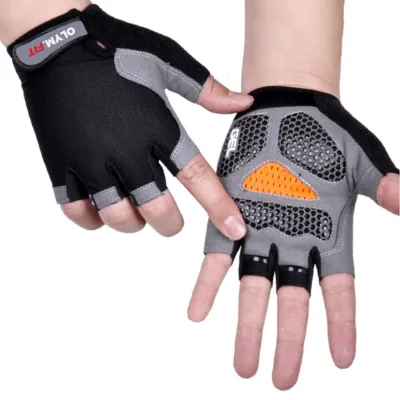
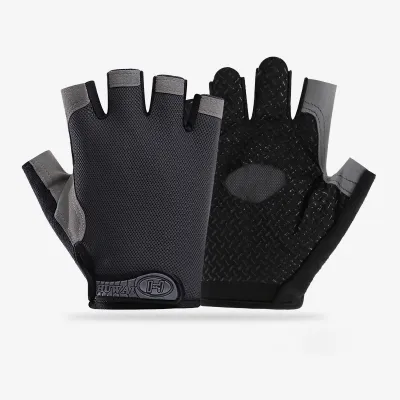
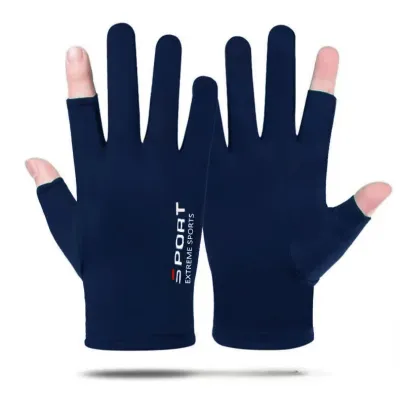
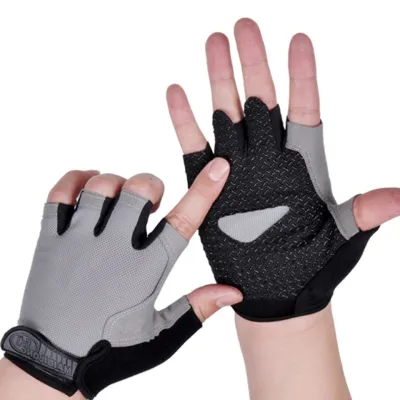
Prices are valid at publication and may change. Please refer to the product page for the latest price.
Internal moisture poses an equally challenging problem. When riding in high temperatures, your palms sweat, which can saturate the inner lining of your gloves. If the glove cannot manage this moisture, the inner layers begin to slide against each other, or your hand slides inside the glove itself. This internal slippage degrades your tactile feedback, making it difficult to feel subtle vibrations from the front tire or to modulate the front brake lever smoothly.
Palm materials and construction play a critical role in countering these moisture issues. Manufacturers use various materials, such as treated leather, synthetic suede, and specialized textile blends, to maintain grip when wet. Leather offers excellent natural friction and durability but can become heavy and slick when fully saturated. Synthetic alternatives, like Clarino or specialized polyesters, are often engineered to retain their texture and grip even when wet, drying out much faster than traditional cowhide.
To ensure you are getting genuine grip assistance, always check the manufacturer’s product specifications for dedicated anti-slip treatments. Look for features such as silicone printed patterns on the fingers, textured palm overlays, or integrated rubberized panels. These additions are specifically designed to bite through water films on the handlebar grips, helping you maintain control without needing to squeeze the bars with excessive, tiring force.
Waterproof Riding Gloves: Grip and Comfort Trade-offs
Waterproof riding gloves are engineered to act as an absolute barrier against external wetness, typically utilizing an internal membrane laminated between the outer shell and the inner lining. During a sudden tropical downpour, this construction keeps your hands dry, preventing rainwater from chilling your fingers or washing away the friction between your palm and the handlebar. For riders who commute daily regardless of the weather, this reliable barrier provides peace of mind and consistent external grip during heavy storms.

However, this protective barrier comes with a significant trade-off in high humidity. While high-quality waterproof membranes are designed to be breathable, their performance relies on a temperature and humidity differential between the inside and outside of the glove. In Singapore’s warm, humid air, this differential is minimal, meaning sweat generated by your hands often remains trapped inside the glove. Over time, this trapped moisture can make the interior feel clammy and cause your hand to slide within the glove, compromising your control.
Additionally, the multi-layer construction of waterproof gloves inherently reduces tactile feedback. Because there are more layers of material—including the outer shell, the waterproof membrane, and an inner comfort liner—between your skin and the throttle, your ability to feel subtle inputs is diminished. This thicker profile can lead to hand fatigue on longer rides, as you may find yourself gripping the handlebars tighter than usual to compensate for the reduced sensory connection.
Consequently, waterproof gloves are highly effective at maintaining grip during active, heavy rainfall where external water clearance is the primary concern. However, during dry, hot spells, wearing them can quickly lead to overheated, sweaty hands. The resulting internal moisture can make the gloves just as slippery from the inside as a non-waterproof glove would be from the outside in a light drizzle.
Breathable Riding Gloves: Grip and Comfort Trade-offs
Breathable riding gloves prioritize maximum airflow and rapid moisture evaporation, making them highly suited for hot, dry days or light, humid conditions. These gloves typically feature perforated leather, mesh panels, and lightweight textile backings that allow wind to pass directly through to your skin. By keeping your hands cool, these materials significantly reduce sweat production, ensuring your palms remain dry and your grip on the handlebars stays firm and secure.
The primary advantage of breathable gloves is their exceptional tactile feedback. Because they lack thick internal membranes and heavy insulation, they feature a much thinner palm construction. This thin profile allows you to feel the exact texture of your grips, the subtle engagement point of your clutch, and the precise feedback from your front brake lever. This high level of sensitivity translates directly to smoother control and reduced hand fatigue during long rides through heavy traffic.
The obvious limitation of breathable gloves is their lack of protection against rain. When caught in a sudden downpour, these gloves saturate almost instantly. Water easily penetrates the mesh and perforations, flooding the palm area and drastically reducing friction against the handlebar grips. Furthermore, wet textile and leather can stretch and distort, causing the glove to shift on your hand and making throttle control less predictable.
Over time, constant exposure to sweat and road grime can also affect the durability of breathable gloves. While mesh panels offer excellent ventilation, they are generally less abrasion-resistant than solid leather. If the palm area is not reinforced with high-quality synthetic suede or leather overlays, the constant friction of riding can wear down the anti-slip properties of the material, leading to a gradual loss of grip consistency even in dry weather.
Direct Comparison: Choosing the Right Anti-Slip Gloves for Your Ride
Selecting the right anti-slip gloves requires a realistic assessment of your riding habits, commute times, and personal comfort preferences. Because no single glove can offer both absolute waterproof protection and maximum airflow, many riders find that their choice depends on how they balance the risk of rain against the daily reality of heat.
Choose Waterproof Gloves If:
- You are a daily commuter who must ride through heavy afternoon downpours without stopping.
- You prioritize keeping your hands completely dry over having maximum ventilation.
- You frequently ride during cooler, rainy evenings when wet hands can lead to wind chill and stiff fingers.
- You prefer a glove with a more substantial, protective feel, even if it means sacrificing some tactile feedback.
Choose Breathable Gloves If:
- Your rides take place primarily during dry, hot periods, and you can easily seek shelter during sudden storms.
- You struggle with sweaty palms and require constant airflow to keep your hands dry and comfortable.
- You prioritize maximum tactile feedback and precise control over your motorcycle's levers and throttle.
- You prefer lightweight, flexible gear that minimizes hand fatigue during stop-and-go city riding.
Verify First If:
- The glove features a hybrid design, such as a breathable mesh back paired with a highly durable, water-resistant synthetic palm.
- The palm material is specifically rated for wet grip, such as specialized synthetic suede or silicone-infused leather.
- The manufacturer's sizing chart matches your hand measurements, as an improperly fitted glove will slip internally regardless of its material properties.
| Decision Factor | Waterproof Anti-Slip Gloves | Breathable Anti-Slip Gloves |
|---|---|---|
| Primary Moisture Threat | External rain and road spray | Internal sweat and high humidity |
| Tactile Feedback | Moderate to low (due to thicker, multi-layer build) | High (due to thin, single-layer palm construction) |
| Ideal Weather Conditions | Heavy rain, wet roads, and cooler wet weather | Hot sun, high humidity, and dry roads |
| Grip Retention (Wet) | High (keeps external water out of the palm) | Low (saturates quickly, reducing friction) |
| Grip Retention (Dry/Hot) | Moderate (can become slippery inside due to sweat) | High (keeps palms dry via constant airflow) |
Care and Maintenance to Preserve Anti-Slip Properties
To maintain the grip performance and safety features of your riding gloves, regular and proper maintenance is essential. Sweat, road grime, and oil from your motorcycle’s grips can accumulate on the palms, gradually clogging the texture of synthetic materials and degrading the surface of leather. Always consult the manufacturer’s care label before cleaning, as harsh detergents can strip away specialized anti-slip coatings or damage delicate waterproof membranes.
When washing your gloves, use mild soap and lukewarm water, gently wiping the palm area with a soft cloth to remove dirt build-up. Avoid using fabric softeners, as they leave behind a slick residue that can permanently ruin the glove’s anti-slip properties. For waterproof gloves, specialized technical washes are recommended to preserve the breathability and water-repellent properties of the outer shell.
Drying your gloves correctly is just as important as washing them. Never expose your gloves to direct sunlight, hair dryers, or radiators, as extreme heat can cause leather to shrink and stiffen, and can delaminate the internal waterproof membrane. Instead, press out excess water gently without wringing, and allow them to air-dry flat in a well-ventilated, shaded indoor area.
Finally, inspect your gloves regularly for signs of wear and tear. Over time, friction will inevitably wear down silicone prints, textured palm overlays, and stitching. If you notice the palm material thinning, seams unraveling, or the grip becoming noticeably slick even when clean and dry, it is time to replace the gloves to ensure your safety and control on the road remain uncompromised.
Frequently Asked Questions (FAQ)
Can I use breathable gloves in the rain if I apply a waterproofing spray?
Applying an aftermarket waterproofing spray to breathable mesh or highly perforated gloves is generally ineffective and not recommended. These sprays are designed to create a hydrophobic barrier on solid fabrics, but they cannot seal the physical gaps and open weave of mesh panels. Attempting to coat these areas will likely clog the breathable pores without stopping water from entering, reducing the glove’s ventilation while failing to keep your hands dry. Always check the manufacturer’s care instructions before applying any chemical treatments to your gear.
Do anti-slip silicone prints wear off quickly in humid climates?
Silicone prints on riding gloves can wear off over time, and high humidity combined with sweat can accelerate this process if the gloves are not cared for properly. The constant friction against rubber handlebar grips, combined with the acidic nature of sweat, can gradually weaken the bond between the silicone and the underlying fabric. To maximize the lifespan of these prints, avoid rubbing the palms aggressively during cleaning, and store your gloves in a cool, dry place away from direct sunlight when not in use. Regularly inspect the prints for peeling or fading to gauge when the grip performance is beginning to decline.
Community discussion
Share your experience or ask a question. Comments are reviewed before publication.