
Choosing between waterproof and breathable anti slip gloves is not a matter of finding a universally superior option, but rather matching your gear to your specific riding environment and climate. Waterproof gloves prioritize complete weather protection by sealing out external moisture, though this design inherently restricts airflow and can lead to heat buildup. Conversely, breathable gloves maximize cooling and ventilation through open-weave or perforated materials, making them ideal for hot, dry conditions but entirely ineffective against rain. While both categories offer excellent anti-slip grip, this performance relies on specialized palm materials and textures rather than the glove’s outer weatherproofing shell. For riders navigating unpredictable tropical downpours or daily commutes, waterproof options provide essential dry comfort, whereas those tackling high-temperature urban traffic or track days will find breathable alternatives far more suitable.
Understanding the Core Trade-Off: Weather Protection vs Airflow
To make an informed decision, you must understand how these gloves are constructed. Waterproof riding gloves rely on a multi-layered design. The outermost layer is typically treated with a durable water repellent (DWR) coating, followed by an internal waterproof membrane. This membrane features microscopic pores that block liquid water droplets from entering but allow water vapor—such as sweat—to escape. While this provides excellent protection against heavy downpours, the physical barrier naturally restricts direct air circulation. Consequently, in warm or humid conditions, your hands can still become damp from perspiration.
Breathable riding gloves prioritize maximum airflow. These gloves are constructed using highly porous materials such as 3D mesh, perforated leather, and lightweight synthetic textiles. The open-weave design allows wind to pass directly through the glove, cooling your skin and evaporating sweat almost instantly. This direct ventilation is highly effective at preventing heat fatigue on hot days. However, because these materials lack a solid barrier, they offer zero resistance to water. Even a brief shower will quickly saturate the glove, leading to cold, wet hands and a compromised grip.
Products mentioned in this guide
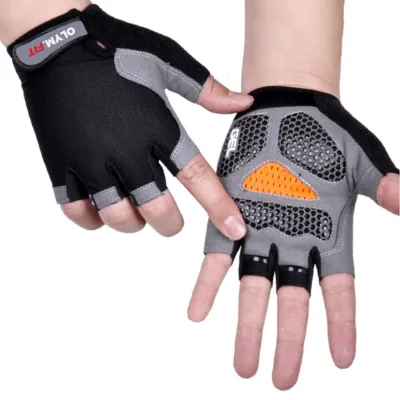
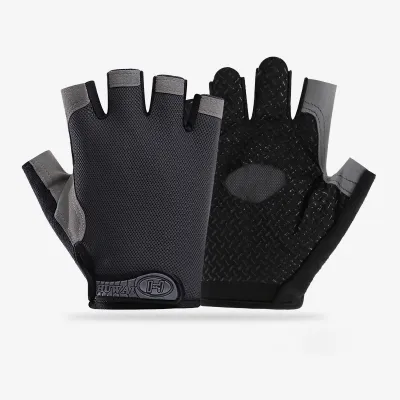
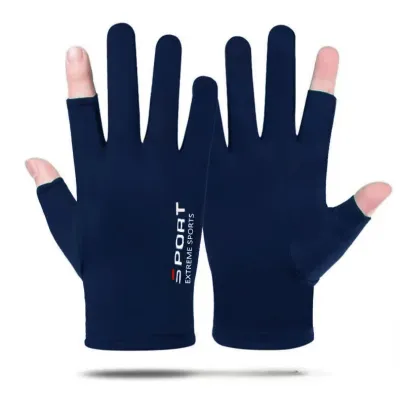
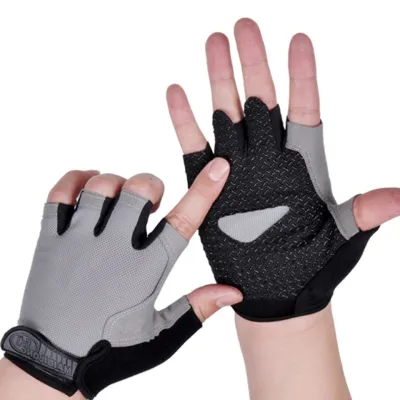
Prices are valid at publication and may change. Please refer to the product page for the latest price.
When shopping, look past generic marketing terms and verify the specific technologies used. Check the manufacturer’s specifications for recognized waterproof membranes or designated ventilation zones. Additionally, understand the distinction between “water-resistant” and fully “waterproof” products. Water-resistant gloves can typically withstand a light mist due to surface treatments, but they will eventually leak under sustained rain. Fully waterproof gloves feature taped or sealed seams and an integrated membrane designed to withstand prolonged exposure to wet conditions. You can verify these capabilities by checking the product tags for specific hydrostatic head ratings or waterproof certifications.
Evaluating Grip and Anti-Slip Performance
While weather protection and airflow are critical for comfort, the primary safety function of any riding glove is to maintain a secure connection to your motorcycle’s controls. The anti-slip performance of a glove is determined by its palm construction, which operates independently of the glove’s weatherproofing category. Manufacturers utilize various materials on the palm to optimize friction and durability. Full-grain leather, such as goatskin or kangaroo leather, is highly favored for its natural grip, flexibility, and excellent abrasion resistance. However, untreated leather can become slick when fully saturated with water, which is a key consideration for wet-weather riders.

To combat this, high-quality anti slip gloves often incorporate synthetic suede or specialized silicone prints. Synthetic suede materials, like Clarino, maintain a consistent level of friction even when damp and do not stiffen after drying. Silicone grip patterns are strategically applied to the palm and the tips of the index and middle fingers to provide high-friction contact points on the throttle, brake, and clutch levers. When evaluating gloves, look for these textured panels and reinforced patches, particularly in the high-wear area between the thumb and index finger. A pre-curved finger design is also highly beneficial, as it reduces material bunching when you grip the handlebars, thereby preventing hand fatigue and ensuring a consistent contact patch.
The effectiveness of any anti-slip material is heavily dependent on a proper physical fit. A glove that is too loose will allow your hand to slide around inside, causing the lining to shift and reducing your tactile feedback. Conversely, a glove that is too tight will restrict blood flow, leading to hand numbness and a weakened grip. When trying on gloves, simulate gripping a handlebar to ensure there is no excessive tightness across the knuckles or bunching in the palm. If you are purchasing online, review the retailer’s return and exchange policies so you can verify the fit and tactile feedback on your own motorcycle before committing to the pair.
Protection and Safety Features to Verify
Riding gloves are a vital piece of personal protective equipment, and you should never sacrifice safety for comfort or weatherproofing. Before purchasing any pair of gloves, verify their safety credentials by looking for the CE EN 13594 certification label. This European standard tests motorcycle gloves across several performance metrics, including restraint (how well the glove stays on your hand during a slide), tear strength, seam strength, and abrasion resistance. The certification label will display a motorcycle rider icon along with a Level 1 or Level 2 rating, with Level 2 indicating a higher threshold of tested protection.
When examining the glove’s physical construction, look for critical protective elements designed to mitigate impact and abrasion injuries. Hard knuckle armor made of carbon fiber, thermoplastic polyurethane (TPU), or impact-absorbing smart foams (such as D3O) protects against flying debris and ground impacts. Palm sliders are another essential feature; these hard inserts allow your hand to slide smoothly along the asphalt during a fall, preventing the scaphoid bone in your wrist from catching and fracturing. Additionally, ensure the outer seam of the pinky finger is reinforced, as this area is highly vulnerable to abrasion during a slide.
The retention system is just as important as the protective materials themselves. A secure wrist closure system, typically consisting of dual hook-and-loop (Velcro) straps or heavy-duty snap buttons, ensures the glove remains firmly anchored to your hand during an accident. If a glove slips off during a fall, its protective features cannot safeguard your skin. Finally, avoid the common misconception that thicker, bulkier waterproof gloves automatically offer superior abrasion resistance. A thin, well-ventilated glove made of premium full-grain leather with reinforced safety seams can provide significantly higher protection than a thick, uncertified polyester waterproof glove. Always verify the actual materials and official safety ratings rather than relying on visual thickness.
Matching Gloves to Your Riding Conditions
Selecting the right glove type requires a realistic assessment of your typical riding environment, local climate, and commuting habits. You should choose waterproof anti slip gloves if your daily routine involves commuting through unpredictable weather or distinct wet seasons, where sudden downpours are common. Wet hands not only cause discomfort but also lead to wind chill, which reduces hand sensitivity and slows your reaction times on the controls. Waterproof gloves are also indispensable for long-distance touring, where you may encounter rapid temperature drops and prolonged rain across different regions.
On the other hand, you should choose breathable anti slip gloves if you primarily ride in consistently hot, dry, or highly humid climates. For urban riders facing heavy stop-and-go city traffic, the lack of wind flow makes heat buildup a significant issue. In these warm conditions, wearing a waterproof glove will cause your hands to sweat excessively. This internal moisture can make the inner lining slippery, compromising your grip and causing skin irritation over long rides. Breathable gloves keep your hands dry from sweat, ensuring a secure grip and maximum tactile feedback when operating the levers.
While some manufacturers offer “all-season” or hybrid gloves featuring removable waterproof liners or zippered ventilation panels, these designs often come with trade-offs. With the waterproof liner installed, hybrid gloves tend to be bulkier and offer less tactile feel than a dedicated waterproof glove. When the liner is removed, the remaining shell rarely flows as much air as a dedicated mesh glove due to the extra fabric layers and zippers. For riders who experience highly variable seasonal weather, investing in two separate, dedicated pairs of gloves—one waterproof and one highly breathable—is often the most practical solution to guarantee optimal safety, comfort, and grip performance year-round.
Comparison Matrix: Waterproof vs Breathable Gloves
To help streamline your decision-making process, the table below summarizes the key structural and functional differences between waterproof and breathable riding gloves.
| Feature | Waterproof Riding Gloves | Breathable Riding Gloves |
|---|---|---|
| Ideal Weather Conditions | Heavy rain, wet seasons, cold winds | Hot, dry, humid sunny days |
| Primary Shell Materials | Heavy-duty textile, treated leather, waterproof membrane | Perforated leather, 3D mesh, lightweight textile |
| Airflow and Ventilation | Minimal to none (restricted by internal membrane) | High (direct airflow through mesh/perforations) |
| Rain and Moisture Protection | High (blocks external water completely) | None (absorbs water quickly) |
| Typical Riding Scenarios | Wet commuting, long-distance touring, cold weather | Summer city riding, track days, hot-weather touring |
Note: Regardless of the style you choose, always verify the specific CE safety ratings (such as EN 13594) on the physical product label to ensure adequate impact and abrasion protection.
Frequently Asked Questions (FAQ)
Can I use waterproof riding gloves in hot weather?
Waterproof membranes severely restrict airflow, which causes heat and sweat to build up rapidly inside the glove during hot weather. This trapped moisture can make the inner lining slippery, reducing your tactile feedback and grip on the motorcycle’s controls. For safety and comfort, it is highly recommended to switch to breathable gloves when temperatures rise.
Do breathable mesh gloves offer enough protection in a crash?
Mesh panels alone do not provide sufficient abrasion resistance against asphalt. However, high-quality breathable gloves combine mesh ventilation zones with highly durable materials like full-grain leather, synthetic suede, and hard knuckle armor in high-impact areas. Always check for a valid CE EN 13594 safety certification label to verify that the glove has been tested to withstand crash forces.
How do I clean and maintain the anti-slip grip on my gloves?
To preserve the anti-slip grip and material integrity, always follow the manufacturer’s specific care label instructions. Avoid using harsh chemical detergents, solvents, or washing machines, as these can degrade silicone prints, dry out leather, and damage waterproof membranes. Instead, gently hand wash the gloves using mild soap and lukewarm water, then allow them to air dry naturally away from direct sunlight or heating elements.
Community discussion
Share your experience or ask a question. Comments are reviewed before publication.