
A sudden downpour can turn a pleasant motorcycle ride into a cold, distracting, and potentially dangerous ordeal. Choosing a high-performance full motorcycle rain suit requires looking past generic “waterproof” labels to understand the technical specifications that actually keep water out at speed. To find a suit that withstands intense weather, you must evaluate its hydrostatic head rating, seam construction, material breathability, and how it integrates with your existing safety gear.
Quick Guide to Evaluating Rain Suit Specs
When shopping for a motorcycle rain suit, three technical elements determine its real-world performance: the waterproof rating, the seam construction, and the overall fit over protective armor. A truly protective suit must state its performance metrics clearly on the product tag or documentation. Relying on vague marketing terms often leads to water ingress during heavy downpours.
Furthermore, riders must distinguish between weather protection and impact protection. A standard rain suit is designed solely to keep you dry and does not feature the structural integrity needed to survive a slide on asphalt. Understanding these boundaries ensures you stay both dry and safe on the road.
Products mentioned in this guide
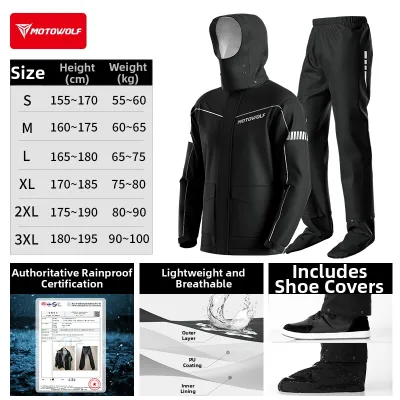
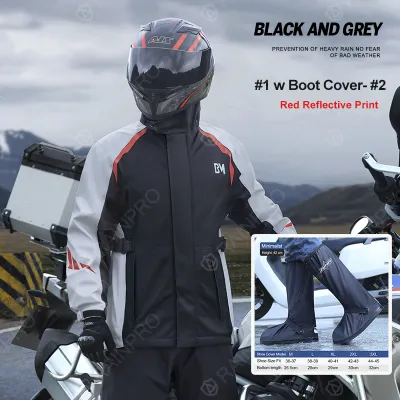
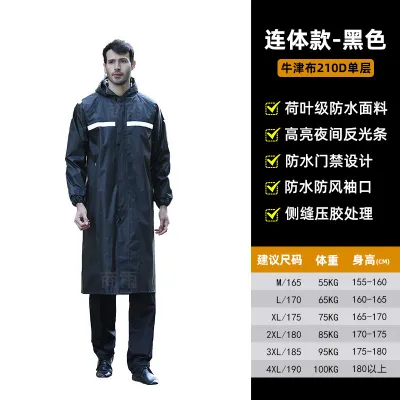
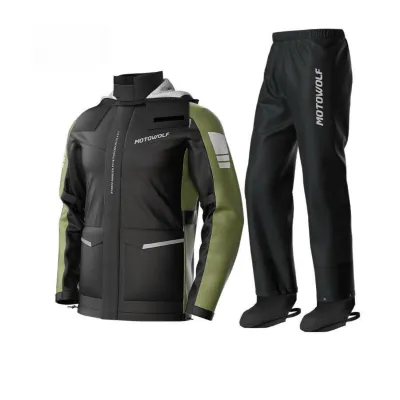
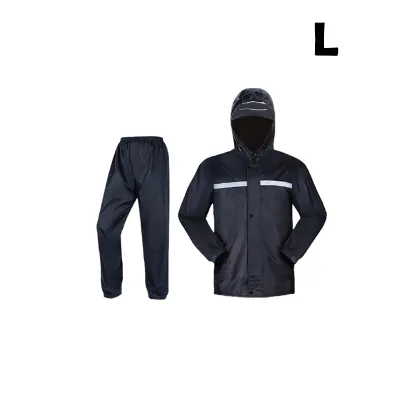
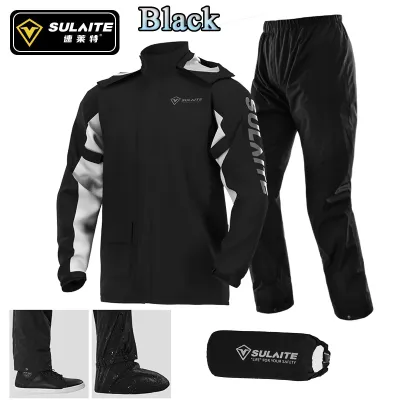
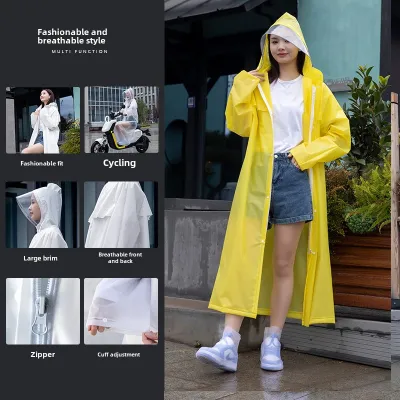
![🇸🇬 [In Stock]NEW High Quality Premium Raincoat Three Layer PVC Motorcycle Raincoats Bike raincoat PVC Jacket 雨衣](https://img.lazcdn.com/g/p/2611c237dacebc6876f09b02ee003284.jpg_400x400q80.jpg_.webp)
Prices are valid at publication and may change. Please refer to the product page for the latest price.
Decoding Waterproof Millimeter (mm) Ratings
The waterproof capability of a rain suit is measured using a hydrostatic head test, expressed in millimeters (mm). During this test, a column of water is placed over the fabric, and the height of the water column is increased until the material begins to leak. A rating of 10,000 mm means the fabric can withstand a 10,000-millimeter column of water before moisture penetrates.

While a 5,000 mm rating is generally sufficient for walking through a light rain, it quickly fails on a motorcycle. Riding at highway speeds creates dynamic pressure, as wind forces rainwater directly into the fabric pores. This wind-driven force dramatically increases the pressure on the material, requiring a much higher waterproof threshold to prevent leaks.
For riders facing intense tropical downpours, such as those common during monsoon seasons in Singapore, a rating of at least 10,000 mm to 15,000 mm is highly recommended. If you frequently ride on high-speed expressways, look for premium suits offering 20,000 mm ratings to guarantee complete protection against wind-driven rain.
However, a higher rating is not always the best choice if it compromises comfort. Extremely high ratings achieved through thick, non-breathable coatings can make the garment stiff and heavy. The ideal choice balances a high waterproof rating with flexible, lightweight construction that allows you to move freely on your motorcycle.
Seam Sealing and Construction Standards
Even the most advanced waterproof fabric will fail if the seams are not constructed properly. Every time a sewing machine needle pierces a piece of fabric to join panels together, it creates thousands of microscopic holes. Without proper sealing, water under wind pressure will quickly seep through these stitching lines.
When evaluating a suit, look for “fully taped seams” or “welded seams.” Fully taped seams feature a specialized waterproof tape applied under heat and pressure over every single stitch line inside the garment. Critically taped seams, by contrast, only seal high-exposure areas like the shoulders, leaving other seams vulnerable to leaking during prolonged exposure.
Beyond the seams, pay close attention to secondary water entry points. A quality motorcycle rain suit must feature heavy-duty zippers protected by wide storm flaps that secure with Velcro or snap buttons. These flaps prevent wind from forcing water directly through the zipper teeth.
Adjustable cuffs at the wrists and ankles, along with a high, adjustable collar, are also essential. These features allow you to create a tight seal against your gloves, boots, and helmet. Without these adjustability points, water can easily travel up your sleeves or run down your neck at speed.
Material Types and the Breathability Trade-off
Choosing the right material requires balancing waterproof performance with physical comfort. Traditional rain gear often uses non-breathable coated fabrics like polyvinyl chloride (PVC) or heavy polyurethane (PU). While these materials are highly effective at blocking water and are generally affordable, they trap body heat and sweat inside the suit.
In hot, humid climates, wearing a non-breathable suit quickly creates a sauna effect. This causes riders to become soaked from their own sweat, leading to discomfort and fatigue. To avoid this, look for breathable membranes such as polyester or nylon shells treated with microporous coatings that allow sweat vapor to escape while keeping rain out.
Breathability is measured in grams of water vapor that can pass through a square meter of fabric over 24 hours (g/m²/24h). For comfortable riding in warm weather, aim for a rating of at least 5,000 to 10,000 g/m²/24h.
Because active membranes can still struggle during stop-and-go traffic in high humidity, mechanical ventilation is a crucial supplement. Look for suits equipped with covered back vents or underarm zippered vents. These design elements allow hot air to escape without letting rainwater enter, keeping you cool and dry.
Impact and Abrasion Protection in Rain Gear
A common misconception among riders is that a thick, heavy-duty rain suit provides adequate protection in a crash. In reality, dedicated rain over-suits are made from lightweight materials designed solely for weatherproofing. They offer virtually no resistance to abrasion or impact when sliding on asphalt.
For proper safety, a rain suit must be worn over your standard protective riding gear. Your underlying jacket and pants should contain CE-certified armor to protect your joints and spine. The rain suit acts purely as an outer environmental shield.
If you encounter a suit that claims to provide both waterproof protection and crash safety, you must verify its official certifications. Look for garments certified under the CE EN 17092 standard for motorcycle protective apparel, and ensure the integrated armor meets CE EN 1621-1 standards. If these certifications are not explicitly documented on the product label, do not rely on the garment for impact or abrasion protection.
Frequently Asked Questions (FAQ)
How should a full motorcycle rain suit fit over riding gear?
A motorcycle rain suit should have a slightly relaxed, articulated fit to accommodate your bulky protective jacket and pants underneath. It must not feel excessively tight, as restricted movement can hinder your ability to control the motorcycle safely. Look for suits with adjustable waist straps, Velcro cuffs, and expansion gussets at the ankles, which allow you to pull the pants over large riding boots easily while maintaining a secure seal.
Does washing a motorcycle rain suit ruin its waterproof rating?
Washing can degrade the waterproof properties if done incorrectly, but proper maintenance is necessary to remove road grime and oil. Always check the care label on your specific suit and follow the manufacturer’s washing instructions before cleaning. Avoid harsh detergents, bleach, or fabric softeners, as they can break down the waterproof membrane or strip away the Durable Water Repellent (DWR) outer coating. If water stops beading on the surface over time, you can reapply a specialized spray-on DWR treatment to restore its performance.
Community discussion
Share your experience or ask a question. Comments are reviewed before publication.