
Protecting your vehicle’s interior from spills, sweat, and unpredictable weather is a priority for any car owner. When looking to preserve the condition and resale value of your car, finding a high-quality car seat cover waterproof solution is essential. However, choosing the right material involves balancing liquid protection, comfort, durability, and climate suitability.
No single material is universally “best” for every driver because waterproof protection is highly conditional on construction details, such as sealed seams and backing membranes. Generally, synthetic polyurethane (PU) leather and specially coated fabrics offer the highest level of water resistance for daily spills and heavy-duty use. In contrast, genuine leather requires specialized care to resist water, while breathable mesh is inherently porous and offers no liquid protection.
To make an informed decision, you must match the material’s properties with your daily driving habits and environmental conditions. PU leather is ideal for drivers who want a premium look and quick, wipe-clean convenience for light spills. Coated fabrics are best suited for rugged lifestyles, pet owners, and families who need heavy-duty, machine-washable protection. Breathable mesh should only be selected if your absolute priority is airflow and cooling, with no requirement for spill containment.
Products mentioned in this guide
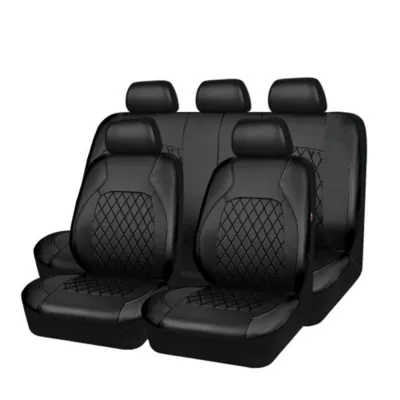
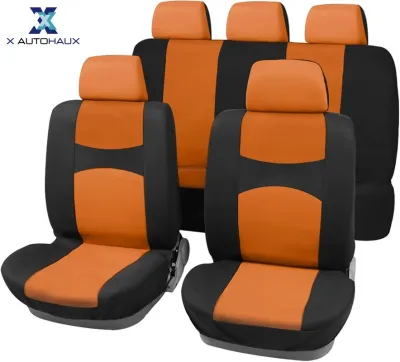
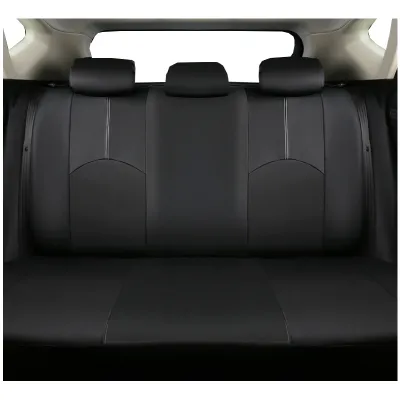
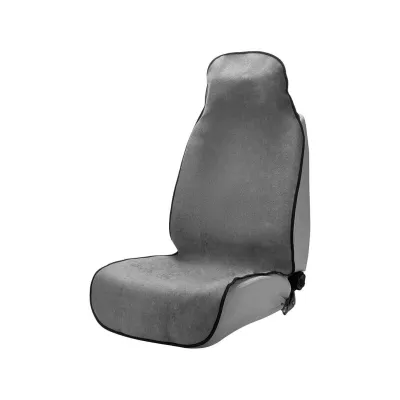
![[SG] Waterproof Sweat Towel Car Seat Cover for Post Gym Yoga Workout Running Swimming Beach and Hiking Universal Fit Anti-Slip Bucket Seat Protector for Cars SUVs and Trucks Machine Washable](https://img.lazcdn.com/g/p/b9a0f9040a71bf60df8d28763550aef9.jpg_400x400q80.jpg_.webp)
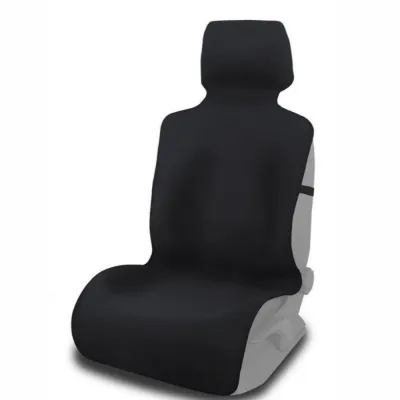
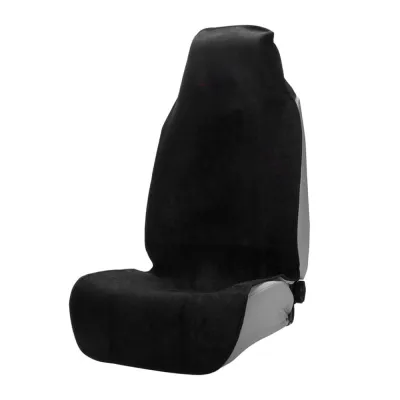
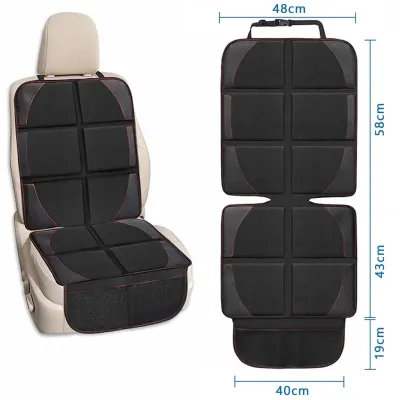
Prices are valid at publication and may change. Please refer to the product page for the latest price.
Understanding "Waterproof" vs "Water-Resistant" in Car Seat Covers
When browsing for protective interior accessories, you will frequently encounter the terms “waterproof” and “water-resistant.” Understanding the technical distinction between these two terms is crucial to avoiding accidental damage to your vehicle’s original upholstery. Marketing materials often conflate these terms, but their real-world performance under pressure is vastly different.
Water-resistant seat covers are designed to repel liquids temporarily. They are typically treated with a hydrophobic surface coating, such as a Durable Water Repellent (DWR) finish. This treatment causes water, coffee, or sports drinks to bead up on the surface, giving you a brief window of time to wipe the spill away before it penetrates the fibers. However, if a liquid is left to pool, or if pressure is applied—such as a passenger sitting on the wet spot—the moisture will eventually penetrate the fabric and soak into the seat foam below.
True waterproof seat covers, on the other hand, act as an absolute barrier to liquids. These covers typically feature a multi-layer construction, pairing a durable outer face fabric with an impermeable backing membrane made of Thermoplastic Polyurethane (TPU) or Polyvinyl Chloride (PVC). A fully waterproof cover will hold standing water indefinitely without letting a single drop pass through to the seat underneath, regardless of the pressure applied to the surface.
Even if a material is rated as completely waterproof, the overall construction of the seat cover introduces vulnerabilities. The primary point of failure is almost always the stitching. Every time a sewing needle punctures a waterproof fabric or synthetic leather panel, it creates a microscopic hole. Unless the manufacturer has explicitly heat-sealed, welded, or taped these seams from the inside, liquid can seep through the stitch lines under pressure. When evaluating products, look for technical specifications that mention sealed seams or high hydrostatic head ratings, which measure the water pressure a fabric can withstand before leaking.
Leather and PU Leather Seat Covers: Waterproof Performance
Leather-style seat covers are highly popular for their premium appearance and ease of maintenance, but their performance varies significantly depending on whether the material is natural or synthetic. Genuine leather is a natural, porous material. While it can resist minor splashes if treated regularly with protective oils or waxes, it naturally absorbs moisture over time. If genuine leather becomes saturated, it can stiffen, stain, develop mold, or crack as it dries, making untreated natural leather a poor choice for dedicated waterproof protection.

Synthetic leather, commonly referred to as PU (polyurethane) leather or faux leather, offers vastly superior waterproof performance. PU leather is manufactured by applying a solid, non-porous polyurethane plastic coating over a base layer of fabric. Because the surface layer is entirely synthetic and continuous, it is completely impermeable to liquids. Spills, mud, and wet dirt remain entirely on the surface, allowing you to wipe them away instantly with a damp microfiber cloth or a mild interior cleaning spray.
Despite the excellent surface protection of PU leather, the seams remain a critical vulnerability. In standard universal-fit or budget custom covers, liquid spilled near the stitching will migrate along the thread and penetrate the needle holes. Over time, this can lead to damp spots in the original seat foam, which are difficult to dry and can cause musty odors. If you anticipate heavy spills, look for premium synthetic options that feature double-stitched, reinforced, or sealed seams.
Another important consideration for drivers in tropical climates, such as Singapore, is heat retention and breathability. Because PU leather is non-porous, it does not allow air to circulate. When a car is parked outdoors under intense sunlight, synthetic leather seats absorb heat rapidly and can become uncomfortably hot to the touch. Additionally, during long drives, the lack of ventilation can cause sweat to build up on your back and legs, leading to a sticky, warm seating experience. Many manufacturers address this by offering perforated PU leather, but these perforations directly compromise the material’s waterproof integrity by creating thousands of tiny entry points for liquids.
Fabric Seat Covers: Waterproof Performance
Standard, untreated fabric seat covers—such as those made from plain cotton, canvas, or basic polyester—behave like a sponge. They absorb liquids almost instantly, drawing spills deep into the weave and transferring them directly to the vehicle’s original foam upholstery. This can lead to deep-set stains, bacterial growth, and persistent odors that require professional steam cleaning to resolve. Therefore, standard fabrics are unsuitable if you require liquid protection.
To achieve waterproof performance, fabric seat covers must utilize specialized engineering. This is accomplished either through chemical treatments or physical lamination. High-performance utility fabrics, such as heavy-duty polyester or Cordura nylon, are often treated with a DWR finish on the outer surface and laminated with a thin, flexible TPU membrane on the underside. This dual-layer approach allows the cover to retain the soft, textured feel of fabric on the outside while remaining completely impervious to liquid penetration from the back.
There is, however, a direct trade-off between the level of waterproof protection and the breathability of the fabric. Heavily laminated fabrics with thick backing membranes restrict airflow in a manner similar to PU leather. While they prevent any liquid from reaching your seats, they can make the cabin feel warmer during hot and humid days. Conversely, fabrics that rely solely on a surface DWR spray remain highly breathable but will lose their liquid-repelling capabilities under pressure or after several wash cycles.
One of the most significant advantages of fabric seat covers over leather alternatives is their washability. When dealing with muddy pet paws, spilled milk, or ground-in dirt, fabric covers can often be uninstalled and washed. Always refer to the manufacturer’s care label first, as some waterproof backings require gentle, cold-water cycles and air drying to prevent the protective membrane from delaminating or cracking. This deep-cleaning capability makes fabric an outstanding choice for active lifestyles, pet owners, and families with young children.
Breathable Mesh Seat Covers: Waterproof Performance
Breathable mesh seat covers are engineered with a single primary objective: maximizing airflow to keep the driver and passengers cool. These covers typically utilize a 3D spacer mesh or an open-weave polyester pattern that creates a physical gap between your body and the seat back. This design allows air to circulate freely, dissipating body heat and preventing sweat buildup, which is highly beneficial in hot and humid tropical climates.
However, this open-weave structure makes mesh seat covers completely useless for waterproof protection. Because the material is full of microscopic and macroscopic gaps, any spilled liquid, wet dirt, or sweat will pass directly through the cover and saturate the original vehicle upholstery instantly. There is no physical barrier or chemical treatment that can make an open mesh structure waterproof without sealing the pores, which would defeat the entire purpose of the mesh design.
Consequently, if your primary goal is to protect your seats from spills, wet swimsuits, muddy pets, or damp gear, you should avoid mesh entirely. Mesh seat covers are only appropriate for drivers who do not transport liquids or wet items and strictly prioritize cooling comfort. Alternatively, some drivers use a temporary dual-layer strategy, placing a highly breathable mesh cover over a waterproof cover to regain some airflow, though this increases the overall thickness and can alter the seat’s ergonomics.
Feature Comparison: Leather vs Fabric vs Mesh
To help you visualize how these materials compare across key performance dimensions, the table below summarizes their characteristics. This comparison distinguishes between standard and modified versions of each material to reflect their real-world performance.
| Material Type | Water Protection Level | Breathability | Ease of Cleaning | Best Use Case |
|---|---|---|---|---|
| PU Synthetic Leather | High (Surface only; seam dependent) | Low | Very Easy (Wipe clean with damp cloth) | Daily commuters, families wanting a premium look |
| Genuine Leather | Low (Porous; absorbs water over time) | Moderate | Moderate (Requires specialized leather conditioners) | Luxury vehicles, dry environments, low-spill risk |
| Coated Fabric (TPU Backed) | High (Impermeable backing membrane) | Low to Moderate | Easy (Machine washable or spot clean) | Pet owners, outdoor sports enthusiasts, young families |
| Standard Fabric (Untreated) | None (Absorbs liquids rapidly) | High | Moderate (Requires full wash to remove stains) | Budget-conscious drivers in dry, low-risk climates |
| Breathable Mesh | None (Open-weave allows direct passage) | Very High | Difficult (Debris can get trapped in the mesh weave) | Drivers prioritizing maximum cooling and airflow |
How to Choose the Right Car Seat Cover Waterproof Solution for Your Needs
Selecting the ideal car seat cover waterproof system requires a systematic evaluation of your lifestyle, vehicle configuration, and local climate. By matching your specific daily scenarios to the strengths and weaknesses of each material, you can avoid costly purchasing mistakes.
A Conditional Decision Framework
To simplify your choice, use the following guidelines based on your primary usage patterns:
- Choose PU Leather if: You prioritize a sleek, executive interior aesthetic, want the convenience of immediately wiping away liquid spills, and regularly run your car's air conditioning to mitigate the material's heat retention.
- Choose Coated Fabric if: You lead an active lifestyle, frequently transport wet pets or muddy outdoor gear, need a heavy-duty barrier that can handle abrasive wear, and want the ability to machine-wash the covers to remove odors and deep-seated dirt.
- Avoid Mesh if: Your primary objective is to contain liquids, prevent sweat from soaking into the seat foam, or protect against stains, as mesh provides zero liquid resistance.
Crucial Safety Check: Side-Airbag Compatibility
Before purchasing any aftermarket seat cover, you must verify its compatibility with your vehicle’s safety restraint systems. Many modern vehicles feature side-impact airbags housed inside the outer bolsters of the front seats. Installing a non-compatible seat cover over these areas can delay or completely block the deployment of the airbags during a collision, posing a severe safety risk.
Always look for seat covers that are explicitly certified as airbag-compatible. These products feature specialized, low-tension break-away stitching or open side panels designed to tear open instantly under the explosive force of an deploying airbag. Never modify a standard seat cover yourself to fit over an airbag, and always consult both your vehicle’s owner manual and the seat cover manufacturer’s documentation to ensure a safe installation.
Fitment and Installation Considerations
To ensure maximum waterproof protection, the fitment of the cover is almost as important as the material itself. Universal-fit seat covers are designed to drape over a wide variety of seat shapes, which often results in loose fabric, bunching, and shifting during use. These loose folds can act as channels, directing spilled liquids toward the seams or gaps where they can leak onto the original upholstery. Conversely, custom-fit seat covers are patterned specifically for your vehicle’s make, model, and year. They hug the contours of the seat tightly, ensuring that liquid spills pool on flat, protected surfaces where they can be easily cleaned, rather than running down into hidden crevices.
Maintenance and Care for Waterproof Seat Covers
To ensure your seat covers continue to provide reliable waterproof protection over their lifespan, you must care for them according to their specific material requirements. Improper cleaning methods can degrade protective coatings and ruin backing membranes.
Cleaning and Treating PU Leather
For synthetic PU leather, maintenance is straightforward but requires gentle products. Wipe down the surface regularly with a soft microfiber cloth slightly dampened with clean water. For stubborn grime or sticky spills, use a mild, pH-neutral interior cleaner. Avoid using household dish soaps, bleach, ammonia, or alcohol-based sanitizers; these harsh chemicals can strip the plasticizers from the polyurethane layer, causing the material to stiffen, crack, and eventually peel, which completely destroys its waterproof barrier.
Washing and Re-treating Coated Fabrics
Coated fabric covers require careful laundering to preserve their water-repellent properties. When machine washing is permitted by the manufacturer, use a gentle cycle with cold water and a mild liquid detergent. Avoid powder detergents, bleach, and fabric softeners, as these products leave residues that coat the fibers and mask the hydrophobic properties of the DWR finish.
Over time, friction from daily driving and repeated washing will naturally wear down the DWR coating on the fabric’s surface, causing water to stop beading and start soaking into the face fabric. To restore this protection, you can periodically reapply a high-quality fabric water-repellent spray. Spray the treatment evenly onto the clean, dry cover in a well-ventilated area, and allow it to cure fully according to the product instructions before reinstalling the cover in your vehicle.
The Importance of Thorough Drying
Regardless of the material you choose, never reinstall a seat cover that is damp, and never leave moisture trapped beneath a waterproof cover. If water manages to find its way under a waterproof barrier—either through the seams, side openings, or during a heavy spill—it cannot evaporate easily. In warm and humid environments, this trapped moisture creates an ideal breeding ground for mold, mildew, and bacteria within the original seat foam. If a significant spill occurs, remove the seat cover entirely, wipe down the original seat, and allow both the seat and the cover to dry completely in a shaded, well-ventilated area before putting them back together.
Frequently Asked Questions (FAQ)
Can I use a waterproof seat cover on seats with built-in heating or cooling?
Yes, but you will experience a significant reduction in the efficiency of these features. Thick waterproof membranes (like TPU or PVC) and dense synthetic leather act as thermal insulators. They will delay or block the heat transfer from heated seats, requiring more time to warm up. For ventilated or cooled seats that rely on active airflow through the cushion, a solid waterproof cover will block the air entirely. If your vehicle has ventilated seats, you must look for specialized covers that feature micro-perforations or highly breathable, water-resistant membranes designed specifically to allow airflow while repelling minor spills.
Are neoprene seat covers better than fabric or leather for waterproofing?
Neoprene, the synthetic rubber material used to make wetsuits, is an excellent alternative that sits between fabric and leather in terms of performance. It is highly water-resistant, durable, and offers comfortable cushioning. Neoprene excels at absorbing the shock of wet gear, making it a favorite for surfers, swimmers, and off-road enthusiasts. However, neoprene is not entirely waterproof unless it features a sealed backing, and it is known for retaining body heat. In tropical climates, neoprene can feel very warm and cause sweat buildup, and it has a distinct sporty, utilitarian look that may not complement a luxury car interior.
How do I test if my new seat cover is truly waterproof before installing it?
To verify the waterproof integrity of a new cover without risking damage to your vehicle, perform a simple, low-risk test at home. Lay a dry, colored paper towel or a dry cotton towel on a flat, hard surface, and place the seat cover face-up over it. Pour a small amount of water (about 50 to 100 milliliters) onto the center of the cover, ensuring some of the liquid sits directly over a stitched seam. Leave the water in place for 10 to 15 minutes, then carefully wipe the water off the surface and lift the cover. Inspect the paper towel underneath; if it is completely dry, the material and seams are highly secure. If you notice damp spots, water is penetrating the fabric or leaking through the stitching, indicating that the cover is water-resistant rather than fully waterproof.
Community discussion
Share your experience or ask a question. Comments are reviewed before publication.