
Selecting the right car cover to protect your vehicle from harsh weather requires a careful look at material layers, fabric treatments, and construction details. A high-quality waterproof and sunproof cover typically features a multi-layer synthetic design, combining a reflective outer layer to deflect solar heat, a water-resistant middle barrier, and a soft inner lining to protect the paintwork. To ensure effective protection, you must look for specific technical features such as hydrostatic head ratings, taped or welded seams, UV-stabilized coatings, and built-in ventilation. Matching these specifications to your local climate and parking conditions will help prevent common issues like paint scratches, trapped moisture, and material degradation.
Decoding Car Cover Material Layers and Weaves
When evaluating a car cover, the construction of the fabric determines how well it will withstand the elements while protecting your vehicle’s exterior. Product labels generally distinguish between single-layer and multi-layer constructions. Single-layer covers, usually made of lightweight polyester or nylon, are easy to handle and pack away, but they offer limited protection against heavy rain or intense solar heat. Multi-layer covers bond different materials together to create a more robust shield, with each layer serving a distinct protective function.
The innermost layer of a multi-layer cover is critical for preserving your vehicle’s clear coat. Look for covers featuring a soft inner lining made of non-woven microfiber, cotton, or fleece. When wind blows against a covered vehicle, the fabric naturally shifts; a rough inner surface can trap fine dust particles and act like sandpaper, leading to micro-scratches and swirl marks on the paint. A soft, clean lining cushions these movements and keeps the clear coat safe.
Products mentioned in this guide
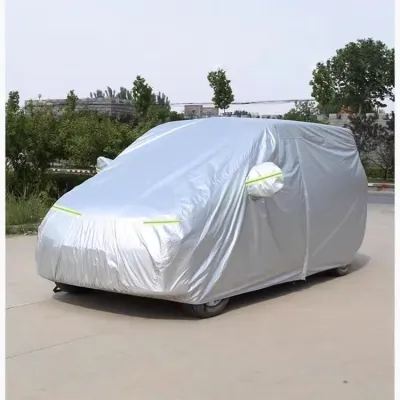
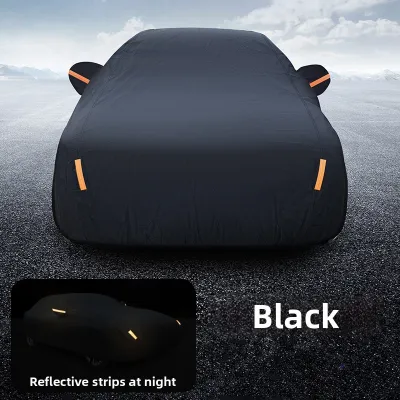
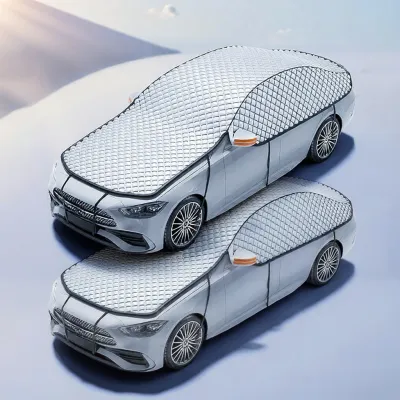
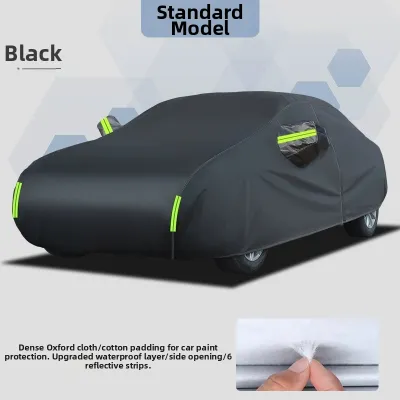
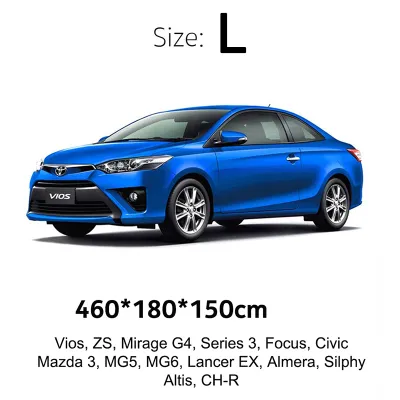
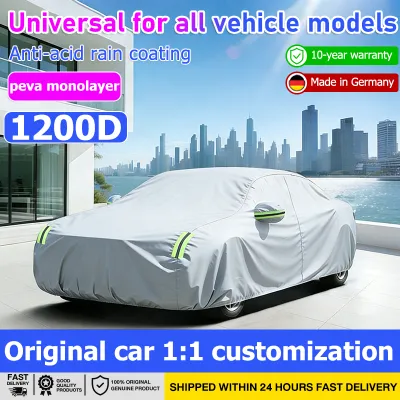
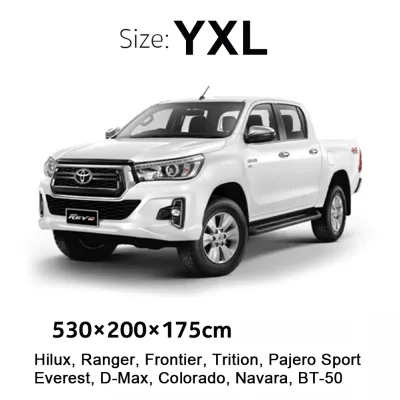
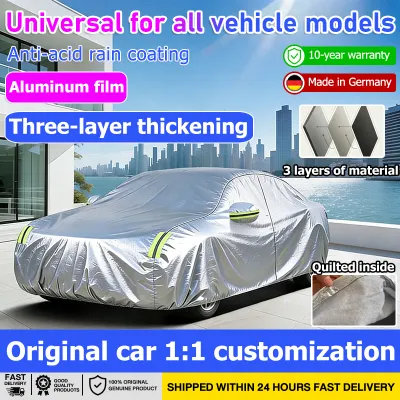
Prices are valid at publication and may change. Please refer to the product page for the latest price.
While keeping external water out is vital, a high-quality cover must also allow internal moisture to escape. Absolute sealing can trap humidity rising from the ground or residual moisture left on the vehicle after a wash. This trapped moisture creates a humid microclimate under the cover, which can lead to mold growth, musty odors, and even paint blistering over time. High-quality covers solve this by using breathable synthetic weaves or integrating dedicated ventilation flaps that let air circulate without letting rain penetrate.
Understanding Waterproof Ratings and Seam Construction
To determine how well a car cover can resist heavy downpours, look for hydrostatic head or water column ratings in the manufacturer’s specifications. This rating, measured in millimeters (such as 1000mm or 2000mm), indicates the amount of water pressure the fabric can withstand before moisture begins to seep through. While a higher rating points to superior water resistance, always verify the manufacturer’s testing standards to ensure the rating applies to the entire cover and not just a small sample of the fabric.

Even the most water-resistant fabric will fail if the seams are poorly constructed. Water rarely penetrates high-quality synthetic panels directly; instead, it leaks through the needle holes created during the stitching process. When shopping for a waterproof cover, prioritize designs with sealed, welded, or taped seams. These manufacturing techniques cover or bond the stitched areas, creating a continuous barrier that prevents water from dripping onto your vehicle’s hood, roof, and trunk.
It is important to recognize the inherent trade-off between absolute waterproofing and long-term breathability. Heavy-duty materials like polyvinyl chloride (PVC) are completely impervious to water, but they offer virtually no breathability. If you choose a highly waterproof cover, ensure it features strategically placed, covered vents. These vents allow heat and condensation to escape from underneath the cover while maintaining a reliable barrier against external rain.
Evaluating UV Protection and Heat Reflection Features
Prolonged exposure to solar radiation can cause severe damage to both your vehicle’s exterior paint and its interior cabin. When reviewing product tags, look for terms like “UV-treated,” “UV-stabilized,” or specific Ultraviolet Protection Factor (UPF) ratings. These treatments prevent the cover’s fabric from becoming brittle, cracking, and tearing under constant sunlight, ensuring the cover remains durable over multiple seasons of outdoor use.
Reflective outer layers play a major role in managing cabin temperatures. Covers with silver, aluminum, or polyurethane-coated outer surfaces act as a mirror, deflecting solar radiation away from the vehicle. By reflecting sunlight, these covers help keep the interior cabin significantly cooler, which protects sensitive dashboard plastics, leather upholstery, and electronic displays from heat-induced cracking and fading.
Material density and color choices also influence overall thermal performance. Higher denier fabrics are denser and block more light, but they also add weight to the cover. Light colors, particularly silver and white, are highly effective at reflecting heat. Darker covers absorb solar energy, which can transfer heat directly to the vehicle’s surface and make the cabin much hotter during peak daylight hours.
Matching Cover Specs to Your Parking Environment
Your typical parking situation should dictate the specific combination of cover features you prioritize. If you park your vehicle in a fully exposed outdoor driveway or open parking lot, you need a heavy-duty cover that emphasizes maximum UV resistance, high waterproof ratings, and secure tie-down systems. Look for covers with windproof straps, elastic hems, and reinforced grommets to ensure the cover stays firmly in place during sudden storms and high winds.
For vehicles parked in shaded or semi-sheltered areas, such as under a carport or beneath trees, your primary concerns shift from heavy rain to dust, bird droppings, and tree sap. In these environments, a lighter, highly breathable cover with moderate water resistance is often the most practical choice. These covers are easier to put on and take off daily, and their high breathability prevents condensation from building up during temperature fluctuations.
In tropical or high-humidity environments, such as Singapore, managing moisture and heat is the ultimate challenge. Frequent heavy downpours followed by intense sunshine can quickly degrade low-quality materials. For these conditions, prioritize quick-drying synthetic fabrics with excellent UV stabilization and prominent ventilation vents. Always ensure the vehicle is completely clean and cool before applying the cover, as placing a cover over a hot exhaust or dirty paint can cause damage to both the vehicle and the protective fabric.
Frequently Asked Questions (FAQ)
Can I use an outdoor car cover for indoor parking?
While you can use an outdoor car cover indoors, it is generally not ideal. Outdoor covers are designed to be heavy, thick, and highly water-resistant, which makes them bulkier and less breathable than dedicated indoor covers. Indoor parking primarily requires protection from dust and minor scratches, where a lightweight, highly breathable fabric is preferred. If you do use an outdoor cover indoors, ensure the vehicle is completely dry and clean before covering to prevent trapping ambient humidity.
How do I clean a waterproof and sunproof car cover?
To clean your car cover without damaging its protective coatings, always follow the specific care instructions on the manufacturer’s label. Avoid machine washing or using harsh chemical detergents, as these can strip away the waterproof membranes and UV-resistant treatments. Instead, install the cover on your vehicle, hose it down with clean water, and gently wipe dirty areas using a soft sponge and a mild, diluted soap. Rinse the cover thoroughly to remove all soap residue, and allow it to air dry completely in a shaded area before folding or storing it.

Community discussion
Share your experience or ask a question. Comments are reviewed before publication.