
Achieving excellent water beading on your car’s paintwork is more than just a satisfying visual effect; it is a key indicator of how well your vehicle is protected against environmental contaminants. In tropical climates characterized by sudden, heavy downpours followed by intense sunlight, standing water on unprotected paint can quickly lead to stubborn water spots and mineral etching. Choosing between a water repellent spray, a traditional car wax, and a ceramic coating depends on how much time you want to spend on surface preparation, your budget, and your desired durability. While a ceramic coating offers the most resilient hydrophobic barrier, water repellent sprays provide unmatched convenience, and traditional waxes deliver a classic, deep gloss.
Understanding how these three protective layers interact with your car’s clear coat is the first step in selecting the right method. Each product category relies on different chemical compositions and bonding mechanisms to repel water. By evaluating their performance, application demands, and long-term costs, you can establish a car care routine that keeps your vehicle looking pristine while fitting seamlessly into your lifestyle.
Understanding the Core Differences in Paint Protection
To make an informed decision, it is essential to understand what these products are made of and how they adhere to your vehicle’s paintwork. Water repellent sprays, traditional waxes, and ceramic coatings represent three distinct generations of paint protection technology.
Products mentioned in this guide
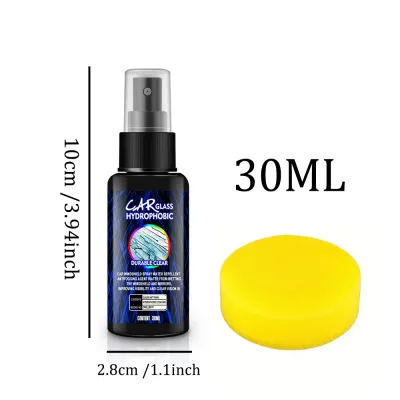
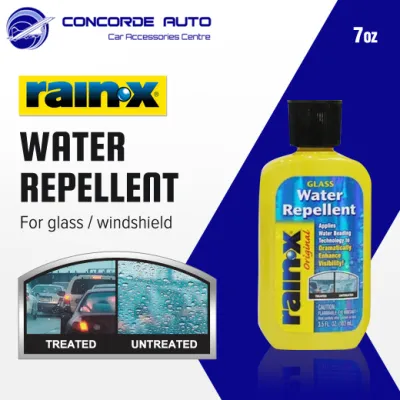
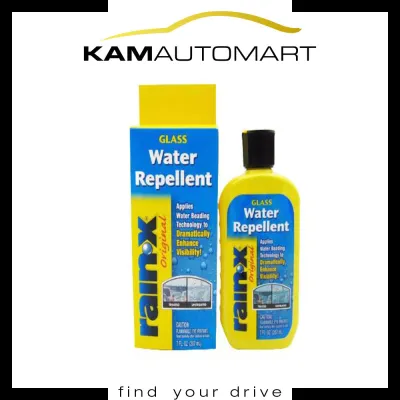
Prices are valid at publication and may change. Please refer to the product page for the latest price.
Water repellent sprays are typically polymer- or silica-based quick detailers designed for rapid application and immediate hydrophobic effects. Many modern sprays incorporate silicon dioxide (SiO2) or synthetic polymers that bond lightly to the surface. These products are formulated for convenience, allowing you to spray them onto a clean surface and wipe them off with a microfiber towel to boost gloss and water repellency instantly.
Traditional waxes rely on natural ingredients, such as carnauba wax derived from palm leaves, or synthetic polymer blends. These products do not form a chemical bond with the paint; instead, they sit as a physical sacrificial layer on top of the clear coat. Traditional waxes are known for filling minor paint imperfections and creating a warm, deep, wet-look shine.
Ceramic coatings utilize liquid polymer solutions that chemically bond with the factory clear coat. These coatings typically contain high concentrations of SiO2 or silicon carbide (SiC). Once applied, they cure to form a semi-permanent, glass-like barrier that is significantly harder and more durable than any wax or spray. They are available in both consumer DIY kits and highly concentrated professional-grade formulations.
Comparing Water Beading Effectiveness and Durability
The visual phenomenon of water beading is determined by surface tension. When a protective layer is highly hydrophobic, it causes water to bead into tight, round droplets with a high contact angle, allowing the water to roll off the surface easily when the vehicle is in motion.

Ceramic coatings generally deliver the most dramatic water beading behavior, maintaining a high contact angle over an extended period. The chemical bond ensures that the hydrophobic properties remain active even after multiple washes. Water repellent sprays can achieve a similarly impressive initial contact angle, but because their bond to the paint is weaker, this peak performance tends to degrade more rapidly. Traditional waxes offer good water shedding and beading, but the beads are often less tight, and the effect transitions to water sheeting as the wax layer begins to wear down.
Durability is where these three options diverge most significantly, heavily influenced by environmental and mechanical factors. In tropical climates, intense UV exposure, high humidity, acidic rain, and road grime constantly attack the protective layer. Traditional waxes are the most vulnerable to heat and environmental degradation, often requiring reapplication after a few weeks of exposure to harsh sunlight and frequent washing. Water repellent sprays offer moderate durability, typically lasting from several weeks to a few months, but their ease of application makes frequent top-ups highly practical. Ceramic coatings are highly resistant to UV rays, chemical degradation, and heat, allowing them to maintain their hydrophobic properties for years when properly maintained.
You can easily identify when your paint protection is failing by observing how water behaves on the surface. If water no longer forms tight, distinct droplets but instead pools in flat, wide sheets on the hood or roof, the protective layer has degraded. A loss of surface slickness when running a clean microfiber towel across the paint is another clear indicator that it is time for reapplication or maintenance.
Evaluating Application Effort and Maintenance Requirements
The longevity and performance of any paint protection product depend heavily on the quality of the surface preparation. Applying any protective layer over dirt, road grime, or bonded contaminants will prevent proper bonding and drastically reduce the product’s lifespan.
Surface preparation is a multi-step process that begins with a thorough wash using a dedicated car shampoo. Next, chemical decontamination is performed using iron removers and tar solvents to dissolve embedded metallic particles and road tar. This is followed by mechanical decontamination using a clay bar to pull remaining contaminants out of the paint pores. For ceramic coatings, paint correction—using a machine polisher to remove swirl marks, scratches, and oxidation—is highly recommended, as the coating will lock in and highlight any existing paint defects.
The application process itself varies widely in difficulty and time commitment. Water repellent sprays require the least effort; they can be applied to a wet or dry vehicle during the drying phase of a wash, taking only ten to fifteen minutes. Traditional waxes require a more hands-on approach, where the paste or liquid must be applied evenly, allowed to haze, and then buffed off by hand, which can take one to two hours. Ceramic coatings demand the highest skill level and a controlled environment. The liquid must be applied in small sections, monitored closely for “flashing” (when the carrier solvent evaporates), leveled carefully to avoid dark, uneven patches known as high spots, and allowed to cure away from moisture for at least 12 to 24 hours.
Ongoing maintenance is crucial to preserve the hydrophobic properties of your chosen protection. You should wash your vehicle regularly using pH-neutral car shampoos that do not contain added waxes or gloss enhancers, which can interfere with the underlying layer’s water beading. Avoid automatic drive-through car washes with abrasive brushes, as they can scratch the paint and strip waxes or sprays. Utilizing the two-bucket wash method with grit guards helps minimize the risk of introducing swirl marks during routine cleaning.
Evaluating Cost and Long-Term Value
When evaluating the financial investment of each option, you must consider both the upfront product costs and the potential long-term value based on reapplication frequency.
Upfront product costs for consumer-grade options are relatively low. A high-quality water repellent spray typically costs between S$15 and S$40 per bottle, which can last for dozens of applications. Traditional waxes generally range from S$20 to S$60 per tin or bottle. DIY ceramic coating kits are more expensive, usually ranging from S$50 to S$150, and often require you to purchase additional preparation products like panel prep sprays, clay bars, and specialized applicator suede cloths.
Professional application costs represent a significant upfront investment. If you choose to have a professional detailer apply a ceramic coating, prices in Singapore typically start around S$300 and can exceed S$1,500. This cost is determined by the vehicle’s size, the hours of labor required for multi-stage paint correction, the quality of the professional-grade coating used, and the warranty tier offered by the detailing studio.
Evaluating the long-term value requires looking at the total cost of ownership over several years. While a professional ceramic coating has a high initial cost, its multi-year durability means you do not need to purchase paint protection products or spend hours applying them every few weeks. Conversely, while water repellent sprays and traditional waxes are highly affordable upfront, the cost of purchasing products repeatedly and the value of your personal time spent on frequent reapplications can add up over time.
Decision Framework: Choosing the Right Protection
To select the best protection strategy for your vehicle, consider your budget, available time, and willingness to perform detailed surface preparation.
Choose a water repellent spray if you prioritize speed, convenience, and low upfront costs. If you want a product that can be applied in minutes after your weekly car wash and do not mind reapplying it every few weeks to maintain maximum water beading, a spray is the ideal choice. It is also an excellent option for maintaining existing coatings or waxes.
Choose a traditional wax if you enjoy the classic, hands-on detailing process and prioritize a deep, warm, wet-look gloss over extreme durability. If your vehicle is parked in a sheltered garage away from constant sun exposure and you do not mind spending an hour or two every month waxing your car, traditional wax provides a highly satisfying aesthetic result.
Choose a ceramic coating if you want the ultimate in long-term protection, superior water beading, and easier maintenance washes. If you are willing to invest either the significant DIY effort required for proper paint preparation or the budget for professional installation, a ceramic coating offers unmatched resistance to environmental wear and keeps your car cleaner for longer.
Verify first if your vehicle’s clear coat is in suitable condition before proceeding. If your paint has heavy oxidation, deep scratches, or thin clear coat areas, applying a ceramic coating without professional paint correction can lock in these defects permanently. If you are unsure about your ability to apply a ceramic coating without leaving high spots, starting with a high-quality water repellent spray or consulting a professional detailer is the safest approach.
Frequently Asked Questions (FAQ)
Can I apply a water repellent spray over a ceramic coating?
Yes, you can apply a water repellent spray over a ceramic coating, and this is often recommended as a maintenance step. Frequently referred to as a ceramic topper or booster, a compatible SiO2-based spray helps protect the underlying coating from water spotting during its initial curing phase and can rejuvenate the hydrophobic properties of an older coating. Always verify compatibility by checking the manufacturer’s instructions to ensure the spray does not degrade or dull the coating’s finish.
Does water beading mean my car's paint is fully protected?
No, water beading is primarily an indicator of high surface tension and hydrophobic performance, not complete protection. While a hydrophobic surface helps repel water-borne contaminants, acidic rain, and light dirt, it does not protect your vehicle’s paint from physical damage such as stone chips, deep scratches, or swirl marks caused by improper washing techniques. Additionally, highly corrosive substances like bird droppings and tree sap can still etch through protective layers if left on the paint for extended periods, requiring prompt removal regardless of how well the water beads.

Community discussion
Share your experience or ask a question. Comments are reviewed before publication.