
Choosing between a water-repellent glass coating and a standard glass cleaner depends on whether your priority is immediate dirt removal or long-term wet-weather visibility. Standard car glass cleaners are designed to dissolve surface grime, grease, and road film to restore baseline clarity. In contrast, water-repellent coatings alter the physical properties of the glass surface at a microscopic level, forcing water to bead and roll off rapidly. Both products play distinct roles in automotive maintenance, and understanding their differences is key to maintaining a clear view of the road.
In tropical climates where sudden, torrential downpours can instantly compromise visibility on fast-moving expressways, choosing the right glass care strategy is a matter of safety. While standard cleaners are indispensable for routine washing and interior maintenance, hydrophobic coatings act as an active safety upgrade for exterior glass. They are not direct substitutes; rather, they serve complementary functions in a comprehensive car care routine.
Core Differences: Cleaning vs. Protecting Your Auto Glass
Standard car glass cleaners are formulated specifically to dissolve and lift dirt, grease, road film, smoke haze, and environmental fallout without leaving streaks behind. These products typically rely on a blend of surfactants, mild solvents, and purified water to break down organic and inorganic contaminants. Once the cleaner dissolves the grime, it is wiped away with a clean microfiber towel, leaving behind a bare, chemically clean glass surface with no residue.
Products mentioned in this guide
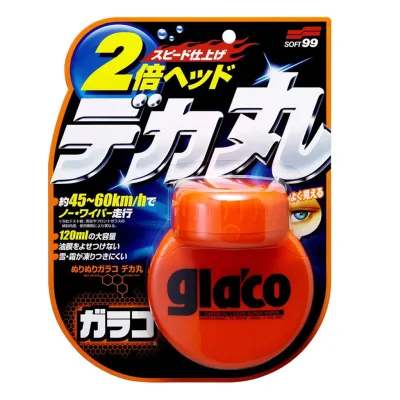
2 Lazada user ratings
It makes driving in the rain more pleasurable cos of higher visibility.
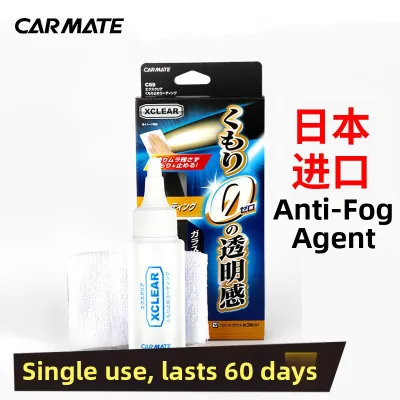
29 Lazada user ratings
The effect is pretty good, only for the rear view mirror. I didn't use it all up in one go, so it can probably be used twice.
It works pretty well, just for the rearview mirror. I didn't use it all up in one go, so it should last for about two uses.
It really does an amazing job at removing stains; oil marks wipe right off.
Following the instructions, this is the best result so far.
Doing it as instructed, this is the best result so far.
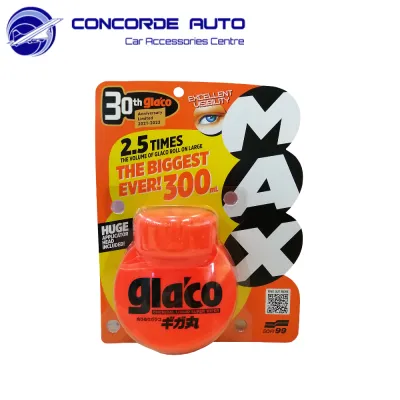
50 Lazada user ratings
👌Ease of Use: 5 🔧Durability: 4 💲Value for Money: 5 Keeps windshield clear especially during the wet weather
Very well protected and delivery was very fast and prompt. Price attractive not to be miss
Fast delivery. Effective rain repellent, Easy to apply, Leaves no streaks,
Quality:Great. Packed nicely. Excellent products from Soft99. Must try.
item received as describe big 300ml bottle should last awhile
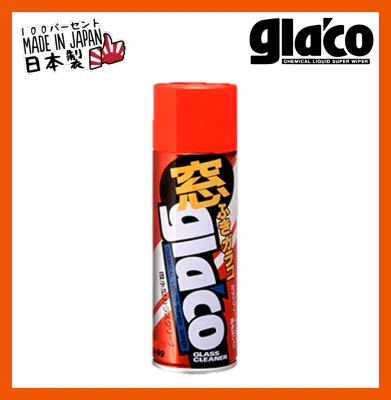
5 Lazada user ratings
Quality:Good quality, items were delivered in a good condition and smooth.
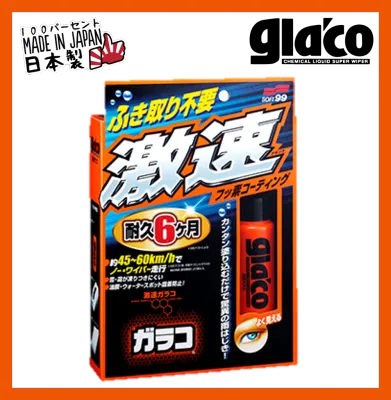
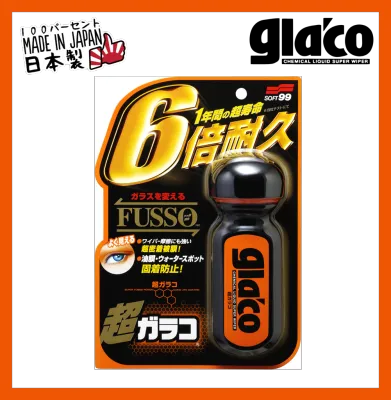
37 Lazada user ratings
Works well for interior bathrooms glass panels. Must better than ceramic coating glass surfaces.
👌Ease of Use: easy to apply 💲Value for Money: just the right price ✨Effectiveness: effective
The item took less than a week to reach. The item was very pack.
this is second time buy.
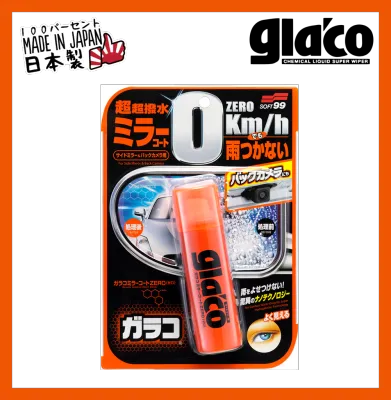
36 Lazada user ratings
Arrived safely. I tried this afternoon and so far it looks good. I haven't tested in rain but I'm confident that it's working well. The appl…Read full reviewShow less
Arrived safely. I tried this afternoon and so far it looks good. I haven't tested in rain but I'm confident that it's working well. The application was easy.
💲Value for Money: Improves visibility, Leaves no residue, Professional-grade formula, Professional-grade formula,
Protects against scratches, Easy to apply, Long-lasting coating, Repels water and dirt, Long-lasting coating,
Quality:great
Prices are valid at publication and may change. Please refer to the product page for the latest price.
Water-repellent coatings, on the other hand, are designed to protect the glass and enhance its performance in wet conditions. These treatments contain active hydrophobic agents, such as silicones, fluoropolymers, or silanes, which chemically bond to the silica in the glass. By filling in the microscopic pores and imperfections inherent in automotive glass, these coatings create an ultra-smooth, low-energy surface that alters the contact angle of water droplets, forcing them to bead up and slide off easily.
Because of these distinct formulations, standard cleaners and water-repellent coatings serve entirely different primary functions. Cleaners are reactive tools used to remove existing dirt and restore the glass to its baseline state. Coatings are proactive treatments that enhance the physical behavior of the glass when exposed to water, dirt, and road spray. Attempting to use a coating to clean a dirty windshield will only smear the grime, while using a standard cleaner will not provide any hydrophobic protection.
Comparing Visibility, Maintenance, and Durability
When evaluating visibility in wet weather, water-repellent coatings offer a clear advantage over standard cleaners. During heavy rain, untreated glass allows water to spread into a flat sheet, which distorts light and severely limits the driver’s field of vision. A hydrophobic coating forces water to form tight, spherical beads that are easily swept away by wind resistance at speeds above 50 to 60 km/h, often allowing drivers to maintain clear vision even when wipers are on a lower setting.

Night driving presents another set of challenges where both products play critical roles. Standard glass cleaners are highly effective at removing the oily films, road grime, and interior plasticizer off-gassing that scatter light and cause blinding headlight glare from oncoming traffic. However, if a water-repellent coating is applied over a surface that has not been thoroughly cleaned, it can trap these oily residues underneath, leading to severe hazing and wiper smearing when driving under streetlights.
In terms of maintenance frequency, standard glass cleaners are designed for regular, ongoing use. Most drivers use them weekly or during every routine car wash to keep both the interior and exterior glass free of dust and fingerprints. Water-repellent coatings are applied much less frequently, with durability ranging from a few weeks for simple spray-on wet-coats to several months or even a year for premium, hand-applied ceramic glass treatments.
The application effort required for each product is also vastly different. Standard cleaners are quick, user-friendly, and require nothing more than a spray bottle and a couple of clean microfiber cloths. In contrast, applying a water-repellent coating is a meticulous process that demands thorough surface preparation. To ensure the coating bonds properly, the glass must be washed, clayed to remove embedded contaminants, polished or chemically stripped of old waxes, and then allowed to cure in a dry, dust-free environment for several hours.
When Standard Glass Cleaners Are the Right Choice
Standard glass cleaners are the practical choice for drivers who primarily engage in low-speed city commuting or live in areas with minimal heavy rainfall. At lower speeds, such as during stop-and-go traffic in urban areas, wind resistance is not strong enough to push beaded water off a coated windscreen. In these scenarios, standard windshield wipers paired with a clean, residue-free glass surface are more than sufficient to maintain visibility.
These cleaners are also the only appropriate option for maintaining the interior surfaces of your car windows. The inside of automotive glass does not experience rain, but it does accumulate a stubborn layer of dust, fingerprints, pet smudges, and chemical off-gassing from the dashboard plastics. Applying a hydrophobic coating to the interior glass is unnecessary and can cause permanent hazing that is difficult to remove and highly distracting at night.
For quick touch-ups before a vehicle inspection, a road trip, or after parking under a tree, a standard glass cleaner is the fastest way to restore baseline clarity. It allows you to quickly spot-clean bird droppings, tree sap, or bug splatter without having to undergo a multi-step application and curing process.
When selecting a standard cleaner, it is crucial to verify the product label to ensure it is an ammonia-free formulation. This is especially important if your vehicle has aftermarket interior window tint film. Ammonia is a harsh chemical that can degrade the adhesive, cause bubbling, and discolor the polyester film used in window tints, leading to costly replacement fees.
When Water-Repellent Coatings Are the Right Choice
Water-repellent coatings are highly beneficial for drivers who frequently travel on expressways or drive long distances in regions prone to sudden, heavy downpours. At highway speeds, the aerodynamic force acting on the windscreen is highly effective at clearing beaded water, allowing the driver to maintain excellent visibility even during severe storms when standard wipers struggle to keep up with the volume of water.
These coatings are also an excellent investment for car owners looking to reduce wear and tear on their windshield wiper blades. Because the hydrophobic surface allows water, mud, and road spray to slide off with minimal resistance, the wipers do not have to work as hard or run as frequently. This reduces friction, prevents premature tearing of the rubber wiper elements, and minimizes the risk of wiper chatter.
However, choosing a water-repellent coating requires a commitment to proper surface preparation. If you are not willing to perform a thorough decontamination process—including using a clay bar or a dedicated glass polish to strip away old road film, wax, and water spots—the coating will not bond correctly. An improperly bonded coating will wear off quickly, often leaving behind an uneven, patchy surface that causes wipers to skip and smear.
Before purchasing a coating, always check the manufacturer’s specifications for compatibility with your vehicle’s glass type and existing wiper blades. Some advanced hydrophobic coatings can cause standard rubber wiper blades to squeak or judder across the glass. In such cases, you may need to upgrade to silicone or coated wiper blades to ensure smooth, quiet operation.
Combining Both Products in Your Car Care Routine
Rather than choosing one product over the other, the most effective approach to automotive glass care is to combine both into a structured routine. A high-quality standard glass cleaner is an absolute necessity before applying any water-repellent coating. The glass must be completely free of oils, road grime, and chemical residues to allow the hydrophobic polymers to establish a strong chemical bond with the silica in the glass.
Once a water-repellent coating has been successfully applied and cured, standard cleaners continue to play a vital role in its maintenance. To avoid prematurely stripping or degrading the hydrophobic layer, you must use mild, coating-safe glass cleaners. Avoid using highly abrasive glass polishes, strong degreasers, or cleaners containing high concentrations of isopropyl alcohol on coated glass, as these will quickly wear down the protective barrier.
Over time, even the most durable water-repellent coatings will begin to degrade due to UV exposure, physical wear from wiper blades, and road grit. You can easily identify when a coating has reached the end of its lifespan by observing how water behaves on the glass. If water no longer beads tightly at low speeds, or if the windscreen exhibits patchy areas where water sheets instead of rolling off, it is time to strip the remaining coating using a dedicated glass polish and reapply a fresh layer.
Pre-Purchase and Application Verification Checklist
Before purchasing or applying any glass care products, review this checklist to ensure safety, compatibility, and optimal performance:
- Check for Ammonia: Verify that your chosen standard glass cleaner is labeled "ammonia-free" to protect aftermarket interior window tint films from chemical degradation.
- Review Curing Requirements: Read the application instructions on water-repellent coatings to check the required curing time, temperature, and humidity levels. Many coatings require several hours of dry weather to cure properly, which can be challenging in highly humid or rainy climates.
- Verify Wiper Compatibility: Ensure your current windshield wiper blades are compatible with the hydrophobic coating. If the manufacturer recommends silicone or coated blades to prevent chattering, be prepared to replace your wipers accordingly.
- Assess Glass Condition: Inspect your windshield for deep pitting, chips, cracks, or heavy water spot etching. If the glass is damaged or has unknown existing chemical treatments, stop and consult a professional auto glass technician before applying any DIY coatings, as these products can trap moisture or worsen optical distortion in damaged areas.
Frequently Asked Questions (FAQ)
Can I apply a water-repellent coating over an existing standard cleaner residue?
No, you should not apply a water-repellent coating directly over standard glass cleaner residue. Many standard cleaners, especially those designed to add shine, leave behind trace surfactants, silicones, or gloss-enhancing agents. These residues create a barrier that prevents the hydrophobic coating from chemically bonding with the silica in the glass, leading to rapid product failure and uneven performance. Always strip the glass surface using a dedicated prep solvent or isopropyl alcohol wipe before applying a coating.
Do water-repellent coatings damage windshield wiper blades?
Water-repellent coatings do not chemically damage windshield wiper blades, but they can alter the physical friction between the rubber blade and the glass surface. This change in friction can sometimes cause standard organic rubber blades to chatter, skip, or squeak during operation. To prevent this, always check the coating manufacturer’s recommendations; many suggest pairing the treatment with high-quality silicone or specially coated wiper blades to ensure smooth, quiet operation.
Are ammonia-based glass cleaners safe for all car windows?
No, ammonia-based glass cleaners are not safe for all automotive windows. While they are highly effective at cutting through tough grease on bare, untreated exterior glass, ammonia will chemically degrade, discolor, and bubble aftermarket polyester window tint films commonly applied to interior glass. To prevent damage to expensive tinting, it is safest to use a dedicated ammonia-free glass cleaner for all interior surfaces and limit ammonia-based products strictly to bare exterior glass.
Community discussion
Share your experience or ask a question. Comments are reviewed before publication.