
Choosing the right paint protection for your vehicle comes down to a fundamental trade-off between convenience, depth of gloss, and long-term durability. A wash and wax product offers the ultimate convenience by cleaning and leaving a light protective barrier in a single step. Traditional paste or liquid wax requires more physical effort but rewards you with a deep, warm gloss and sacrificial protection. Ceramic coating demands the highest initial investment and meticulous preparation but delivers a semi-permanent, highly hydrophobic shield that lasts for years. Understanding how these methods interact with your vehicle’s clear coat is essential for maintaining its appearance and resale value.
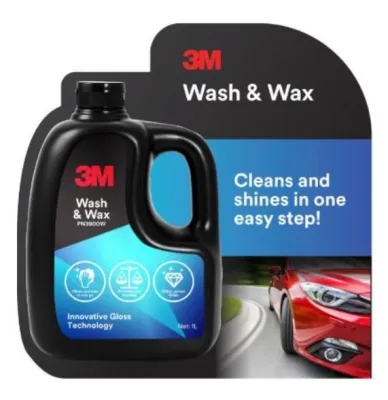
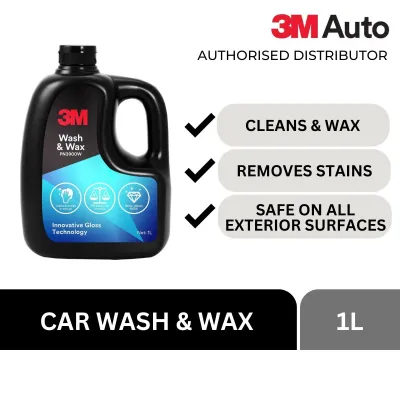
Wash and wax products are formulated with active cleaning surfactants mixed with light waxes or silicones. During a standard wash, the surfactants lift and suspend dirt so it can be rinsed away safely, while the wax or silicone particles deposit onto the paint surface. This leaves behind a thin, temporary layer of protection and shine. Because the wax is applied during the wash cycle, it does not bond deeply with the paint, making it a highly efficient but short-lived solution.
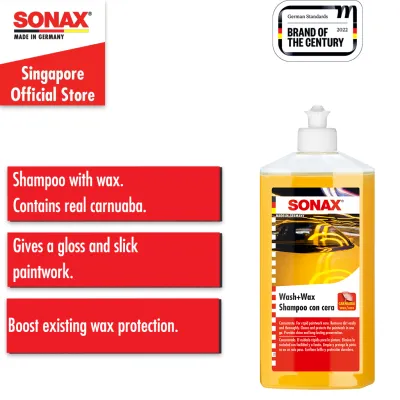
Traditional paste or liquid wax is typically made from natural carnauba wax, synthetic polymers, or a blend of both. It is applied by hand or machine to clean, dry paint, allowed to haze, and then buffed off with a microfiber towel. This process fills in microscopic imperfections in the clear coat, creating a smooth surface that produces a deep, reflective shine. Traditional wax acts as a sacrificial barrier, absorbing environmental damage so your clear coat does not have to.
Products mentioned in this guide
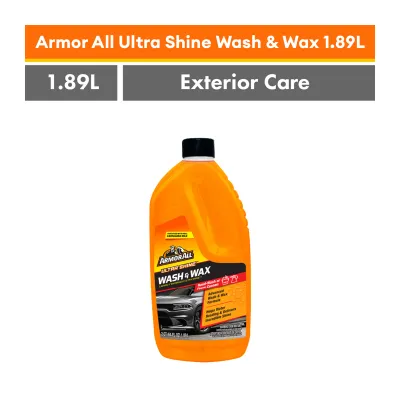
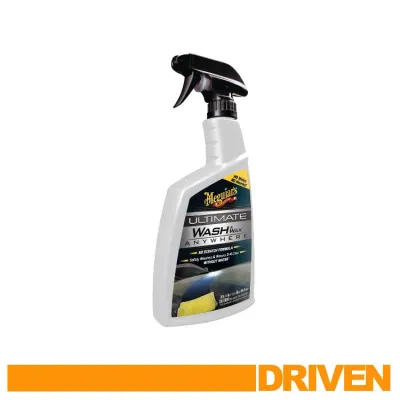
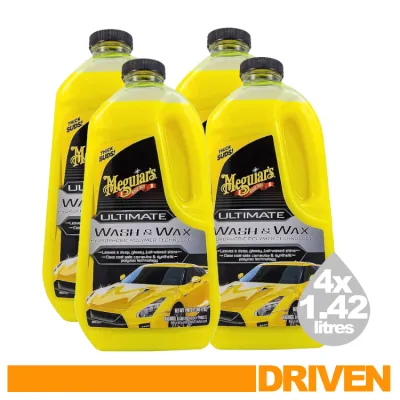
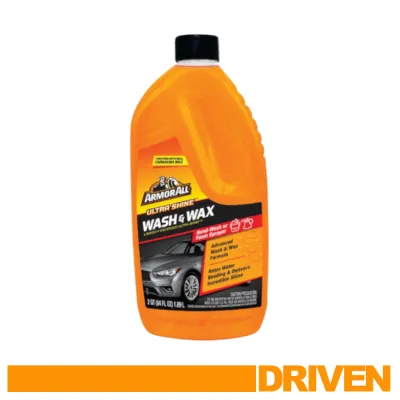
Prices are valid at publication and may change. Please refer to the product page for the latest price.
Ceramic coating utilizes silicon dioxide (SiO2) or similar chemical compounds to create a semi-permanent bond with the vehicle’s clear coat. Once applied and cured, it forms a hard, crystalline glass layer over the paint. This layer is highly hydrophobic, meaning it repels water, dirt, and oils with exceptional efficiency. Unlike wax, which sits on top of the paint, a ceramic coating chemically bonds with the surface, making it highly resistant to heat, UV rays, and chemical degradation.
Comparing Protection Level, Effort, and Longevity
Evaluating the practical trade-offs across key decision-making dimensions helps you weigh your options objectively based on your lifestyle and car care habits. The level of protection and durability varies significantly among the three methods. Wash and wax provides a temporary barrier that typically lasts only a few weeks, requiring frequent reapplication during regular washes to maintain its protective qualities. It is highly susceptible to being stripped by harsh weather or stronger detergents.
Traditional wax offers moderate protection, shielding the paint from UV rays, light contaminants, and water spots for several months depending on weather exposure and washing habits. It gradually wears away over time and must be reapplied periodically to keep the paint protected. Ceramic coatings provide the highest level of durability, resisting harsh chemicals, UV damage, and environmental contaminants for several years when properly maintained, making them the most robust shield available.
Application effort is another critical factor to consider. Wash and wax requires no extra steps beyond a standard wash, making it highly efficient for busy car owners. Traditional wax requires a dedicated application and buffing process, taking one to two hours of physical labor. Ceramic coating is the most labor-intensive, requiring extensive paint correction, decontamination, and a controlled, dust-free environment to cure properly, often taking a full day or more to complete.
Visual results also differ based on the active ingredients. Traditional wax is renowned for its warm, deep, wet-look gloss, which is highly favored for show cars and dark paint. Ceramic coatings produce a sharp, glass-like, highly reflective shine with intense water-beading properties that make the vehicle look clean even after rain. Wash and wax provides a clean, respectable shine, but lacks the visual depth and longevity of the other two methods.
| Dimension | Wash and Wax | Traditional Wax | Ceramic Coating |
|---|---|---|---|
| Protection Level | Light / Temporary | Moderate / Sacrificial | High / Semi-Permanent |
| Application Time | 15–30 minutes (during wash) | 1–2 hours | 1–2 days (including prep) |
| Durability Expectation | Weeks | Months | Years |
| Skill Required | Beginner | Intermediate | Advanced / Professional |
Cost and Value Considerations
Understanding the financial implications of each method involves looking at both the initial outlay and the long-term maintenance costs. Wash and wax shampoos are highly economical, offering a low entry cost per wash. A single bottle can last for dozens of washes, making it an affordable option for budget-conscious car owners who want basic protection without spending a premium.

Quality traditional paste or liquid waxes represent a moderate investment. While the initial cost of the wax and application accessories is higher than a wash and wax shampoo, a single container can last for many applications over several years. This balances moderate cost with regular physical labor, making it a cost-effective choice for enthusiasts who enjoy detailing their own vehicles.
Ceramic coatings carry a high initial cost, whether purchasing premium DIY kits or hiring a professional detailing service. Professional applications require significant labor for paint correction, which drives up the service price. However, ceramic coating can offer excellent long-term value by reducing the frequency of detailing sessions, eliminating the need for frequent waxing, and protecting the paint from costly environmental damage.
Car owners should verify current local pricing and professional detailing quotes, as prices in S$ fluctuate based on product brands, vehicle size, and service providers. Professional ceramic coating services in local workshops can vary significantly depending on the level of paint correction required before application. Investing in a professional service can be highly beneficial if you plan to keep your vehicle for several years.
How to Choose the Right Method for Your Routine
Selecting the right paint protection method depends on your time, budget, and vehicle usage. Choose wash and wax if you prioritize speed, have limited garage space, or want a low-effort maintenance routine for a daily driver. It is ideal for those who wash their cars frequently in multi-storey car parks or outdoor washing bays where elaborate detailing setups are impractical.
Choose traditional wax if you enjoy the hands-on detailing process, seek a warm, deep gloss (especially on dark paints), and do not mind spending a weekend morning applying and buffing the product. This method suits enthusiasts who find satisfaction in manual car care and want to maintain a classic, wet-look shine on their vehicles.
Choose ceramic coating if you want maximum chemical resistance, long-term hydrophobic effects, and are willing to invest the time or money into professional paint correction and application. This is highly beneficial for vehicles parked outdoors under the intense tropical sun and frequent rain, where environmental fallout, bird droppings, and tree sap are constant threats.
Before choosing any method, inspect your vehicle’s clear coat. If the paint is heavily oxidized, deeply scratched, or showing signs of clear coat failure, all protection methods will struggle to perform. Ceramic coatings in particular will lock in existing defects, making professional paint correction a mandatory prerequisite to ensure proper bonding and a flawless finish.
Application Prerequisites and Maintenance Rules
To ensure your chosen protection method performs as expected, you must follow proper preparation and maintenance steps. Traditional wax and ceramic coatings require a completely clean, decontaminated surface to bond effectively. This involves washing, claying, and potentially machine polishing the paint to remove embedded contaminants, iron particles, and swirl marks before application.
Ceramic coatings are highly sensitive to environmental conditions during application. They require specific temperature and humidity ranges to cure properly, and must be kept dry for a designated period. Always consult the manufacturer’s specific product label for precise curing times and environmental instructions to avoid ruining the coating.
No paint protection method is entirely maintenance-free. Even a ceramic-coated vehicle requires regular washing with pH-neutral car shampoos to prevent dirt buildup from clogging the hydrophobic layer. Wash and wax products require consistent, regular use to maintain their light protective barrier over time, as they do not offer long-term durability on their own.
If your vehicle’s clear coat is failing, peeling, or deeply scratched, stop and consult a professional detailer. Attempting to apply ceramic coatings or using rotary polishing machines without proper training can cause permanent damage to your vehicle’s paintwork. Always verify compatibility with your specific vehicle’s paint type and trim materials by checking the product label instructions before starting any detailing work.
Frequently Asked Questions (FAQ)
Can I apply traditional wax or ceramic coating over a wash and wax?
No, you should not apply traditional wax or ceramic coating directly over a wash and wax residue. Wash and wax products leave behind a light layer of wax or silicones that prevents stronger protective coatings from bonding properly to the clear coat. To upgrade your protection, use a dedicated wax-stripping shampoo or an appropriate paint prep solution according to the product instructions to completely clean the surface before applying a traditional wax or ceramic coating.
Does wash and wax replace the need for a dedicated car shampoo?
While wash and wax products are excellent for regular maintenance, they do not entirely replace the need for a dedicated, high-foaming car shampoo. Wash and wax formulas prioritize leaving a protective film, which can sometimes reduce their ability to break down heavy grease, road grime, or thick mud. For heavily soiled vehicles, it is best to use a dedicated, deep-cleaning car shampoo first, reserving wash and wax for light maintenance washes.

Community discussion
Share your experience or ask a question. Comments are reviewed before publication.