
Maintaining a car’s exterior in a tropical climate requires a clear understanding of different paint care methods. With intense UV exposure and sudden, heavy downpours, your vehicle’s clear coat faces constant environmental stress. Choosing between a wash and wax, a ceramic coating, and a polish depends entirely on your paint’s current condition, your budget, and how much time you can dedicate to maintenance.
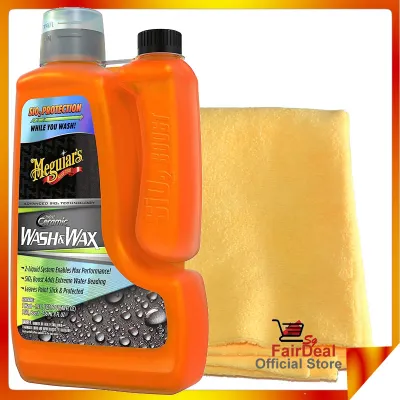
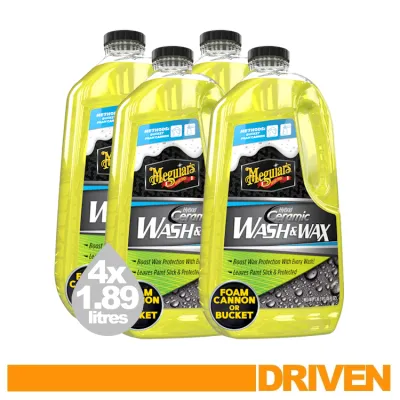
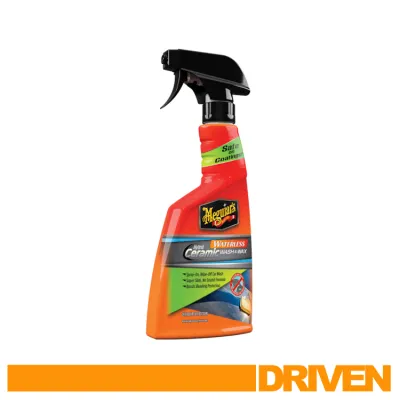
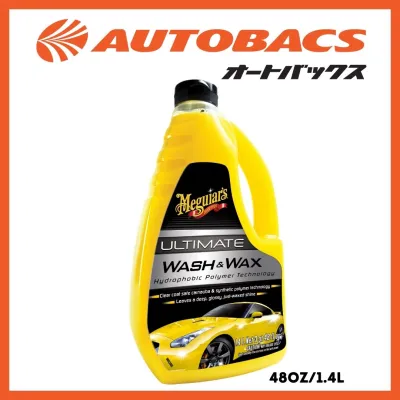
Many car owners confuse these three processes, leading to wasted effort. For instance, using a wash and wax product like Meguiar’s Wash and Wax is excellent for routine cleaning and adding a temporary sacrificial layer of shine. However, it cannot repair scratches or offer the multi-year durability of a ceramic coating. Conversely, applying a ceramic coating requires meticulous paint preparation, while polishing is a corrective step that actually removes a microscopic layer of your paint to restore its shine.
To build an effective car care routine, you must first identify whether your vehicle needs immediate paint correction, long-term environmental defense, or simply a quick, cost-effective wash that leaves behind a light layer of protection.
Products mentioned in this guide
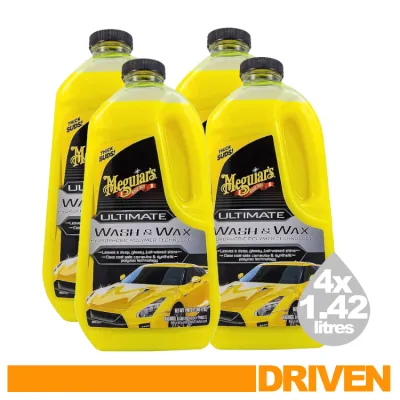
![[DIAMOND WASH DETAIL WORK] MEGUIAR’S WASH & WAX](https://img.lazcdn.com/g/p/2a73d49d2b99969cf1bb1c7c72ba49f8.jpg_400x400q80.jpg_.webp)
Prices are valid at publication and may change. Please refer to the product page for the latest price.
Clarifying the Roles: Protection vs. Paint Correction
To keep your car looking its best, it is essential to distinguish between products that protect your paint and those that correct it. These three categories serve completely different functions in a detailing routine, and using them out of order can compromise your vehicle’s finish.
A wash and wax is a dual-purpose maintenance product. It is formulated to lift dirt safely from the surface while leaving behind a thin, temporary layer of wax. This process does not correct paint defects, nor does it provide long-term resistance against harsh chemicals. Instead, it acts as a convenient, regular upkeep step to maintain an existing shine.
A ceramic coating is a dedicated protective sealant. Unlike traditional waxes that sit on top of the paint, a ceramic coating chemically bonds to the vehicle’s clear coat, creating a semi-permanent, hydrophobic barrier. This barrier helps repel water, dirt, and UV rays, making the vehicle much easier to clean over an extended period.
Car polish is not a protective product at all. It is an abrasive compound designed for paint correction. Polishing physically levels the clear coat to eliminate fine scratches, swirl marks, and oxidation. Because it removes material rather than adding a protective layer, polished paint must always be sealed with a wax or coating afterward to prevent rapid deterioration.
Wash and Wax: Quick Maintenance and Light Protection
Wash and wax products offer an efficient way to clean your vehicle while adding a brief boost of gloss and water-beading capability. For car owners who wash their vehicles at home or in shared multi-storey car parks, these formulas simplify the detailing process by combining two steps into one.

The primary benefit of a wash and wax, such as Meguiar’s Wash and Wax, is its convenience. During a standard wash, the surfactants in the soap encapsulate dirt particles to prevent scratches, while specialized wax emulsifiers deposit a thin protective film onto the surface as you rinse. This temporary barrier helps shield the paint from light environmental contaminants and water spots until the next wash.
However, this convenience comes with trade-offs in durability. The wax deposited during a wash is exceptionally thin and typically lasts only a few weeks, especially under a harsh tropical sun and frequent rainstorms. It requires low physical effort and a very low relative cost, but it demands highly frequent reapplication to maintain any meaningful level of protection.
This method is ideal for daily drivers in decent aesthetic condition, leased vehicles where long-term coating investments do not make financial sense, or for quick weekend maintenance. When using these products, always check the manufacturer’s label for the correct dilution ratio to ensure optimal cleaning power without leaving excess residue. It is also crucial to verify surface compatibility and use safe drying methods, such as clean microfiber towels, to avoid introducing new swirl marks.
Ceramic Coating: Maximum Durability and Advanced Protection
For car owners seeking the highest level of environmental resistance and a long-lasting gloss, ceramic coatings represent the pinnacle of modern paint protection. These liquid polymers utilize silicon dioxide or similar chemical compounds to establish a semi-permanent bond with the vehicle’s clear coat.
This chemical bond creates a highly hydrophobic surface that actively repels water, road grime, and acidic contaminants like bird droppings and tree sap. In tropical environments where intense UV radiation can accelerate paint oxidation and fading, a ceramic coating provides a robust shield that traditional waxes cannot match.
The primary drawback of ceramic coatings is the intensive application process. Before a coating can be applied, the paint must undergo thorough surface preparation. This preparation typically involves a deep wash, chemical decontamination, clay bar treatment, and at least a single stage of machine polishing to remove any imperfections. Any swirl marks or scratches left on the paint will be locked beneath the semi-permanent coating once it cures.
Because of this complexity, car owners must decide between purchasing DIY consumer kits or paying for professional application at a detailing studio. Professional applications require a higher upfront investment, depending on the vehicle size and the level of paint correction required. If you choose the DIY route, always check the manufacturer’s specifications for precise curing times, environmental requirements during application, and warranty conditions to ensure the coating bonds successfully.
Car Polish: Restoring the Paint Before Protection
Car polish is a corrective tool rather than a protective one. Over time, automatic car washes, improper hand-washing techniques, and environmental debris create micro-scratches and swirl marks that scatter light, making your paint look dull and faded.
Polishing works by using microscopic abrasives to gently level the outermost layer of your vehicle’s clear coat. By smoothing out these microscopic ridges and valleys, the paint surface becomes perfectly flat, allowing light to reflect evenly and restoring a deep, mirror-like gloss. This process is highly effective at removing light oxidation, water spot etching, and minor surface defects.
However, polishing is an aggressive process that strips away any existing wax, sealant, or ceramic coating. It leaves the bare clear coat completely exposed to the elements. If you polish your vehicle and fail to apply a protective layer immediately afterward, the bare paint will oxidize rapidly under UV exposure and become highly vulnerable to environmental damage.
Therefore, polishing must always be treated as an intermediate step. The mandatory sequence for any serious detailing job is to wash and decontaminate the vehicle, polish the paint to correct defects, and then immediately seal the surface with a dedicated wax, sealant, or ceramic coating to lock in the corrected finish.
Decision Matrix: Comparing Effort, Durability, and Cost
To help you determine which approach aligns best with your lifestyle, budget, and vehicle needs, it is helpful to compare these methods across key practical metrics. Each option represents a different balance of upfront effort, ongoing maintenance, and financial investment.
While a wash and wax requires virtually no extra time beyond a standard car wash, its protective qualities are fleeting. A ceramic coating demands a significant investment of time and money upfront but rewards you with years of simplified maintenance. Polishing is a specialized corrective step that should only be performed when your paint shows visible signs of wear and tear.
| Method | Primary Role | Effort Level | Durability Expectation | Relative Cost |
|---|---|---|---|---|
| Wash and Wax | Cleaning & temporary maintenance | Low (under 1 hour) | 1 to 3 weeks | Low |
| Ceramic Coating | Long-term environmental protection | High (1 to 2 days of prep & cure) | 1 to 5 years | High |
| Car Polish | Paint correction & defect removal | High (requires machine or hand buffing) | None (must be sealed immediately) | Moderate |
How to Choose the Right Routine for Your Vehicle
Selecting the right paint care strategy requires a realistic assessment of your vehicle’s current condition, your available time, and your budget. There is no single correct answer, as the ideal routine varies from one car owner to another.
You should choose a wash and wax product if you prioritize low cost, minimal time investment, and basic upkeep. This approach is perfect for vehicles parked in covered garages, daily drivers that undergo frequent washes, or owners who enjoy a quick, therapeutic weekend car wash routine. It keeps the car clean and shiny with minimal hassle.
Opt for a ceramic coating if you want multi-year protection, a self-cleaning hydrophobic effect, and a deep, wet-look gloss. This is the best choice if your vehicle is frequently parked outdoors under the sun, or if you want to make future washes much faster and easier. However, ensure you have the budget for professional application or the patience, covered space, and tools required for proper DIY preparation and curing.
Choose a polish first if your vehicle’s paint has visible swirl marks, light scratches, or a dull, oxidized appearance. Remember that polishing is a corrective measure, not a protective one. Once you have finished polishing, you must immediately follow up with either a high-quality wax or a ceramic coating to protect the freshly leveled clear coat.
Before starting any detailing process, always verify your paint’s condition under bright lighting. Read the product safety data sheets and instructions carefully. If you are unsure about your vehicle’s clear coat thickness, or if you are dealing with deep scratches that catch your fingernail, stop and consult a professional detailer to avoid accidentally burning through the paint.
Frequently Asked Questions (FAQ)
Can I apply ceramic coating directly over car wax?
No, you cannot apply a ceramic coating directly over car wax. Ceramic coatings require a completely clean, bare clear coat to chemically bond with the paint surface. Traditional car waxes and sealants create a physical barrier that will prevent the ceramic coating from adhering properly. If applied over wax, the coating will fail to bond and will wash away quickly. To ensure a proper bond, you must strip any existing wax using a dedicated wax-remover prep solvent, an isopropyl alcohol (IPA) wipe, or by polishing the paint before applying the ceramic coating.
Does a wash and wax product affect existing ceramic coatings?
Yes, using a standard wash and wax product can negatively affect the performance of an existing ceramic coating. Wash and wax formulas are designed to leave behind a layer of wax or gloss enhancers. When applied over a ceramic coating, this wax residue covers the coating’s highly hydrophobic surface. Because traditional wax has lower water-beading and self-cleaning properties than a ceramic coating, your car may actually get dirty faster and exhibit weaker water-beading. To maintain a ceramic coating, always check the coating manufacturer’s recommended maintenance wash instructions and use a dedicated, residue-free, pH-neutral car shampoo.

Community discussion
Share your experience or ask a question. Comments are reviewed before publication.