
Protecting your vehicle’s paintwork is essential to maintaining its aesthetic appeal and resale value, especially when navigating harsh environmental conditions. Daily drivers face a constant barrage of environmental stressors, from intense sunlight to heavy downpours. Choosing the right paint protection method depends entirely on your available time, budget, and desired level of durability. Wash & wax shampoos offer the most convenient, low-effort maintenance for daily drivers; traditional paste or liquid waxes provide a hands-on detailing experience with a deep, warm gloss for enthusiasts; and professional ceramic coatings deliver the highest long-term environmental resistance for those willing to invest in meticulous preparation and higher upfront costs. The following comparison breaks down the practical trade-offs of each method to help you align your choice with your car care routine.
Core Differences: Protection, Effort, and Durability
To make an informed decision, it is crucial to understand how these three protective methods differ in their chemical composition and how they interact with your car’s clear coat. Each option serves as a barrier against external elements, but they achieve this through vastly different mechanisms.
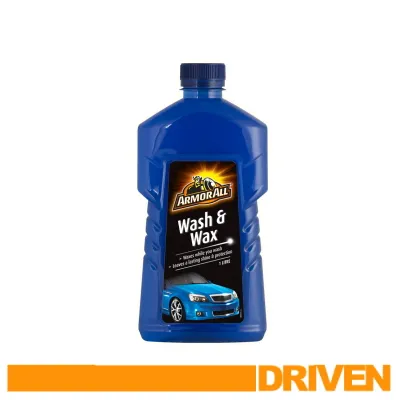
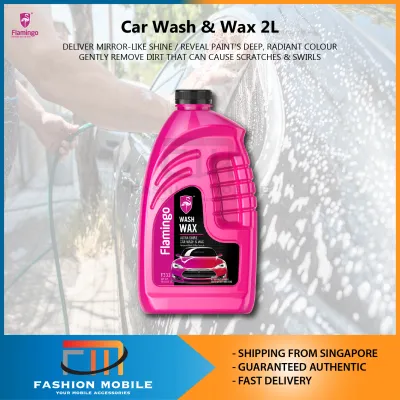
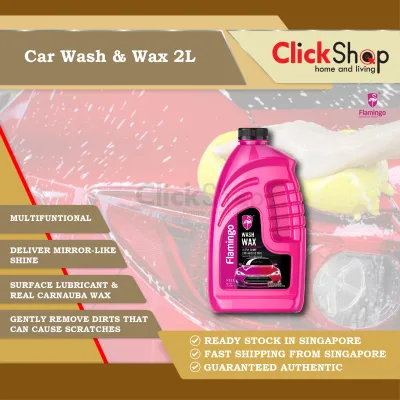
A wash & wax shampoo is formulated as a combined cleaner and temporary protectant. As you wash the vehicle, the shampoo lifts dirt while depositing a very thin, temporary layer of wax or synthetic polymers onto the surface. This method is designed for speed and convenience, providing a brief boost in gloss and water-beading capabilities without adding extra steps to your washing routine.
Products mentioned in this guide
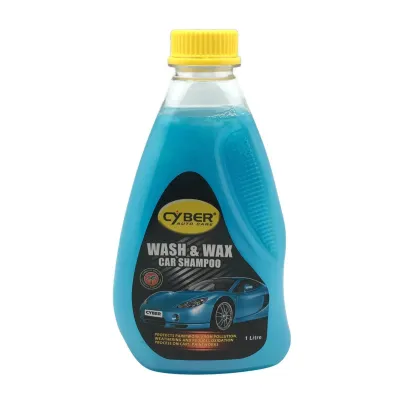
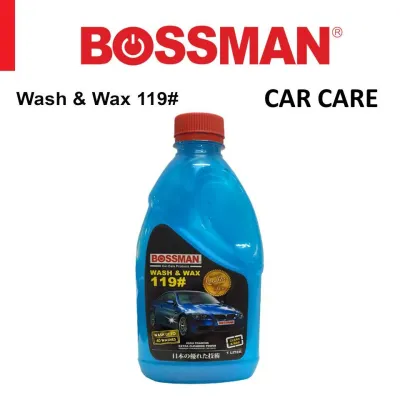
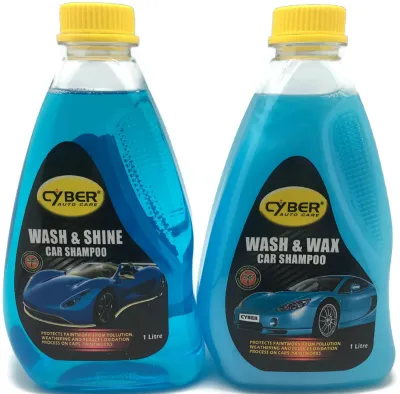
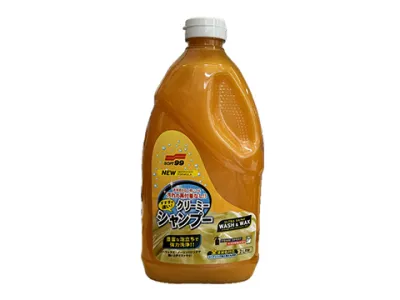
![[SG] Nano Ceramic Coating Shampoo Car Wash Shampoo Car Wax Car Coating Wash and Shine](https://img.lazcdn.com/g/p/3792d61f45f7f765d914254ff77438f0.jpg_400x400q80.jpg_.webp)
Prices are valid at publication and may change. Please refer to the product page for the latest price.
Traditional wax, available in paste or liquid forms, acts as a dedicated sacrificial layer. It is applied directly to clean, dry paintwork and is typically composed of natural carnauba wax, synthetic polymers, or a blend of both. This layer sits on top of the clear coat, absorbing environmental wear so your paint does not have to.
Ceramic coating represents a more advanced level of protection. It utilizes silicon dioxide (SiO2) or similar chemical compounds to form a semi-permanent chemical bond with the vehicle’s clear coat. Instead of merely sitting on top of the paint, it cures to create a hard, hydrophobic glass-like layer that resists degradation far longer than traditional waxes.
The core trade-off across these methods lies between application convenience and long-term longevity. While a wash & wax shampoo requires virtually no extra time, its protective qualities are fleeting. Conversely, a ceramic coating demands extensive preparation and application time but offers years of continuous protection.
| Protection Method | Relative Durability | Application Time | Gloss Characteristics | Maintenance Effort |
|---|---|---|---|---|
| Wash & Wax Shampoo | Very Low (Weeks) | Under 30 minutes | Light, temporary shine | Low (Regular wash) |
| Traditional Wax | Moderate (Months) | 1 to 2 hours | Deep, warm, wet-look gloss | Moderate (Periodic reapplication) |
| Ceramic Coating | High (Years) | Multiple days (including prep) | Sharp, reflective, glass-like gloss | High initial prep, low ongoing wash |
Application Effort and Skill Requirements
The amount of time and skill you are willing to invest in paint maintenance is a major deciding factor. Each method demands a different level of physical effort, specialized tools, and environmental control.

Wash & wax shampoo requires minimal effort and no specialized detailing skills. It integrates directly into your regular two-bucket washing routine, replacing your standard car shampoo. Because the protective agents are deposited during the wash and rinsed off, there is no separate curing, drying, or physical buffing required. This makes it an ideal choice for car owners who want quick results during a routine weekend wash.
Traditional paste or liquid wax demands moderate effort and a clean, dry surface. After washing and drying the car, you must apply the wax evenly in small sections using a foam or microfiber applicator pad. You then have to wait for the product to haze—a process where the solvents evaporate, leaving a cloudy residue—before physically buffing it off with clean, high-gsm microfiber towels. This process requires physical stamina and careful technique to avoid marring the paint with dirty towels.
Ceramic coating is the most demanding option, requiring meticulous paint correction, decontamination, and strict environmental controls. Before application, the paint must be clay-barred, chemically decontaminated, and polished to remove swirl marks, as the coating will lock in any existing defects. The application environment must be free of dust, direct sunlight, and high humidity to allow the coating to cure properly. Improper DIY leveling can lead to “high spots”—dark, uneven patches of excess product—that can only be corrected by professional machine polishing.
Durability and Environmental Resistance
Understanding how each protection method holds up against environmental factors is essential for long-term paint preservation. This is particularly important in tropical climates like Singapore’s, where vehicles are subjected to intense UV exposure, heavy rain, high humidity, and organic contaminants.
Wash & wax shampoos offer the lowest durability of the three options. The thin protective layer deposited during the wash degrades quickly when exposed to heavy rain and high surface temperatures. It requires frequent reapplication to maintain any level of protection, and car owners should check product labels for wash-count estimates to gauge how often they need to use the shampoo.
Traditional wax provides moderate durability. Organic carnauba waxes are highly prized for their deep shine, but they degrade rapidly under high UV radiation and tropical heat. Synthetic polymer sealants offer slightly better heat resistance and longevity, but they still require periodic reapplication every few months to keep the paint shielded from environmental fallout.
Ceramic coatings deliver the highest resistance to UV oxidation, chemical stains, and water spotting. Because the coating chemically bonds with the clear coat, it does not wash away or degrade easily under heat. However, lifespans vary significantly depending on the product formulation, so you should verify the specific product’s rated lifespan, warranty conditions, and required maintenance sprays.
It is important to emphasize that no paint protection method makes a vehicle entirely “scratch-proof.” While ceramic coatings offer minor resistance to fine wash marring, all three methods still require safe, lubricated washing techniques—such as using grit guards and clean microfiber wash mitts—to prevent swirl marks and micro-scratches.
Cost and Value Considerations
Evaluating the financial commitment of each option involves looking beyond the initial purchase price. You must consider the long-term value, the cost of application tools, and the value of your personal time.
Wash & wax shampoo has the lowest upfront cost. It simply involves the ongoing, relatively low expense of purchasing a specialized shampoo bottle. Since it replaces your regular car soap and requires no extra tools, it is highly cost-effective for budget-conscious car owners.
Traditional wax carries a moderate upfront cost. In addition to purchasing quality paste or liquid products, you must invest in foam applicators and a generous supply of premium microfiber towels. You must also factor in the recurring cost of these materials and the value of your personal time, as manual waxing is a labor-intensive process that must be repeated several times a year.
Ceramic coating represents the highest upfront cost. If you choose professional application, the price reflects the intensive labor required for paint correction, decontamination, and multi-stage coating application. You should check local detailing shops in Singapore for current package rates in S$ and warranty terms to find a service that fits your budget.
When viewed from a “cost per year” perspective, the value proposition changes. While a ceramic coating requires a significant initial investment, its multi-year durability means you spend less time and money on detailing products over the lifespan of the coating. For owners planning to keep their vehicles for several years, this high upfront cost can translate into excellent long-term value and convenience.
Decision Framework: Which Method Fits Your Needs?
To finalize your choice, align your paint protection strategy with your lifestyle, budget, and the current condition of your vehicle.
Choose Wash & Wax Shampoo if:
- You want a low-maintenance routine that fits into a standard washing schedule.
- You have limited weekend time and prefer an all-in-one product that cleans and protects simultaneously.
- You want to minimize upfront detailing expenses while maintaining a basic level of paint protection.
Choose Traditional Wax if:
- You enjoy the hands-on detailing process and find satisfaction in working on your vehicle.
- You prioritize a warm, deep, wet-look gloss, particularly on darker paint colors.
- You do not mind dedicating a few hours every few months to reapply the product.
Choose Ceramic Coating if:
- You want the highest level of long-term environmental protection and hydrophobic performance.
- You have a higher budget and are willing to invest in professional application or strict DIY protocols.
- You want to make routine washing faster and easier over several years.
Before making your final decision, verify the condition of your car’s paintwork. If the paint has severe oxidation, deep scratches, or a failing clear coat, these defects must be professionally corrected before applying any dedicated wax or ceramic layer. Applying a premium wax or ceramic coating over damaged paint will not hide the imperfections and can lock in the damage, making future correction more difficult.
Frequently Asked Questions (FAQ)
Can I apply traditional wax or ceramic coating over a wash & wax shampoo?
Applying a dedicated wax or ceramic coating directly over a wash & wax shampoo is not recommended. Wash & wax shampoos leave behind a temporary sacrificial layer of polymers and surfactants that can interfere with the chemical bonding process of dedicated protection products. To ensure proper adhesion, you should use a dedicated stripping shampoo or perform an isopropyl alcohol wipe-down to completely remove any existing wash & wax residues before applying your primary protection layer. Always check specific product instructions and safety data sheets for proper surface preparation.
Does ceramic coating eliminate the need to wash the car?
A ceramic coating does not eliminate the need for regular washing. While the coating’s hydrophobic properties and dirt-shedding capabilities make the surface much easier to clean, abrasive road film, dust, and environmental contaminants will still accumulate over time. Regular washing is strictly required to prevent these contaminants from bonding to the coating and degrading its performance. To preserve the coating’s original hydrophobic properties and avoid clogging the surface, always use a pH-neutral car shampoo that does not contain added waxes or gloss enhancers.

Community discussion
Share your experience or ask a question. Comments are reviewed before publication.