
To determine if a VSYS dash cam is compliant with the Land Transport Authority (LTA) regulations in Singapore, you must look beyond the brand name itself. The LTA does not issue a blanket approval or certification for any single dash cam brand. Instead, compliance is determined by how the camera is designed, its power source, and where it is physically installed on your vehicle. By evaluating specific hardware features and adhering to strict mounting guidelines, you can ensure your setup remains fully legal on Singapore roads.
Many VSYS models are highly compatible with local regulations due to their unique split-system designs, which separate the camera lens from the main recording unit. This design minimizes windscreen obstruction, making it easier to meet strict local visibility standards. However, verifying compliance requires a careful look at the physical dimensions, power specifications, and installation methods of your chosen model.
Understanding LTA Regulations for Dash Cams in Singapore
The Land Transport Authority maintains strict guidelines regarding any aftermarket accessories fitted to a vehicle’s windscreen. The primary legal requirement is that any mounted device must not obstruct the driver’s direct line of sight. The windscreen is generally divided into critical vision zones, and any device that encroaches on the driver’s primary field of view can render the vehicle non-compliant during routine checks or periodic inspections.
Products mentioned in this guide
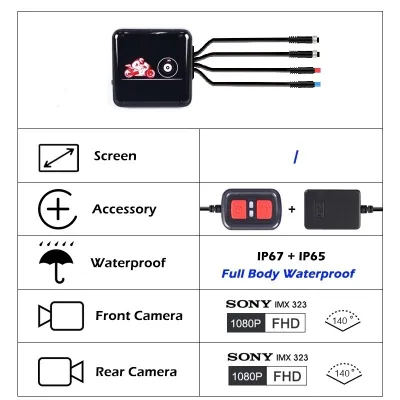
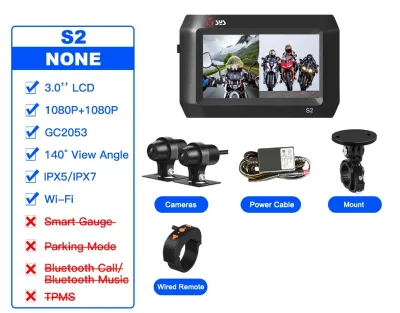
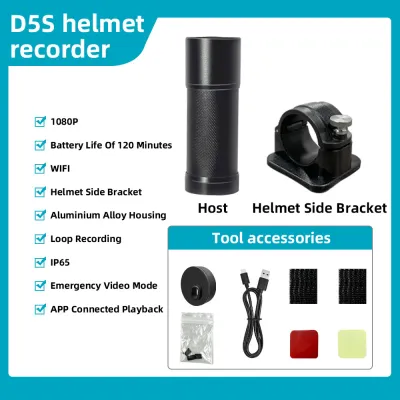
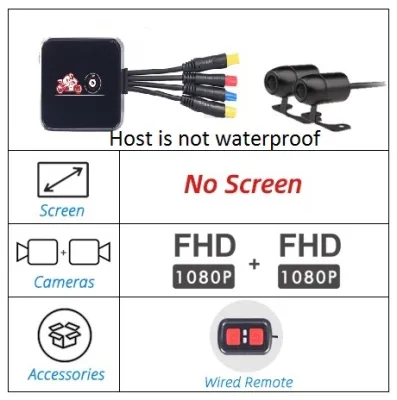
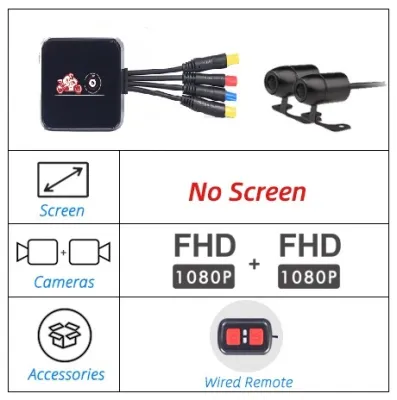
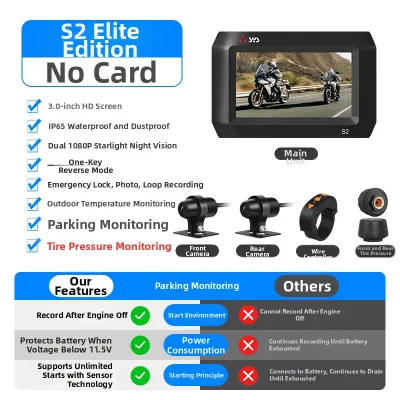
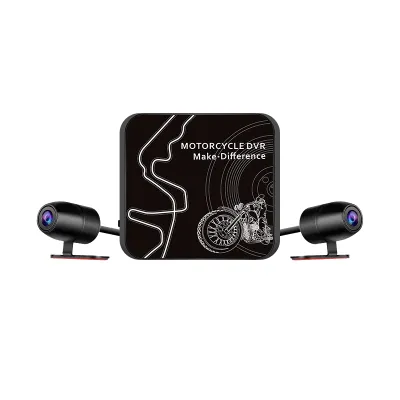
Prices are valid at publication and may change. Please refer to the product page for the latest price.
In addition to visibility, safety standards regarding the device’s construction are vital. Singapore’s tropical climate presents a unique challenge for in-car electronics. When parked in open-air car parks, cabin temperatures can rise rapidly. Dash cams utilizing standard lithium-ion batteries run the risk of swelling, leaking, or experiencing thermal runaway under extreme heat. While the LTA does not explicitly ban specific battery types, vehicle safety regulations require all installed accessories to be safe and free from fire hazards.
Privacy laws also intersect with dash cam usage in Singapore. Under the Personal Data Protection Act (PDPA), continuous recording of the vehicle’s cabin or exterior must respect personal privacy. If you operate a private hire vehicle, taxi, or shared transport, recording audio or video inside the cabin requires clear notification to passengers. The camera’s placement and recording angles must align with these privacy expectations to avoid legal complications.
Evaluating VSYS Camera Features for Legal Compliance
VSYS cameras often feature a split-system layout, where small, independent lenses connect via cables to a central digital video recorder (DVR) hub. This form factor is highly advantageous for LTA compliance. Because the lens itself is incredibly small compared to traditional all-in-one dash cams, it occupies a minimal footprint on the windscreen. This design makes it significantly easier to mount the camera without blocking the driver’s view of the road.

When choosing a VSYS model, the power source is a critical specification to verify. Many models in their lineup utilize supercapacitors instead of traditional lithium batteries. Supercapacitors do not store energy chemically in the same way batteries do, making them far more resistant to extreme heat. Opting for a supercapacitor-powered model ensures the device can withstand Singapore’s intense midday heat without risking physical deformation or creating a safety hazard in your cabin.
If you are considering a dual-channel or multi-camera VSYS system that includes a cabin-facing lens, pay close attention to the mounting bracket and lens angle. Ensure the interior lens can be adjusted to capture the necessary safety footage without unnecessarily invading passenger privacy. For commercial drivers, look for models that allow you to disable audio recording easily if a passenger requests it, keeping your operations fully aligned with local privacy guidelines.
Safe and Compliant Installation Practices
Even the most compact dash cam can become non-compliant if installed incorrectly. The optimal mounting zone for a front-facing VSYS lens is directly behind or adjacent to the rearview mirror. This area is already naturally obscured from the driver’s direct line of sight by the mirror itself. Placing the lens here ensures it captures a clear, centered view of the road while remaining completely out of the driver’s field of vision.
Cable routing is another critical safety boundary that requires careful planning. All wiring must be neatly routed along the headliner and down the side pillars to prevent loose cables from distracting the driver. If your vehicle is equipped with side curtain airbags, you must never run cables directly across the face of the A-pillar. Doing so can impede airbag deployment during a collision or turn the cable into a dangerous projectile. Always route the wiring behind the airbag mechanism, following the vehicle manufacturer’s original wiring harness.
For parking mode features, VSYS cameras typically require hardwiring to the vehicle’s fuse box. This process involves tapping into constant and ignition-switched power sources. Incorrect electrical work can drain your car battery, trigger warning lights, or void your vehicle’s warranty. Always consult your vehicle’s owner manual for specific fuse layouts and safety instructions. If you are unfamiliar with automotive electrical systems, seek a qualified professional installer to handle the hardwiring safely.
How to Verify Compliance Before Purchase
Before finalizing your purchase of a VSYS camera, check the product documentation for local regulatory compliance. In Singapore, wireless devices—including dash cams equipped with Wi-Fi or Bluetooth for mobile app connectivity—should comply with the standards set by the Infocomm Media Development Authority (IMDA). Look for an IMDA registration label or confirmation from the seller that the device meets local telecommunications standards.
Consulting an authorized local dealer is one of the most reliable ways to ensure compliance. Authorized distributors typically stock models configured specifically for the local market, complete with appropriate power cables, mounting hardware, and localized warranties. They can also provide guidance on which specific VSYS configurations are best suited for your vehicle type, whether you drive a sedan, an SUV, or a motorcycle.
Finally, review the return and exchange policies of the online marketplace or retail store where you plan to buy. Because physical compatibility depends heavily on the unique geometry of your vehicle’s windscreen and dashboard, a dry fit is highly recommended before permanent installation. If you find that the camera lens or mounting bracket cannot be positioned without obstructing your view, a flexible return policy will allow you to exchange the unit for a more suitable model.
Frequently Asked Questions (FAQ)
Will a non-compliant dash cam cause my vehicle to fail its periodic inspection?
Yes, an improperly mounted or non-compliant dash cam can lead to a failure during periodic vehicle inspections at authorized centers. Inspectors specifically check for any aftermarket accessories that obstruct the driver’s view through the windscreen or side windows. If a camera is mounted directly in the driver’s line of sight, or if the wiring is loose and hangs down into the cabin, you will be required to rectify the installation before your vehicle can pass inspection.
Are there specific fines for using an illegally mounted dash cam?
Yes, driving a vehicle with an obstructed windscreen is an offense under Singapore’s road safety regulations. If law enforcement officers determine that your dash cam placement severely compromises your view of the road, you can face fines and potential demerit points. To avoid these penalties, always ensure the camera lens is positioned high up on the windscreen, preferably behind the rearview mirror, where it does not interfere with your direct view of traffic.
Community discussion
Share your experience or ask a question. Comments are reviewed before publication.