
When evaluating the Vsys CS5 against other Land Transport Authority (LTA) compliant dash cams in Singapore, the decision hinges on your specific vehicle type, mounting preferences, and thermal durability needs. While many standard dash cams are designed for enclosed car cabins, the Vsys CS5 stands out as a dual-channel split system frequently utilized for motorcycles and open-air vehicles, though its compliance and utility depend entirely on proper installation and local verification. Comparing this model to mainstream alternatives requires looking beyond basic video resolution to examine mounting legality, power source safety under intense tropical heat, and the practicalities of local after-sales support.
Understanding LTA Rules for Dash Cam Installation
Before comparing specific models, you must understand what makes a dash cam legally compliant in Singapore. The Land Transport Authority (LTA) maintains strict guidelines regarding driver visibility and vehicle modifications. Any aftermarket accessory, including dash cams, must be installed in a manner that does not obstruct the driver’s forward line of sight or interfere with the operation of safety systems like airbags.
For passenger cars, this generally means mounting the front camera high up on the windscreen, ideally behind or adjacent to the rearview mirror. The device must sit outside the primary field of view while still capturing a clear picture through the swept area of the windscreen wipers. For motorcycles, the cameras must be securely fastened to the chassis, handlebars, or fairings without protruding unsafely or creating sharp edges that could pose a hazard in an accident.
Products mentioned in this guide
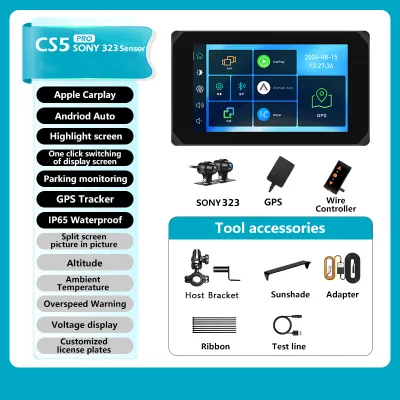
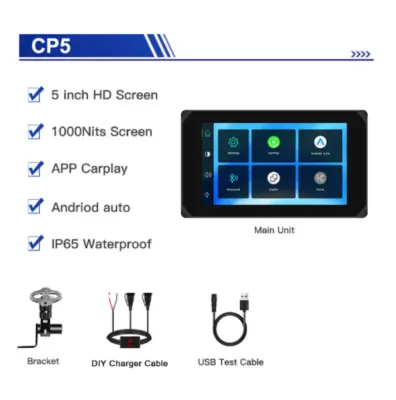
Prices are valid at publication and may change. Please refer to the product page for the latest price.
Beyond physical placement, Singapore’s tropical climate introduces severe thermal challenges that impact safety compliance. Vehicles parked in open-air carparks can reach extreme internal temperatures within hours. Dash cams powered by traditional lithium-ion batteries pose a risk of swelling, leaking, or thermal runaway under these conditions. Consequently, safety-conscious installations heavily favor supercapacitor-powered units, which handle high temperatures much more reliably and prevent potential electrical fires.
Furthermore, Singapore regulations strictly prohibit the use of active radar detectors, speed trap jammers, or laser-disrupting technologies. Any dash cam you install must function purely as a passive recording device. Ensuring your chosen model does not contain illegal signal-detection features is a critical first step before making a purchase.
Verifying the Vsys CS5 for Local Compliance
To confirm whether the Vsys CS5 is suitable for your vehicle and fully compliant with local standards, you should perform a systematic check of its physical and electrical specifications. The Vsys CS5 utilizes a split-system design, meaning the front and rear camera lenses are separate from the main recording unit. This form factor is highly advantageous for maintaining an unobstructed view, as the tiny lenses can be mounted discreetly while the main body is tucked away under the seat or inside the glove compartment.

When planning your installation, verify that the mounting brackets for the lenses can be securely attached to your vehicle without violating the LTA’s line-of-sight restrictions. For motorcycles, ensure the cables connecting the lenses to the main unit are routed safely away from hot engine components and moving steering parts. For cars, confirm that the lens adhesive or suction mount does not interfere with any factory-installed sensors or driver-assist cameras near the top of the windshield.
Next, inspect the power source specifications of the specific Vsys CS5 variant you are purchasing. Many Vsys models are engineered with supercapacitors instead of lithium batteries to ensure stable operation in high-heat environments. You should verify this detail on the product packaging or the manufacturer’s official specification sheet. A supercapacitor ensures that the camera can safely save the final video file and shut down when the vehicle’s ignition is turned off, even after hours of exposure to the Singapore sun.
Finally, look for recognized international safety and compliance certifications on the product label. Certifications such as CE, FCC, and RoHS indicate that the device has undergone testing for electromagnetic interference and hazardous materials. While the LTA does not issue individual approval stamps for dash cams, choosing a certified device ensures that its wireless signals will not disrupt your vehicle’s keyless entry, GPS navigation, or tire pressure monitoring systems.
Comparing the Vsys CS5 Against Alternative Models
When comparing the Vsys CS5 to alternative LTA-compliant dash cams, video quality under local road conditions is a primary performance metric. Singapore’s roads feature highly variable lighting, ranging from intense midday glare to dimly lit side streets and dark multi-story carparks. Look for models equipped with High Dynamic Range (HDR) or Wide Dynamic Range (WDR) technology, which balances extreme light and dark areas to keep license plates legible.
The field of view is another critical factor. A wider lens angle captures more lane activity but can introduce fish-eye distortion at the edges, making distant objects appear further away. Compare the lens specifications of the Vsys CS5 against competitors to find a balance that covers adjacent lanes without sacrificing detail in the center of the frame.
Parking surveillance is a highly sought-after feature for protecting your vehicle against hit-and-run incidents while parked. To utilize parking mode, both the Vsys CS5 and alternative models require a dedicated hardwiring kit connected directly to the vehicle’s fuse box. This kit must feature an automatic low-voltage cutoff to prevent draining your vehicle’s battery. Because tapping into your vehicle’s electrical system carries inherent safety risks, always consult your original vehicle manual and seek qualified professional installation to avoid voiding your manufacturer’s warranty or causing electrical faults.
Storage management and ease of footage retrieval can vary significantly between brands. Most modern dash cams use loop recording, overwriting the oldest unprotected files when the memory card is full. Compare the companion smartphone apps for the Vsys CS5 and alternative models; a user-friendly app with stable Wi-Fi connectivity is essential for quickly downloading and sharing footage with traffic police or insurance providers on the spot.
Evaluating Total Cost and After-Sales Value
Assessing the true value of a dash cam requires looking beyond the initial retail price of the camera unit itself. To calculate your total investment in S$, you must account for several essential accessories and services. High-endurance microSD cards, specifically rated for continuous write cycles in high-temperature environments, are mandatory for reliable operation and are rarely included in the base package.
Professional installation is another key cost component. While some drivers attempt a do-it-yourself installation, professional routing of cables and hardwiring to the fuse box ensures a clean, safe, and compliant setup. Installation fees in Singapore vary depending on your vehicle type and the complexity of the wiring; you should consult local automotive workshops to get accurate quotes before purchasing your hardware.
After-sales support and warranty terms are critical for long-term peace of mind. Purchasing your dash cam through an authorized local distributor typically provides you with a local warranty, making it much easier to obtain a replacement or repair if the unit fails. Parallel-imported units purchased from overseas online marketplaces may offer a lower upfront cost but often leave you without local support, requiring you to ship the unit back to the country of origin for service.
Furthermore, regular firmware updates from the manufacturer can resolve software bugs, improve app compatibility, and optimize video processing algorithms over time. Established brands with active local support networks are more likely to provide ongoing firmware updates, ensuring your investment remains functional and secure for years to come.
Decision Framework: Which Dash Cam Should You Choose?
To finalize your decision, evaluate how your specific driving habits and vehicle type align with the strengths of the Vsys CS5 versus alternative models. The Vsys CS5 is an excellent choice if you ride a motorcycle or drive a vehicle where a traditional, bulky windshield-mounted camera is impractical. Its split-system design allows for highly discreet lens placement, and its weather-resistant camera modules are built to withstand direct exposure to rain and road grime.
Conversely, you should consider alternative LTA-compliant dash cams if you prefer an all-in-one windshield-mounted unit for a standard passenger car. These mainstream models often feature integrated GPS logging, advanced driver-assistance systems (ADAS), and highly polished companion apps with cloud backup capabilities that may not be as robust on specialized split-system units.
Before making your final purchase, always verify that the exact model variant of the Vsys CS5 or alternative camera matches your compliance checklist. Ensure the power source is supercapacitor-based, confirm that the mounting style fits your vehicle’s layout, and secure a commitment for professional installation from a reputable local workshop.
Community discussion
Share your experience or ask a question. Comments are reviewed before publication.