
Singapore’s tropical climate, characterized by year-round high temperatures and relentless humidity, presents a unique challenge for automotive air fresheners. When you place a Vanzo car perfume in your vehicle, the equatorial heat significantly accelerates the evaporation rate of the fragrance oils, resulting in a powerful initial scent throw but a noticeably shorter overall lifespan compared to temperate regions. High humidity further alters how your olfactory senses perceive these scent notes, sometimes making heavy fragrances feel overwhelming while physically degrading paper or metal components over time. Understanding these environmental dynamics allows you to select the right product format, position it strategically, and manage your vehicle’s cabin temperature to maximize your perfume’s longevity.
How Singapore's Tropical Climate Alters Car Perfume Behavior
A vehicle parked in an open-air HDB carpark or an unsheltered industrial estate in Singapore quickly turns into a greenhouse. Under the intense midday sun, internal cabin temperatures can easily climb past 60°C within an hour. This extreme thermal environment fundamentally alters the physical state of fragrance delivery systems, which rely on the controlled release of volatile organic compounds suspended in a carrier medium like gel, liquid, or paper.
When ambient temperatures spike, the kinetic energy of these fragrance molecules increases, forcing them to transition from liquid or gel states into vapor at an accelerated rate. Consequently, standard manufacturer claims of a car perfume lasting 60 days are typically calibrated for temperate climates of around 20°C to 25°C. In Singapore’s climate, you must adjust your expectations, as the same product may only last three to four weeks if the vehicle is frequently exposed to the sun.
Products mentioned in this guide
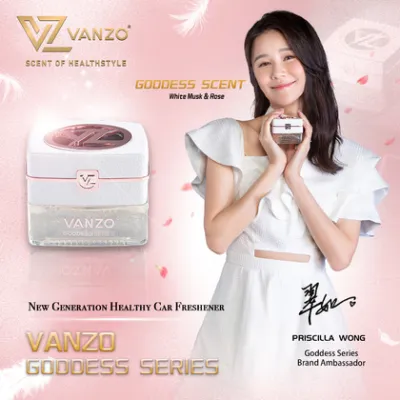



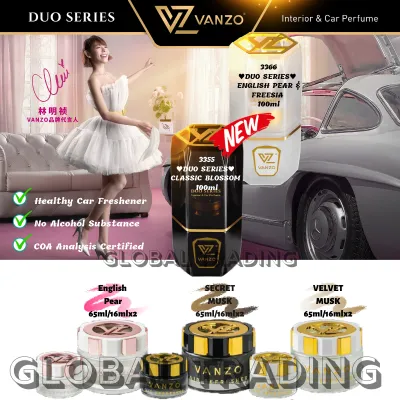
![[NEW] VANZO Duo Series New Generation Sterilizing Air Freshener REED DIFFUSER★NEW FRAGRANCES★HOTEL & PERFUME FRAGRANCES](https://img.lazcdn.com/g/p/3adffcf00607989cf9a5e6eb3a710a15.png_400x400q80.png_.webp)
Prices are valid at publication and may change. Please refer to the product page for the latest price.
This physical reality introduces a fundamental trade-off for car owners. While the intense heat provides an exceptionally strong scent projection that can quickly mask stale odors, it rapidly depletes the fragrance reservoir. Balancing this trade-off requires a closer look at how heat affects different perfume formats and how you can manage your vehicle’s microclimate.
Heat, Evaporation, and the Trade-Off Between Scent Throw and Lifespan
The vapor pressure of fragrance oils increases exponentially with temperature, meaning that even a slight rise in cabin heat causes a disproportionate jump in evaporation. When you step into a car that has been parked under the sun, you are often met with an intense wave of perfume. This immediate “scent throw” is highly pronounced because the heat has forced a massive volume of fragrance molecules into the cabin air simultaneously.

While this initial burst can feel luxurious, it represents a rapid consumption of the product’s active ingredients. The volatile top notes, such as light fruits and citrus, evaporate almost instantly under these conditions, leaving the heavier base notes to work overtime. Over several days of repeated heat exposure, the fragrance profile can shift, sometimes losing its complexity as the lighter, fresher notes are depleted first.
Different physical formats react uniquely to this thermal stress. Liquid-based perfumes, which often use alcohol or glycol-based carriers, can expand under high heat. This expansion increases internal pressure within the bottle, which can lead to micro-leaks around the seal or wick. If these liquids come into contact with your car’s interior plastics or leather, they can cause permanent staining or peeling.
Solid gel formulations, designed to shrink slowly as they release scent, can soften or even melt into a semi-liquid state if placed in direct sunlight. Once the gel structure collapses, its surface area changes, which can lead to uneven evaporation or premature drying. To prevent physical degradation and potential leakage, always check the product packaging or the manufacturer’s label for specific temperature storage limits before installation.
How High Humidity Changes Scent Perception and Product Care
Relative humidity in Singapore regularly hovers between 80% and 100%, particularly during the monsoon seasons or after sudden afternoon downpours. High humidity means the air is already saturated with water vapor, which directly affects how scent molecules disperse and how our noses detect them. Moisture-laden air traps fragrance molecules close to cabin surfaces, preventing them from dispersing cleanly and making the air feel heavier.
In highly humid air, heavy, sweet, or dense fragrance notes—such as deep vanilla, heavy musks, or rich ambers—can feel incredibly cloying and suffocating. The moisture in the air amplifies these heavy molecules, which can lead to sensory fatigue or mild headaches during long drives. To counter this, lighter and fresher scent profiles are highly recommended for tropical climates. Citrus notes, aquatic accords, and light florals perform much better, cutting through the damp air to provide a refreshing sensation without overwhelming the passengers.
Humidity also poses a physical threat to the perfume hardware itself. When you transition from a heavily air-conditioned cabin to the hot, humid outdoor air of Singapore, condensation rapidly forms on cold surfaces. This moisture buildup can degrade paper-based hanging air fresheners, causing them to warp, lose their structural integrity, or even develop mold over time.
For vent clips or dashboard bottles, persistent condensation can cause metal-plated plastic trims to bubble, peel, or corrode. This corrosion not only ruins the aesthetic of the perfume holder but can also leave unsightly residues on your car’s interior surfaces. Regularly wiping down the exterior of your perfume container during humid spells can help mitigate these physical effects.
Matching Vanzo Formats to Your Parking and Driving Habits
Vent Clips and Air Conditioning Dependency
Vent clip perfumes are highly popular because they utilize the car’s active ventilation system to distribute scent. When the air conditioning is running, the airflow passes through or over the fragrance element, carrying the scent throughout the cabin. This format is highly efficient for drivers who park in shaded areas or multi-storey carparks, as the perfume is only actively dispersed when the fan is on.
However, placing a vent clip directly in front of a powerful, freezing AC stream can sometimes have the opposite effect. The extreme cold from the vent can temporarily lower the temperature of the fragrance gel or liquid, suppressing the volatility of certain scent notes and making the perfume seem unusually weak. Once the cabin temperature stabilizes, the scent throw becomes more balanced.
Hanging and Dashboard Formats
Hanging paper diffusers and dashboard-mounted glass bottles are classic choices, but they carry the highest risk in Singapore’s intense climate. Hanging a perfume from the rearview mirror places it directly behind the windshield, which acts as a magnifying glass for solar radiation. Similarly, dashboard-mounted bottles are subjected to extreme, localized heat zones that can easily exceed 70°C.
Before mounting any dashboard accessory, always check your vehicle’s manual to ensure it does not interfere with passenger airbag deployment zones or obstruct your view of the road. If you choose a dashboard format, ensure it is secured with a high-quality, heat-resistant adhesive pad, and place it in a spot that receives partial shade from the windshield’s ceramic tint or sunshade. If a liquid perfume leaks onto your dashboard, check the vehicle manufacturer’s care instructions immediately to clean the surface safely without causing further damage.
Solid Gel and Under-Seat Options
For drivers who frequently park in open-air carparks, solid gel or under-seat fragrance containers are often the most practical choice. Placing the perfume in a lower, shaded area of the cabin—such as under the driver’s or passenger’s seat, or inside a low-lying cup holder—shields it from direct solar radiation.
The lower half of a car’s cabin remains significantly cooler than the dashboard or upper glass areas. By keeping the product away from direct sunlight and extreme heat zones, you ensure a much slower, more consistent evaporation rate, thereby extending the overall lifespan of the fragrance gel. This placement also keeps the product out of your direct line of sight, maintaining a clean dashboard aesthetic.
Practical Steps to Extend Scent Life in a Hot Cabin
- Parking Habits: The most effective way to preserve your car perfume is to manage your parking habits. Whenever possible, prioritize sheltered multi-storey carparks (MSCPs) or basement parking over open-air lots. If you must park in the sun, always deploy a high-quality, reflective front windshield sunshade. This simple step can lower your dashboard and cabin temperatures by up to 15°C to 20°C, protecting both your car's interior materials and your perfume.
- Ventilation Routines: When returning to a hot, sun-baked car, do not immediately turn on the air conditioning with the windows rolled up. Instead, roll down all the windows or open the doors for a minute to let the trapped, superheated air escape. You can also use the car's exterior ventilation mode to flush out the heat. This prevents the perfume from experiencing a sudden, extreme thermal shock and helps clear out any concentrated, cloying scent buildup before you start driving.
- Strategic Placement: Avoid placing non-vent perfumes on dark leather surfaces, directly on top of hot electronic components (like the infotainment screen or wireless charging pads), or in direct sunlight. Dark surfaces absorb more heat, which will rapidly warm the perfume container and accelerate evaporation.
- Storage of Refills: If you purchase Vanzo refills in bulk or keep spares, never store them in your car's glovebox or door pockets. The ambient heat inside a parked car will slowly degrade the fragrance oils and weaken the chemical bonds of the scent even before the package is opened. Instead, store your unopened refills in a cool, dark, and dry cabinet inside your home until you are ready to use them.
Frequently Asked Questions (FAQ)
Does leaving my car in the sun ruin the Vanzo perfume?
Prolonged exposure to direct sunlight and extreme heat can degrade the quality of the perfume. While it does not make the fragrance toxic, the intense heat can break down the delicate chemical compounds of the essential oils, altering the original scent profile and making it smell sour or metallic. Furthermore, extreme heat can cause liquid expansion, leading to leaks, or melt solid gel formats, which can permanently stain or damage your car’s interior trim.
Which scent notes last longest in hot weather?
Base notes with higher molecular weights, such as sandalwood, cedarwood, musk, amber, and patchouli, generally last the longest in hot weather because they have lower volatility and evaporate at a slower rate. In contrast, light top notes like citrus, mint, and green apple evaporate very quickly under heat. However, the physical format of the perfume (such as a solid gel versus a liquid) and where you place it in the cabin remain the primary factors determining its overall lifespan.
Can I adjust the scent strength if it becomes too strong in the heat?
You can manage the intensity of your car perfume through several practical methods. If you are using a vent clip format, utilize the adjustable slider on the product to partially or fully close the scent vents. For passive diffusers or gel containers, you can move them to a cooler, lower area of the cabin, such as under the seat or in a door pocket. If the product design allows, you can also leave a portion of the protective foil seal intact over the gel to restrict the evaporation surface area.
Community discussion
Share your experience or ask a question. Comments are reviewed before publication.