
To use Kathwi perfume as a car air freshener in Singapore’s intense heat and humidity, you must select light, fresh scent profiles—such as citrus, aquatic, or soft woody notes—and avoid heavy, sweet, or dense floral compositions. Because high cabin temperatures accelerate evaporation and intensify fragrance projection, heavy scents can quickly become cloying and cause olfactory fatigue in a closed vehicle. Additionally, safe application requires using indirect diffusion methods rather than spraying the perfume directly onto sensitive interior surfaces like leather or plastic.
By understanding how tropical climates interact with fragrance formulations, you can maintain a pleasant, refreshing cabin environment. This guide outlines how extreme heat affects perfume behavior, how to select the right scent profiles, what to look for on product labels, and how to position your fragrance safely to protect your vehicle’s interior.
How Singapore's Heat Changes Perfume Behavior in a Car
Singapore’s tropical climate means parked cars can reach exceptionally high internal temperatures within minutes. This extreme heat acts as a catalyst for the volatile compounds in any perfume, including Kathwi formulations. When a vehicle is left under direct sunlight, the air inside becomes trapped, creating an oven-like environment that fundamentally alters how a fragrance behaves compared to its performance on the skin in an air-conditioned room.
Products mentioned in this guide
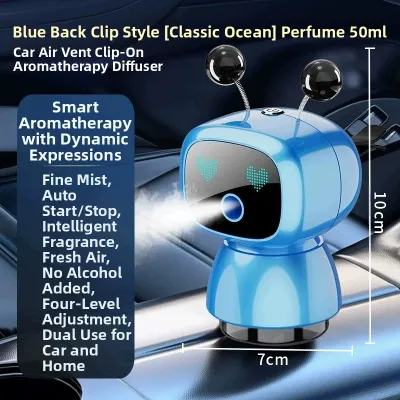

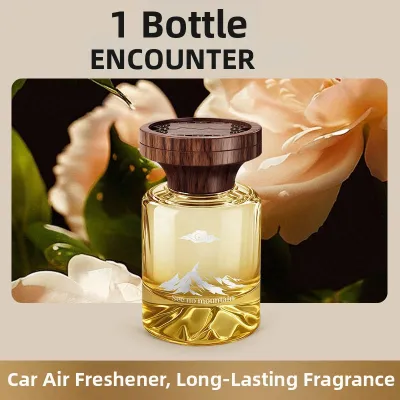


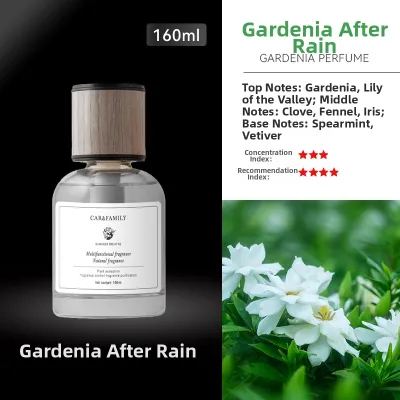
Prices are valid at publication and may change. Please refer to the product page for the latest price.
Under normal conditions, perfume notes evaporate in a structured, gradual sequence: light top notes flash off first, followed by middle notes, and finally the heavy base notes. In a hot car cabin, this process is highly accelerated, causing the top notes to volatilize almost instantly and releasing a massive burst of fragrance all at once. This rapid evaporation means the initial scent throw can be incredibly intense, while the overall longevity of the fragrance is significantly reduced.
High relative humidity levels, typical of Singapore’s climate, further alter how we perceive these airborne scent molecules. Moisture in the air can trap and amplify heavier, sweeter scent notes, making the cabin air feel thick, heavy, and overly saturated. This interaction can distort the fragrance’s intended balance, turning a subtle scent into an aggressive aroma.
This rapid, intense release of fragrance in a small, enclosed space significantly increases the risk of olfactory fatigue. Drivers and passengers may experience sensory overload, headaches, or temporary scent desensitization, turning what should be a pleasant sensory experience into an uncomfortable driving hazard. Understanding this physical acceleration is the first step in managing your vehicle’s ambient scent.
Choosing Scent Profiles That Stay Pleasant in High Temperatures
To maintain a comfortable cabin environment, prioritize fragrance families that naturally thrive in warm conditions. Light, crisp, and clean notes—such as citrus (bergamot, lemon, grapefruit), aquatic accords, and light, dry woods (cedar or vetiver)—are highly suitable because their molecular structures remain refreshing even when accelerated by heat. These profiles mimic the clean, airy qualities of traditional automotive air fresheners while offering the sophistication of a personal perfume.

Conversely, you should generally avoid heavy, sweet, or highly concentrated floral and oriental scent profiles. Ingredients like vanilla, heavy amber, dense musk, and sweet jasmine tend to expand aggressively in high heat, becoming cloying, sticky, and overwhelming in a confined vehicle interior. What feels cozy and warm in a cool environment can quickly become suffocating when trapped in a hot car.
When evaluating Kathwi perfume options, carefully study the official scent descriptions and note pyramids provided by the manufacturer. Look for formulations where the dominant, long-lasting base notes are clean and dry rather than sweet or resinous, ensuring the lingering scent remains pleasant throughout your commute. If a fragrance description emphasizes heavy gourmand or spicy elements, it is best reserved for personal wear rather than automotive use.
Consider how the scent profile interacts with your car’s air conditioning system. A fragrance that feels slightly sharp or intense when first entering a hot car will often mellow out beautifully once the air conditioning lowers the cabin temperature and reduces humidity. Choosing a scent with a clean, refreshing dry-down ensures that the transition from a hot parked car to a cool, air-conditioned drive remains seamless and pleasant.
Reading Labels: Concentration and Ingredient Checks
Understanding the concentration of your Kathwi perfume is essential for managing its performance and safety inside a vehicle. Eau de Toilette (EDT) and body mists contain a higher ratio of alcohol to fragrance oils, meaning they volatilize very quickly in the heat, whereas Eau de Parfum (EDP) has a higher oil concentration that releases scent more slowly but can leave more persistent residues. Choosing the right concentration helps you balance how long the scent lasts with how intensely it projects.
Always inspect the product packaging and manufacturer labels for specific warnings regarding heat exposure, direct sunlight, and flammability. Because perfumes are alcohol-based, storing a pressurized or highly volatile glass bottle in a hot car can pose safety risks, making it critical to follow all storage guidelines. If a label explicitly warns against storing the product above a certain temperature, do not leave the bottle inside the vehicle.
Pay close attention to the ingredients list to identify potential staining agents, heavy synthetic dyes, or oily bases. These components are designed for skin application and can cause permanent discoloration, cracking, or chemical degradation if they come into contact with automotive plastics, vinyl, or leather. Knowing what is inside the bottle allows you to take the necessary precautions during application.
If you plan to use a perfume for indirect car diffusion, verify that the formulation does not contain heavy oils that could clog diffuser reeds or leave a sticky, dust-attracting film on your vehicle’s dashboard and vents. A clean, alcohol-based formulation is generally easier to diffuse indirectly without leaving unwanted residues behind.
Safe Placement to Protect Your Car Interior and Health
Protecting your vehicle’s interior surfaces requires a strict policy of never spraying perfume directly onto leather seats, fabric upholstery, plastic dashboards, or sensitive infotainment screens. The alcohol and concentrated oils in the perfume can dissolve protective coatings, strip color, and cause irreversible material damage. Even a fine mist can settle on surfaces and cause spotting over time.
Instead, utilize safe, indirect diffusion methods to disperse the scent throughout the cabin. Applying a few sprays of your chosen Kathwi perfume onto a dedicated hanging felt pad, an unglazed ceramic stone, or a specialized vent clip diffuser allows the fragrance to evaporate safely without contacting vehicle surfaces. This method also gives you precise control over the amount of scent introduced into the environment.
Never store the actual perfume bottle in areas exposed to direct sunlight, such as the dashboard, center console, or door pockets, as UV rays and extreme heat will rapidly degrade the fragrance quality and increase pressure inside the bottle. Even the glovebox can reach unsafe temperatures during peak daylight hours, so it is best to keep the bottle at home and only bring the infused diffuser medium into the car. This practice preserves the integrity of your perfume and eliminates the risk of bottle leakage or breakage.
Ensure your vehicle has adequate ventilation, especially when first starting the car after it has been parked in the sun. Rolling down the windows for a minute or running the air conditioning on fresh-air intake mode helps flush out concentrated vapor buildup, preventing respiratory irritation, dizziness, or drowsiness while driving. Prioritizing fresh air circulation ensures that your chosen fragrance remains a subtle background enhancement rather than an overwhelming distraction.
Frequently Asked Questions (FAQ)
Can I spray Kathwi perfume directly on my car seats or floor mats?
No, you should avoid spraying Kathwi perfume directly onto your car seats, floor mats, or any other interior surfaces. Automotive materials, particularly leather, vinyl, and treated fabrics, are highly sensitive to the alcohol and concentrated essential oils found in personal fragrances. Direct contact can lead to unsightly staining, color fading, or chemical degradation of the material’s protective topcoat. To enjoy the fragrance safely, spray the perfume onto an external medium, such as a hanging cardboard card or a felt pad, and allow it to dry completely before placing it inside your vehicle.
How often should I reapply the perfume to maintain the scent in the car?
Because Singapore’s high temperatures accelerate the evaporation of perfume, you may need to refresh your diffusion medium every few days to maintain a consistent scent. However, you should always start with a very minimal application—one or two sprays—to evaluate how the fragrance behaves in the heat before adding more. Monitor the cabin’s scent level after the car has been parked in the sun; if the fragrance becomes too faint, reapply a small amount to your diffuser pad outside of the vehicle to prevent accidental overspray on your interior.

Community discussion
Share your experience or ask a question. Comments are reviewed before publication.