
Using a hanging air freshener like the Glade Hang-It Fresh in Singapore requires a clear understanding of how extreme tropical climates interact with scented materials. While these compact fresheners are designed to deliver a continuous, pleasant aroma, Singapore’s persistent heat and high humidity present unique challenges that can alter their performance, lifespan, and structural integrity. When a vehicle is parked under the intense tropical sun, cabin temperatures can rise far beyond ambient levels, directly affecting how the fragrance is released and how the product’s packaging holds up over time.
To determine if this product works well for your specific driving habits, you must evaluate how heat accelerates evaporation and how moisture levels influence scent dispersion. This guide provides a comprehensive framework for assessing hanging air fresheners in tropical conditions, helping you protect your vehicle’s interior while maintaining a fresh cabin environment.
How Singapore's Heat and Humidity Affect Hanging Fresheners
The interior of a vehicle parked in Singapore acts as a greenhouse, trapping solar radiation and causing temperatures to climb rapidly. Under these conditions, the physical properties of hanging air fresheners undergo significant stress. Most hanging fresheners rely on a controlled release of fragrance oils or scented beads housed within a semi-permeable membrane or paper pouch. When ambient temperatures rise, the kinetic energy of the fragrance molecules increases, leading to highly accelerated evaporation rates that can deplete the scent much faster than the manufacturer’s standard estimate.
Products mentioned in this guide
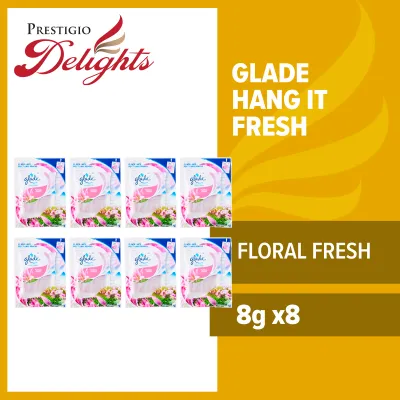
![[Wholesale $1.38/pack] Glade Hang It Fresh Fragrance Beads Air Freshener for Homes Wardrobe Cars 8g/pack](https://img.lazcdn.com/g/p/26a0c52ac1321e4fe183207ea9ea9833.png_400x400q80.png_.webp)
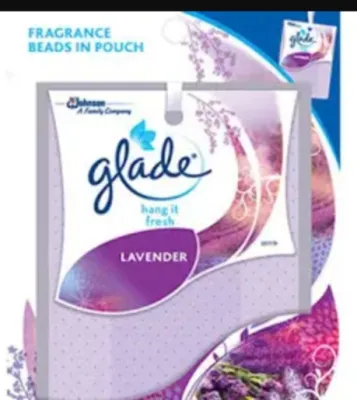
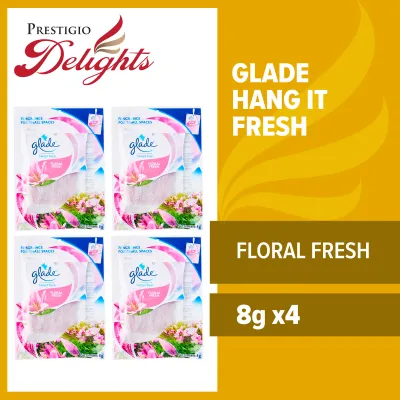
Prices are valid at publication and may change. Please refer to the product page for the latest price.
High humidity levels further complicate this process by saturating the air inside the cabin. When the air is already thick with moisture, the rate of moisture exchange between the product and the surrounding environment changes, which can alter the perceived strength and profile of the fragrance. In some cases, extreme humidity can cause the outer packaging or paper carrier of the freshener to absorb ambient moisture, potentially softening the material and compromising its structural integrity.
Furthermore, prolonged exposure to ultraviolet (UV) radiation and intense heat can degrade the physical components of the freshener. The hanging string, plastic hooks, or adhesive seals that keep the product intact can become brittle, discolored, or weakened over time. This degradation increases the risk of the product falling or tearing, which can lead to direct contact with vehicle surfaces.
There is also a stark contrast between the environment of an active, air-conditioned vehicle and one that is parked and unventilated. While driving with the air conditioning on, the cabin temperature and humidity are actively managed, allowing the freshener to disperse its scent at a stable, moderate rate. However, once the vehicle is parked and locked, the lack of ventilation allows heat to build up continuously, subjecting the freshener to a harsh thermal cycle every single day.
Checking Product Labels for Temperature and Safety Limits
Before hanging any fragrance product in your vehicle, it is essential to thoroughly review the manufacturer’s product label for specific environmental thresholds and safety warnings. Manufacturers design these products with specific operating parameters in mind, and exceeding these limits can lead to premature failure or damage. Look closely at the back of the packaging for any maximum temperature recommendations or storage advisories that indicate how the product behaves under extreme heat.

Material compatibility is another critical detail detailed on product labels. Many air fresheners contain concentrated fragrance oils that can act as mild solvents when in direct contact with certain materials. The label will typically warn against allowing the product to touch vehicle plastics, leather upholstery, synthetic dashboard materials, or varnished wood trim. In a hot cabin, these oils can soften or liquefy, and if the freshener rests against a surface, it can cause permanent staining, peeling, or warping of your car’s interior components.
Additionally, pay close attention to the hazard symbols, spill instructions, and first-aid measures printed on the packaging. Understanding what to do in the event of accidental skin contact or eye irritation is crucial, especially when handling a product that has been subjected to high heat. The label will also provide instructions on how to handle a ruptured or leaking pouch safely, ensuring you do not inadvertently spread concentrated oils onto your hands or vehicle controls.
Finally, check for any specific instructions regarding placement and mounting. Some labels explicitly state that the product must hang freely without touching any surrounding objects, including the rearview mirror stem or the windshield itself. Adhering to these guidelines is not only important for the longevity of the freshener but also for maintaining clear visibility and complying with local road safety regulations regarding windshield obstructions.
Spotting Signs of Leaks, Degradation, or Rapid Evaporation
Regularly inspecting your hanging air freshener is key to preventing damage to your vehicle’s interior, especially during periods of intense tropical weather. One of the first visual signs of heat stress is the appearance of moisture, condensation, or oily seepage on the outside of the freshener’s pouch or casing. If you notice any dampness or oily residue forming around the seals or the hanging mechanism, it indicates that the internal materials are breaking down or that the fragrance oils are liquefying faster than they can safely evaporate.
You should also monitor the strength and longevity of the scent throw. If the fragrance is overwhelmingly strong during the first few days and then vanishes entirely within a week, this rapid depletion is a clear sign that the high cabin temperatures are causing the scent to evaporate too quickly. In some instances, extreme heat can alter the chemical composition of the fragrance oils, resulting in a distorted, sour, or unpleasantly chemical smell rather than the intended fresh aroma.
The physical structure of the hanging mechanism must also be checked periodically. Inspect the string, plastic hook, or paper hanger for signs of weakening, such as fraying, discoloration, or a loss of elasticity. A hanger that has become brittle due to UV exposure can snap unexpectedly, causing the freshener to fall onto the center console, gear shifter, or passenger seat, where the concentrated oils can cause immediate material damage.
Keep a close eye on the shape and color of the freshener itself. Warping, swelling, or severe fading of the outer packaging are reliable indicators that the product has reached the end of its useful life under hot conditions. If the pouch appears bloated or distorted, it is best to remove it immediately rather than waiting for it to fail completely.
Safe Placement and Maintenance in Hot Vehicle Cabins
To maximize the lifespan of your Glade Hang-It Fresh and protect your vehicle’s interior, strategic placement is essential. Avoid hanging the product in areas that receive direct, uninterrupted sunlight, such as directly from the center of the rearview mirror if it sits in the path of intense windshield glare. Instead, look for alternative hanging points that are shaded or partially shielded from direct UV rays, while still allowing for adequate air circulation.
It is equally important to avoid placing the freshener directly in front of active air-conditioning vents. While this might seem like an effective way to boost the scent, the rapid airflow and temperature fluctuations can dry out the scented media prematurely and cause uneven evaporation. Furthermore, the physical movement caused by the vent’s airflow can cause the freshener to swing excessively, increasing the risk of it knocking against surrounding plastic panels.
If the manufacturer’s label warns against direct surface contact, consider implementing secondary precautions. Ensure the product hangs completely free of any dashboard surfaces, steering columns, or gear levers. If you must place it in a storage compartment or door pocket, ensure it is placed inside a small, open container or on a protective barrier that prevents any potential oil seepage from contacting the vehicle’s plastic or fabric liners.
For drivers who frequently park their vehicles outdoors in Singapore’s open car parks, establishing a routine inspection schedule is highly recommended. Make it a habit to check the condition of the air freshener at least once a week. A quick visual check before you start your journey can help you spot early signs of degradation, allowing you to replace or reposition the product before any leaks or structural failures occur.
What to Do If the Scent Fades Too Quickly
If you find that your hanging freshener is losing its scent much faster than expected due to the tropical heat, there are several practical troubleshooting steps you can take. If the product design features an adjustable outer wrapper or a resealable pouch, try exposing only a small portion of the scented media at a time. Keeping the majority of the product covered helps restrict the surface area exposed to the hot air, thereby slowing down the evaporation rate and extending the overall lifespan of the fragrance.
When hanging fresheners consistently struggle to cope with the thermal demands of an unventilated cabin, it may be time to consider alternative product formats. Solid gel canisters, under-seat air fresheners, or vent clips designed with adjustable mechanical shutters often perform more predictably in high-temperature environments. These alternatives are frequently constructed with heat-resistant plastics and housing designs that physically regulate scent release, making them less susceptible to rapid thermal depletion.
Proper disposal is the final, crucial step when managing heat-compromised air fresheners. Once a freshener has stopped emitting a noticeable scent, or if it shows any signs of leaking, warping, or structural failure, remove it from the vehicle immediately. Wrap the degraded product in a small plastic bag or disposable wrapper before throwing it into a waste bin to prevent any residual oils from transferring to your hands, clothing, or household surfaces.
Frequently Asked Questions (FAQ)
Does parking in direct sunlight damage the hanging freshener?
Parking your vehicle in direct sunlight can significantly accelerate the degradation of a hanging air freshener. When a car is left outdoors without window shades or ventilation, the interior cabin temperature can quickly exceed safe limits, causing the fragrance oils inside the freshener to liquefy and evaporate at an extreme rate. This intense heat can also weaken the adhesive seals, plastic hooks, or hanging strings, making them brittle and prone to breaking. To minimize this risk, use a front windshield sunshade to lower cabin temperatures, or temporarily move the freshener to a shaded area of the vehicle, such as under a seat or inside a closed console, when parking in direct sunlight for extended periods.
How does high humidity affect the fragrance lifespan?
High ambient humidity, which is characteristic of Singapore’s tropical climate, interacts with temperature to influence how you perceive and experience a vehicle fragrance. While moisture in the air does not directly cause the fragrance oils to evaporate, the combination of high humidity and trapped heat alters the air saturation levels inside a closed cabin. This can cause the scent to feel heavier or more concentrated initially, but it can also lead to a faster perceived decline in fragrance strength as the air becomes saturated. Additionally, excessive moisture can soften paper-based hanging fresheners, potentially affecting their structural integrity over time. Ensuring regular cabin ventilation by opening the windows briefly before turning on the air conditioning can help balance the humidity and optimize scent delivery.
Community discussion
Share your experience or ask a question. Comments are reviewed before publication.