
Hanging air fresheners like Glade Hang It Fresh face unique challenges when used inside vehicles in Singapore’s tropical climate. While designed to release a pleasant scent gradually in indoor spaces, the extreme heat and high humidity of a parked car can significantly alter how these products perform. When your car sits under the intense Singapore sun, cabin temperatures rise rapidly, creating an environment that differs greatly from a typical air-conditioned room.
This accelerated heat environment can cause the active ingredients in hanging fresheners to dissipate much faster than intended, often leading to an initial burst of overwhelming fragrance followed by rapid depletion. To determine if this product is suitable for your vehicle, you must evaluate how its materials react to elevated temperatures, where you position it, and what the manufacturer’s packaging specifies regarding automotive use. Understanding these factors helps protect your car’s interior while maintaining a pleasant cabin environment.
How Heat and Humidity Affect Hanging Air Fresheners
The interior of a parked car in Singapore acts like a greenhouse, trapping solar radiation and raising the cabin temperature far above the ambient outdoor level. In these conditions, the physical state of hanging air fresheners undergoes rapid changes. Many hanging fresheners utilize scented gels, beads, or liquid-infused materials that rely on controlled evaporation to release fragrance. When exposed to extreme heat, this evaporation process accelerates dramatically, causing the product to dry out or deplete in a fraction of its normal lifespan.
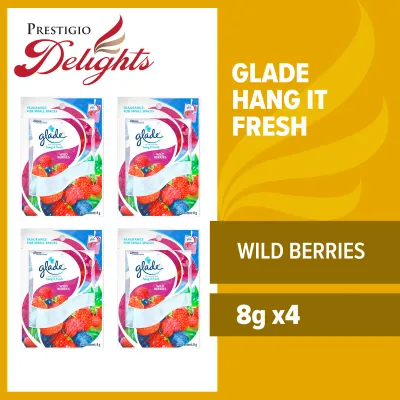
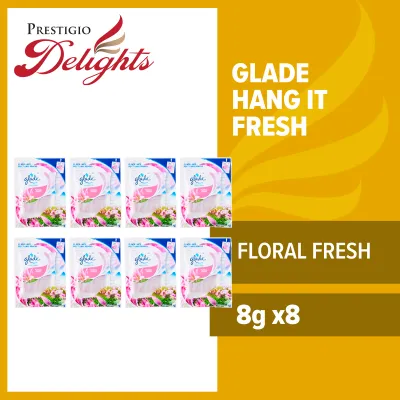
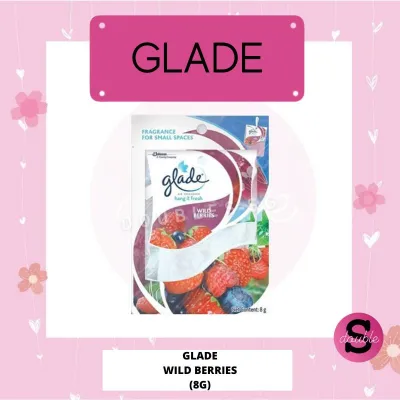
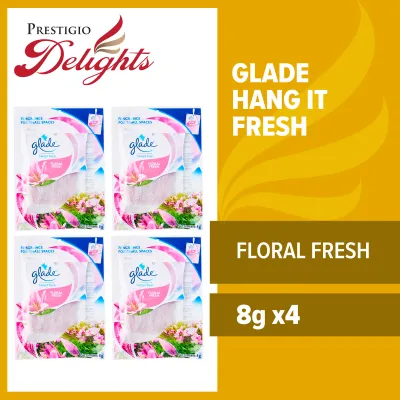
Products mentioned in this guide
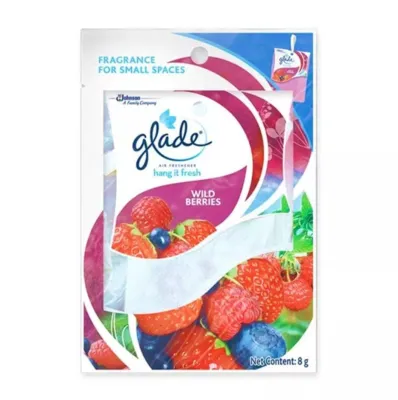
![[Wholesale $1.38/pack] Glade Hang It Fresh Fragrance Beads Air Freshener for Homes Wardrobe Cars 8g/pack](https://img.lazcdn.com/g/p/26a0c52ac1321e4fe183207ea9ea9833.png_400x400q80.png_.webp)
![[Buy 1 Free 1] Glade Hang It Fresh Fragrance Beads - Wild Lavender](https://img.lazcdn.com/g/p/f74ee5078077a7b70e326bf7e91328a4.jpg_400x400q80.jpg_.webp)

Prices are valid at publication and may change. Please refer to the product page for the latest price.
High humidity levels, which are constant in Singapore, further complicate this process. Moisture in the air can settle on the surface of the freshener, potentially altering its structural integrity. For gel-based or paper-infused products, excessive moisture can cause the outer casing or the fragrance medium itself to soften, warp, or lose its shape. This structural breakdown can lead to uneven scent distribution or, in worse cases, physical dripping.
Furthermore, the combination of high heat and humidity can alter the chemical stability of the fragrance oils. Instead of a subtle, continuous release, the heat can trigger rapid off-gassing. This results in an intensely concentrated scent immediately after installation, which can be overwhelming for passengers and drivers alike, followed by a sudden drop-off in effectiveness as the volatile compounds are completely spent.
Checking the Product Label for Temperature Limits
Before hanging any air freshener in your vehicle, it is essential to inspect the product packaging for specific climate and usage warnings. Manufacturers design different product lines for distinct environments, and household air fresheners often have different temperature tolerances than those formulated specifically for automotive interiors. Look closely at the back of the Glade Hang It Fresh packaging for any storage instructions, temperature limits, or warnings against high-heat exposure.

If the product label explicitly advises keeping the item out of direct sunlight, avoiding temperatures above a certain threshold, or warns against use in enclosed vehicles, these instructions must be followed strictly. Ignoring these warnings increases the risk of product failure, including melting, leaking, or rapid chemical degradation. Brand reputation and general assumptions about air fresheners cannot replace the explicit safety and performance guidelines provided by the manufacturer.
Additionally, check if the packaging designates the product for indoor household use rather than automotive environments. Household fresheners are typically formulated for stable, air-conditioned, or well-ventilated rooms. When placed in the harsh, unventilated environment of a parked car, the lack of airflow combined with heat buildup can cause the product to behave unpredictably, making a careful reading of the label your first line of defense.
Safe Positioning to Prevent Interior Damage
If you decide to use a hanging air freshener in your car, strategic placement is critical to protect your vehicle’s interior from potential damage. Many drivers instinctively hang fresheners from the rearview mirror. However, this position exposes the product to direct sunlight streaming through the windshield, which acts as a magnifying glass for heat. This localized heat magnification can accelerate the breakdown of the freshener’s housing and active ingredients.
A safer approach is to identify lower, shaded anchor points within the cabin that are shielded from direct sunlight. Placing the freshener in areas with less direct solar exposure, such as behind the front seats or suspended from passenger grab handles, can help mitigate extreme temperature spikes. However, you must ensure that the freshener does not obstruct the driver’s view, interfere with any vehicle controls, or come into contact with safety systems like airbags.
You must also prevent the freshener from physically touching any interior surfaces. The concentrated fragrance oils and chemicals inside these products can act as solvents. If a heated gel or liquid leaks, drips, or rests directly against leather upholstery, plastic trim, or electronic dashboard components, it can strip dyes, melt plastics, or cause permanent staining. If the product design allows, consider placing a small, heat-resistant protective barrier or tray beneath the hanging area to catch any accidental drips before they reach your car’s surfaces.
Signs Your Air Freshener Is Failing in the Heat
Monitoring the physical condition of your air freshener is necessary to prevent damage to your car’s interior. Visual changes are often the first indication that the product is struggling with the heat. If you notice that the gel inside has shrunken rapidly, discolored, or turned into a hard, cracked residue, the product has likely reached the end of its useful life. Similarly, any warping, bending, or swelling of the plastic outer housing indicates that the cabin temperatures have exceeded the material’s structural limits.
Olfactory changes also serve as a clear warning sign. An air freshener that suddenly emits an overwhelmingly strong, chemical, or altered scent is undergoing rapid off-gassing due to heat exposure. Conversely, if the fragrance disappears entirely within a few days of installation, the volatile oils have evaporated completely.
If you observe any of these signs, or if you notice any moisture, condensation, or oily residue forming on the outside of the freshener packet, you should remove and discard the product immediately. Continuing to use a compromised freshener increases the risk of chemical leaks that can permanently damage your dashboard or console, making prompt disposal the safest course of action.
Alternative Air Freshener Formats for Hot Climates
If hanging gel or liquid fresheners prove too volatile for Singapore’s climate, several alternative formats are designed to withstand higher temperatures. Solid wax or polymer-based air fresheners, for example, do not rely on liquid reservoirs or soft gels, making them less prone to melting or leaking when the car is parked in the sun. These solid formats tend to release fragrance more gradually and consistently over time.
Vent clips are another popular alternative. These devices attach directly to the air conditioning vents, utilizing the vehicle’s active airflow to distribute the scent rather than relying on ambient evaporation. Because they are positioned away from the windshield and benefit from the cooling effect of the air conditioning when the car is running, they often maintain their structural integrity better than hanging options. However, you must still check the manufacturer’s instructions to ensure the clip’s casing is heat-resistant.
Aerosol sprays or pump sprays offer complete control over when and where fragrance is introduced. By spraying the cabin manually, you avoid leaving a continuous chemical source exposed to heat while the vehicle is parked. When choosing any alternative format, always review the specific manufacturer guidelines and automotive safety warnings to ensure the product is compatible with your vehicle’s materials and cabin environment.
Frequently Asked Questions (FAQ)
Can I leave Glade Hang It Fresh in my car overnight in Singapore?
While outdoor temperatures drop slightly overnight, a closed vehicle still retains residual heat and lacks active ventilation. This stagnant environment can still cause gradual evaporation of the fragrance oils. To ensure safety and product longevity, check the product label for specific warnings regarding continuous exposure to enclosed, unventilated spaces before leaving it in the vehicle overnight.
Will the liquid leak and damage my car's dashboard?
Yes, extreme heat inside a parked car can cause the plastic housing or seals of an air freshener to warp or fail, potentially leading to leaks. The concentrated chemicals and fragrance oils in these products can strip dyes, melt plastics, or damage electronic components upon contact. If you observe any leakage, remove the product immediately and clean the affected surface according to your vehicle manufacturer’s instructions.
Does running the air conditioning make the freshener last longer?
Running the air conditioning cools the cabin and temporarily slows down the evaporation rate while you are driving. However, this temporary cooling does not reverse or prevent the structural and chemical degradation that occurs when the car is parked under the sun with the engine off. Additionally, placing a freshener directly in front of high-velocity AC vents may actually accelerate evaporation depending on its design.

Community discussion
Share your experience or ask a question. Comments are reviewed before publication.