
Car fragrance clips can be highly effective in Singapore, but the region’s intense tropical heat and high humidity present unique challenges that dramatically alter how these products perform. When a vehicle is parked under the direct sun, cabin temperatures can soar, causing rapid scent evaporation, potential material degradation, and even chemical leaks that can damage your dashboard. Understanding how these environmental factors interact with different fragrance formats is key to selecting a product that delivers a consistent, pleasant aroma without compromising your car’s interior.
How Tropical Heat and Humidity Alter Fragrance Performance
The physical environment inside a car parked in Singapore is vastly different from that of temperate regions. When exposed to direct sunlight, the enclosed cabin acts as a greenhouse, trapping heat and raising internal temperatures far above the ambient outdoor level. This thermal buildup directly impacts the volatile organic compounds that make up car fragrances, accelerating their transition from liquid or solid states into airborne vapor.
As cabin temperatures rise, the rate of fragrance evaporation increases. A scent cartridge designed to last for several weeks in cooler climates can deplete much faster when subjected to daily parking in open-air lots. This rapid evaporation not only shortens the lifespan of the product but can also lead to an overwhelmingly intense scent concentration when you first open the car door after it has been parked in the sun.
Products mentioned in this guide
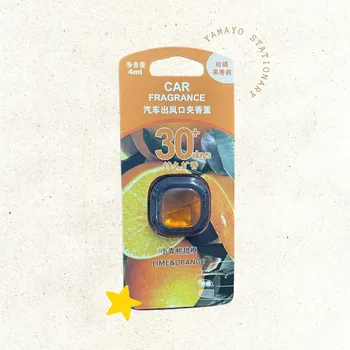
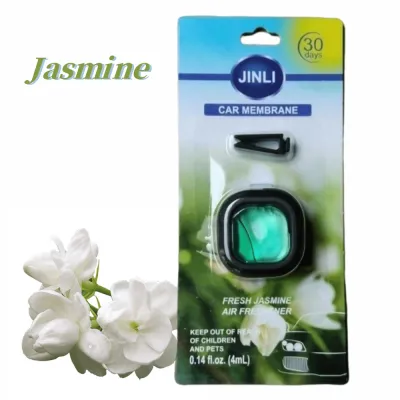
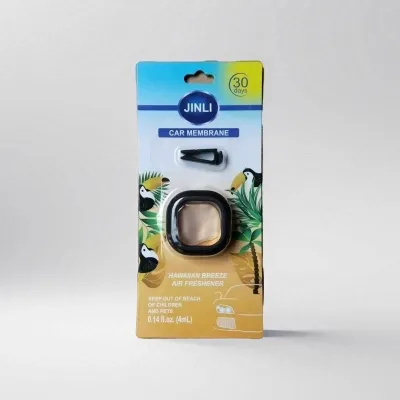

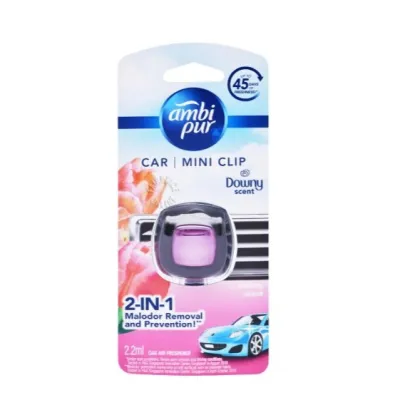
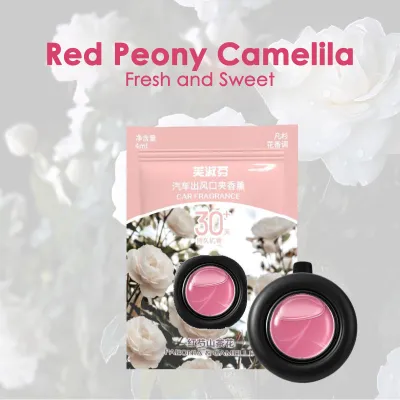
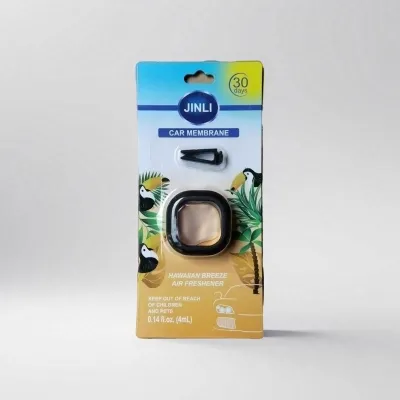
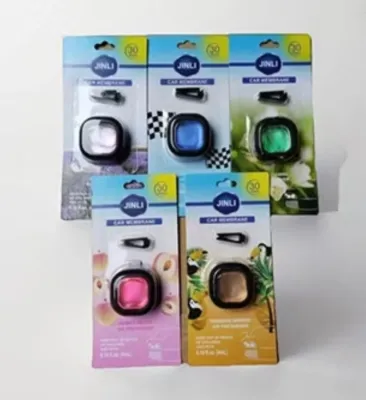
Prices are valid at publication and may change. Please refer to the product page for the latest price.
Beyond evaporation, the structural integrity of the fragrance clip itself is put to the test. Many budget-friendly clips are constructed from standard plastics that can soften, warp, or become brittle under prolonged exposure to high heat and ultraviolet (UV) radiation. If the clip relies on adhesives to hold decorative elements or mounting brackets in place, the extreme cabin heat can cause these glues to melt, leading to the unit falling apart or detaching from the vent.
High humidity levels further complicate how we perceive and experience these scents. Moisture-laden air can alter the diffusion of fragrance molecules, sometimes dampening lighter, fresher notes like citrus while amplifying heavier, sweeter base notes like vanilla or musk. This shift can transform a clean, subtle aroma into a heavy, cloying scent cloud that feels suffocating in an enclosed, humid space before the air conditioning has had time to dry the air.
What to Look for in a Climate-Resilient Car Fragrance Clip
To ensure your car fragrance clip performs reliably in tropical conditions, you must carefully evaluate the product’s format, materials, and design features before making a purchase. Choosing a clip specifically engineered to withstand high temperatures will save you from premature refills and potential interior damage.

The fragrance format is the most critical factor to consider. Solid formats, such as scented ceramic discs, infused polymers, or compressed wood blocks, offer the highest level of heat resistance. Because they contain no free-flowing liquid, they are completely immune to leaking or spilling, even if the cabin reaches extreme temperatures. While their scent throw might be slightly more subtle than liquid alternatives, their stability makes them highly suited for hot climates.
Gel-based fragrances provide a middle ground, offering a consistent scent release, but they require close monitoring. Under intense heat, some low-quality gels can liquefy or shrink rapidly, losing their effectiveness within days. If you prefer liquid fragrance clips for their strong scent throw, look for models that feature advanced membrane technology or adjustable wicks that regulate the release of the oil, preventing rapid depletion and minimizing pressure-induced leaks.
The materials used in the clip’s construction must also be highly durable. Prioritize clips made from UV-stabilized plastics, high-grade silicone, or rust-proof metals like anodized aluminum. The mounting prong should be coated in a soft, heat-resistant rubber or silicone buffer; this not only protects your air vent slats from scratches but also ensures the clip remains securely anchored even when the plastic vent slats expand slightly due to the heat.
Finally, look for clips that offer adjustable ventilation controls. A built-in mechanical shutter or dial allows you to manually restrict the airflow passing through the fragrance cartridge. This feature is invaluable in Singapore, as it lets you dial down the scent intensity during long drives and close the vents entirely when parking the car in the sun, preserving the remaining fragrance.
Strategic Placement to Maximize Lifespan and Scent Distribution
Where and how you install your car fragrance clip plays a major role in how long it lasts and how effectively the scent is distributed throughout the cabin. Proper placement helps mitigate the harsh effects of heat and ensures a more pleasant driving experience.
When selecting an air vent, consider the airflow patterns of your vehicle’s air conditioning system. Mounting the clip on the center console vents provides the most even distribution of scent to both the front and rear passengers. However, if the scent feels too intense, moving the clip to the side vent near the driver’s window can offer a more subtle, indirect aroma path that gently circulates around the cabin without blowing directly into your face.
Avoiding direct sunlight is crucial for extending the lifespan of the fragrance. Vents that are positioned high on the dashboard or directly beneath the windshield receive the highest concentration of solar radiation. If possible, mount the clip on lower vents that are shaded by the steering wheel, instrument cluster, or dashboard overhangs. This simple adjustment keeps the cartridge cooler, reducing the rate of passive evaporation when the car is parked.
Managing the intensity of the fragrance is also essential for maintaining a comfortable cabin environment. In a small, hot vehicle interior, a little fragrance goes a long way. Start by setting the clip’s adjustable dial to its lowest open setting. You will likely find that the ambient heat and the force of the air conditioning are more than enough to distribute a pleasant level of scent without overwhelming your senses.
Maintenance Checks to Protect Your Car Interior
Car fragrance oils often contain concentrated chemical compounds, essential oils, and solvents that can be highly corrosive to automotive surfaces. Regular maintenance and careful monitoring are necessary to prevent permanent damage to your vehicle’s interior.
Establish a routine to inspect your fragrance clip at least once a week. Look closely for any signs of sweating, condensation, or active dripping around the housing and the vent slats. Liquid-based clips are particularly prone to thermal expansion, which can force oil out of the seals. If you detect any residue, remove the clip immediately and wipe down the vent slats with a damp microfiber cloth to prevent the chemicals from eating into the plastic.
Protecting your dashboard’s sensitive surfaces should be a top priority. Never allow the fragrance-containing portion of the clip to make direct contact with leather upholstery, soft-touch plastics, wood veneers, or infotainment screens. Ensure the mounting prong keeps the main body of the diffuser suspended a safe distance away from the surrounding trim, as even minor contact over time can cause peeling, discoloration, or cracking.
Recognizing when to replace your fragrance refill will help you maintain a consistent scent profile without wasting money. Because our noses quickly adapt to familiar smells—a phenomenon known as olfactory fatigue—you should not rely solely on your sense of smell to judge if a refill is empty. Instead, perform visual checks on the gel or liquid levels, or inspect solid inserts for a dry, brittle appearance that indicates the active oils have fully evaporated.
Frequently Asked Questions (FAQ)
Will high cabin temperatures cause liquid fragrance clips to leak?
Yes, high cabin temperatures can cause the air and liquid inside a liquid fragrance cartridge to expand. This thermal expansion increases internal pressure, which can force the fragrance oil out through the wick or the housing’s seals. To prevent leaks, always mount liquid clips perfectly upright, verify that the seals are intact before installation, and avoid using them on highly angled vent slats that tilt the cartridge.
How does the heat affect the expected lifespan of a fragrance refill?
Extreme heat significantly accelerates the evaporation of fragrance oils, shortening the expected lifespan of a refill compared to its rated performance in cooler climates. A refill designed to last up to 30 days may only last 15 to 20 days when subjected to daily parking under the tropical sun. Parking in shaded areas, using windshield sunshades, and closing the clip’s adjustable vents when the vehicle is parked can help extend its longevity.
Are solid or gel fragrance formats more reliable than liquid ones in hot weather?
Solid formats, such as infused polymers or ceramic discs, are highly reliable for hot climates because they contain no free liquid that can leak or spill due to thermal expansion. Gels are also relatively stable but can shrink rapidly or liquefy under extreme heat. While liquid formats offer a more adjustable and intense scent throw, they require much closer monitoring to prevent accidental leaks and subsequent dashboard damage.
Community discussion
Share your experience or ask a question. Comments are reviewed before publication.