
Operating a vehicle in Singapore means constantly managing the effects of a tropical climate. With outdoor temperatures regularly hovering around 30°C to 33°C and relative humidity often exceeding 80 percent, the interior of a parked car can quickly transform into a high-heat chamber. Under these intense conditions, choosing and maintaining a car air freshener requires more than just picking a preferred scent. While the AmbiPur Mini is a popular and compact option for keeping cabins smelling clean, its overall effectiveness, scent dispersion rate, and physical durability depend heavily on how well you manage cabin heat, where you position the device, and how closely you follow the manufacturer’s installation and safety guidelines.
Because car interiors act like greenhouses, trapping solar radiation and driving up internal temperatures, any air freshener will behave differently here than it would in a temperate climate. Understanding the physical limits of these small devices and taking proactive steps to protect your vehicle’s cabin surfaces will help you get the most out of your purchase while avoiding common pitfalls like rapid depletion or accidental leakage.
How Tropical Heat and Humidity Impact Car Air Fresheners
The physical and chemical behavior of any car air freshener is directly tied to the ambient temperature and moisture levels of its environment. When a vehicle is parked in an open-air lot or on the street, the dashboard and air vents absorb a significant amount of thermal energy. This elevated heat directly accelerates the kinetic energy of the molecules inside the air freshener, causing the fragrance oils and carrier solvents to evaporate at a much faster rate than they would in cooler conditions.
Products mentioned in this guide
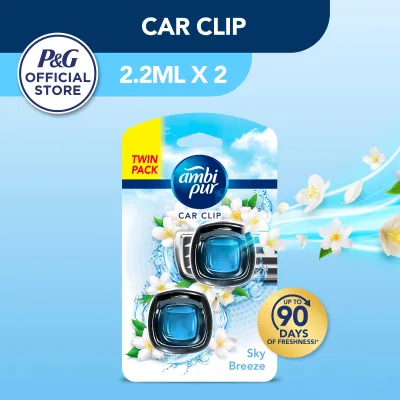
![[Bundle of 3] Ambi Pur Car Mini Clip Sky Breeze Car Air Freshener 2.2ml x 2](https://img.lazcdn.com/g/p/2c3e11c463c4bfb4c1cd7682db9a33c8.png_400x400q80.png_.webp)
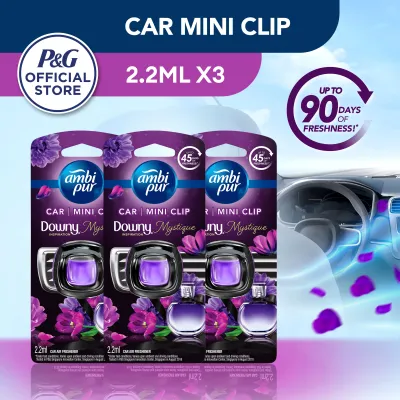
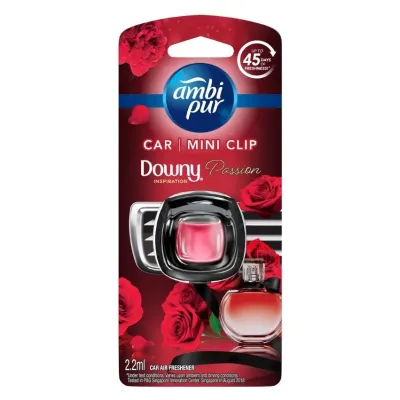
![[CARTON DEAL] Ambi Pur Mini Car Clip Air Freshener 2.2ml x 2 Twin Pack / Single Pack](https://img.lazcdn.com/g/p/66a6742330527b430a22739e1576e46a.jpg_400x400q80.jpg_.webp)
Prices are valid at publication and may change. Please refer to the product page for the latest price.
For liquid and membrane-based fresheners, this accelerated evaporation means the scent molecules are released into the cabin in a highly concentrated burst. While this might initially result in a very strong, pleasant aroma, it also means the product’s active ingredients are depleted much quicker than the manufacturer’s average lifespan estimate. In a high-heat environment, the volatile organic compounds responsible for carrying the scent are driven off rapidly, leaving behind a thicker, less volatile residue that struggles to disperse.
Humidity plays an equally critical role in how we perceive scents inside a vehicle. High relative humidity means the air is already saturated with water vapor, which can alter the way fragrance molecules travel through the cabin. Moisture can make heavy or sweet scents feel overwhelming and cloying, while lighter, citrusy notes might seem to vanish entirely. Furthermore, persistent humidity inside a car encourages the growth of mold, mildew, and odor-causing bacteria in porous materials like fabric seats, floor mats, and seatbelts. An air freshener attempting to mask these deep-seated, damp odors often results in an unpleasant, mixed smell rather than a clean cabin.
Finally, extreme heat places immense physical stress on the materials used to house and disperse the fragrance. Solid gels can rapidly shrink, crack, or liquefy under intense heat, while liquid reservoirs experience increased internal pressure. If the housing or membrane of the freshener is not designed to withstand these thermal fluctuations, the structural integrity of the device can fail, leading to warping, cracking, or fluid bypass.
Evaluating AmbiPur Mini for High-Temperature Car Interiors
To determine if the AmbiPur Mini is suitable for your specific driving habits, start by carefully reviewing the product packaging and manufacturer specifications. Look for explicit temperature limits, storage instructions, and climate warnings provided by the brand. Manufacturers often print guidelines regarding the maximum safe operating temperatures for their devices, which is crucial information when your car is routinely parked in unshaded areas.

Because the “mini” format features a significantly smaller reservoir of fragrance oil or gel compared to standard-sized air fresheners, its overall lifespan is inherently limited in a tropical climate. A smaller volume of liquid has less thermal mass, meaning it heats up quickly and has less buffer against rapid evaporation. When exposed to daily cabin temperatures that can far exceed outdoor ambient levels, a mini freshener will naturally require more frequent monitoring and replacement than a larger unit.
Regularly observing the physical state of the AmbiPur Mini is essential for preventing issues before they start. Check the liquid level and the condition of the diffusing membrane at least once a week. If you notice the liquid level dropping at an alarming rate during a particularly hot week, or if the gel inside appears to be separating or changing consistency, these are clear indicators that the device is experiencing high thermal stress.
Additionally, you must verify the physical compatibility of the freshener’s clip mechanism with your vehicle’s air conditioning vents. Car manufacturers use a wide variety of vent slat designs, thicknesses, and materials. Ensure that the clip fits securely onto your vent without requiring excessive force, which could damage the delicate plastic slats. A loose or improperly mounted freshener is much more likely to tilt, fall, or leak when the vehicle is in motion.
Spotting Degradation and Knowing When to Replace
Recognizing the early signs of heat-induced degradation can save you from both an unpleasant cabin environment and costly interior repairs. One of the most common visual indicators of heat stress is color fading. If the vibrant liquid or gel inside your AmbiPur Mini begins to look dull, cloudy, or yellowed, the chemical compounds have likely been broken down by UV radiation and heat. You might also observe physical separation, where the fragrance oil detaches from the carrier medium, creating a distinct layer of oil or unusual crystallization around the edges of the dispensing membrane.
Olfactory shifts are another clear sign that the freshener has reached the end of its useful life. If you notice a sudden, complete loss of scent throw, or if the fragrance profile becomes weak and distorted, the primary scent-carrying molecules have likely evaporated. In some cases, heat-damaged oils can develop a sour, chemical-heavy, or rancid off-odor that actively detracts from the cabin’s freshness.
Most importantly, you must regularly inspect the area around the freshener for any signs of residue, leaking, or structural failure. The concentrated fragrance oils used in car air fresheners are powerful chemical solvents. If these oils leak, drip, or seep onto your car’s dashboard, air vent slats, or center console, they can cause severe and permanent damage. The chemicals can dissolve or bubble automotive plastics, peel away protective coatings, discolor leather trim, and ruin the appearance of your interior. If you spot any moisture, stickiness, or cracking on the housing of the AmbiPur Mini, remove it immediately and clean the area with a mild, interior-safe cleaner.
Best Practices for Maximizing Lifespan in Hot Climates
To extend the life of your AmbiPur Mini and ensure it performs consistently, you must be strategic about where you place it and how you manage your car’s internal climate. Avoid mounting the freshener in direct sunlight or high-heat zones. The top of the dashboard, the rear parcel shelf, and unshaded window sills are the absolute worst locations, as they receive the full force of solar radiation. Instead, keep the device clipped securely to an active air conditioning vent that is shaded from direct sunlight.
Reducing the overall temperature spikes inside your parked car is one of the most effective ways to preserve your air freshener. Whenever possible, park in shaded areas, such as multi-storey car parks, basement lots, or under building overhangs. If you must park in an open-air lot, always use a high-quality, reflective front windshield sunshade. This simple accessory blocks a massive amount of solar energy, keeping your dashboard and air vents significantly cooler and protecting both your air freshener and your car’s interior plastics from UV damage.
Managing cabin humidity and airflow is equally important. When you first enter a car that has been parked in the sun, do not immediately turn on the air conditioning with the windows closed. Instead, roll down all the windows and drive for a minute or two to allow the trapped, superheated, and humid air to escape. Once the cabin air matches the outdoor temperature, roll up the windows and turn on the air conditioning.
Using your air conditioning’s recirculation mode helps to dehumidify the cabin air quickly. This dry, cool air allows the fragrance from your AmbiPur Mini to disperse cleanly and efficiently without being overwhelmed by heavy moisture. Additionally, keeping your cabin clean, vacuuming the carpets regularly, and addressing any water leaks promptly will prevent the buildup of damp odors, allowing your air freshener to do its job without having to fight competing smells.
Exploring Alternatives for Extreme Heat Conditions
If you find that liquid vent clips degrade too quickly or present too much of a leakage risk for your daily parking situation, it may be worth exploring alternative air freshener formats. Each type of freshener offers a different balance of heat resistance, scent longevity, and physical stability in tropical climates.
Solid gel air fresheners, often housed in plastic cans or tubs, are highly resistant to spilling because they do not contain free-flowing liquid. However, they can dry out and shrink rapidly when exposed to the dry, dehumidified air of a car’s air conditioning system. Hanging paper cards are incredibly simple and carry zero risk of liquid leakage, but their scent output tends to be very short-lived in high-heat environments, as the exposed paper allows the fragrance oils to evaporate almost immediately.
For those seeking maximum physical stability, organic fiber cans or ceramic diffusers are excellent options. These formats utilize scent-infused wood fiber blocks or porous ceramic materials sealed inside a container. Because there is no liquid or soft gel to melt, leak, or warp, they are highly stable even if the car is parked in direct sunlight. The trade-off is that they may offer less immediate scent intensity compared to an active vent clip like the AmbiPur Mini, which relies on the direct airflow of your air conditioning to distribute the fragrance.
Regardless of the format you choose, always prioritize vehicle safety and compatibility. Before purchasing any alternative, verify that its mounting method—whether it uses adhesives, clips, or hanging strings—is safe for your car’s specific materials. Avoid adhesive-backed fresheners that could leave a permanent residue or peel away delicate dashboard finishes, and ensure that hanging diffusers do not obstruct your line of sight or interfere with the deployment of your vehicle’s airbags.
Frequently Asked Questions (FAQ)
Can I leave AmbiPur Mini in a parked car under direct sunlight?
Leaving an AmbiPur Mini in a car parked under direct sunlight is not recommended due to the rapid and extreme temperature spikes that occur inside a sealed cabin. When a vehicle is left unattended in the sun, internal temperatures can quickly rise to levels that exceed the safe operating limits of many consumer products. This intense heat can cause the liquid inside the freshener to expand, potentially cracking the plastic housing or causing the membrane to leak. To minimize these risks, consult the product packaging for specific heat warnings. If you must park in direct sunlight for extended periods, consider temporarily moving the freshener to a cooler, shaded area like the glove compartment, or ensure you are using a reflective front windshield sunshade to protect the dashboard area.
Does high humidity make the car smell worse even with an air freshener?
Yes, high humidity can make a car’s interior smell worse, and an air freshener alone cannot solve this issue. High humidity introduces excess moisture into the cabin, which gets absorbed by porous materials such as fabric seats, carpets, and the air conditioning system’s evaporator core. This moisture creates an ideal breeding ground for mold, mildew, and bacteria, which produce musty, damp odors. Because air fresheners are designed to mask odors rather than eliminate the moisture that causes them, combining a strong fragrance with damp, musty air often results in an unpleasant, heavy smell. To address the root cause, you should combine your air freshener with proper cabin drying techniques, regular interior cleaning, and the use of dedicated moisture absorbers like activated charcoal bags or disposable dehumidifiers.

Community discussion
Share your experience or ask a question. Comments are reviewed before publication.