
A Hooga car diffuser can be used in Singapore’s tropical climate, but its suitability depends heavily on the specific product format you choose and where you place it inside your vehicle. The combination of intense solar radiation and high ambient humidity creates a challenging environment for any cabin air freshener. While these diffusers are highly regarded for their aesthetic appeal and pleasant scent profiles, the physics of a sealed vehicle interior parked under the equatorial sun can accelerate fragrance depletion, alter scent notes, or even cause physical damage to your car’s interior if not managed carefully.
Evaluating how these products perform in local conditions requires understanding the physical and chemical changes that occur when a vehicle is left exposed to the elements. By choosing the right format and following proper placement and maintenance steps, you can enjoy a consistent fragrance without risking damage to your vehicle’s cabin.
How Singapore's Tropical Climate Impacts Car Fresheners
When a vehicle is parked in an open-air lot in Singapore, solar radiation penetrates the glass windows, heating up the dark surfaces of the dashboard, steering wheel, and seats. This trapped thermal energy cannot escape easily, causing the cabin temperature to spike rapidly through the greenhouse effect. On a typical 32°C afternoon, the interior temperature of a parked car can exceed 60°C within an hour, with the dashboard surface temperature climbing even higher. This extreme heat creates a highly volatile microclimate that directly impacts any scent-dispensing device.
Products mentioned in this guide
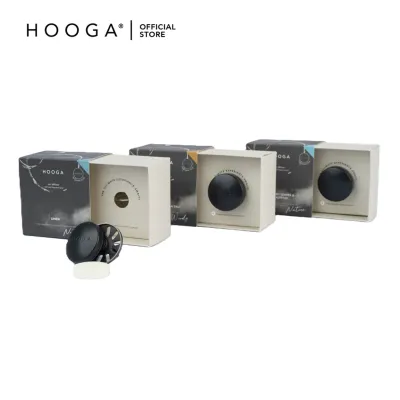
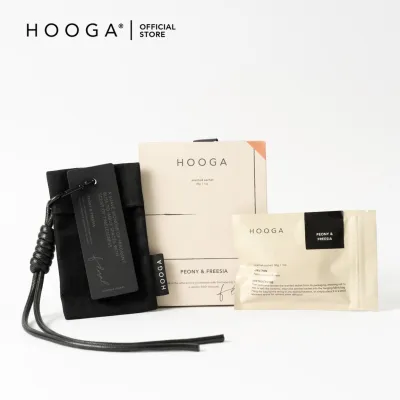
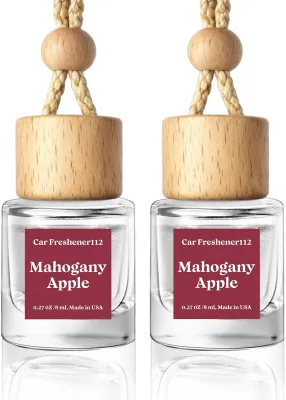
Prices are valid at publication and may change. Please refer to the product page for the latest price.
Fragrance oils consist of a complex mixture of volatile organic compounds, categorized into top, middle, and base notes based on their molecular weight and evaporation rates. High temperatures accelerate the kinetic energy of these molecules, causing them to vaporize much faster than intended. In a hot cabin, the light, refreshing top notes (such as citrus or light green scents) flash off almost instantly, leaving behind the heavier, more concentrated base notes (such as amber, patchouli, or wood). This rapid, uneven evaporation can distort the fragrance profile, making the scent feel overwhelmingly intense initially and then leaving a flat, altered aroma.
Singapore’s relative humidity regularly hovers between 60% and 90%, which introduces another layer of complexity. High moisture levels in the air can interact with the diffuser’s delivery mechanism. For liquid diffusers that rely on porous wooden caps or reeds, high humidity can saturate the wood with atmospheric moisture, hindering its ability to absorb and diffuse the fragrance oil effectively. In solid or gel-based formats, high humidity can cause water vapor to condense on the product’s surface, potentially breaking down the binding agents or causing the matrix to liquefy and degrade prematurely.
Evaluating Your Specific Hooga Car Diffuser Format
Before installing any Hooga car diffuser, it is essential to evaluate the specific design and physical format of the product against the manufacturer’s guidelines. Hooga offers various home and lifestyle fragrance products, and while their car-specific diffusers are designed for vehicle interiors, they are not all built to withstand the same environmental extremes. Always inspect the product packaging, labels, or official specifications for maximum operating temperatures, storage warnings, and chemical compositions.

Relying solely on brand reputation or general material names is a common mistake. A high-quality glass bottle or an organic wooden cap does not automatically guarantee resistance to extreme thermal expansion or high humidity. You must verify the specific design limits of the product you purchase. Understanding how different formats behave under thermal stress is the first step in choosing a diffuser that will perform reliably without risking damage to your vehicle’s cabin.
Liquid and Essential Oil-Based Diffusers
Liquid-based diffusers, such as those featuring a small glass bottle with a wooden lid or hanging cord, are highly popular due to their strong scent throw and elegant look. However, they carry specific risks in hot climates. When a liquid-based diffuser is exposed to high cabin temperatures, the air and liquid inside the sealed container expand. This thermal expansion can build up internal pressure, forcing the liquid fragrance oil upward through the wick or wooden cap faster than it can evaporate, leading to active dripping or leaking.
Furthermore, you must assess the housing material and the integrity of the seals. Glass containers are generally stable, but extreme thermal cycling—switching between a freezing air-conditioned cabin and a 60°C parked car—can put stress on low-grade glass or plastic fittings. Ensure that the sealing mechanism, whether it is a plastic stopper or a threaded collar, fits securely and remains intact under heat. If the product uses a wooden cap as the diffusion medium, verify that the wood is not cracked or overly saturated, as this can compromise its structural integrity and lead to unwanted spills.
Solid, Gel, and Vent Clip Formats
Solid, gel, and vent clip formats offer a more contained alternative to liquid diffusers, but they are not immune to Singapore’s climate. Gels and solid wax-based matrices rely on binding agents to hold the fragrance oil in suspension. Under direct solar radiation—particularly if mounted on the dashboard or near the windscreen—these binders can break down, causing the solid or gel to melt, shrink, or dry out rapidly. This structural collapse not only ruins the aesthetic of the diffuser but also halts the consistent release of the fragrance.
Humidity also plays a significant role in how these formats perform. For vent clips that utilize a saturated pad or a semi-permeable membrane, high ambient humidity can cause moisture to accumulate on the exterior of the clip. This moisture barrier can block the airflow from carrying the scent molecules into the cabin, resulting in a weak or uneven scent throw. Additionally, some solid matrices can absorb atmospheric moisture, becoming sticky, discolored, or prone to mold growth if left in a damp, unventilated vehicle for extended periods.
When choosing a vent clip format, verify that the mounting clip’s dimensions and interface are compatible with your specific vehicle model’s air vent slats. Some modern vehicles feature unique, narrow, or motorized vent designs that may not support standard clips, risking physical damage to the vent mechanism if forced.
Signs of Heat and Humidity Degradation to Monitor
Keeping a close eye on your Hooga car diffuser will help you catch signs of environmental degradation before they lead to permanent damage or an unpleasant driving experience. Regularly inspecting the physical state and performance of your diffuser is crucial in a tropical climate.
Scent Changes: One of the earliest indicators of heat damage is a noticeable shift in the fragrance profile. If your diffuser suddenly emits a sour, chemical, or rancid odor, the heat has likely oxidized or degraded the fragrance oils. You might also notice an overwhelmingly strong, headache-inducing burst of scent when you first open the car door, followed by a complete absence of fragrance just a few days later, indicating that the volatile oils have evaporated too quickly.
Physical Changes: Inspect the housing of the diffuser weekly. Look for signs of leakage around the cap, hanging string, or mounting clip. Check for physical warping of plastic components, discoloration of the liquid or solid matrix, or the formation of unusual crystals. If you are using a gel-based diffuser, watch for liquefaction or severe shrinkage, which indicates that the product has exceeded its thermal tolerance.
Interior Residue: High temperatures can cause vaporized fragrance oils to condense on cooler surfaces inside your car. Look for a thin, oily film or sticky residue on your dashboard, instrument cluster, air vents, or the interior of your windscreen. This residue can attract dust and dirt, making your cabin look unkempt and potentially obstructing your view if it accumulates on the glass.
Safety Boundary: If you detect any leaks, spills, or oily residue, it is critical to act immediately to protect your vehicle’s interior. Wipe up the liquid immediately using a clean, dry microfiber cloth to prevent it from soaking into surrounding surfaces. Before applying any commercial cleaning agents, solvents, or household detergents, always consult your vehicle’s interior care manual or owner’s guide. Many modern vehicles feature soft-touch plastics, sensitive leather, or specialized coatings on the dashboard and vents that can be easily stripped, stained, or permanently damaged by the concentrated chemical solvents found in fragrance oils and unapproved cleaners.
Best Practices for Using Car Diffusers in Hot Weather
To maximize the lifespan of your Hooga car diffuser and maintain a pleasant, consistent aroma in your vehicle, you can implement several low-risk, practical strategies to mitigate the effects of Singapore’s heat and humidity.
Heat Management: Reducing the peak temperature inside your cabin is the most effective way to protect your diffuser. Whenever possible, park your vehicle in shaded areas, such as multi-storey car parks (MSCPs) or basement parking lots, rather than open-air spaces. Utilizing high-quality, reflective windscreen sunshades can significantly block solar radiation and lower dashboard temperatures. If parking in a secure area, cracking your windows by a few millimeters can also help hot air escape, preventing extreme heat buildup.
Placement: Strategic placement of your diffuser can make a substantial difference in its performance. Avoid placing liquid or gel diffusers on the top of the dashboard or hanging them directly from the rearview mirror where they are exposed to uninterrupted sunlight. Instead, consider mounting vent clips on lower air vents that are shaded from direct sun, or placing hanging diffusers in a lower, cooler area of the cabin, such as the center console or rear passenger grab handles, provided they do not interfere with safe vehicle operation.
Airflow Adjustments: For vent-mounted diffusers, use your vehicle’s climate control settings to regulate the scent throw. Adjusting the air conditioning flow to a moderate level can help cool the diffuser housing, slowing down the evaporation rate of the fragrance oils. If your vent clip features an adjustable scent control shutter, keep it on a lower setting during the hottest parts of the day to prevent the fragrance from depleting too quickly.
Storage: If you purchase refills or multiple diffusers at once, proper storage is essential to preserve their chemical integrity before use. Store your unused Hooga diffusers and refills in a cool, dry place inside your home, away from direct sunlight, high humidity, and fluctuating temperatures. Do not store spare diffusers in your glove compartment or center console, as these closed compartments can still reach high temperatures when the car is parked, degrading the product before you even open it.
Frequently Asked Questions (FAQ)
Can I leave my Hooga car diffuser in a parked car all day?
Leaving your Hooga car diffuser in a parked car all day in Singapore’s heat is generally not recommended, especially if the vehicle is parked in an open-air lot under direct sunlight. The internal temperature of a closed vehicle can easily exceed the safe operating limits of many fragrance products, leading to rapid evaporation, leakage, or melting. If you must park in direct sunlight for extended periods, consider removing sensitive liquid or gel diffusers from the dashboard or rearview mirror and placing them in a cooler, shaded area like the footwell, or temporarily storing them in a sealed container out of the heat.
Does high humidity make the scent last longer or shorter?
High humidity combined with extreme tropical heat typically shortens the overall lifespan of your car diffuser. While high humidity can make scent molecules feel heavier and more lingering in the air, the dominant factor in a hot car is evaporation. The intense heat accelerates the vaporization of the fragrance oils, causing them to deplete much faster than they would in a cooler, drier climate. Additionally, high moisture levels can saturate wooden caps or diffuse membranes, reducing their efficiency and leading to an inconsistent scent release.
What should I do if the diffuser leaks on my car dashboard?
If your diffuser leaks, you must act quickly to prevent permanent damage to your car’s interior. Immediately blot and wipe up the spill using a clean, dry microfiber cloth, avoiding rubbing which can spread the oil further. Do not use harsh household chemicals, dish soaps, or unverified solvents, as these can react with the concentrated fragrance oils and strip the protective coatings on your dashboard. Instead, refer to your vehicle owner’s manual for approved interior cleaning methods and products specifically rated for your dashboard’s material, whether it is plastic, leather, or soft-touch vinyl. If the stain or residue persists, consult a professional automotive detailer.

Community discussion
Share your experience or ask a question. Comments are reviewed before publication.