
Waterproof ratings tell you exactly how much water pressure a riding jacket’s fabric can withstand before moisture begins to seep through. When riding in unpredictable weather, your jacket serves as your primary rain protector, and understanding these technical specifications is the difference between arriving at your destination dry or completely soaked.
In tropical environments like Singapore, where sudden monsoonal downpours can catch you off guard on the expressway, choosing the right rating is not just about staying dry. It is also about managing intense heat and humidity. Balancing waterproof capability with breathability ensures you stay protected from external water without drowning in your own sweat.
The Basics of Waterproof Ratings: mm vs. IPX
When browsing motorcycle gear, you will primarily encounter two different rating systems used to describe water resistance: millimeters of water column (mm) and Ingress Protection (IPX) levels. While both systems deal with moisture exclusion, they measure completely different types of performance and are applied to different categories of gear.
Products mentioned in this guide
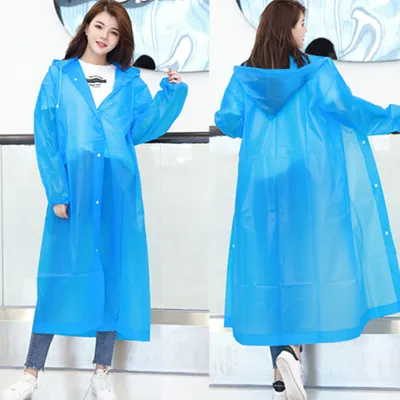
Prices are valid at publication and may change. Please refer to the product page for the latest price.
Measuring the waterproofness of textile fabrics relies on the “mm water column” metric, also known as the hydrostatic head test. In a laboratory setting, a square tube is placed over the fabric, and water is poured into it. The height of the water column in millimeters at the exact moment the fabric begins to leak determines the rating. For example, a fabric rated at 10,000 mm can withstand a 10-meter-tall column of water pressing down on it before any moisture penetrates the weave.
Conversely, Ingress Protection (IPX) ratings measure how well a mechanical or electronic enclosure prevents water from entering its housing. An IPX rating consists of the letters IP followed by a number, such as IPX7, which indicates that a device can be submerged in water up to one meter deep for 30 minutes. While IPX ratings are critical for evaluating helmet communicators, GPS mounts, and phone cases, they are rarely used to certify textile fabrics.
When evaluating a new motorcycle rain protector, you should focus almost entirely on the hydrostatic head mm rating and the overall construction quality of the garment. Be highly skeptical of any riding jacket that advertises an IPX rating for its main fabric body, as textile membranes are certified under clothing standards rather than electronic enclosure testing.
Translating mm Ratings to Real-World Performance for a Rain Protector
To make an informed purchase, you must translate abstract laboratory millimeter measurements into practical expectations for real-world riding scenarios. Fabric ratings generally fall into distinct performance tiers that dictate how they handle different levels of precipitation.

- Under 5,000 mm: This level offers basic water resistance. It is suitable for light drizzle or very brief exposure, but it will quickly saturate and leak during sustained rain.
- 5,000 mm to 10,000 mm: This range represents moderate waterproofing. It can handle average rain showers for short to medium durations, making it a common standard for entry-level commuting gear.
- 10,000 mm to 20,000 mm: This is highly waterproof gear. It is designed to withstand heavy downpours and prolonged exposure, making it the sweet spot for serious commuters and touring riders.
- Over 20,000 mm: This tier offers premium, heavy-duty protection. Fabrics in this category, such as high-end Gore-Tex membranes, are designed to remain completely impervious to water under extreme, continuous storm conditions.
While a 5,000 mm rating might keep you perfectly dry while standing still in a rainstorm, riding a motorcycle introduces the critical variable of wind pressure. Traveling at highway speeds of 80 to 90 km/h forces rain droplets against your chest and arms with immense physical force. This dynamic wind pressure dramatically increases the effective water pressure on the fabric, meaning you require a much higher mm rating on a motorcycle than you would for a standard walking jacket.
However, chasing the highest possible waterproof rating introduces a major trade-off in breathability. Highly waterproof membranes work by using microscopic pores that are small enough to block liquid water droplets but large enough to let hot sweat vapor escape. As the waterproof rating increases, the density of these pores often changes, which can restrict airflow. In hot and humid climates, wearing an ultra-high-waterproof jacket with poor breathability leads to the “boil-in-the-bag” effect, where trapped body heat and sweat leave you just as wet on the inside as the rain would have on the outside.
Beyond the Numbers: Seams, Zippers, and DWR Coatings
A jacket’s fabric rating is only one part of the waterproofing puzzle. Even if a jacket boasts a premium 20,000 mm membrane, poor construction choices can allow water to bypass the fabric entirely.
Every time a manufacturer sews two panels of fabric together, the sewing needle punches thousands of tiny holes through the waterproof membrane. Without proper treatment, these needle holes act as tiny channels for water to seep directly onto your clothing. To prevent this, true waterproof jackets feature fully taped or heat-sealed seams on the inside, where a specialized waterproof tape is bonded over every single stitch line.
Zippers are another primary entry point for wind-driven rain. Standard zippers offer zero water resistance, meaning water will quickly penetrate your chest area at speed. High-quality rain gear utilizes water-resistant zippers coated with polyurethane, often paired with dual storm flaps that fold over the zipper track to catch and redirect water away from the opening. Look for jackets that feature zipper “garages” at the collar, which prevent water from dripping down into the top zipper gap.
Finally, the outer layer of most riding jackets is treated with a Durable Water Repellent (DWR) chemical finish. This coating causes water to bead up and roll off the surface of the jacket rather than soaking into the nylon or polyester shell. While DWR does not make the jacket waterproof on its own, it prevents the outer fabric from “wetting out.” If the outer shell becomes saturated with water, it creates a cold barrier that completely blocks the inner membrane’s ability to breathe, causing rapid condensation inside the jacket. Because DWR coatings naturally degrade over time from road grime, UV rays, and physical friction, you must consult the manufacturer’s care instructions to periodically clean and reapply a DWR treatment to maintain peak performance.
How to Choose the Right Rain Protection for Your Ride
Selecting the ideal level of rain protection requires analyzing your typical riding environment, speed, and budget. Different riding styles demand different compromises between waterproofing, breathability, and ventilation.
For urban commuting in warm, humid regions like Singapore, heat management is often your biggest challenge. Because city commutes involve lower speeds, frequent stops, and shorter exposure times, a jacket with a moderate rating of 5,000 mm to 10,000 mm is highly effective. Prioritize jackets that feature extensive mechanical ventilation, such as zippered intake vents that can be closed when the rain starts, to ensure you do not overheat during dry spells.
If your riding involves long-distance touring or daily high-speed expressway travel, your priorities must shift toward maximum weather protection. Look for a jacket rated at 15,000 mm to 20,000 mm with fully taped seams, robust storm flaps, and high collars. These features will keep you dry through hours of continuous highway riding where shelter is unavailable.
You must also choose between a removable waterproof liner and a fixed laminated construction.
- Removable Liners: These jackets feature a highly breathable, ventilated outer mesh shell with a separate waterproof liner that zips inside. This design is highly versatile and cost-effective, with budget-friendly options starting around S$150. However, if it starts raining, you must pull over to install the liner, and the outer shell of the jacket will still get soaked and heavy.
- Laminated Jackets: In a laminated jacket, the waterproof membrane is bonded directly to the inner side of the outer shell. This construction prevents the jacket from absorbing water, keeping it lightweight and quick-drying. Laminated jackets are incredibly convenient but are typically more expensive, with premium options often exceeding S$600, and they tend to run warmer in heavy traffic.
Before purchasing any riding jacket, always verify the specific product documentation, sizing charts, and armor compatibility to ensure a proper fit that does not compromise your safety on the road.
Frequently Asked Questions (FAQ)
Is a higher waterproof rating always better for a riding jacket?
No, a higher rating is not always better. While an exceptionally high waterproof rating offers excellent protection against heavy downpours, it often comes at the expense of breathability. In hot, humid climates, a jacket that cannot vent body heat will trap sweat, leaving you damp and uncomfortable. It is best to match the rating to your actual riding speeds and local weather patterns rather than simply buying the highest number available.
What is the difference between water-resistant and waterproof riding gear?
Water-resistant gear is designed to protect you from light, brief showers or road spray. It typically relies on a surface DWR coating on the outer fabric without a dedicated internal membrane or sealed seams. Waterproof gear, on the other hand, utilizes a specialized physical membrane and fully taped seams to block sustained, heavy rain under the high wind pressures experienced at highway speeds.
Community discussion
Share your experience or ask a question. Comments are reviewed before publication.